
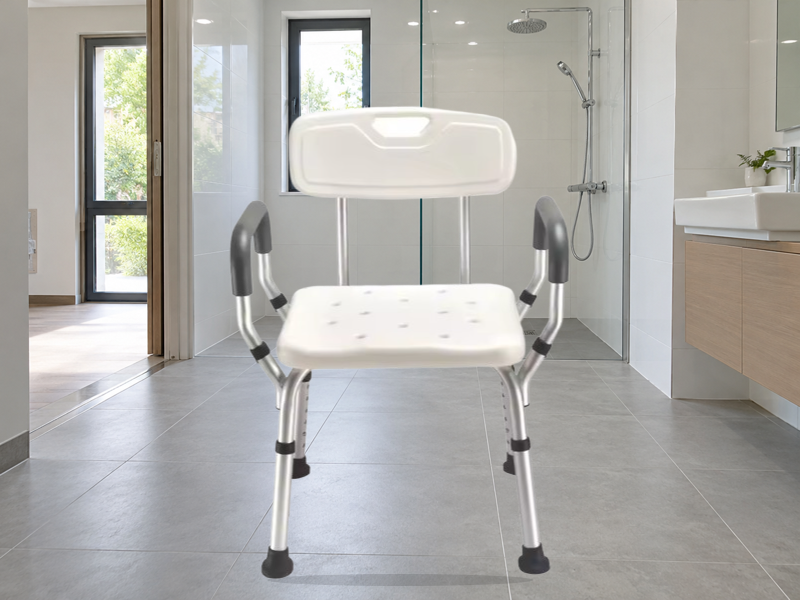
Institutional shower chair procurement starts with user tasks, rooms, transfers, staff, cleaning, storage, and service. One chair may not fit every room. Buyers need a controlled range and clear approval.
For U.S. facilities, the Access Board guide sets bathing-room clearances. Buyers should add room-specific workflow and product records.
1. What Makes Facility Buying Different?
Facilities manage shared use, several operators, multiple rooms, cleaning, training, parts, and replacements. By contrast, a household feature list misses some of that work.
Set product boundaries and group needs before comparing prices.
Related product and sourcing references include hospital furniture range and bath-chair range.
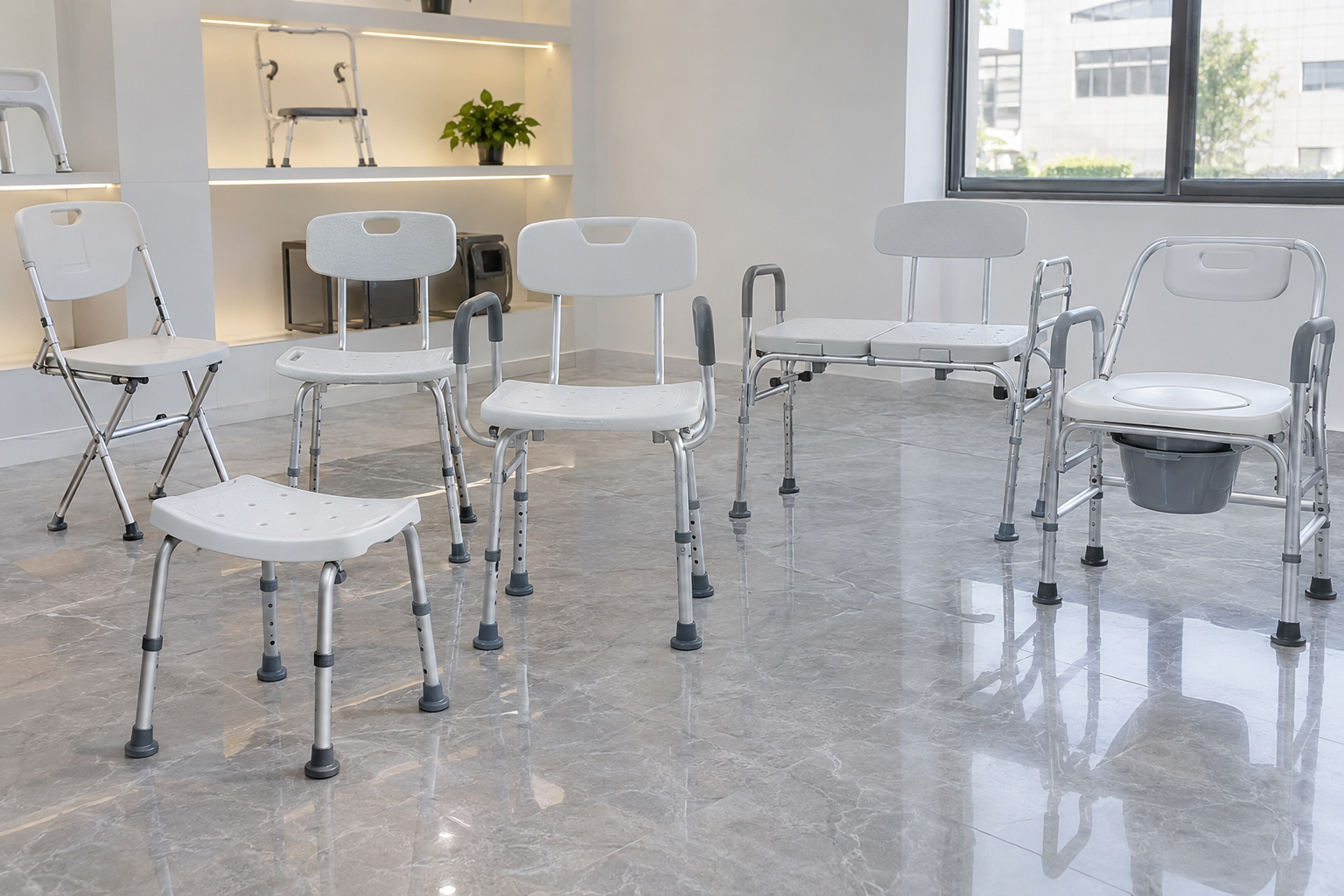
2. Who Owns the Decision?
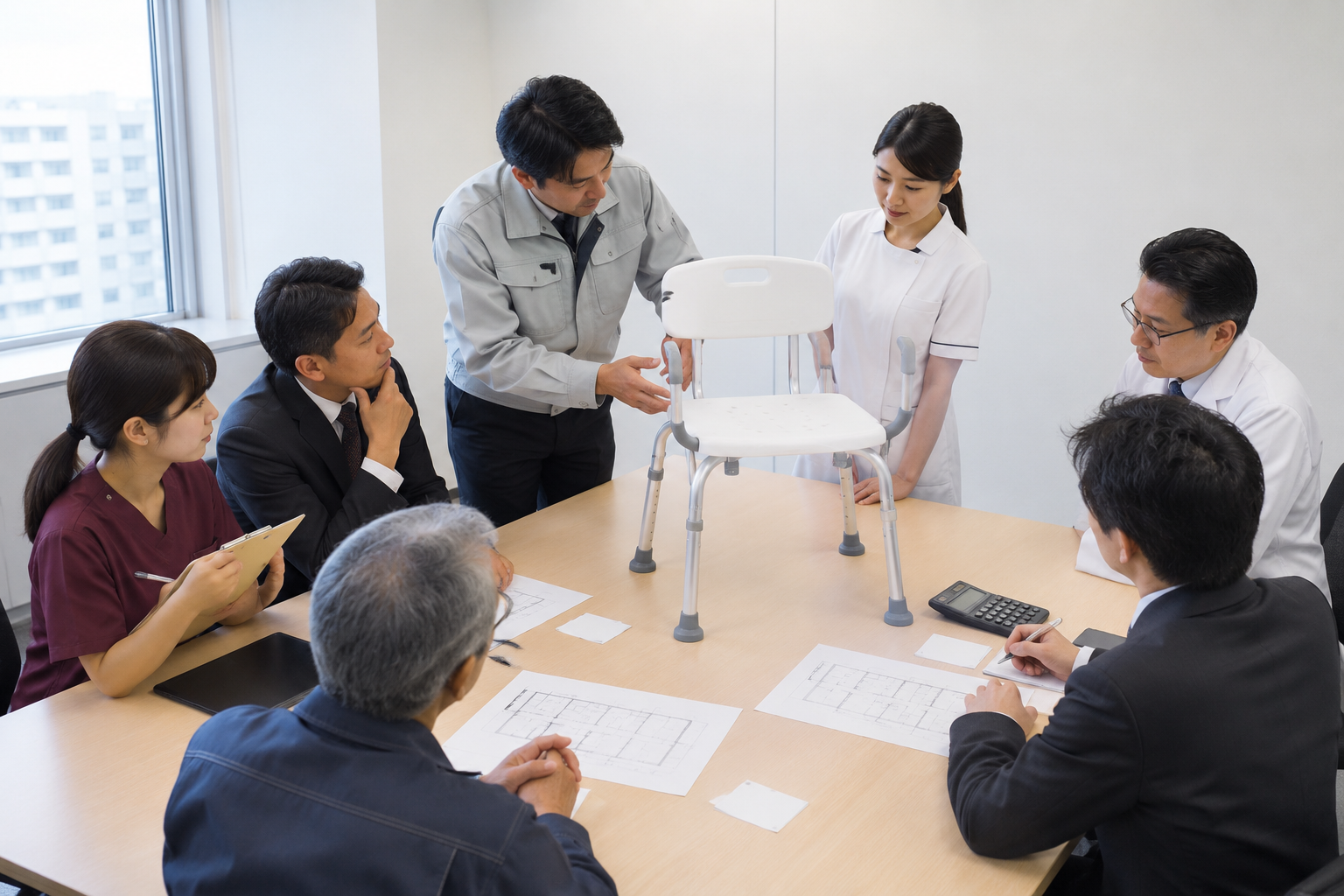
Meanwhile, care teams, facilities, hygiene, service, finance, users, and suppliers each see different needs. Name one owner for every requirement and approval.
Record conflicts that need a decision rather than averaging them away.
3. How Should Users Be Grouped?
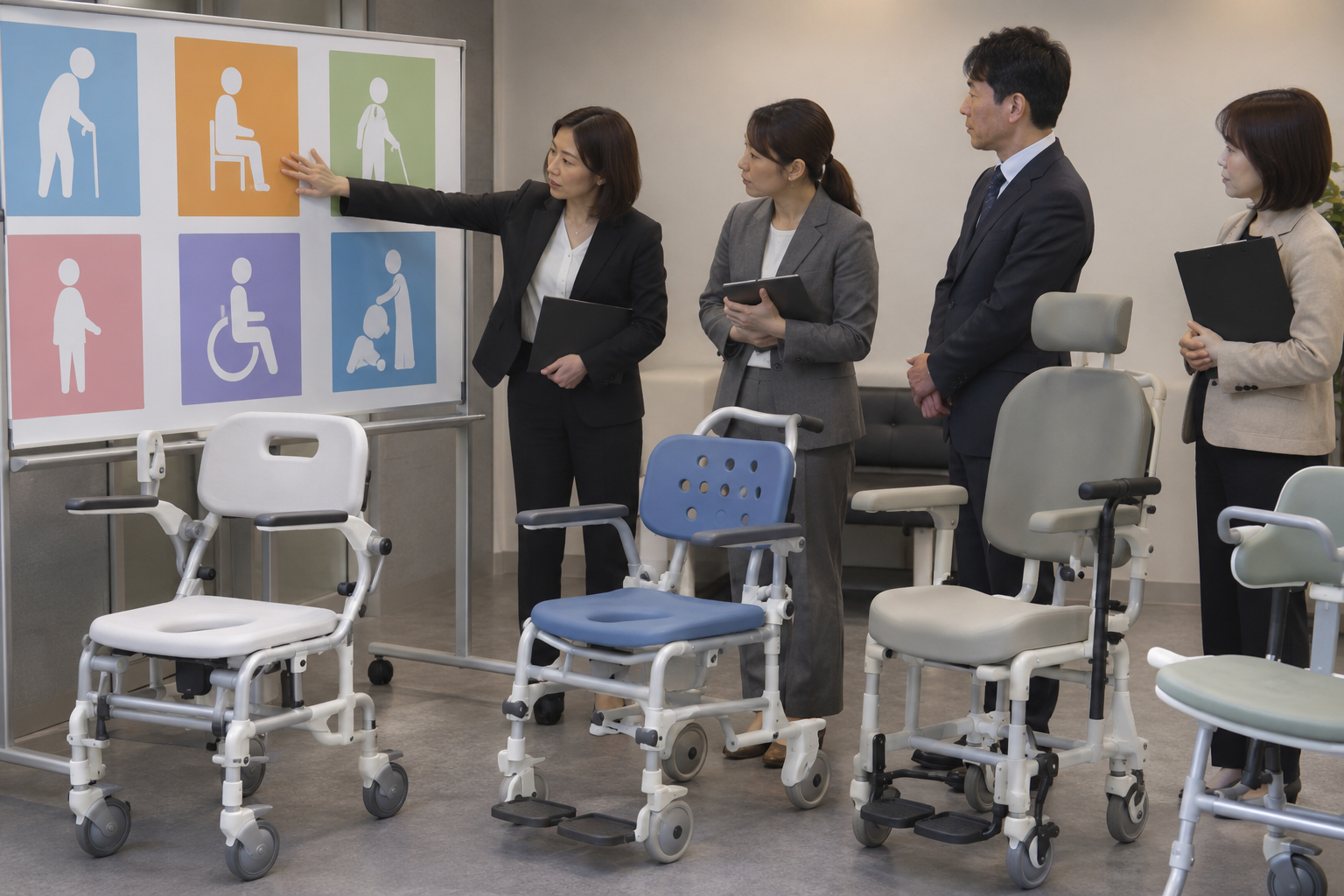
When segmenting users, group by bathing task, support, transfer route, size, assistance, and limits. Collect only the functional information needed for equipment selection.
Individual fit remains with qualified care staff.
For a related reference, see bathing-chair buyer guide.
4. How Should Rooms Be Mapped?
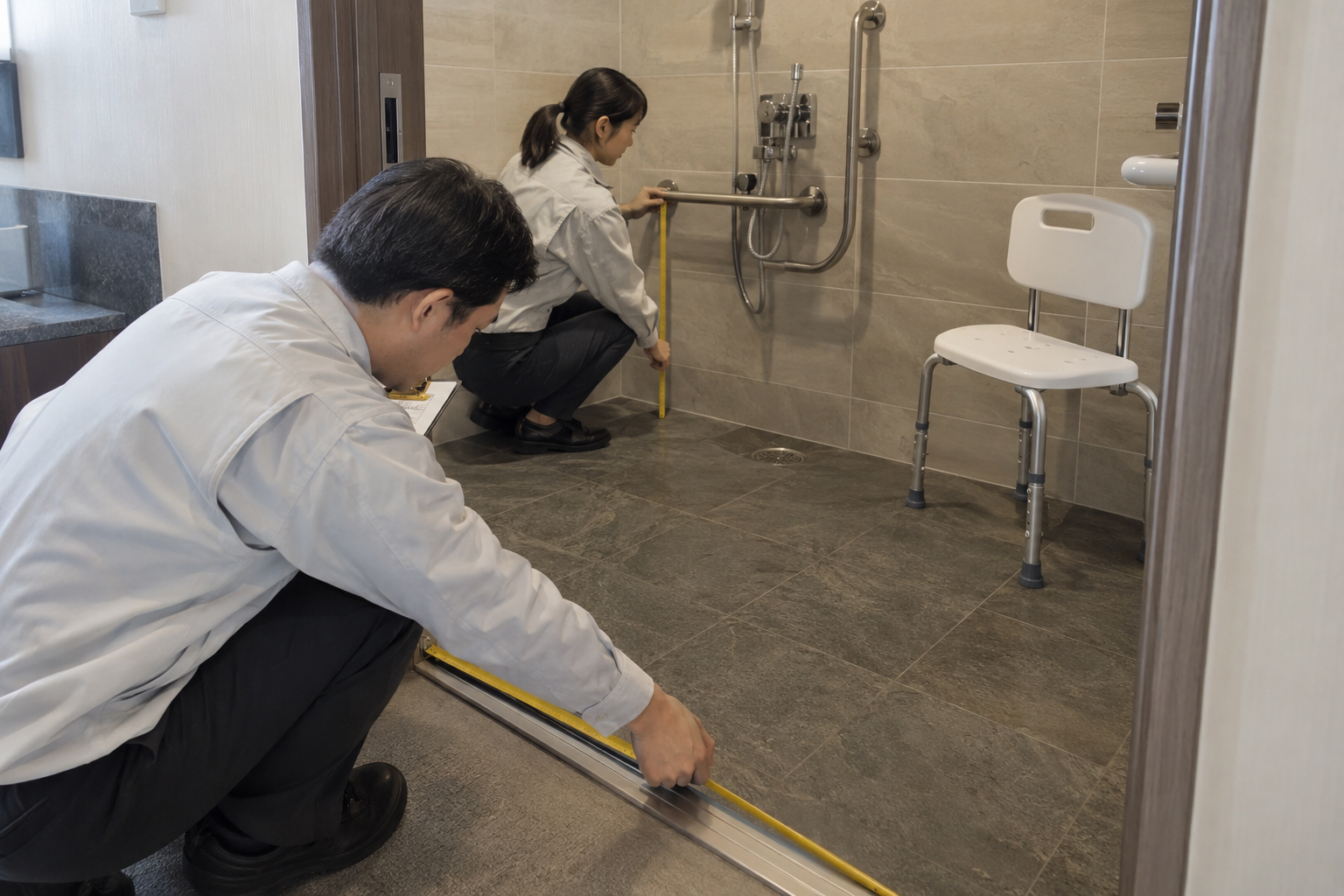
For each room, measure doorways, floors, tubs, thresholds, drains, controls, storage, turning space, and caregiver space. Group rooms only when the relevant constraints match.
Test the most restrictive room in each group.
5. What Hygiene Work Must Be Planned?
For shared use, define collection, cleaning, disinfection, drying, check, storage, and release. Product features should support access to seams, feet, tubes, and undersides.
Run a complete turnover cycle on a sample.
For a related reference, see bath and commode-chair guide.

6. Which Staff Tasks Need a Trial?
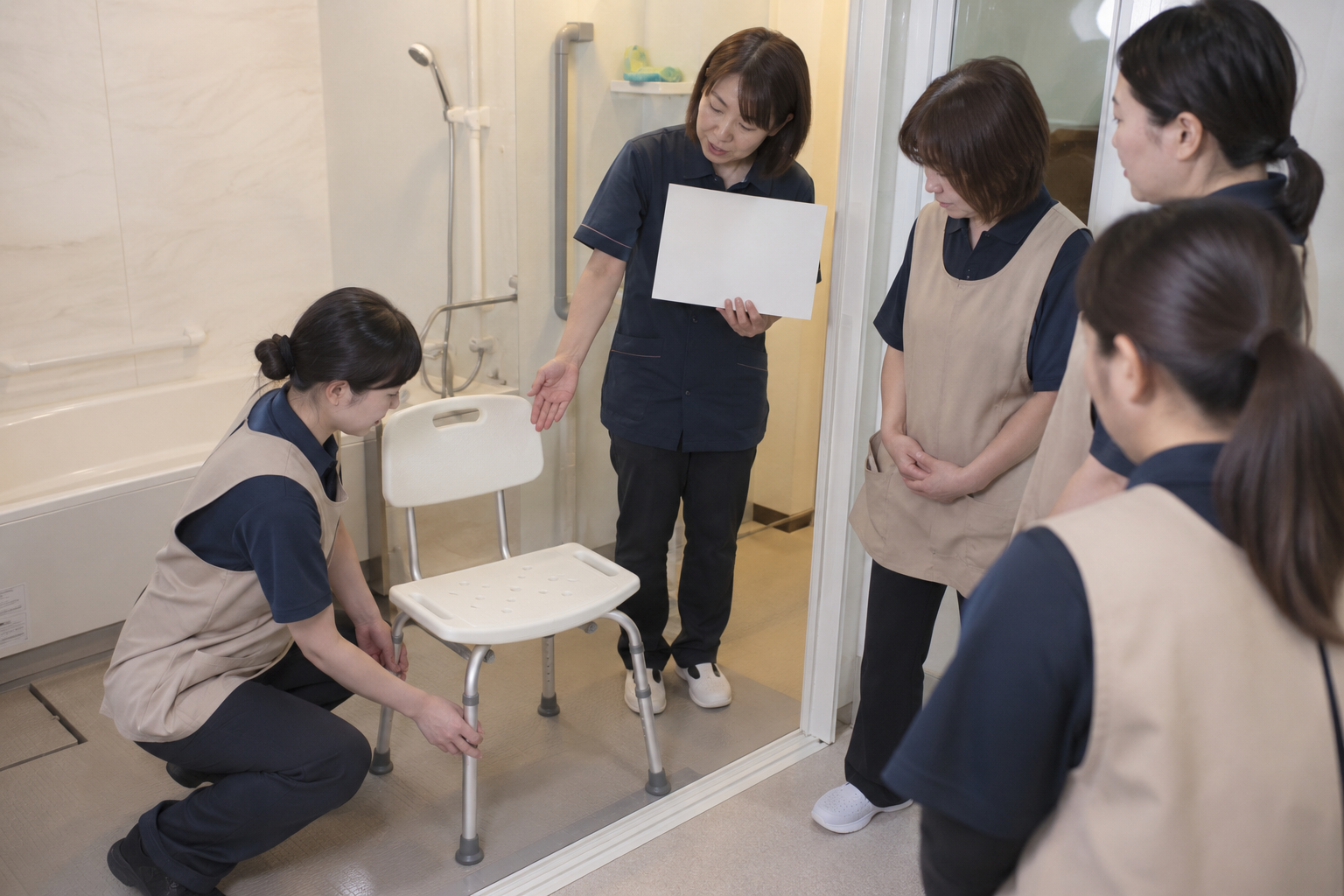
During a staff trial, observe setup, setting, placement, transfer support, cleaning, storage, check, and defect reporting.
Record two-person tasks, awkward reaches, training needs, and stop rules.
For a related reference, see folding bath chair.
7. Which Evidence Should Be Matched?
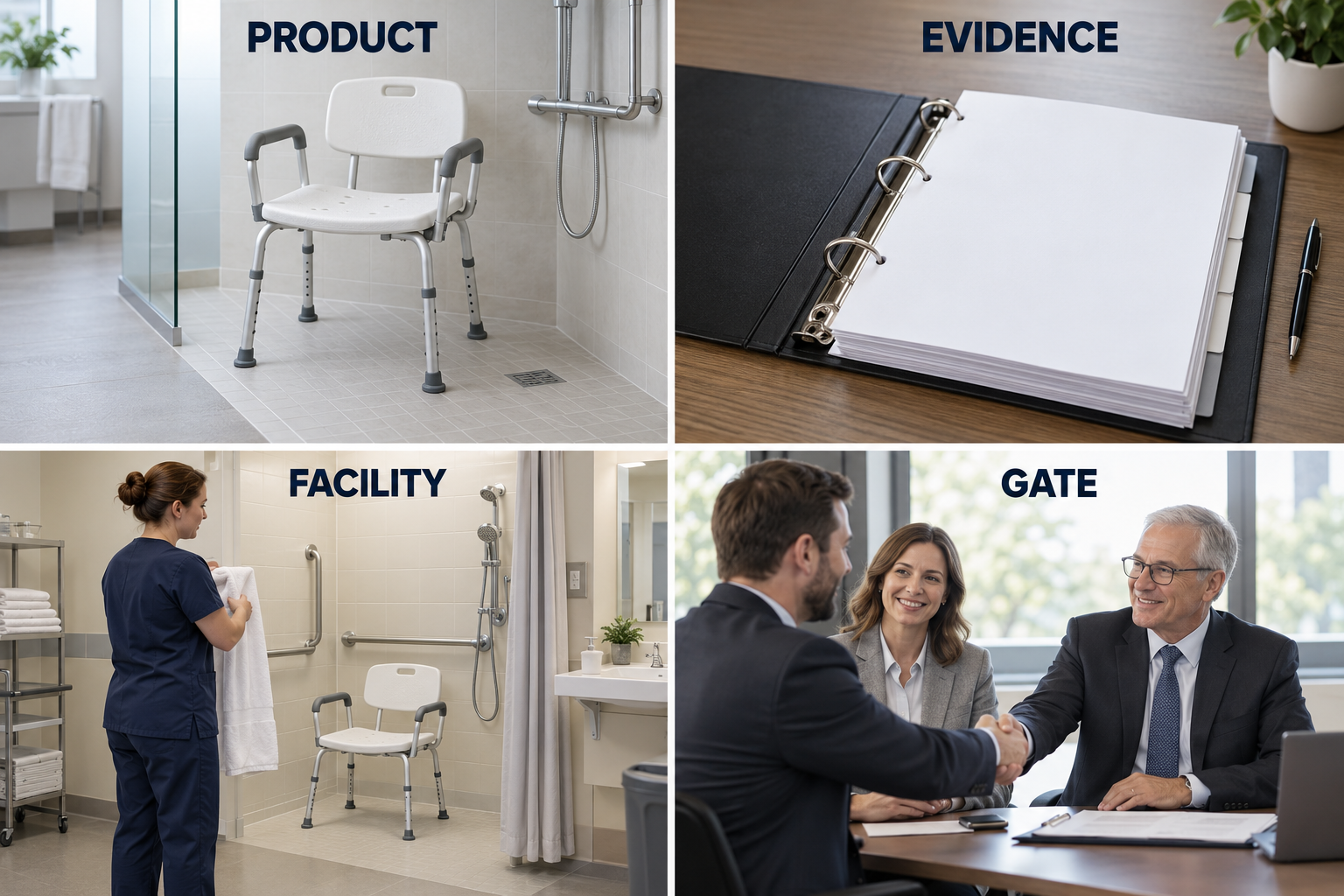
Before approval, align drawings, materials, reports, manuals, labels, parts, and sample with one model version. Facility policies and room maps need separate approval.
Keep each evidence gap assigned to an owner.
For a related reference, see white bath chair.
8. How Should Samples Be Tested?
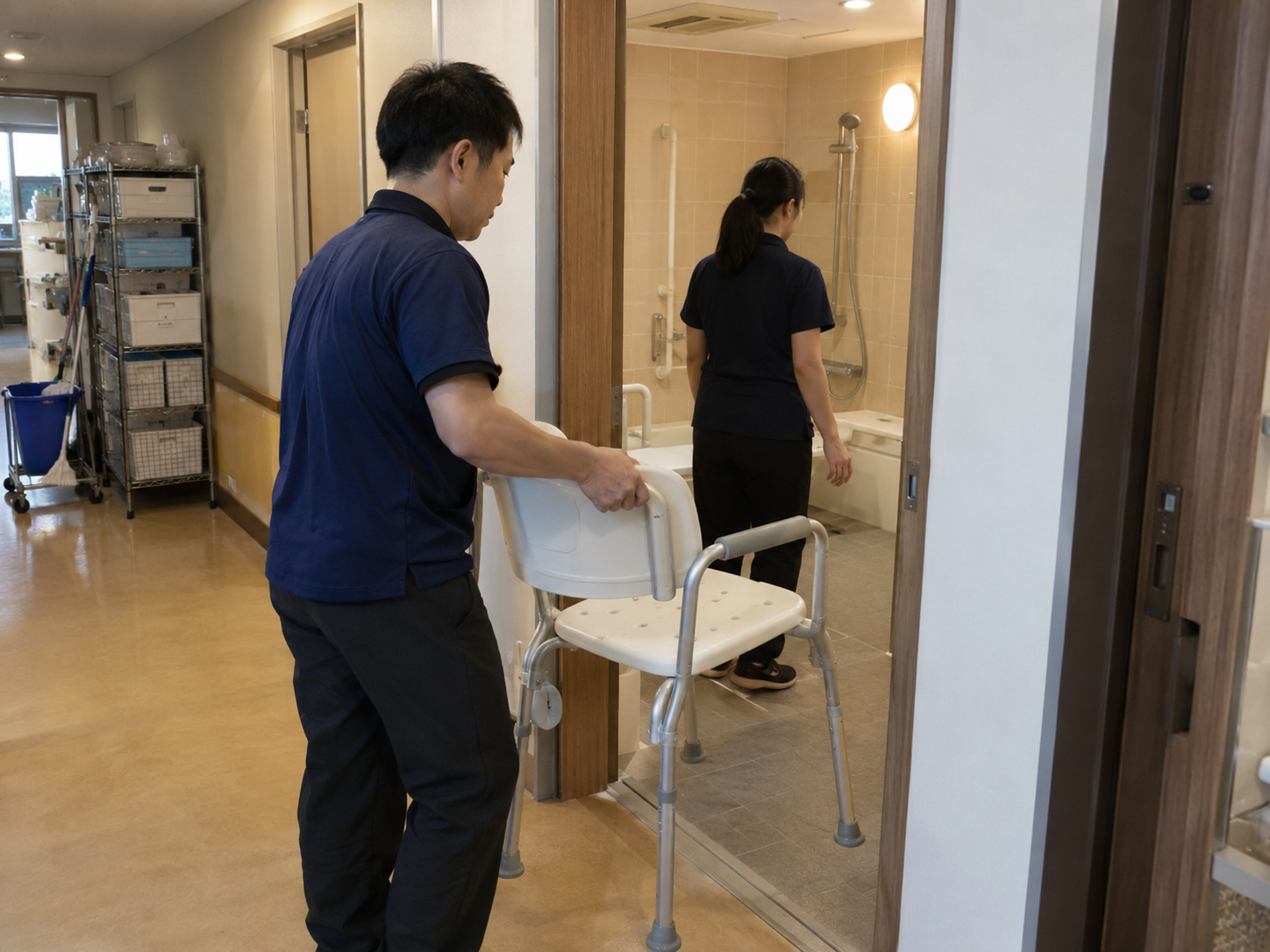
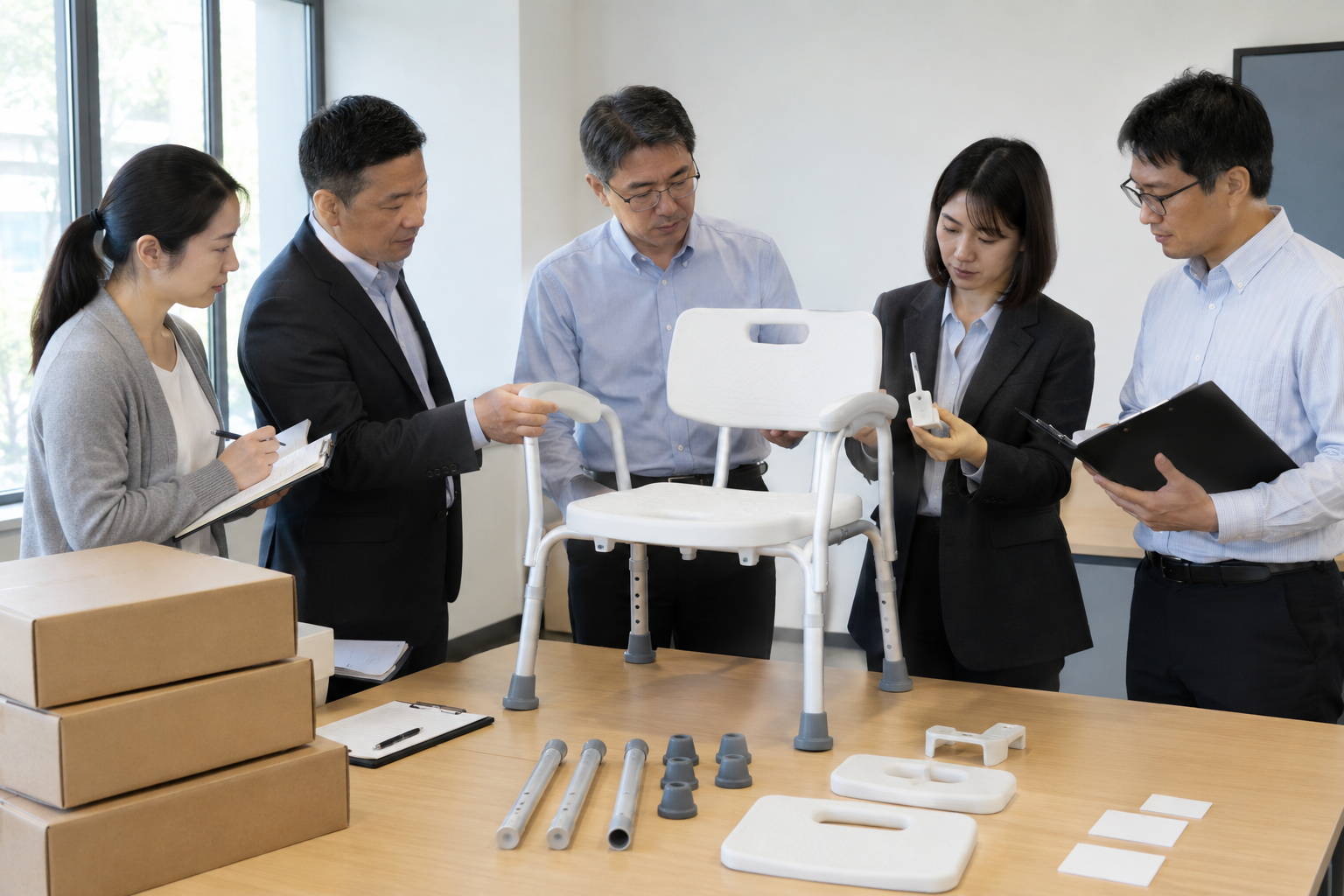
At the sample stage, test delivery, placement, room fit, task workflow, cleaning, drying, storage, and service access.
Close critical findings before using a sample to approve a fleet.
9. How Should Lifecycle Costs Be Compared?
For lifecycle cost, compare product, freight, receiving, storage, cleaning, training, parts, repairs, downtime, and replacement.
Keep uncertain estimates visible and separate from mandatory gates.
For a related reference, see toilet-chair range.

10. What Belongs in the Contract?
Attach the approved setup, evidence, sample record, cleaning and training requirements, parts, support, approval checks, and change notice.
After a product change, control substitutions before shipment and recheck affected rooms.
For a related reference, see B2B supplier overview.
For a product or sourcing question, contact us today.
Frequently Asked Questions
Can one shower-chair model serve every facility user?
Usually not. User tasks, sizes, support needs, transfer routes, rooms, cleaning, and staff workflows can require more than one controlled product family.
What’s the best way to group bathrooms for buying?
Group rooms by verified constraints such as doorway, floor, threshold, fixtures, controls, storage, and caregiver space. Test the most restrictive typical room in each group.
How do I know whether a sample reflects staff workload?
Observe trained everyday staff through setup, route, use simulation, cleaning, drying, storage, and check without unusual supplier assistance. Record time, errors, awkward tasks, and two-person needs.
Can a low unit price reduce total facility cost?
Yes, but only when the setup also meets non-price gates and the comparison includes freight, setup, labor, training, parts, repairs, downtime, and replacement assumptions.
How should facilities control supplier changes?
Require advance written notice, affected fields, updated evidence, sample review where needed, facility-impact review, approval authority, and revised receiving checks before shipment.