
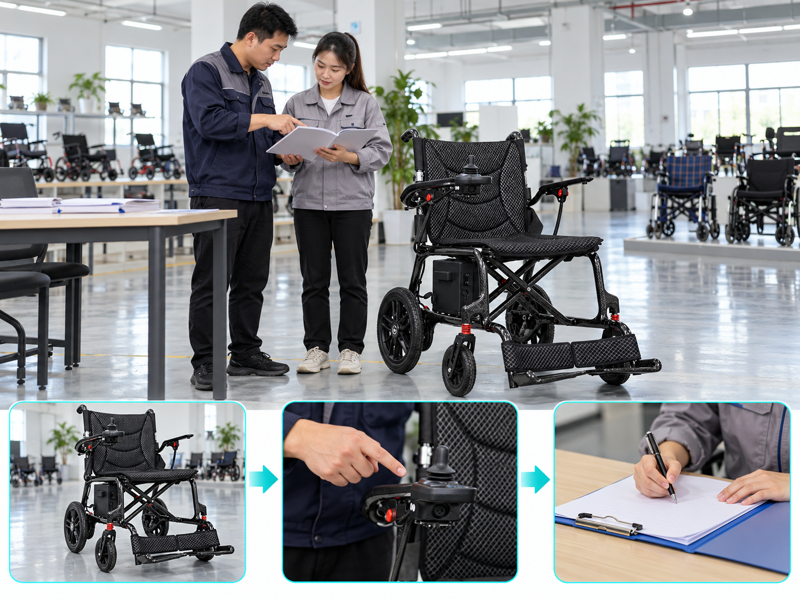
Plan power chair staff training by matching each staff role with the tasks it is expected to perform. A salesperson may know the features well yet be asked to solve a control fault during delivery. That gap can produce unclear advice and unapproved work. A role-based training plan defines what staff can explain, demonstrate or service and when they should seek specialist help.
How should you plan power chair staff training?
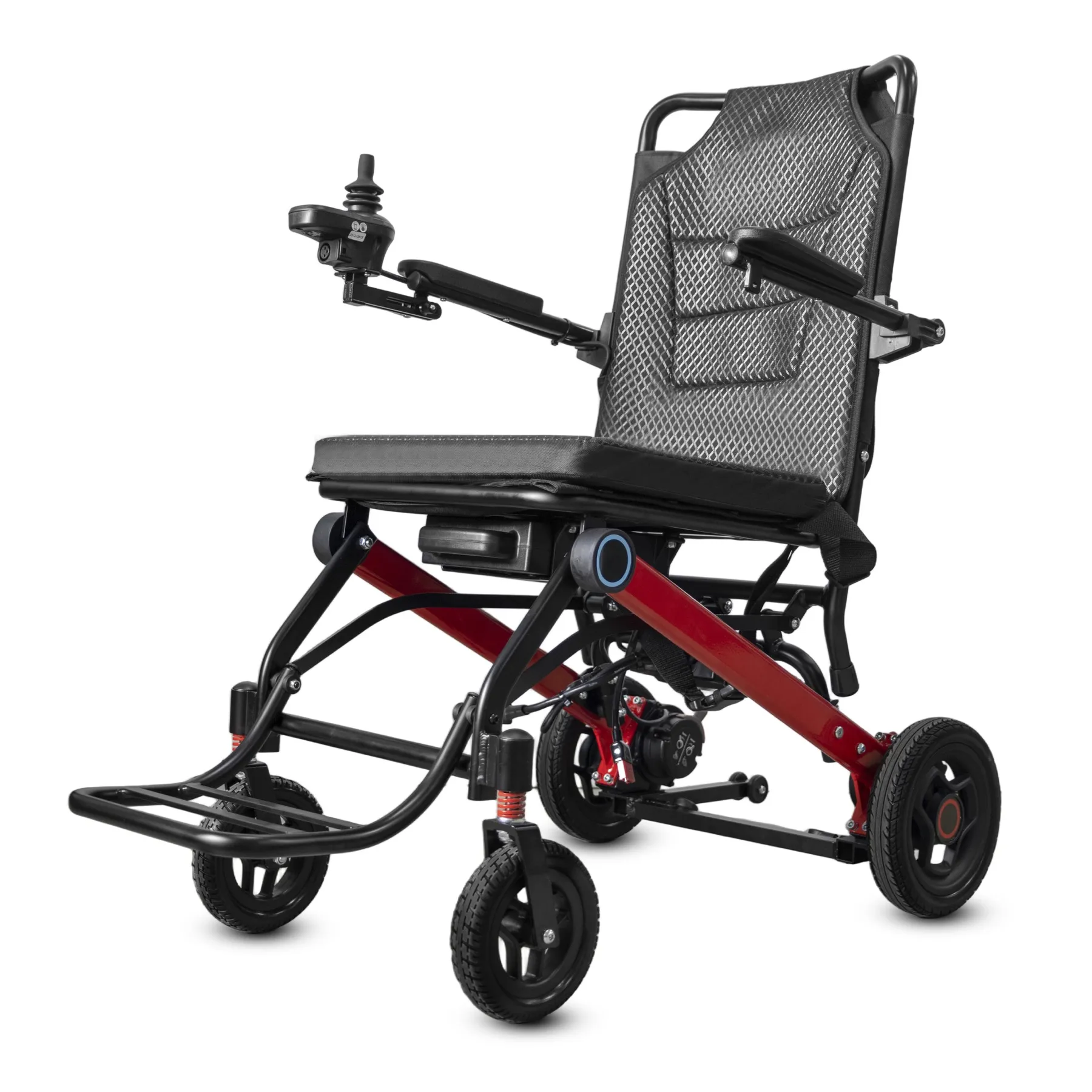
Plan power chair staff training around the tasks staff will actually perform. Sales explanations, customer handover and technical repairs need different knowledge and authority.
Define each person's task
Start with each person's job. List those roles before choosing a course or demo. If a task sits outside the team's competence, agree a referral route rather than stretching the training claim.
- List staff duties
- Define task limits
- Keep referral contacts
| Check | What to keep |
|---|---|
| List staff duties | Role schedule |
| Define task limits | Training scope |
| Keep referral contacts | Support directory |
Key Takeaway: You can train people for their actual work without implying that one session qualifies everyone for every task.
Which model details should everyone recognize?
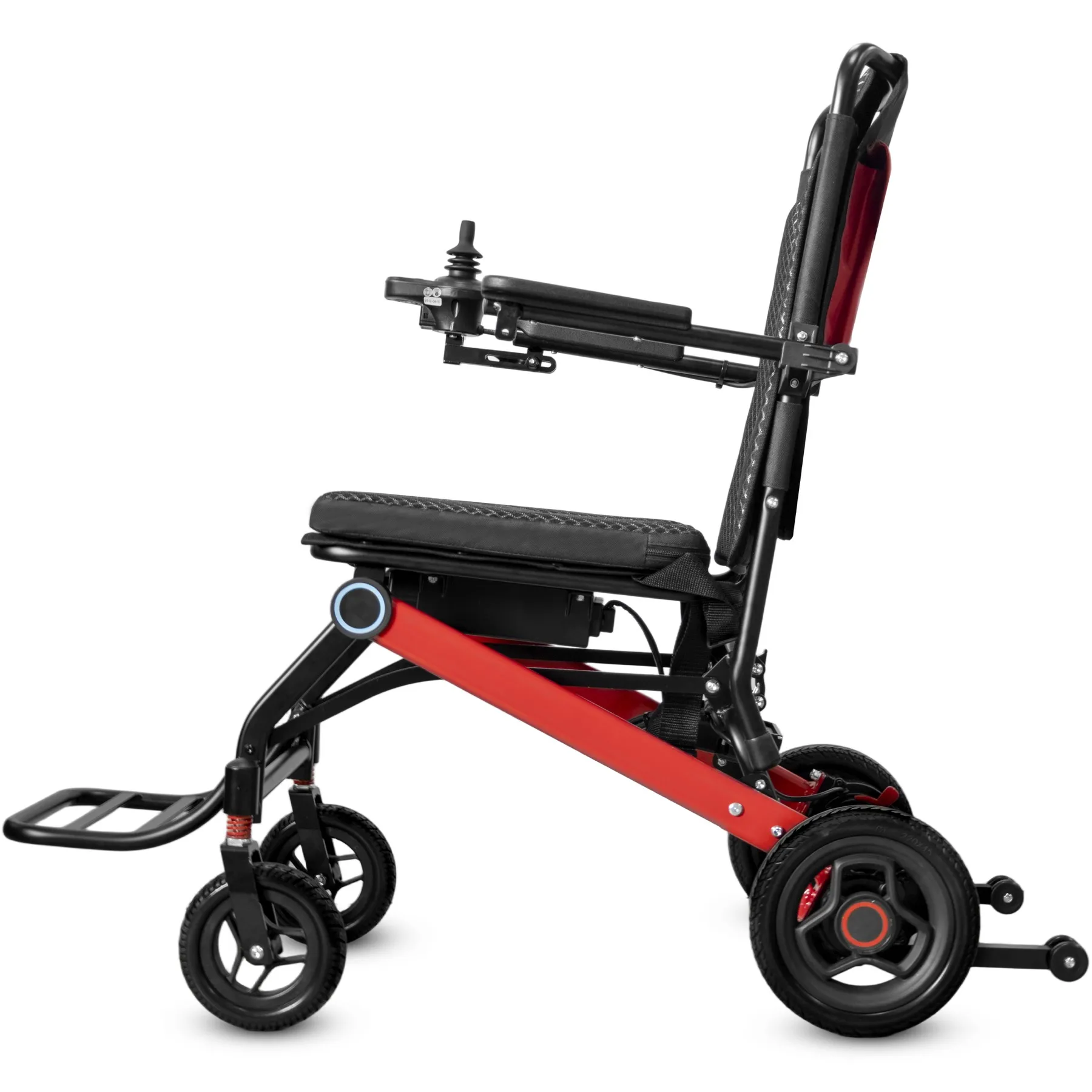
Basic power chair staff training should help staff recognize the model, controls and supplied options. Similar-looking chairs can use different instructions, so product names alone may not be enough.
Recognize the supplied version
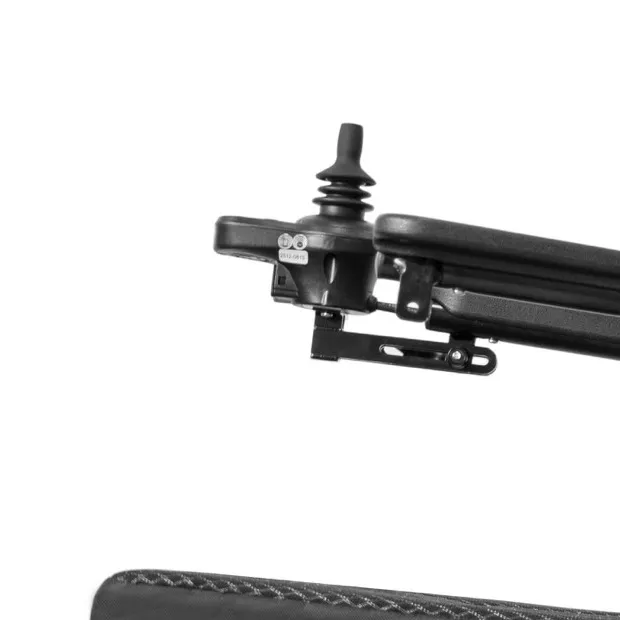
Make the supplied version clear. Use the actual chair and current documents. If a feature is optional, teach staff how to distinguish it from the base offer. Use the supplied joystick layout during model familiarization.
- Name the exact model
- Match controls and documents
- Separate optional equipment
| Check | What to keep |
|---|---|
| Name the exact model | Product record |
| Match controls and documents | Model familiarization |
| Separate optional equipment | Offer scope |
Key Takeaway: Staff can begin a customer or service conversation with the correct product version.
What should power chair staff training cover for sales?
Sales-focused power chair staff training should cover written features, included items and the limits of a sales explanation. Staff should know when a question requires technical or individual assessment.
Explain evidence-based sales claims
Keep claims within the evidence. Practice using the actual product page and quote. If a claim lacks evidence, teach staff to request clarification rather than supply a confident guess.
- Explain the offered setup
- Locate supporting facts
- Recognize referral questions
| Check | What to keep |
|---|---|
| Explain the offered setup | Sales brief |
| Locate supporting facts | Current product files |
| Recognize referral questions | Escalation guide |
Key Takeaway: Your team can answer clearly while leaving unresolved product or suitability questions with the right reviewer.
How should operating instruction be taught?
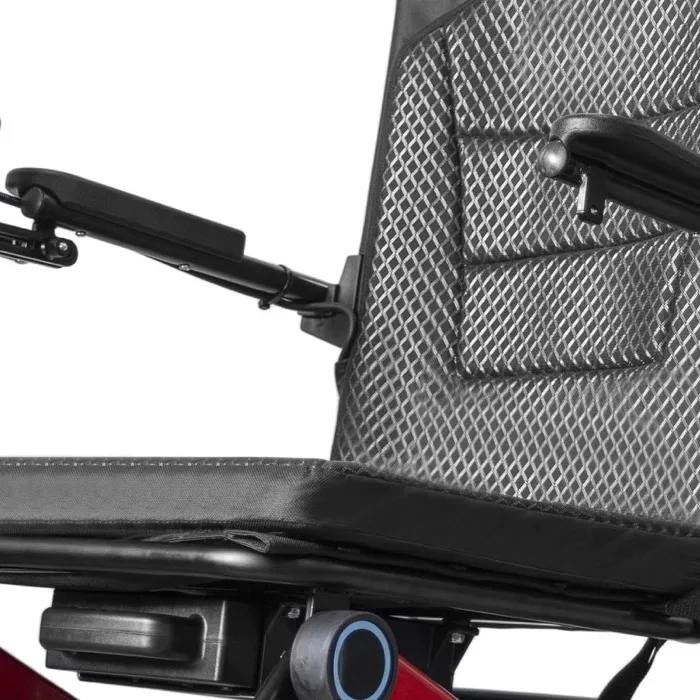
Operating elements of power chair staff training should follow the model instructions and suit the staff member's assigned role. Watching a short product clip does not establish practical competence.
Use trained operating instruction
Match instruction with the assigned task. Use a qualified trainer for the relevant activity. If the task involves users, include suitable assessment and supervision within the service process.
- Use current instructions
- Name the suitable trainer
- Define assessed tasks
| Check | What to keep |
|---|---|
| Use current instructions | Model manual |
| Name the suitable trainer | Training record |
| Define assessed tasks | Competence scope |
Key Takeaway: Training can connect knowledge with the permitted task instead of relying on attendance alone.
How should power chair staff training support handover?
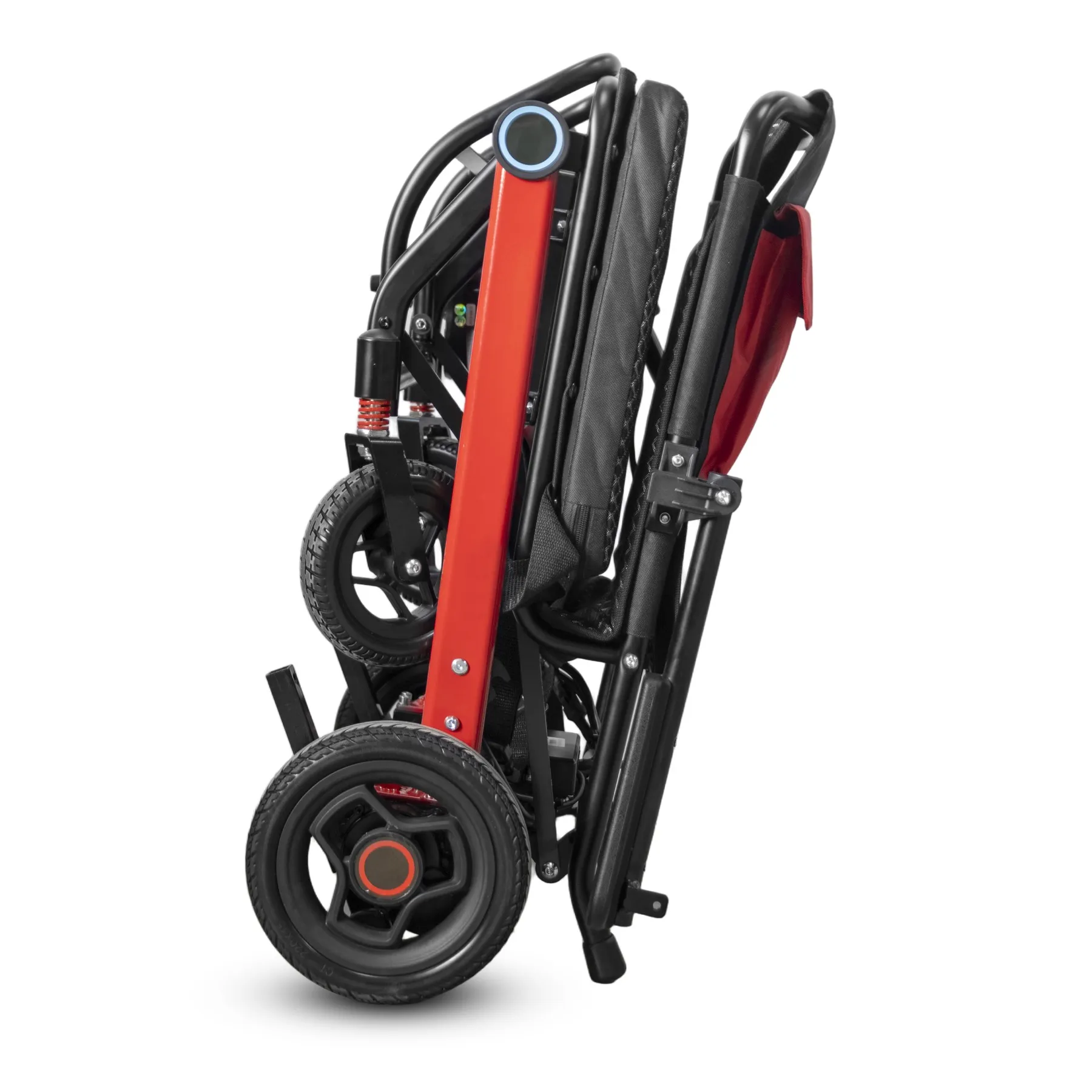
Handover power chair staff training should cover the agreed setup, user guidance, routine-care boundaries and routes for support. Staff need a way to recognize when a customer requires more help.
Prepare staff for handover
Prepare staff for real questions. Adapt the service to the user's needs through suitably trained personnel. Keep the product explanation consistent with the supplied documents and assessed setup. Keep training aligned with approved instructions.
- Explain the supplied chair
- Provide usable details
- Record support questions
| Check | What to keep |
|---|---|
| Explain the supplied chair | Handover brief |
| Provide usable details | Approved user material |
| Record support questions | Follow-up plan |
Key Takeaway: Your handover staff can explain the product and arrange further help without making unsupported clinical decisions.
Who should provide power chair staff training for repairs?
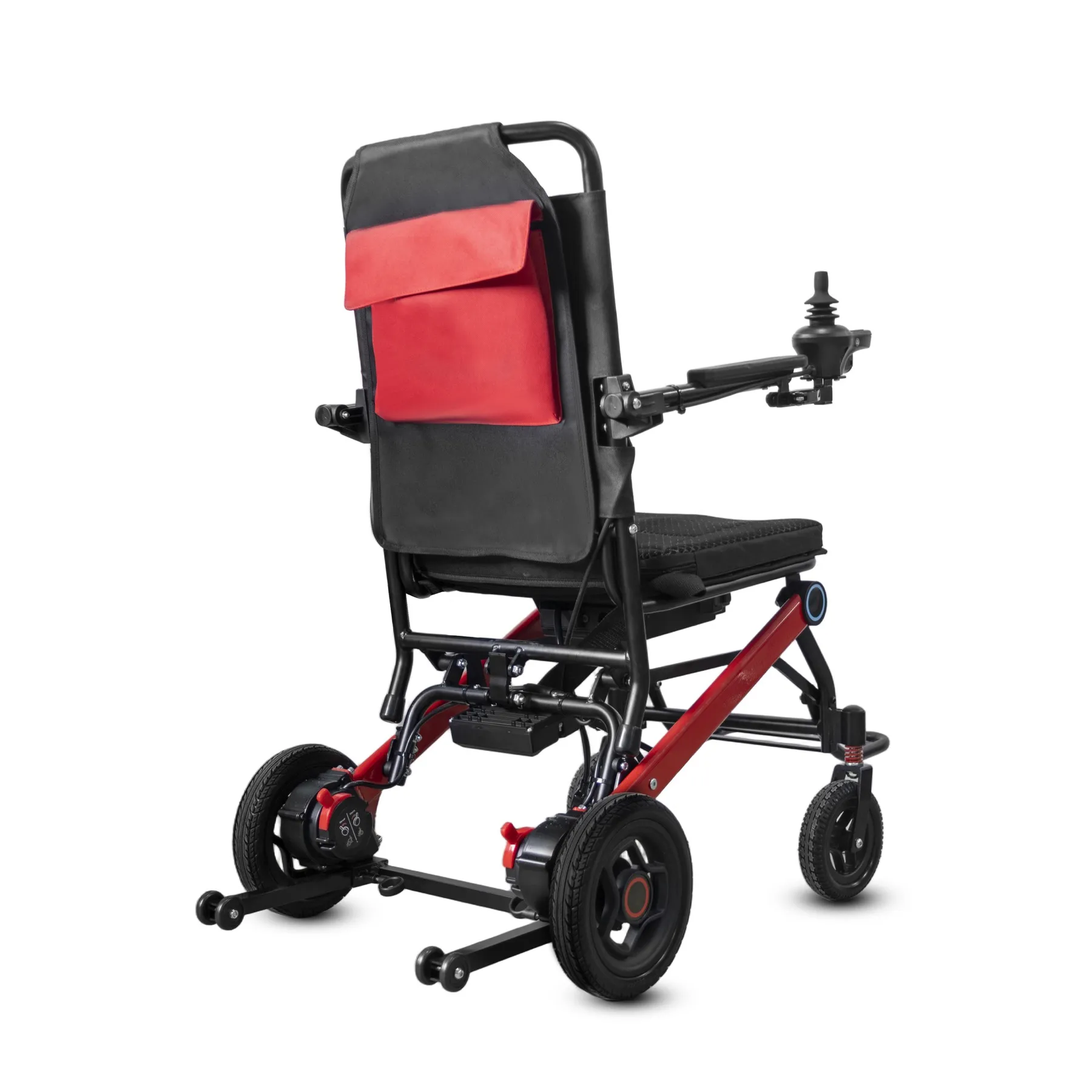
Qualified technical trainers should provide repair-related power chair staff training within a defined service scope. General product familiarity does not permit opening batteries, changing controls or fitting unapproved parts.
Define technical repair training
Match technical training with the work. Ask the supplier which tasks its training covers. If specialist tools or approval are required, keep those conditions visible in the service role.
- Define permitted service work
- Confirm trainer competence
- Record required tools and approval
| Check | What to keep |
|---|---|
| Define permitted service work | Technical scope |
| Confirm trainer competence | Training evidence |
| Record required tools and approval | Service conditions |
Key Takeaway: Your team knows which work it may perform and which work needs referral.
How should competence be recorded?
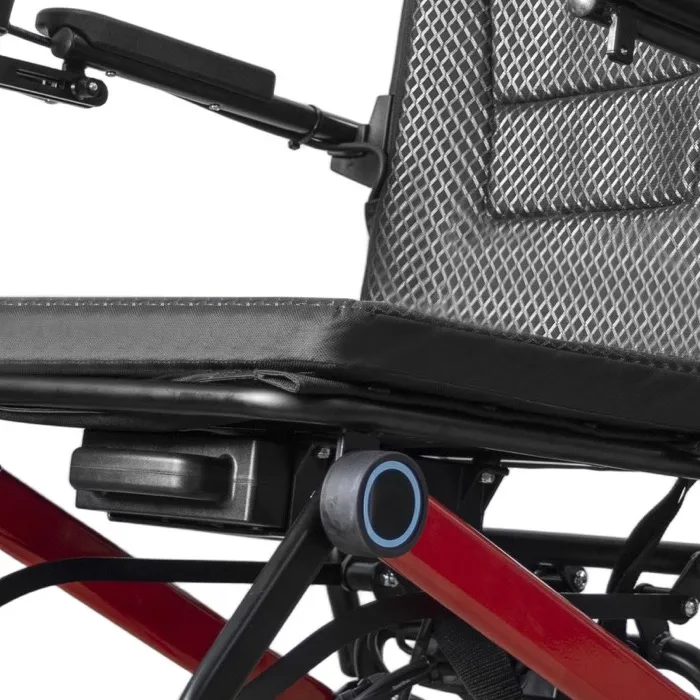
A power chair staff training record should show the model, tasks, trainer and outcome of the agreed assessment. Attendance alone says someone was present, not that every task was demonstrated correctly.
Record demonstrated competence
Record what was demonstrated. Keep any limits or follow-up needs with the record. If staff have not completed an activity, mark it as open rather than implying full competence.
- Name the trained model
- Record assessed tasks
- List remaining needs
| Check | What to keep |
|---|---|
| Name the trained model | Course scope |
| Record assessed tasks | Competence evidence |
| List remaining needs | Follow-up actions |
Key Takeaway: Managers can assign work using evidence of the task completed rather than a broad training label.
When should power chair staff training be refreshed?
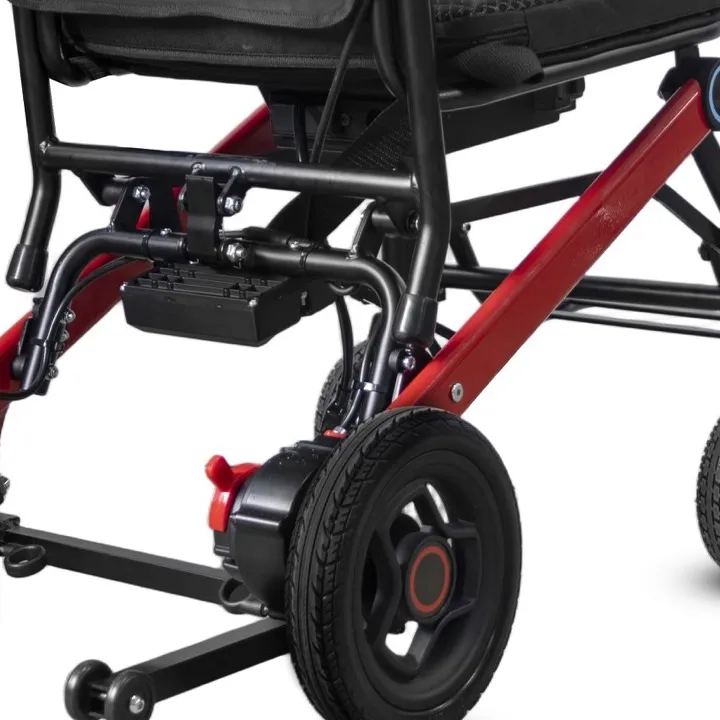
Refresh power chair staff training when model changes, new tasks or observed gaps make earlier instruction incomplete. Do not assume one fixed interval suits every role and product.
Refresh training after changes
Review changes and gaps. Use the organization's training policy and relevant model guidance. If a service case reveals confusion, address the exact issue and record the follow-up. Connect delivery training with a recorded handover.
- Review model changes
- Check observed gaps
- Record targeted refreshers
| Check | What to keep |
|---|---|
| Review model changes | Update notices |
| Check observed gaps | Supervisor notes |
| Record targeted refreshers | Training history |
Key Takeaway: You can keep skills current without repeating an unrelated generic course.
How should training materials be controlled?
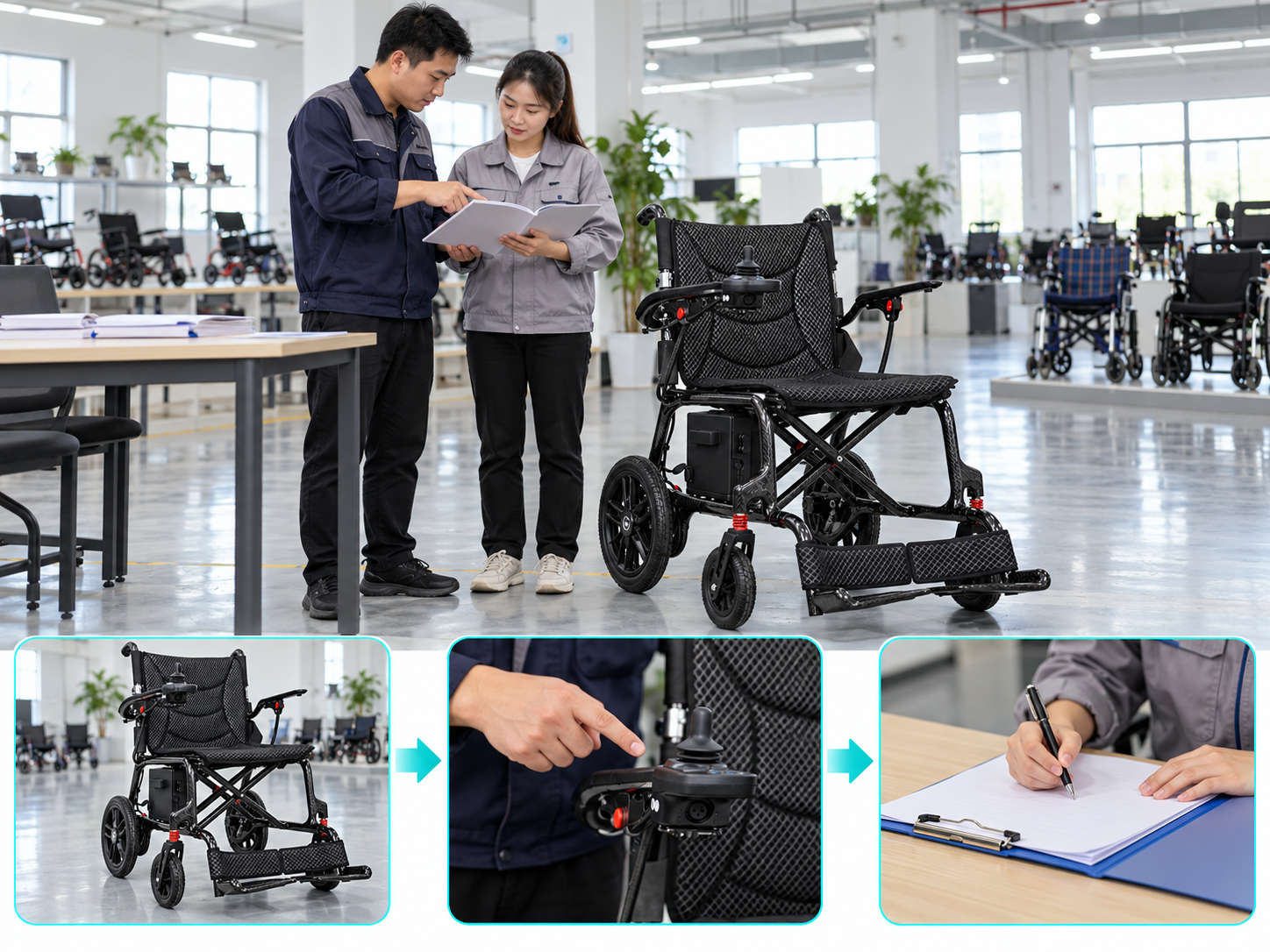
Control power chair staff training materials so staff use the right manual, video and task sheet. Old downloads can survive long after a model or service process changes.
Control the current materials
Keep the current files available. Name the owner of each material set. If files are revised, remove superseded copies from active use and tell affected staff what changed. WHO wheelchair guidance supports individual assessment and trained service provision.
- Name the source version
- Assign an update owner
- Notify affected staff
| Check | What to keep |
|---|---|
| Name the source version | Training file register |
| Assign an update owner | Document role |
| Notify affected staff | Change communication |
Key Takeaway: Your training process stays aligned with the products and instructions currently supplied.
What belongs in a power chair staff training brief?
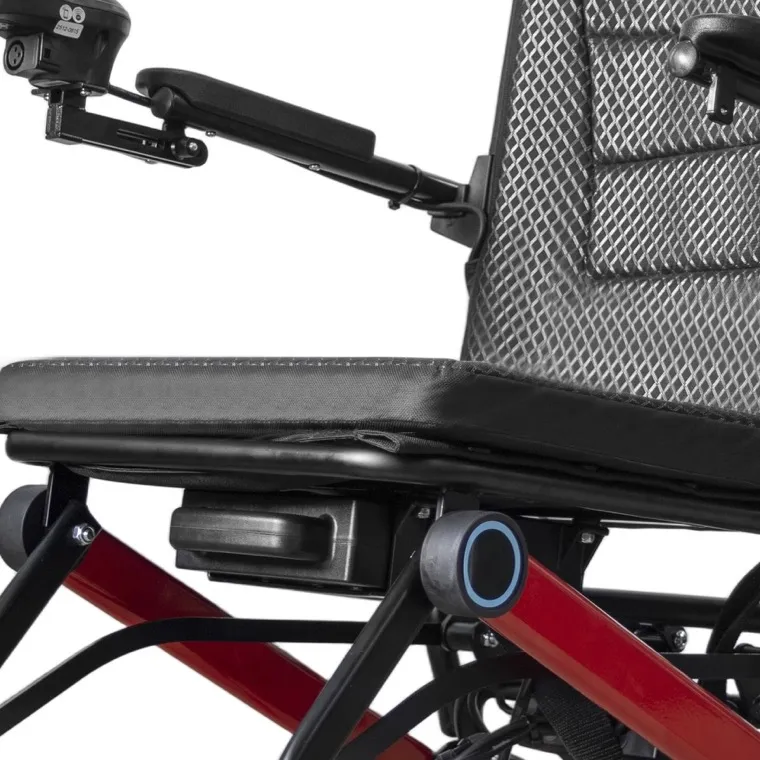
Send a power chair staff training request with the models, staff roles and tasks that need support. Ask what the training covers, how competence is checked and which activities remain outside scope.
Prepare a role-based training brief
Ask for a defined outcome. Keep the resulting limits in job assignments. Arrange separate user assessment or specialist service support where the task requires it.
- List staff and tasks
- Define the expected outcome
- Confirm ongoing support
| Check | What to keep |
|---|---|
| List staff and tasks | Training brief |
| Define the expected outcome | Assessment scope |
| Confirm ongoing support | Referral plan |
Key Takeaway: You can build a useful training plan with clear roles, evidence and routes for further help. Contact us with your model and order brief so we can discuss the required product information. AryMD supports wheelchair buying decisions built on clear, model-specific facts.
Frequently asked questions
Q1: Can one product session qualify staff for every task?
No. Sales, user handover and technical service require different skills and authority.
Q2: What's the best starting point for a training plan?
List actual staff tasks and models. Then name the skills, documents and supervision each task needs.
Q3: How do I know if attendance proves competence?
It does not on its own. Record the relevant tasks assessed and any remaining limits.
Q4: Can staff learn battery repair from a general chair video?
No. Specialist service work needs suitable training and authorization within a defined scope.
Q5: Can training stay unchanged after a model revision?
Only if the revision leaves the task and instructions unchanged. Review affected materials and skills before assuming that.