
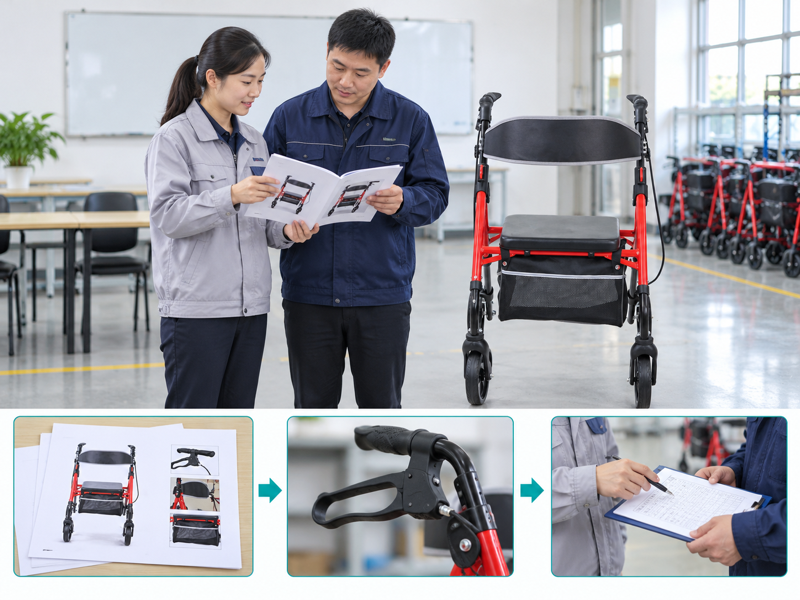
Make rollator user handover a record of the agreed device, fit details, instructions and support route. A US dealer may deliver the correct frame but leave the user unsure which guide explains its brake and fold functions. A model-specific handover pack makes the next conversation easier to resolve.
What should rollator user handover include?
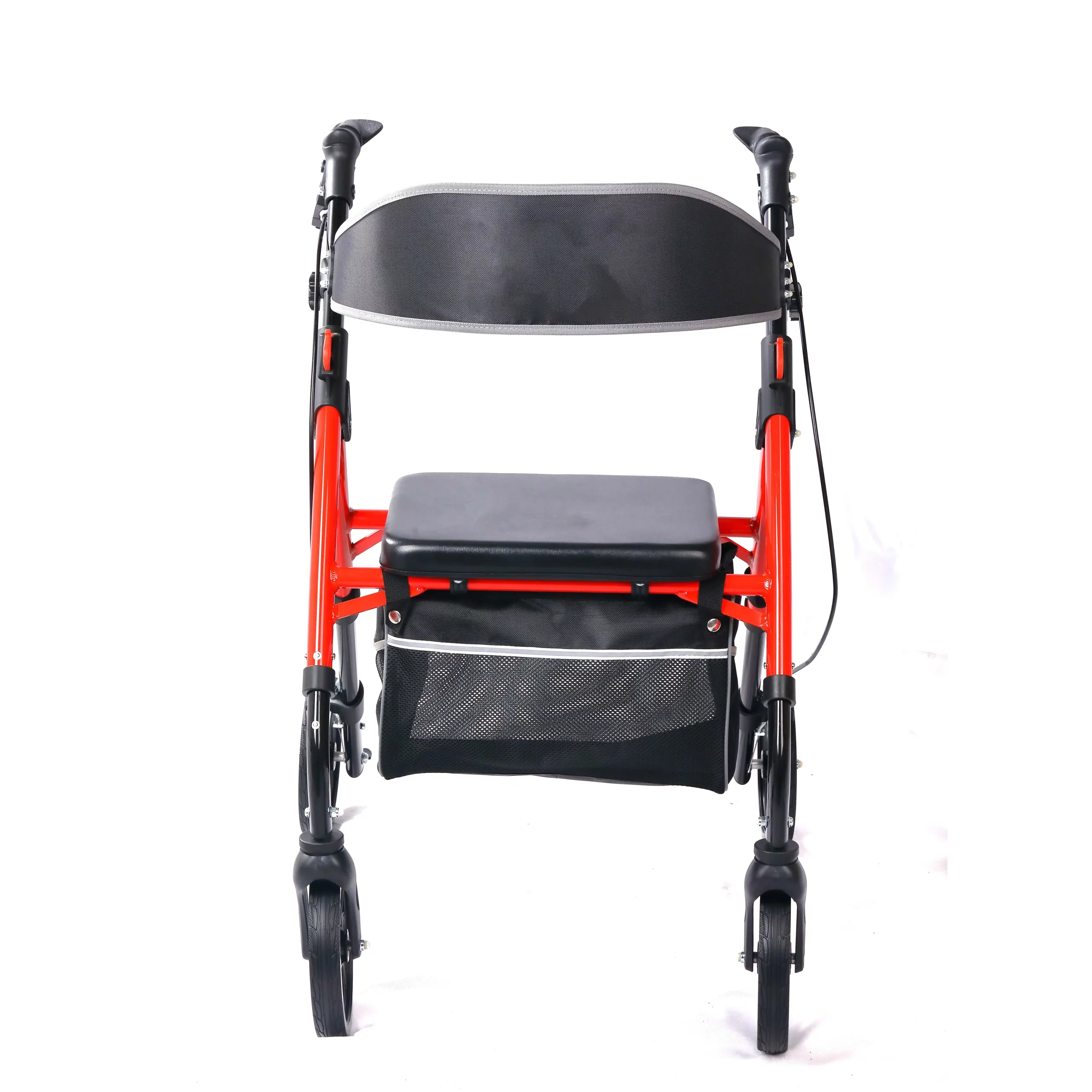
Rollator user handover should include the identified aid, approved fit details, current instructions and support contacts. A delivery signature does not show that those details reached the user.
Match the supplied aid
Hand over the agreed model and guidance. Match the unit with the accepted order and assessment outcome where relevant. Resolve a changed model or accessory before treating it as an equivalent supply.
- Unit identity
- Agreed model
- Fit details
| Check | Record or reference |
|---|---|
| Unit identity | Label |
| Agreed model | Order |
| Fit details | Assessment record |
Key Takeaway: The handover begins with the equipment that was actually selected.
Which checks belong before handover?
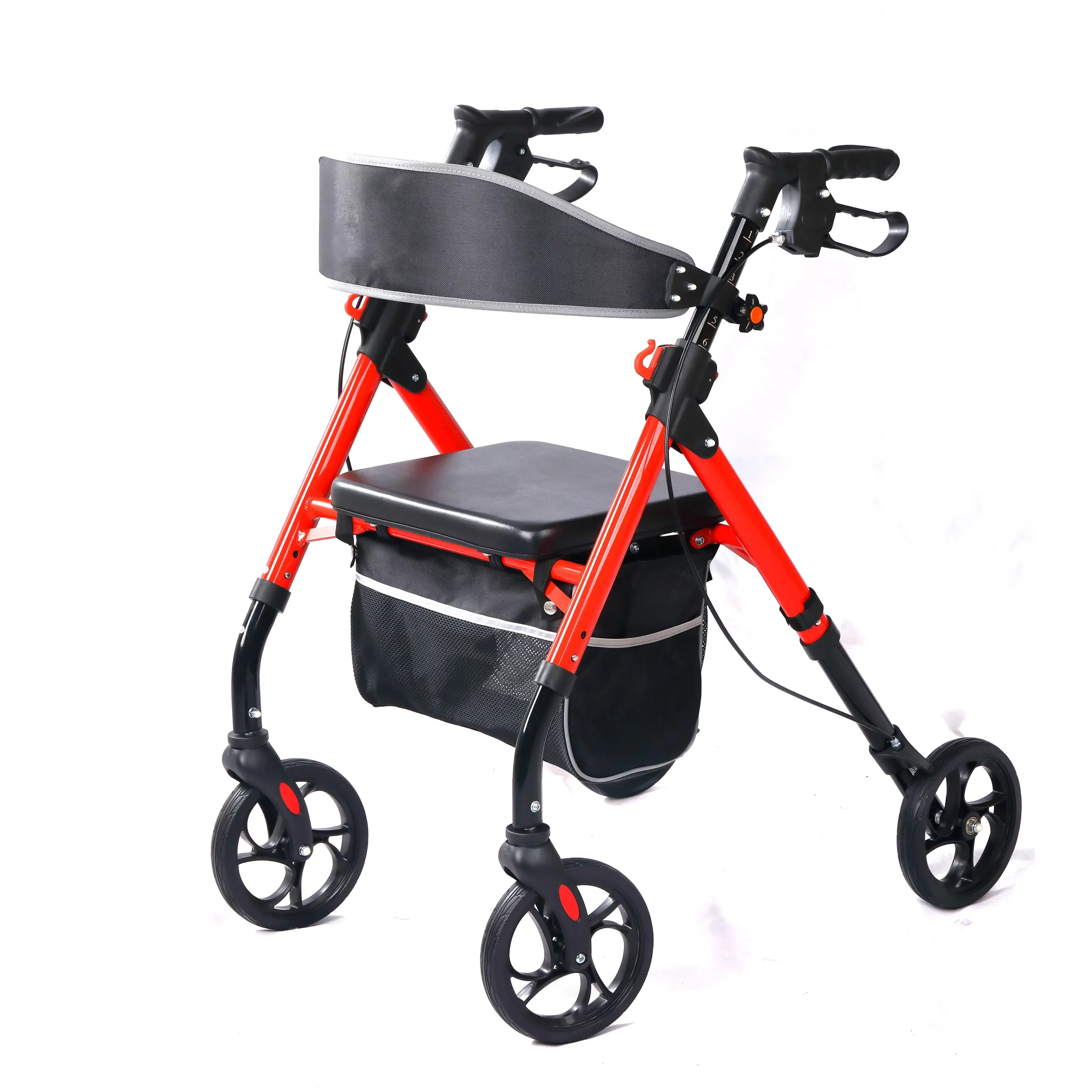
For rollator user handover, complete the model's required receiving, assembly and condition checks before dispatch or collection. A scheduled appointment does not establish product readiness.
Confirm product readiness
Confirm readiness before the appointment. Use trained staff and the current instructions. Record unresolved faults and keep affected units within the service hold process. Include the required brake checks within the preparation scope.
- Assembly status
- Condition
- Release owner
| Check | Record or reference |
|---|---|
| Assembly status | Check sheet |
| Condition | Inspection record |
| Release owner | Sign-off |
Key Takeaway: The appointment uses a unit that has completed the required review.
How should the fit setting be recorded?
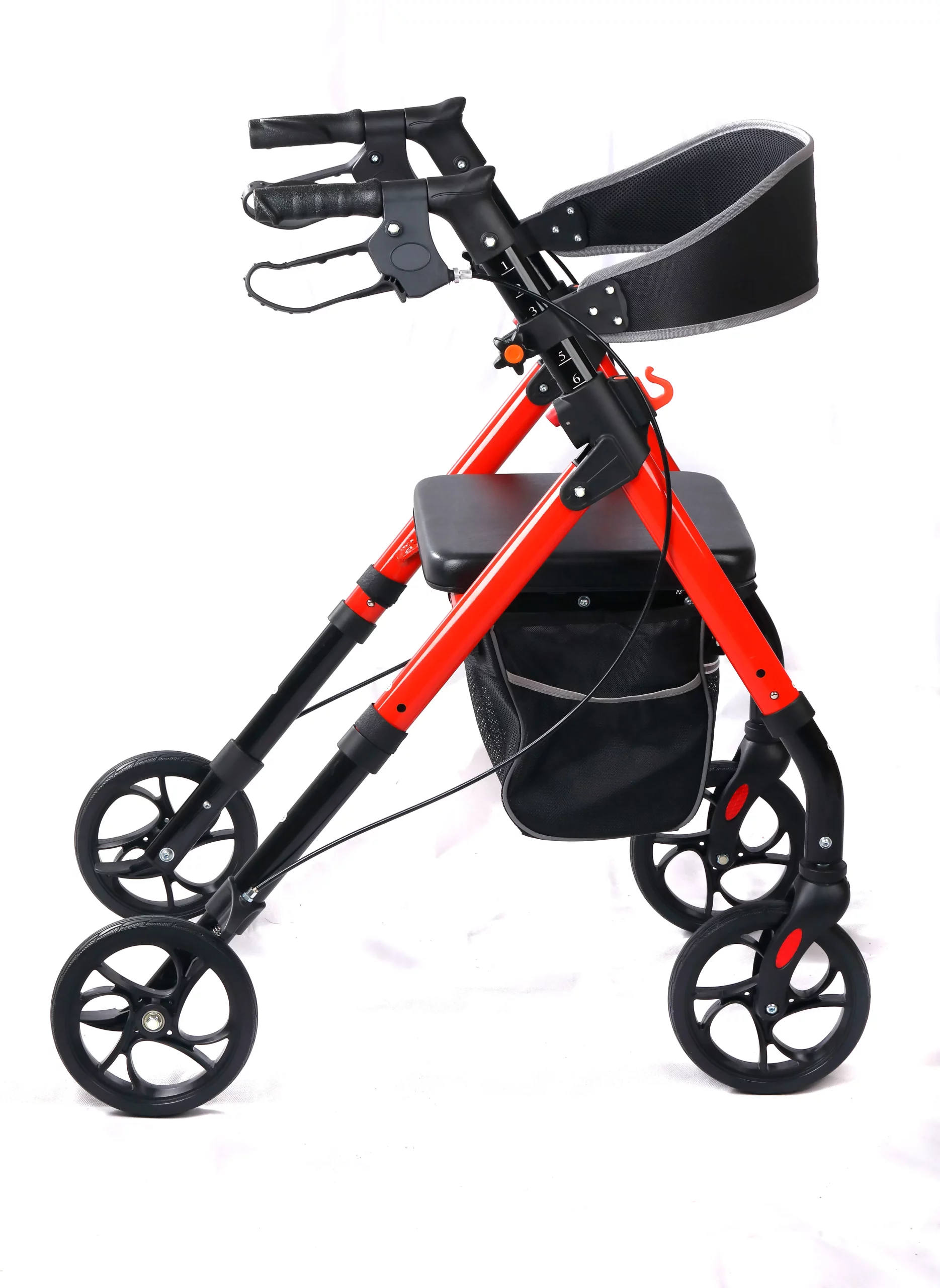
Rollator user handover should record relevant settings from the fitting process and the exact model version. A handwritten height number without a reference point can be misread later.
Record the approved fit
Preserve the approved setup. Use the maker's setting labels or a clear approved description. Refer new fit concerns to the suitable assessor rather than adjusting by habit.
- Setting reference
- Model version
- New concern
| Check | Record or reference |
|---|---|
| Setting reference | Fit record |
| Model version | ID |
| New concern | Referral |
Key Takeaway: Another staff member can understand the agreed setup.
Which controls should be explained?
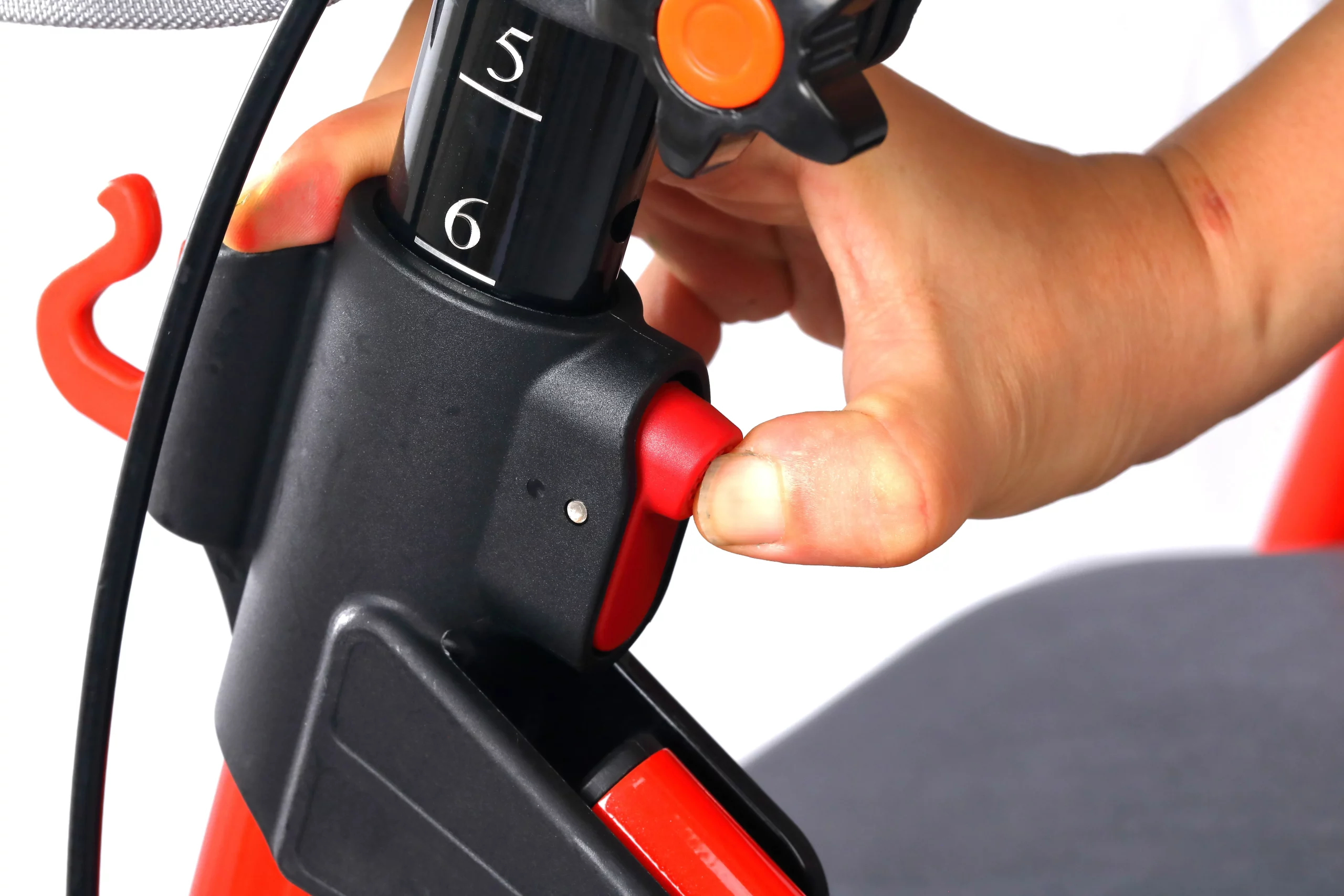
For rollator user handover, explain the controls and functions that the maker specifies within staff competence. Do not use a familiar model's brake or fold sequence for a different aid.
Use the current control guide
Use the current model instructions. Make the relevant guide available in an accessible form. Ask the suitable team to resolve any difficulty understanding or using it.
- Control guide
- Staff competence
- Unresolved need
| Check | Record or reference |
|---|---|
| Control guide | Current manual |
| Staff competence | Training record |
| Unresolved need | Support note |
Key Takeaway: The explanation matches the aid supplied.
How should the seat function be described?
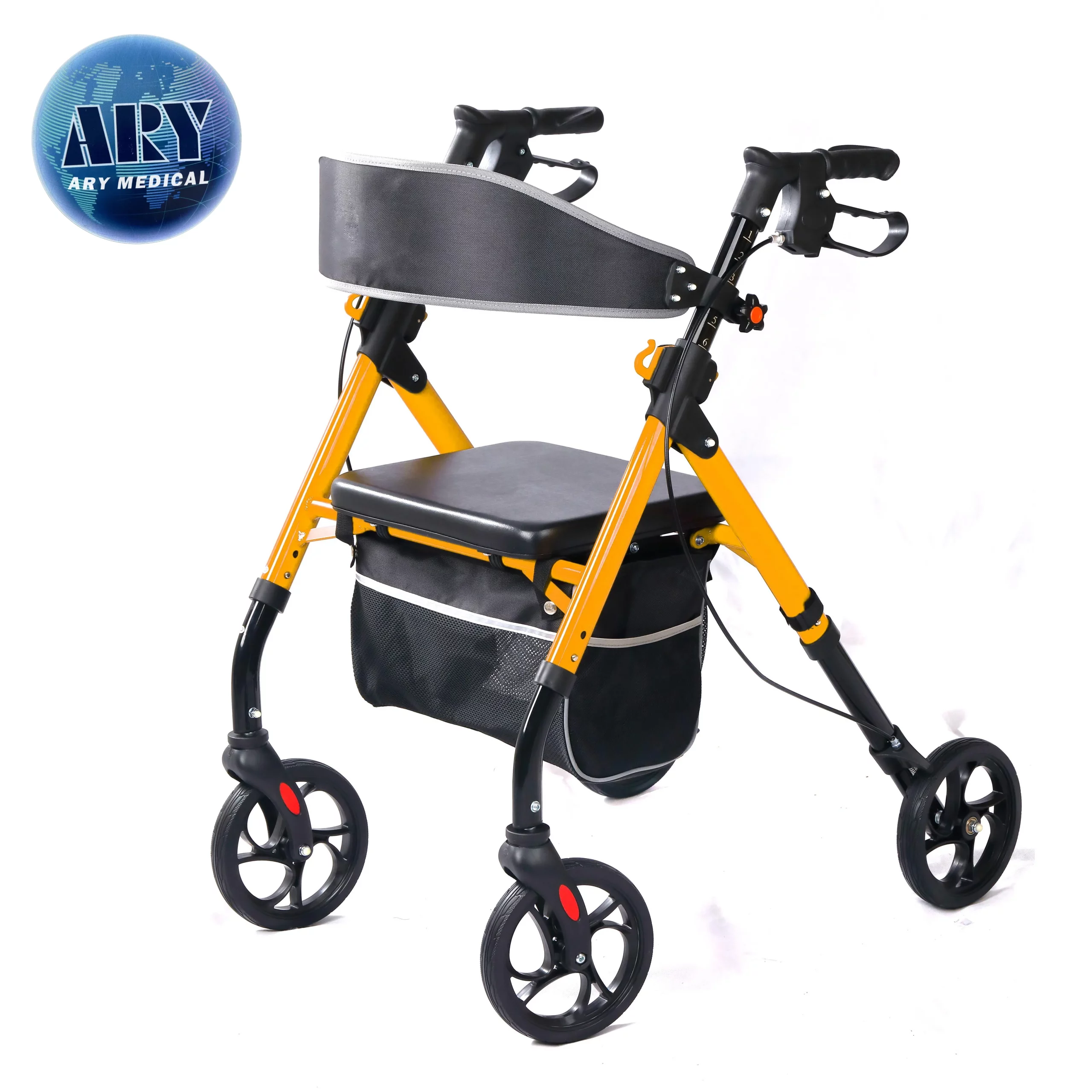
Rollator user handover should explain any supplied seat according to the model's instructions and assessed use. A resting seat must not be presented as a passenger-transport function unless the maker permits that mode.
Explain the seat's role
State the permitted purpose clearly. Keep the relevant limits with the user details. Refer personal sitting or standing questions to the responsible assessor.
- Seat purpose
- Use limits
- Personal task
| Check | Record or reference |
|---|---|
| Seat purpose | Guide |
| Use limits | Instructions |
| Personal task | Assessment |
Key Takeaway: The user can find the correct details for the seat's role.
What should the care details cover?
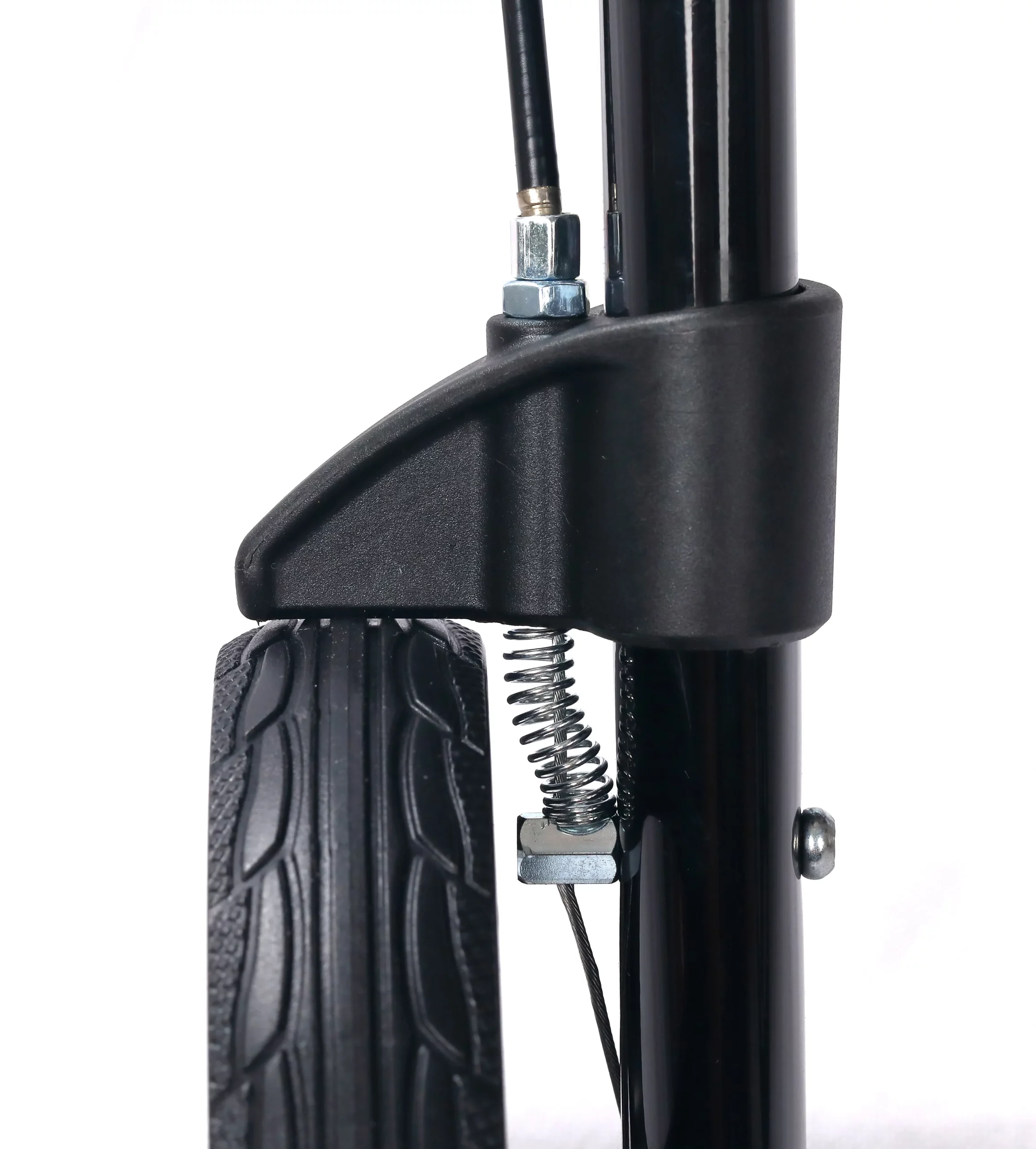
For rollator user handover, provide the approved cleaning, storage and inspection guidance. A general recommendation for another frame or brake system may not apply.
Provide model-specific care details
Keep care advice model-specific. Identify where replacement-part and service questions should go. Avoid adding unofficial cable adjustments to a brief care explanation. Use the applicable cleaning guidance when explaining routine care.
- Care guide
- Service contact
- Parts route
| Check | Record or reference |
|---|---|
| Care guide | Issued file |
| Service contact | Handover sheet |
| Parts route | Supplier details |
Key Takeaway: Routine care and technical service have clear reference points.
How should transport questions be handled?
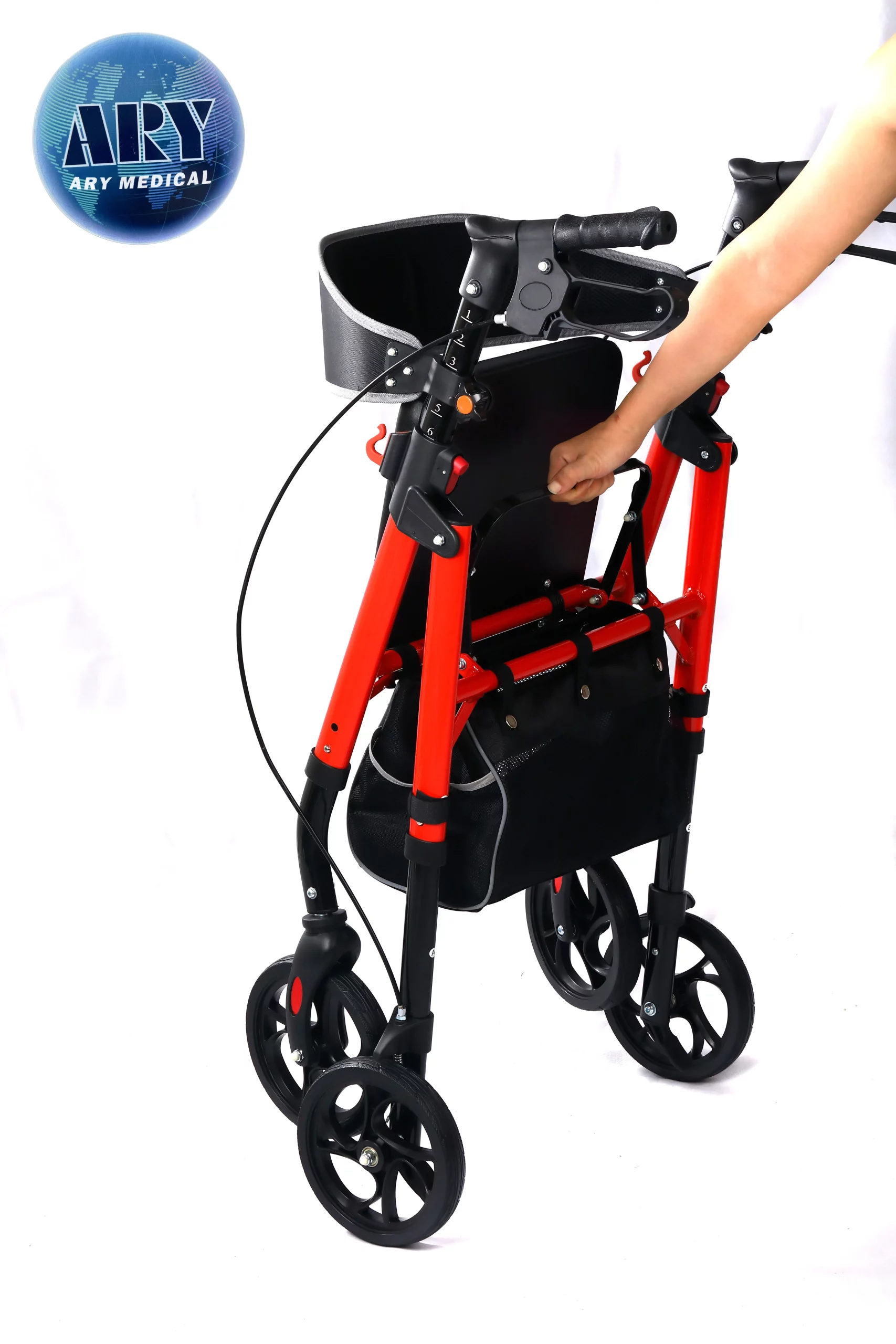
Rollator user handover should address the maker's folding and transport details where the user needs it. Storage in a car and using the aid while seated are different product functions.
Cover the transport question
Confirm the intended empty-aid setup. Record the agreed transport arrangement and any unresolved handling need. Seek suitable advice if the person or helper cannot manage the proposed task.
- Folded setup
- Storage arrangement
- Handling need
| Check | Record or reference |
|---|---|
| Folded setup | Guide |
| Storage arrangement | Plan |
| Handling need | Review |
Key Takeaway: The handover can identify an unfinished transport question.
What should happen when a concern is reported?

Rollator user handover should tell the user how to report damage, missing items or changed control behavior. Staff need enough identity details to connect the concern with the supplied aid.
Give a clear reporting route
Provide one usable reporting route. Record the unit, symptom and current location without diagnosing from a short message. Route service and personal-fit questions to the suitable teams. Retain the replacement-parts reference for later service enquiries.
- Unit reference
- Reported symptom
- Responsible team
| Check | Record or reference |
|---|---|
| Unit reference | Case record |
| Reported symptom | Intake note |
| Responsible team | Referral |
Key Takeaway: A concern reaches the right person with useful context.
What proves that the handover is complete?
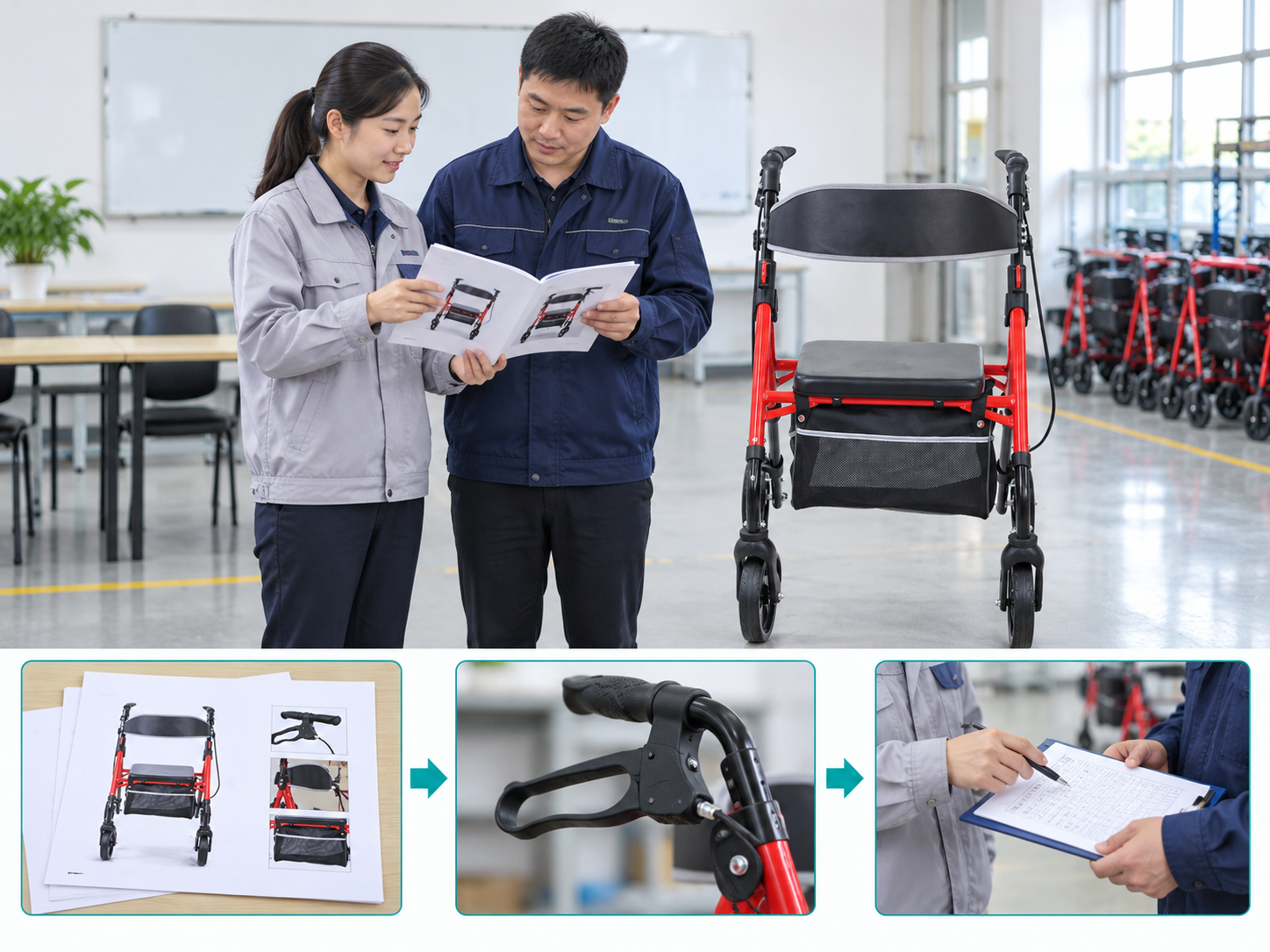
A completed rollator user handover record should show the model, documents, settings and unresolved questions discussed. A checked box saying training done does not explain the scope.
Record the actual handover
Record the details actually provided. Use a concise record and identify who completed each part. Keep personal assessment details within the suitable care system. The NHS walking-aid and wheelchair guidance provides general selection context.
- Documents supplied
- Topics covered
- Open questions
| Check | Record or reference |
|---|---|
| Documents supplied | List |
| Topics covered | Handover note |
| Open questions | Action record |
Key Takeaway: The next contact can build on a factual handover history.
What should suppliers prepare for dealers?
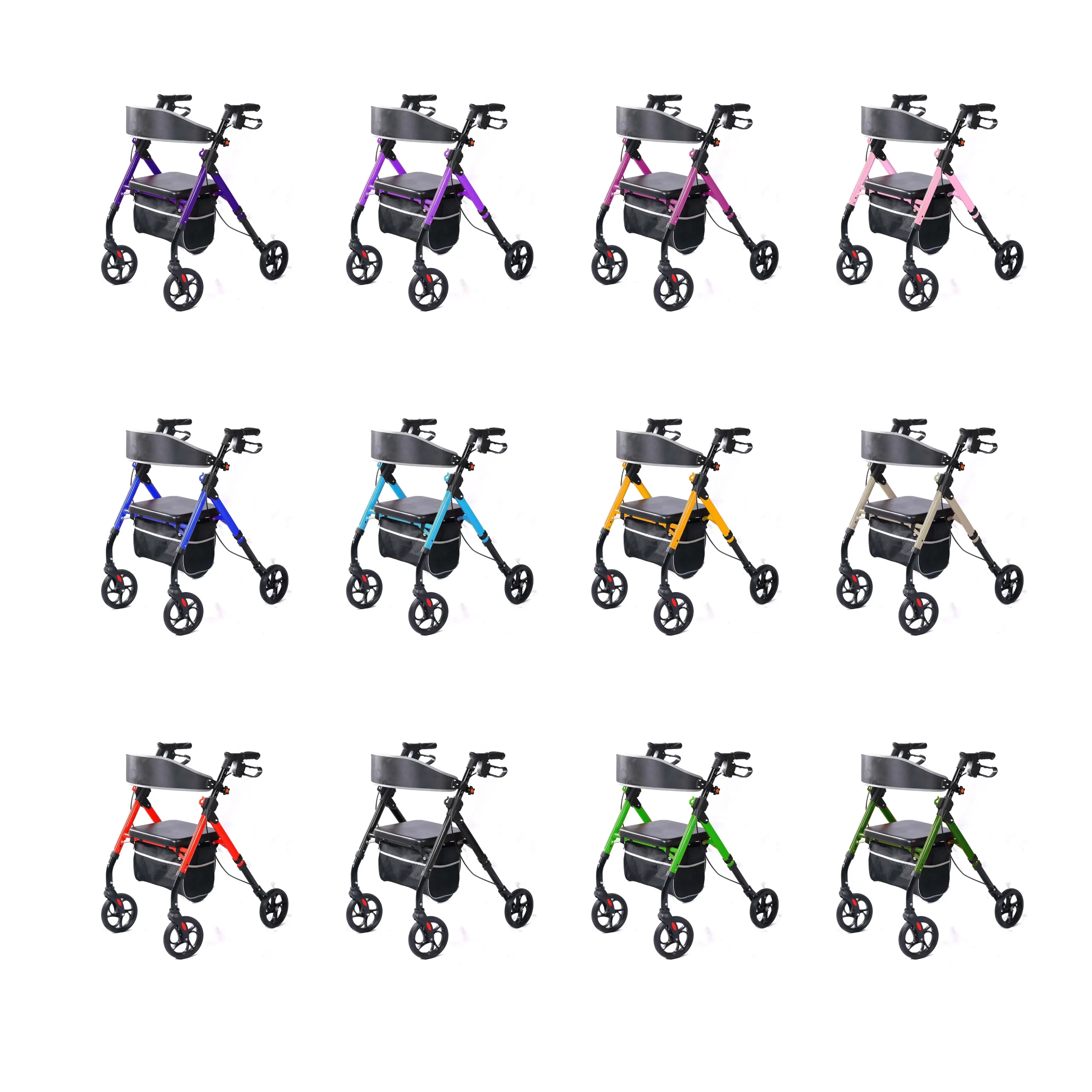
For rollator user handover, suppliers should provide the current manual, product identity and service details requested for the dealer's process. Buyers should agree which documents and support terms accompany the order.
What should you do next?
Supply a model-specific handover pack. Send your handover requirements with the model list. Ask for controlled files that staff can retrieve when a user calls later.
- Required files
- Model reference
- Service terms
| Check | Record or reference |
|---|---|
| Required files | Dealer brief |
| Model reference | Order |
| Service terms | Written offer |
Key Takeaway: Your supply arrangement can support the first user conversation and later enquiries. To discuss the model and documents for your order, contact us with your requirements. At AryMD, useful product facts should support every care-equipment purchase.
Frequently asked questions
Q1: Can a delivery signature prove the handover is complete?
No. Record the equipment, documents, relevant settings and unresolved questions actually covered.
Q2: What’s the best guide to supply with a rollator?
Use the current instructions for the exact model and version, in a form the user can access.
Q3: How do I know which height setting to record?
Use the setting from the suitable fit process and the maker's reference system. Avoid an unexplained number.
Q4: Can staff adjust cables during a basic handover?
Only within authorized competence and the maker's method. Refer technical work beyond that scope to qualified service support.
Q5: Should missing accessories remain on the handover record?
Yes. Give each unresolved item an owner and next step instead of closing it with the delivery signature.