
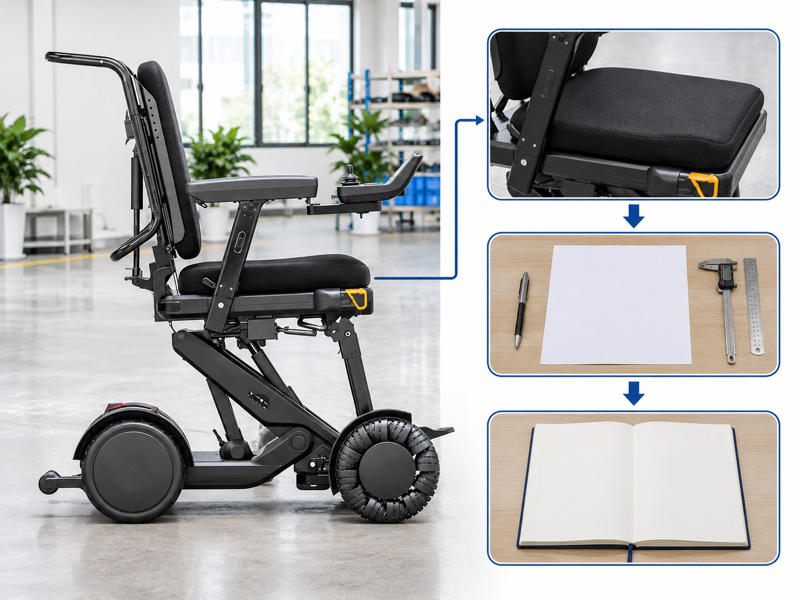
Review XSTO M4Pro seat lift information by matching one current height definition to the user's actual seating and reach needs. A buyer may compare two ranges that were measured from different surfaces or product states. That can produce a misleading desk-fit assumption. Ask for labeled endpoints and bring the complete setup into the review.
What does the XSTO M4Pro seat lift do?
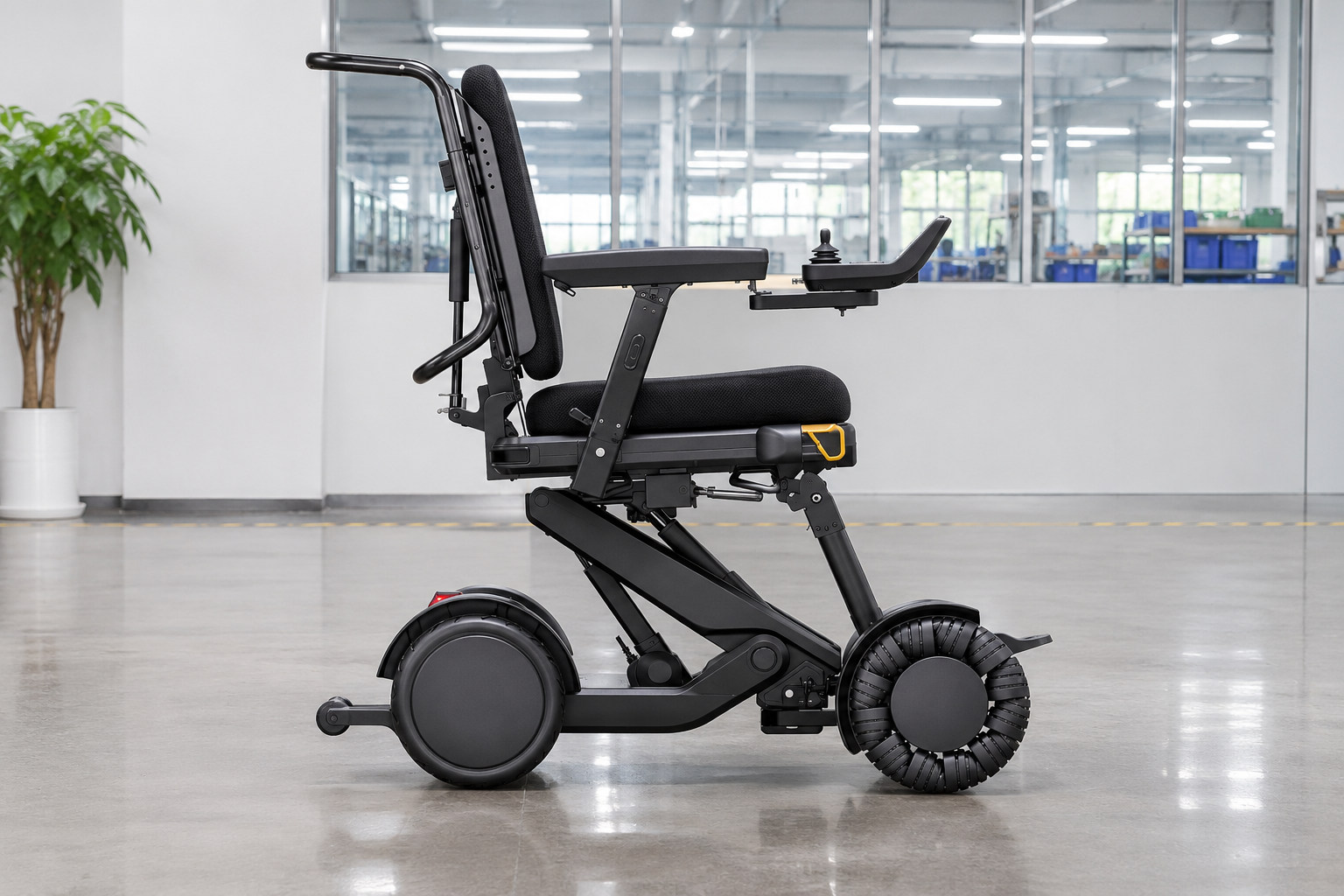
The XSTO M4Pro seat lift changes the sitting height through the powered frame shown in the product images. Its value depends on the user's reach, seating needs and the places where the chair will be used.
Connect the feature with a daily task
Start with the intended destination. A dining table and an office desk may raise different height and clearance questions. Bring those details into an individual seating review. WHO guidance supports assessment, fitting and follow-up.
- Intended task
- Seat setup
- Review owner
| Review point | What to confirm |
|---|---|
| Intended task | Dining work or another stated need |
| Seat setup | Actual cushion and supports |
| Review owner | Qualified fitting contact |
Key Takeaway: You can discuss useful height changes without assuming that extra lift solves every access problem.
Why do published seat-height ranges differ?
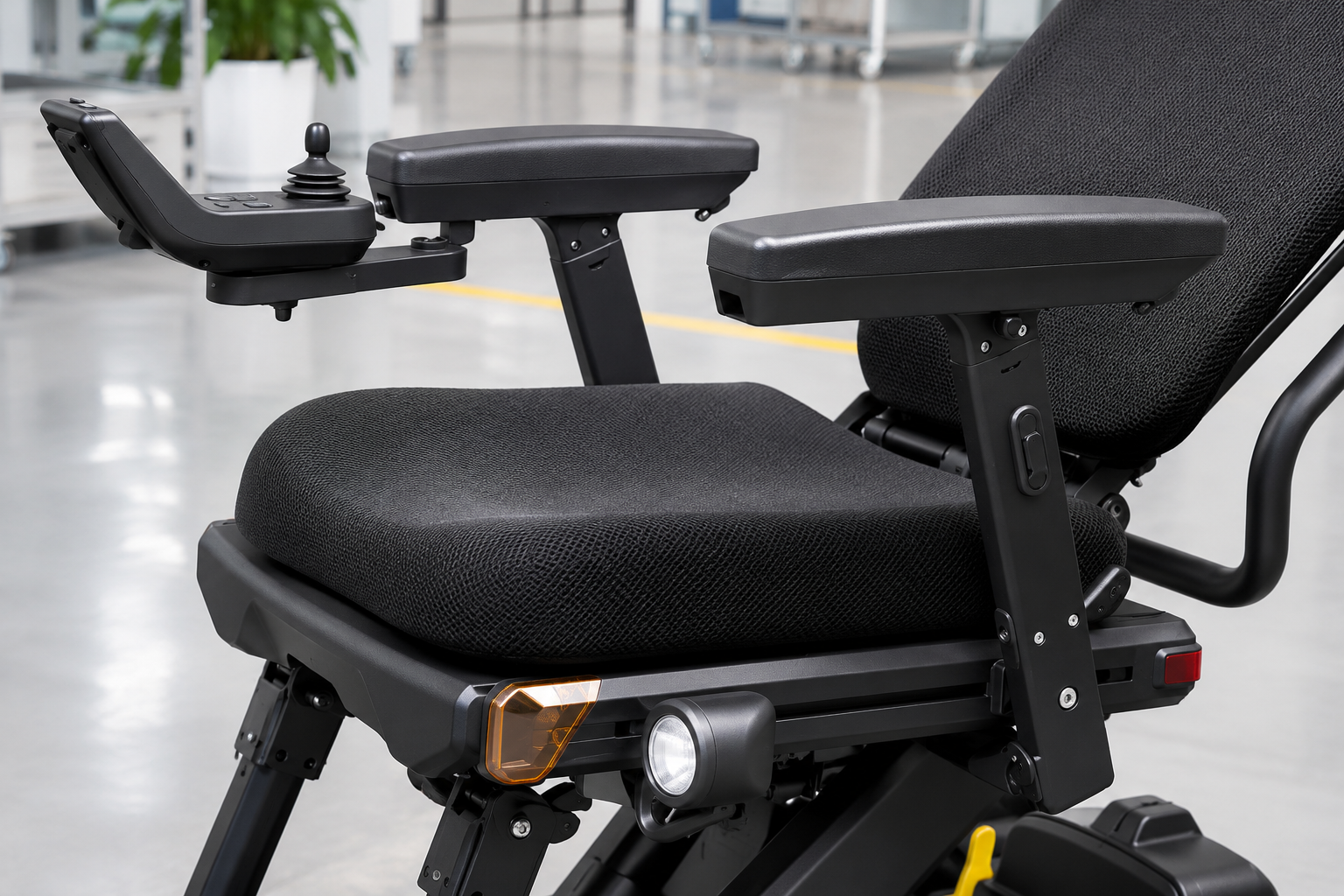
XSTO M4Pro seat lift ranges can differ between documents or configurations, so their measuring basis needs confirmation. Supplied materials show both 490–685 mm and 450–730 mm, which should not be combined into a new range.
Which surface was measured?
Request one current drawing for the offered version. Ask whether the endpoints refer to the seat base or the fitted sitting surface. Keep the model revision and cushion state beside the values. Keep the height definition with the other product dimensions.
- Height endpoints
- Product version
- Seat surface
| Review point | What to confirm |
|---|---|
| Height endpoints | Defined measuring points |
| Product version | Current offered configuration |
| Seat surface | Base or fitted cushion |
Key Takeaway: You can compare like-for-like dimensions instead of selecting a preferred figure from different sheets.
Can the XSTO M4Pro seat lift improve desk access?
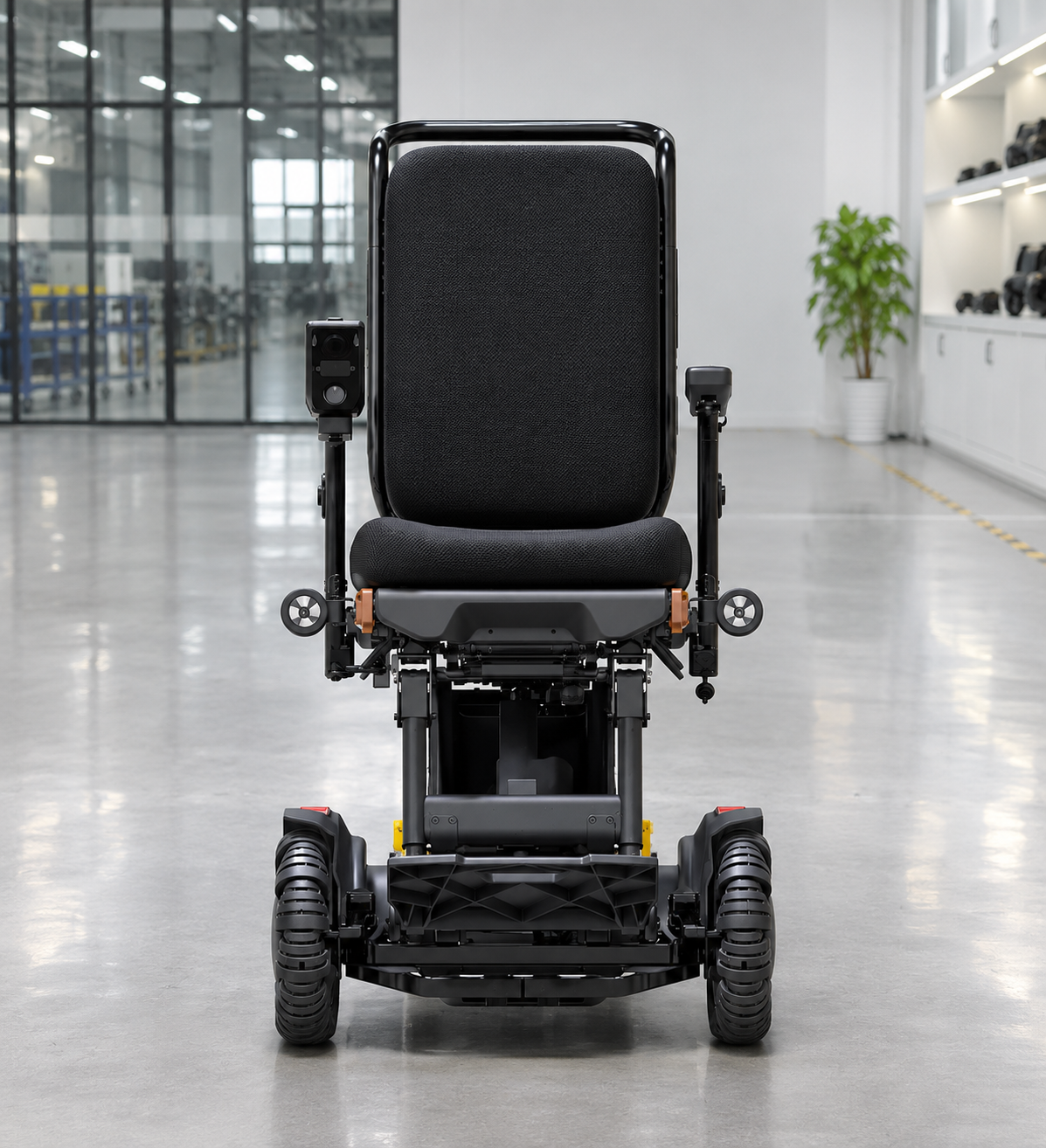
The XSTO M4Pro seat lift may help address a height mismatch when the complete setup and desk are suitable. Armrests, controls, leg space and the user's needs still require review.
Include the space beneath the desk
The surface height is only one measurement. Provide the reviewer with the actual desk geometry and product drawings. Do not infer access solely from a photograph of a raised chair.
- Desk geometry
- Chair envelope
- Personal review
| Review point | What to confirm |
|---|---|
| Desk geometry | Relevant height and underside space |
| Chair envelope | Armrests controls and supports |
| Personal review | Actual reach and fit needs |
Key Takeaway: You can identify the measurements needed before planning a workplace setup.
What clearance does powered movement need?
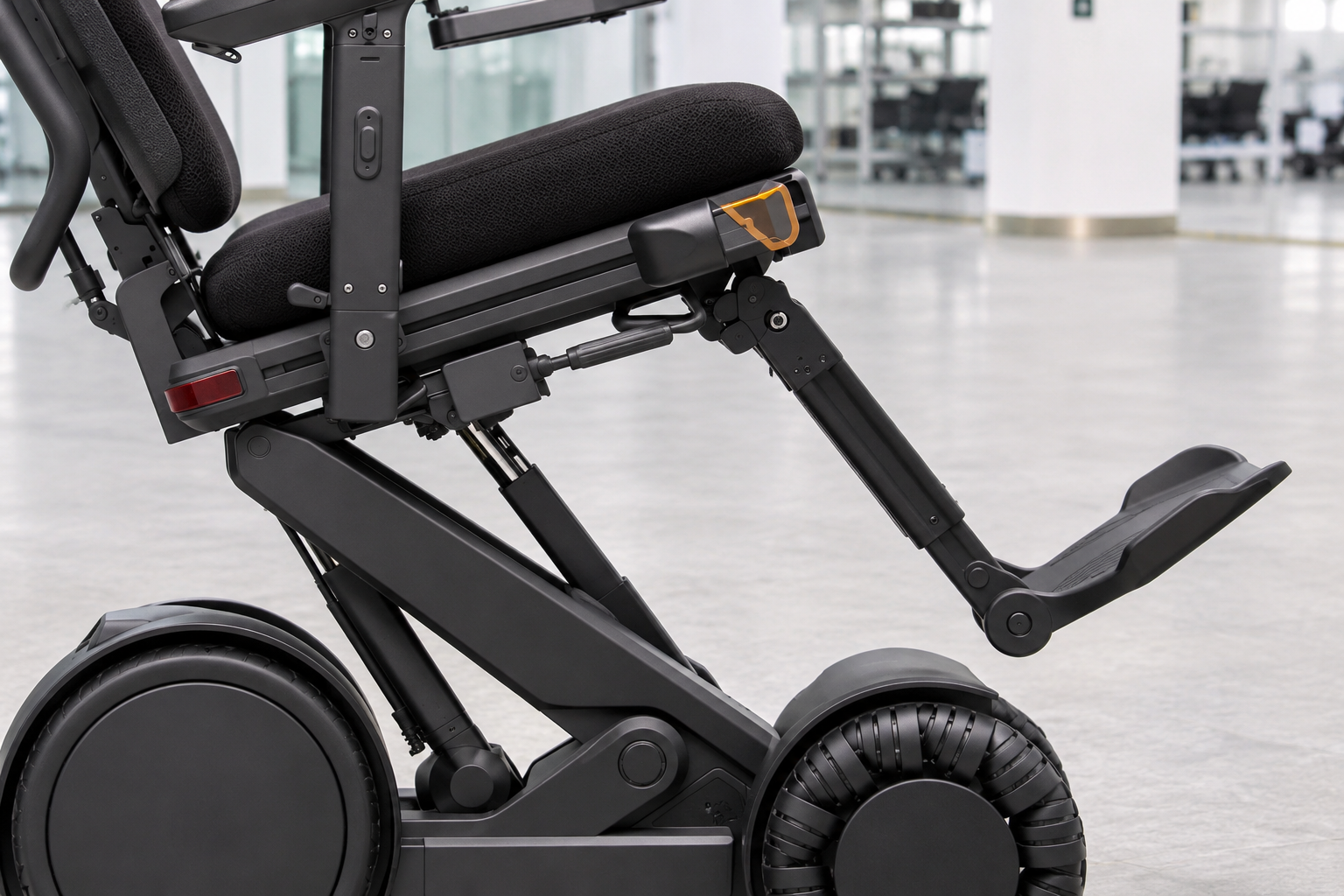
A XSTO M4Pro seat lift review should identify the surrounding space required by the applicable instructions and proposed setup. Nearby surfaces and fitted accessories can change the available room.
Review the moving arrangement
A static picture cannot show every clearance. Ask the provider to explain the permitted movement and relevant limits. Keep hands-on adjustment within the proper instruction and fitting process.
- Movement scope
- Nearby surfaces
- Fitted items
| Review point | What to confirm |
|---|---|
| Movement scope | Applicable product guidance |
| Nearby surfaces | Actual site layout |
| Fitted items | Accessories present during review |
Key Takeaway: You can flag space questions without inventing a universal clearance allowance.
How does a cushion affect XSTO M4Pro seat lift data?
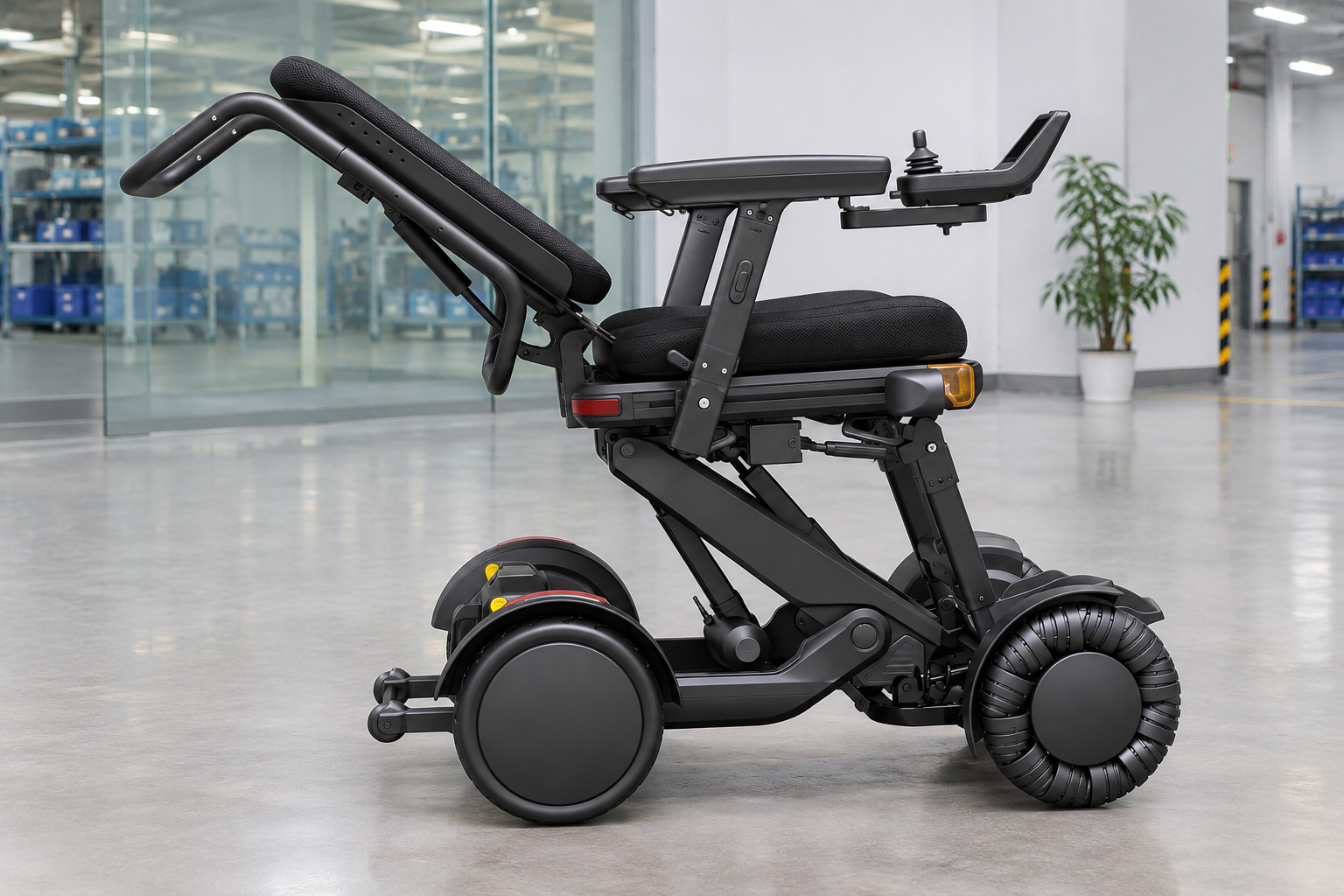
A cushion can change the sitting-surface reference used with XSTO M4Pro seat lift measurements. Its listed thickness does not automatically describe the loaded or individually fitted position.
Keep the cushion in the height record
Name the exact seating arrangement. Ask which measurement state the supplier reports and which state the reviewer needs. Avoid adding or subtracting catalog numbers without a defined method. Record the actual cushion arrangement in that comparison.
- Cushion identity
- Measurement state
- Review question
| Review point | What to confirm |
|---|---|
| Cushion identity | Exact proposed item |
| Measurement state | Supplier's stated method |
| Review question | Height information actually needed |
Key Takeaway: Your height comparison can stay tied to the seating setup being considered.
Does seat lift replace a transfer assessment?
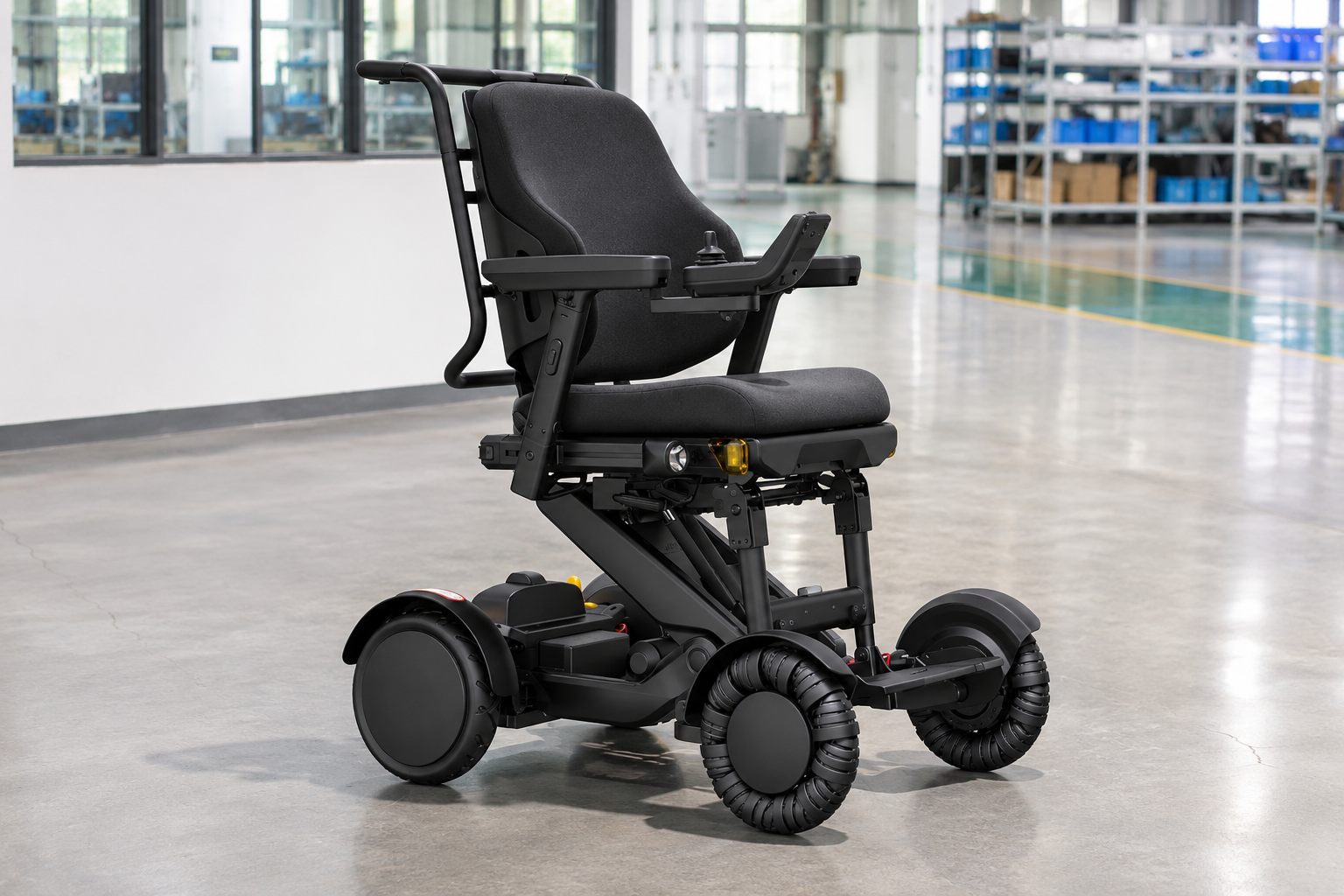
No, the XSTO M4Pro seat lift does not replace an individual transfer assessment. Adjacent surfaces, support needs and the complete chair arrangement require their own appropriate review.
Keep the transfer question individual
Matching heights does not settle the task. Supply the reviewer with relevant product and site information. Do not turn a similar surface height into a prescribed transfer method.
- Adjacent surface
- Support needs
- Decision owner
| Review point | What to confirm |
|---|---|
| Adjacent surface | Actual measured context |
| Support needs | Relevant individual information |
| Decision owner | Qualified reviewer |
Key Takeaway: You can provide useful facts while keeping transfer decisions with the appropriate process.
What should the driving-position inquiry cover?
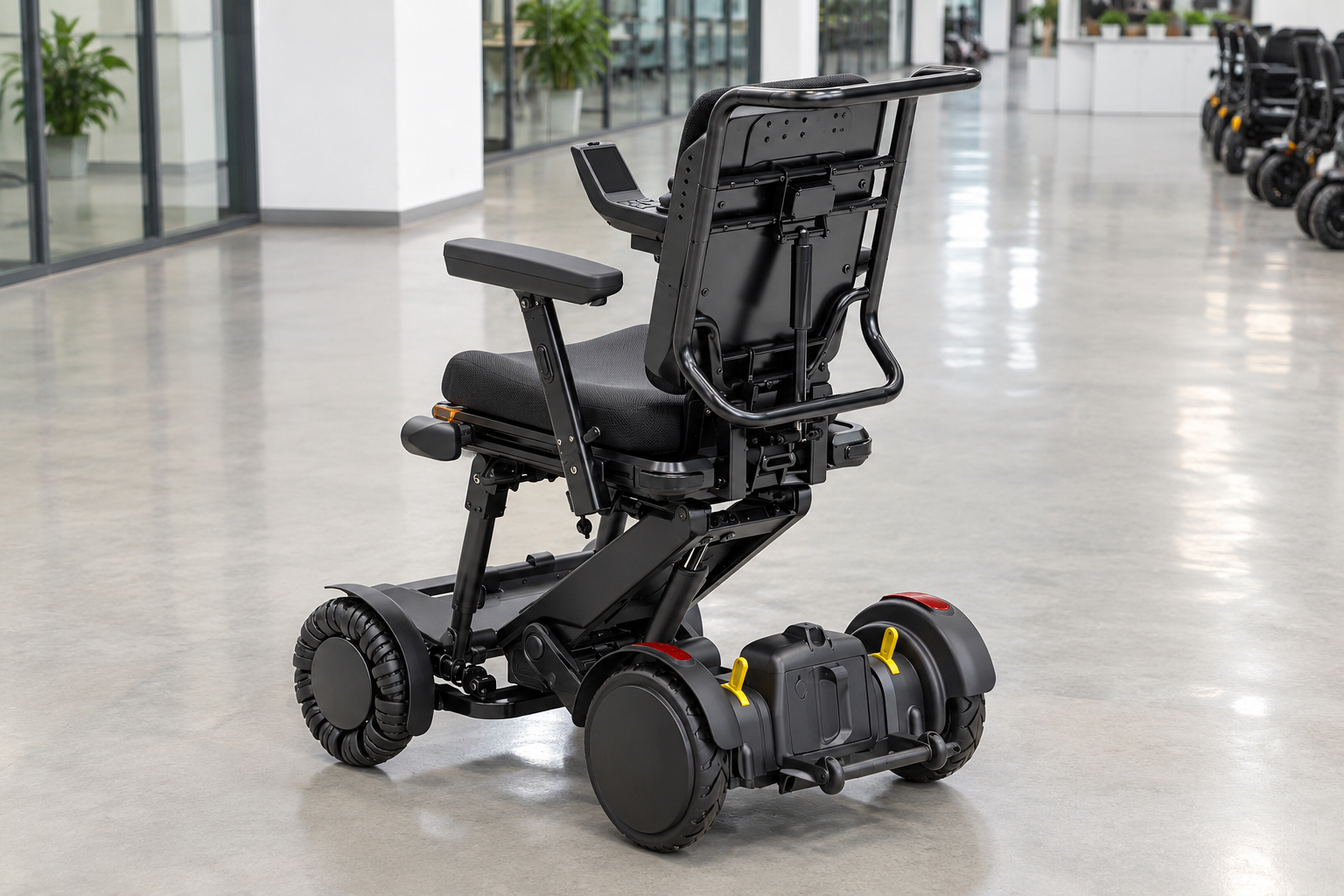
An XSTO M4Pro seat lift inquiry should ask which seating states are permitted for movement under the delivered guide. A display of a raised chair does not establish every allowed driving condition.
Ask about the applicable operating state
The demonstration needs a clear scope. Request the relevant guide and provider explanation. Keep any unknown state outside your service assumptions until it is clarified.
- Guide version
- Permitted state
- Open limits
| Review point | What to confirm |
|---|---|
| Guide version | Matching model instructions |
| Permitted state | Written operating scope |
| Open limits | Provider clarification |
Key Takeaway: You can avoid treating a product pose as an instruction to drive in that position.
How should the lift be demonstrated before purchase?
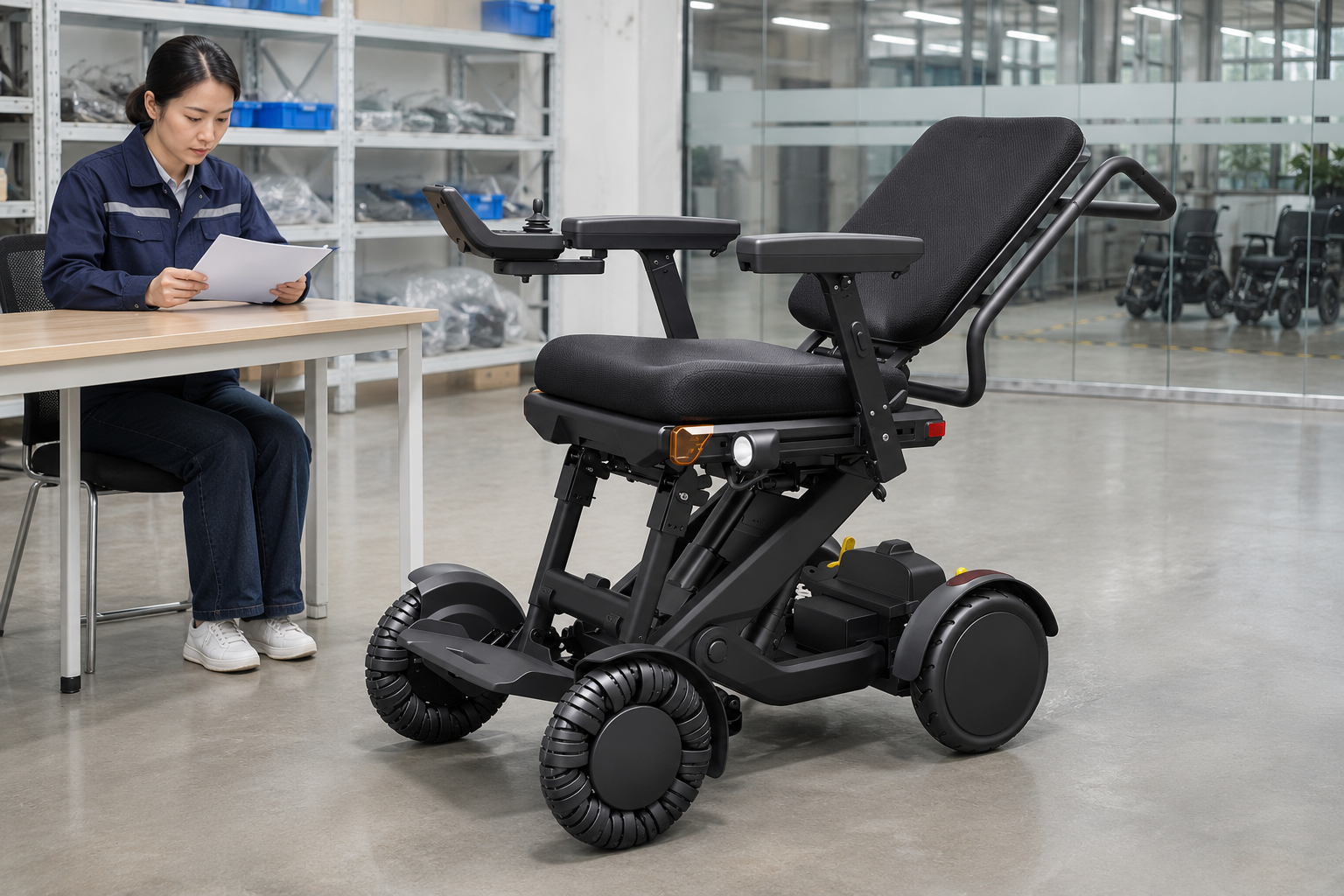
The XSTO M4Pro seat lift should be demonstrated by the responsible provider using the applicable instructions and a defined review brief. Record the configuration and questions rather than inventing an independent test.
Prepare the demonstration brief
Ask for the facts your reviewer needs. Clarify whether the demonstration concerns controls, range definitions or space planning. Keep personal fitting separate from a general empty-chair display. Keep the applicable instruction source with the demonstration record.
- Demonstration purpose
- Shown setup
- Follow-up
| Review point | What to confirm |
|---|---|
| Demonstration purpose | Specific buyer question |
| Shown setup | Model cushion and supports |
| Follow-up | Required review outcome |
Key Takeaway: You can get a useful demonstration without claiming it proves universal suitability.
What should XSTO M4Pro seat lift service records include?
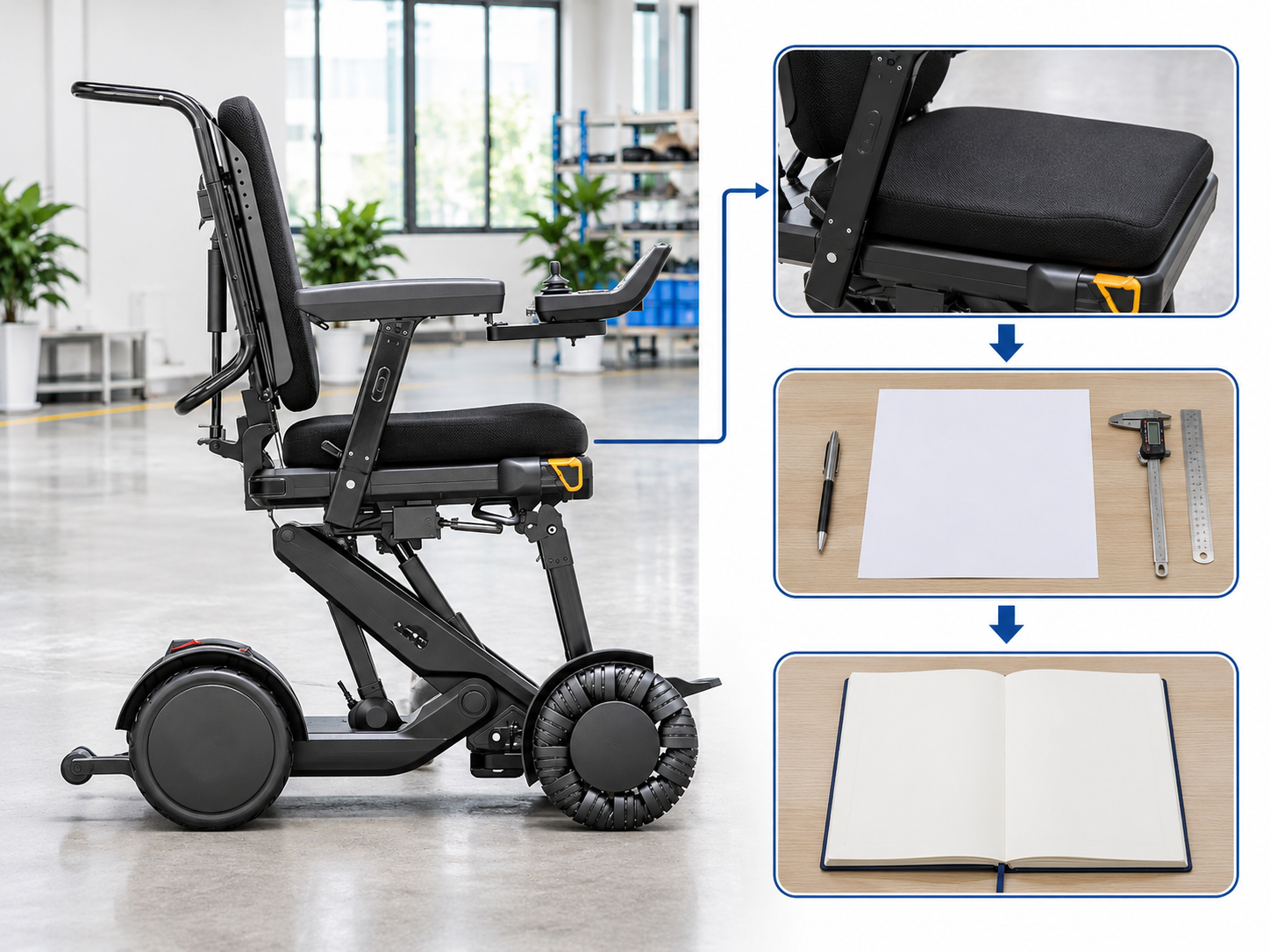
XSTO M4Pro seat lift service records should include the unit identity, reported behavior and the responsible support response. Staff should describe observations without diagnosing or adjusting unfamiliar mechanisms.
Keep the issue specific
A clear report helps the service team. Record relevant display messages and the product state when the concern was noticed. Follow the supplier's service instructions for the next step.
- Unit reference
- Observed behavior
- Assigned response
| Review point | What to confirm |
|---|---|
| Unit reference | Model and available serial ID |
| Observed behavior | Factual description |
| Assigned response | Responsible support contact |
Key Takeaway: You can preserve a useful history without suggesting an improvised repair.
How can you request XSTO M4Pro seat lift details?
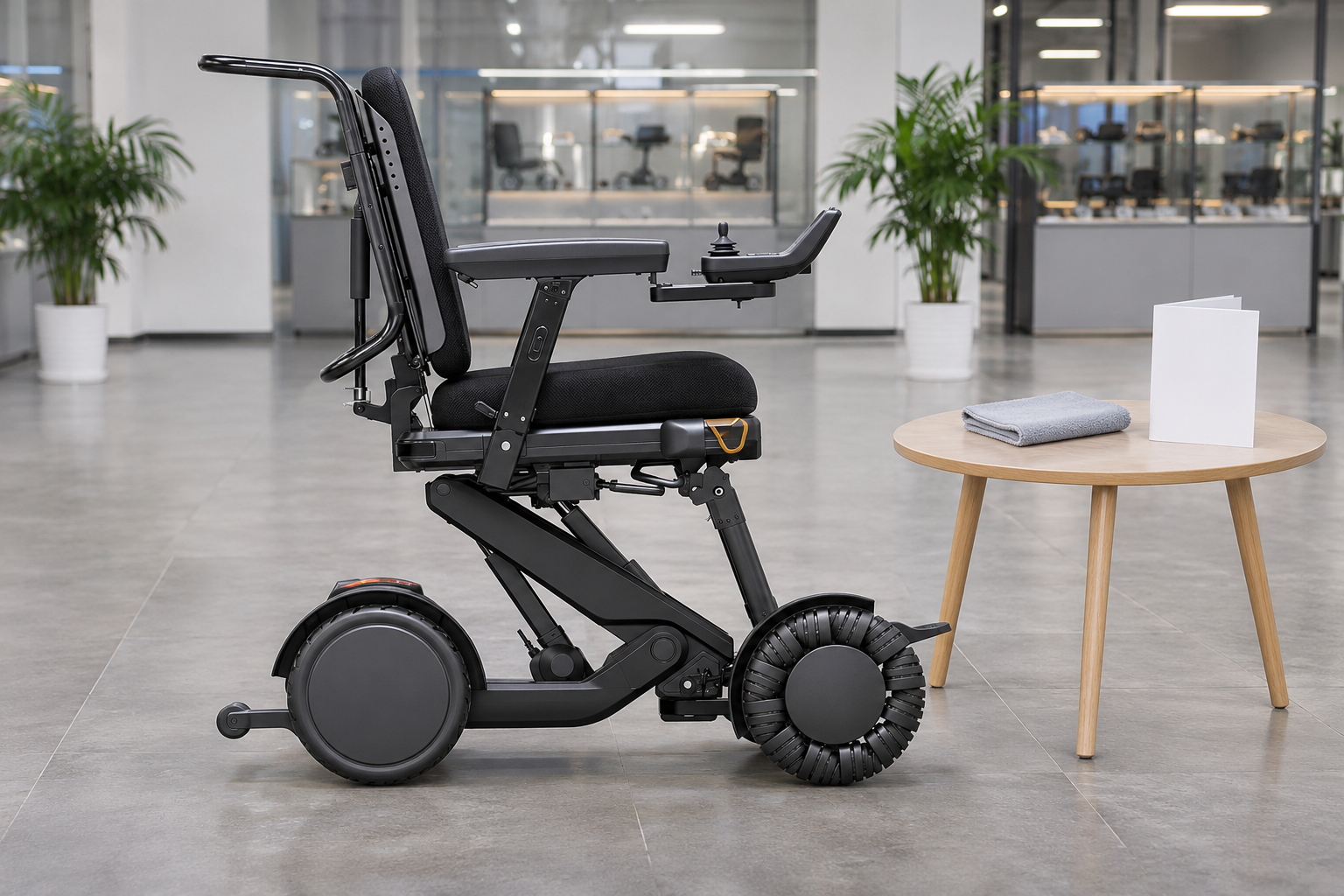
Request XSTO M4Pro seat lift details with the offered configuration and the height-related task you need to review. Ask for labeled endpoints, the current guide and the product state behind the measurement.
Send a height-focused request
Point to the missing definition. Use the reply alongside your individual fit and site review. Keep any conflicting figure visible until the supplier resolves it.
- Exact setup
- Required dimension
- Supporting source
| Review point | What to confirm |
|---|---|
| Exact setup | Cushion and fitted supports |
| Required dimension | Defined sitting-surface height |
| Supporting source | Current drawing and guide |
Key Takeaway: You can turn conflicting seat-height figures into a clear purchasing decision. Contact us with your M4 Pro configuration and purchasing questions so we can discuss the product information and written scope you need. AryMD puts clear product facts at the center of buying decisions.
Frequently asked questions
Q1: Can I combine the lowest and highest figures from different sheets?
No. Use one confirmed range for the exact configuration and measurement basis instead of constructing a new range.
Q2: What's the best seat-height reference to request?
Ask the supplier to name the measured surface. Clarify whether the value concerns the seat base, fitted cushion or another defined point.
Q3: How do I know if the chair will work at my desk?
Provide the actual desk geometry and chair setup for review. Seat height alone does not settle armrest, leg-space or control-reach questions.
Q4: Can seat lift replace a personal transfer assessment?
No. Matching a surface height does not establish an individual's transfer method or support needs.
Q5: Should lift concerns be reported with a display photo?
Where the provider requests it, a clear image can help identify the reported state. Keep the unit reference and factual description with the service request.