
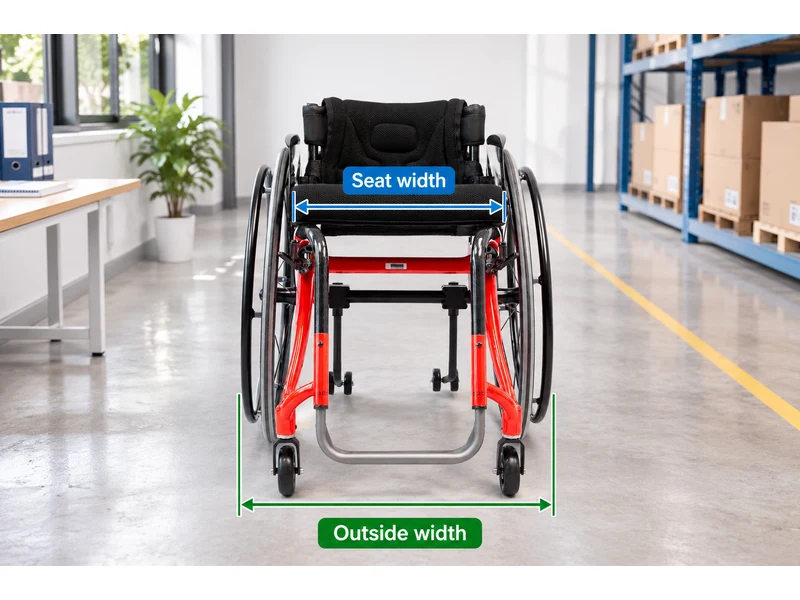
Review a 38 cm wheelchair seat through an individual fitting assessment and the actual cushion and side guards. This model has no other seat-width sizes, so fit needs to be checked before you order. Ordering from that number alone can leave the buyer and fitter discussing different spaces. Examples use the 5903, a manual carbon-frame chair with one fixed 38 cm seat width.
How should you assess a 38 cm wheelchair seat?
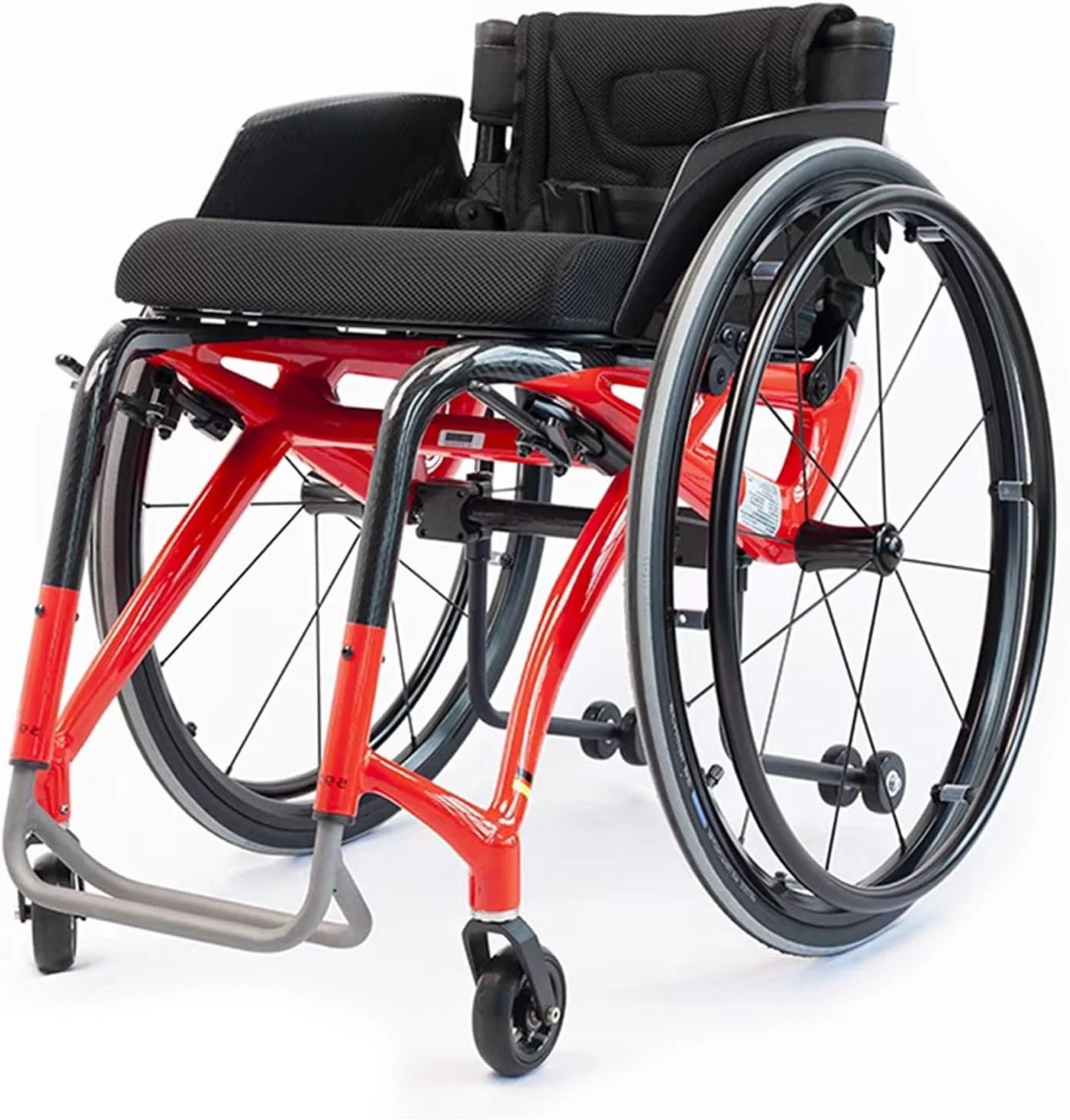
Review a 38 cm wheelchair seat through an individual fitting assessment and the actual cushion and side guards. Review 5903 seat width through its fixed 38 cm seat and the actual cushion, side guards and user assessment. A catalog width is a starting measurement, not a complete judgment about individual fit.
Use the assembled seating set
The user sits within a setup, not a number. Keep the proposed cushion and supports present during the appropriate fitting review. Record how the supplier defines the listed width so the assessment and order refer to the same space. WHO guidance supports assessment, fitting and follow-up.
- Listed width
- Seating set
- Fit review
| Review point | What to confirm |
|---|---|
| Listed width | 38 cm |
| Seating set | Actual cushion and guards |
| Fit review | Individual needs and support requirements |
Key Takeaway: You can turn the seat-width listing into a clear assessment question before ordering.
Where should the seat-width measurement be taken?
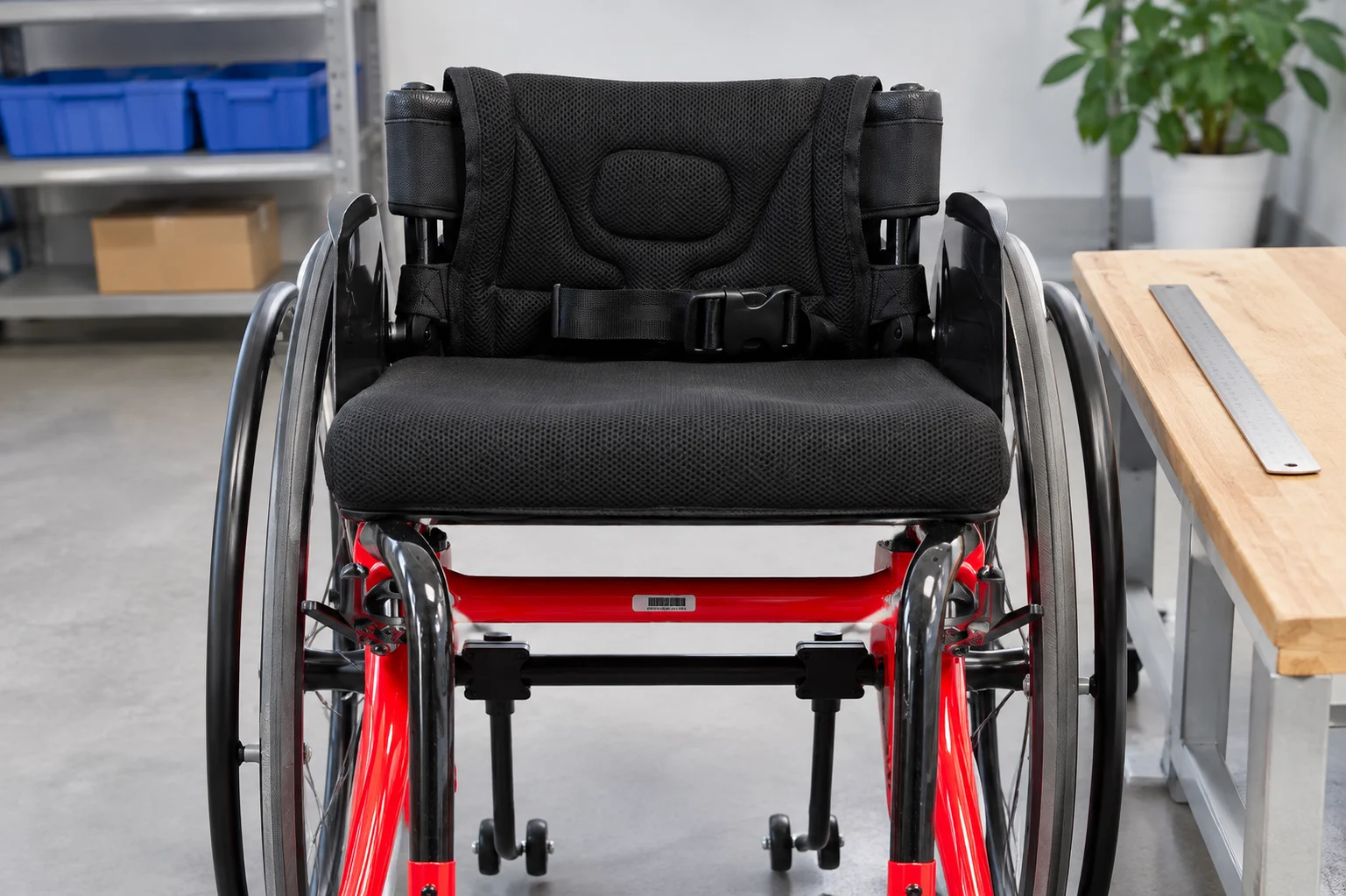
Ask for the stated measurement endpoints before comparing a 38 cm wheelchair seat with another seat. The endpoints for 5903 seat width should be shown on the applicable drawing or product record. Ask whether the figure describes the frame, seat plate, upholstery or clear space between fitted parts.
Which surfaces define the width?
A familiar label can hide different endpoints. Measure the offered setup using the supplier's definition and keep a photo of the reference points. Do not assume another manufacturer's seat-width convention describes the same physical gap. Retain the stated convention with the frame record.
- Definition
- Configuration
- Evidence
| Review point | What to confirm |
|---|---|
| Definition | Named measuring surfaces |
| Configuration | Parts fitted during measurement |
| Evidence | Photo or labeled drawing |
Key Takeaway: A consistent definition prevents a nominally matching seat from being ordered under the wrong assumption.
How does a cushion affect seat width review?
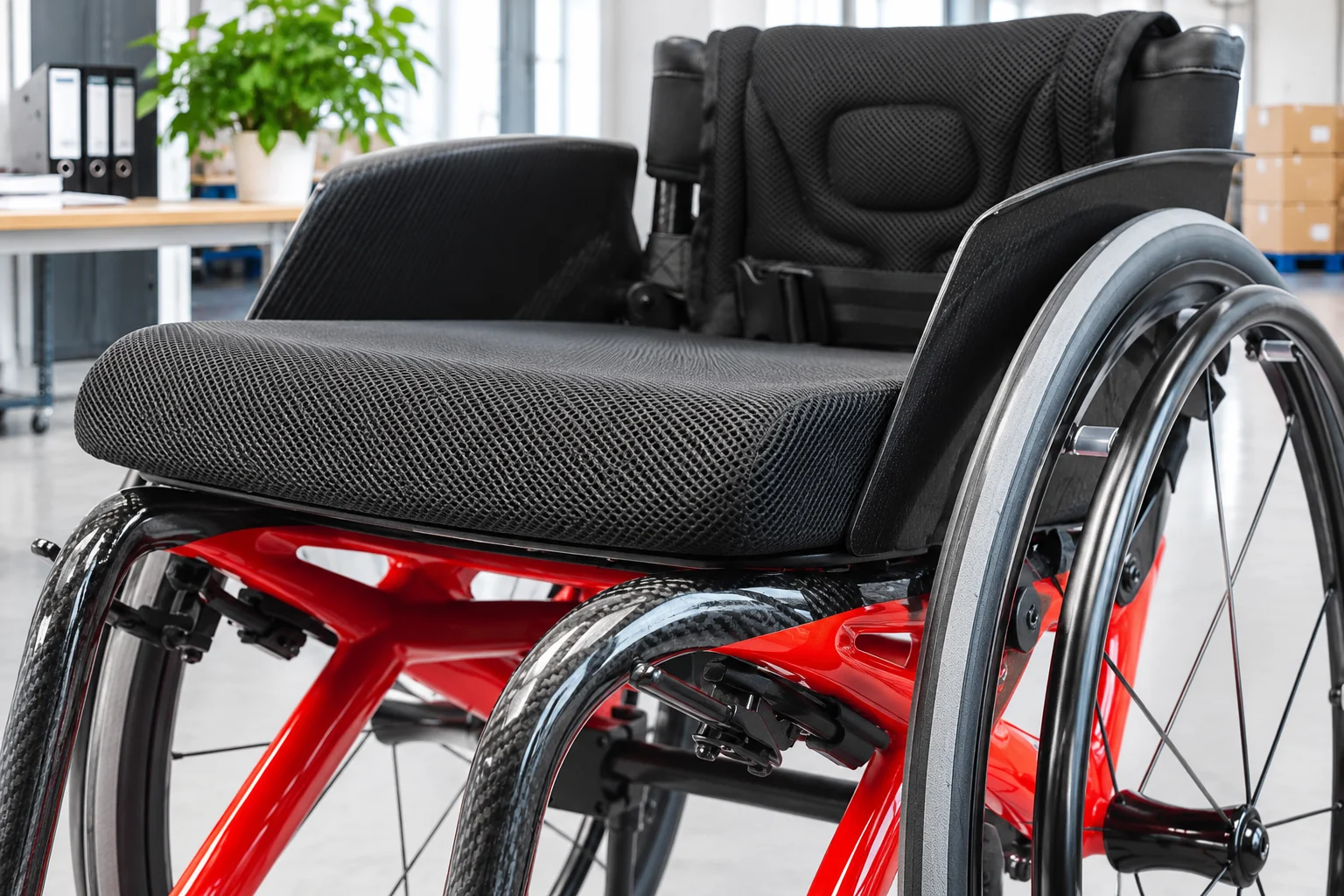
A cushion changes the space being assessed, so review it in place when considering a 38 cm wheelchair seat. A cushion affects the usable seating space in a 5903 seat width review through its size, shape and position. Its stated width should be checked against the actual seat base and the individual seating plan.
Check the full cushion outline
The cover's label does not show its installed position. Ask for the supplied cushion dimensions and how it is retained on the seat plate. Keep a proposed replacement linked to a fitting review instead of choosing it only because one width matches.
- Cushion size
- Base match
- Installed position
| Review point | What to confirm |
|---|---|
| Cushion size | Exact supplied model and dimensions |
| Base match | Seat plate and support area |
| Installed position | Confirmed retention and alignment |
Key Takeaway: You can compare cushions as part of the seating arrangement without assuming every equal-width option fits.
What role do the side guards play?
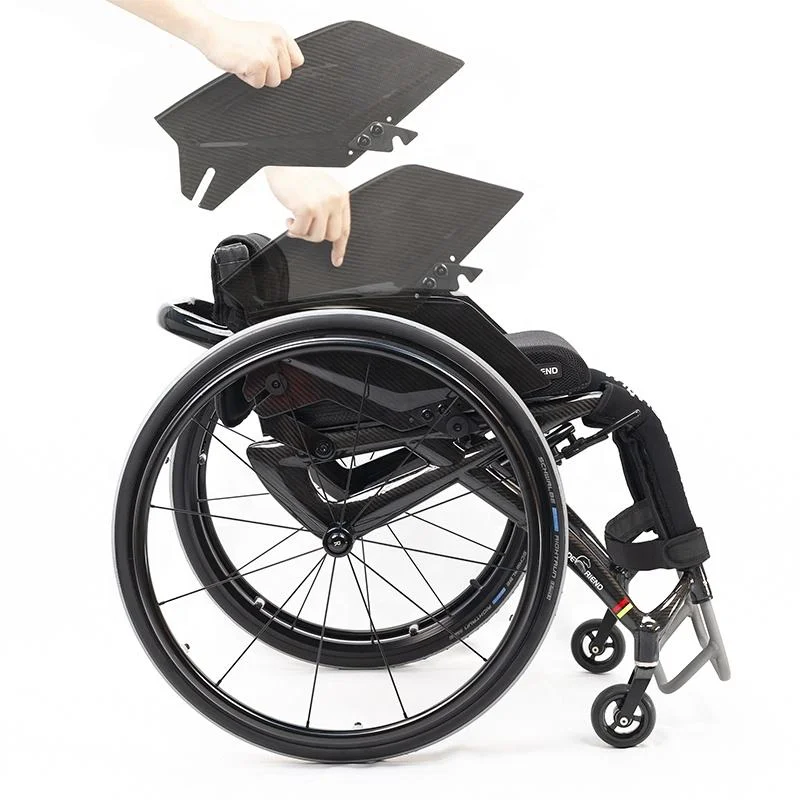
Keep the side guards in the intended setup when assessing a 38 cm wheelchair seat; removing them does not create another offered seat size. The side guards beside 5903 seat width define nearby boundaries and are removable in the supplied illustrations. Their shape, mounting and installed position belong in the width review even though they are not conventional padded armrests.
Look at the fitted guards
Removing a part changes the setup being assessed. Record the space available with the intended guards in place. Removing the guards does not provide another seat-width size. The 5903 remains a fixed 38 cm model.
- Guard identity
- Installed clearance
- Seat-width limit
| Review point | What to confirm |
|---|---|
| Guard identity | Actual supplied left and right parts |
| Installed clearance | Measured with the proposed setup |
| Seat-width limit | 38 cm only; guard removal does not change the size offered |
Key Takeaway: You can keep side-guard choices from becoming an unexamined change to the intended seating arrangement.
How does a 38 cm wheelchair seat differ from outside width?
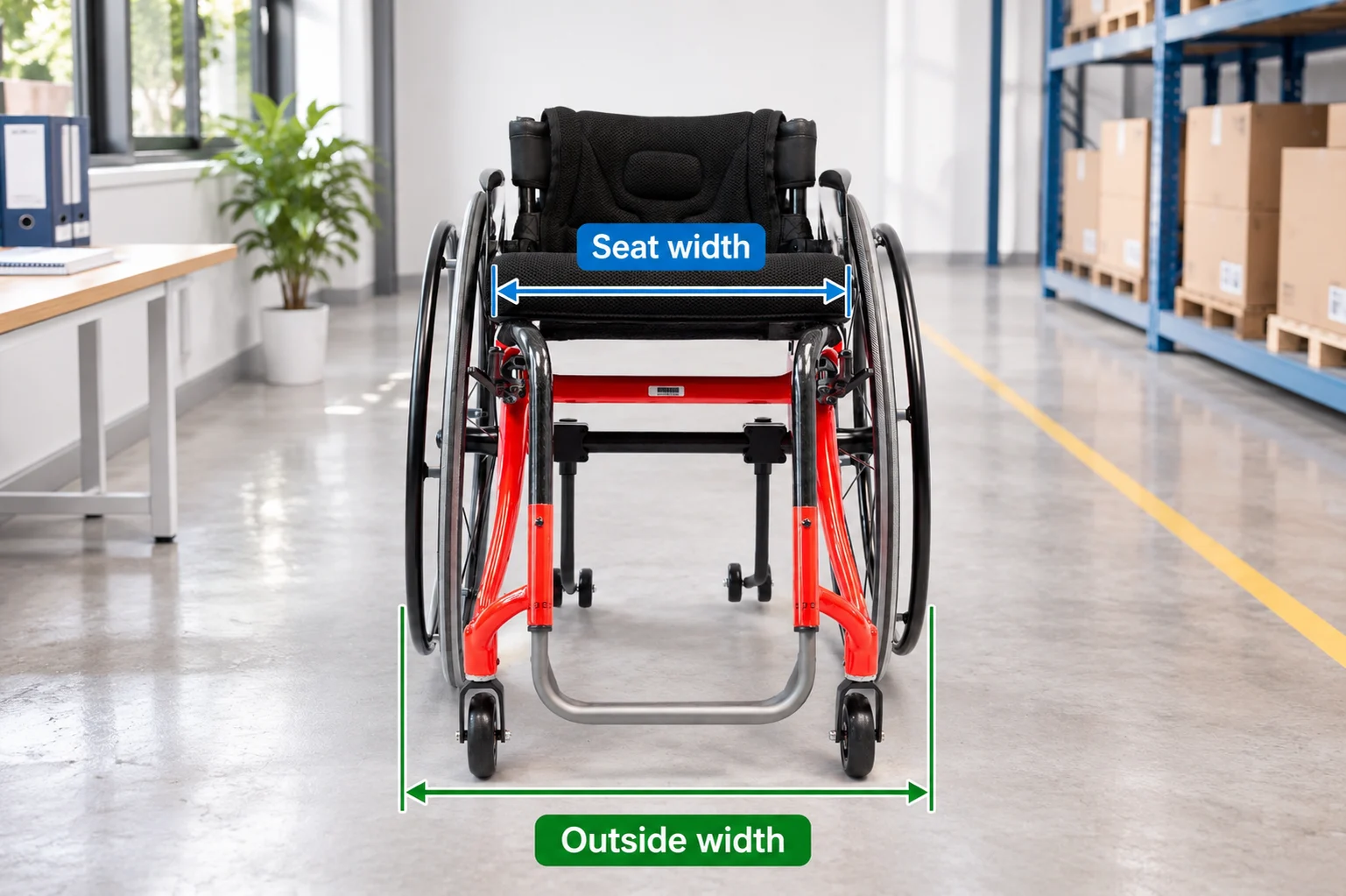
A 38 cm wheelchair seat describes seating space, while the chair's outside width answers a separate access question. The listed 5903 seat width is 38 cm, while the product's listed outside width is 56 cm. The seat number supports fit discussions; the outside number begins an access review for the assembled chair.
Keep both figures on the brief
Neither measurement replaces the other. Ask the supplier to identify the widest points of the offered wheel and handrim setup. Check a doorway or storage opening against that outside envelope, with the relevant access conditions included. Include the fitted handrims in that outside envelope.
- Seat listing
- Outside listing
- Use of each
| Review point | What to confirm |
|---|---|
| Seat listing | 38 cm |
| Outside listing | 56 cm |
| Use of each | Seating review versus external clearance |
Key Takeaway: You can answer a fitting question and an access question without mixing their dimensions.
What if the 38 cm seat does not suit you?
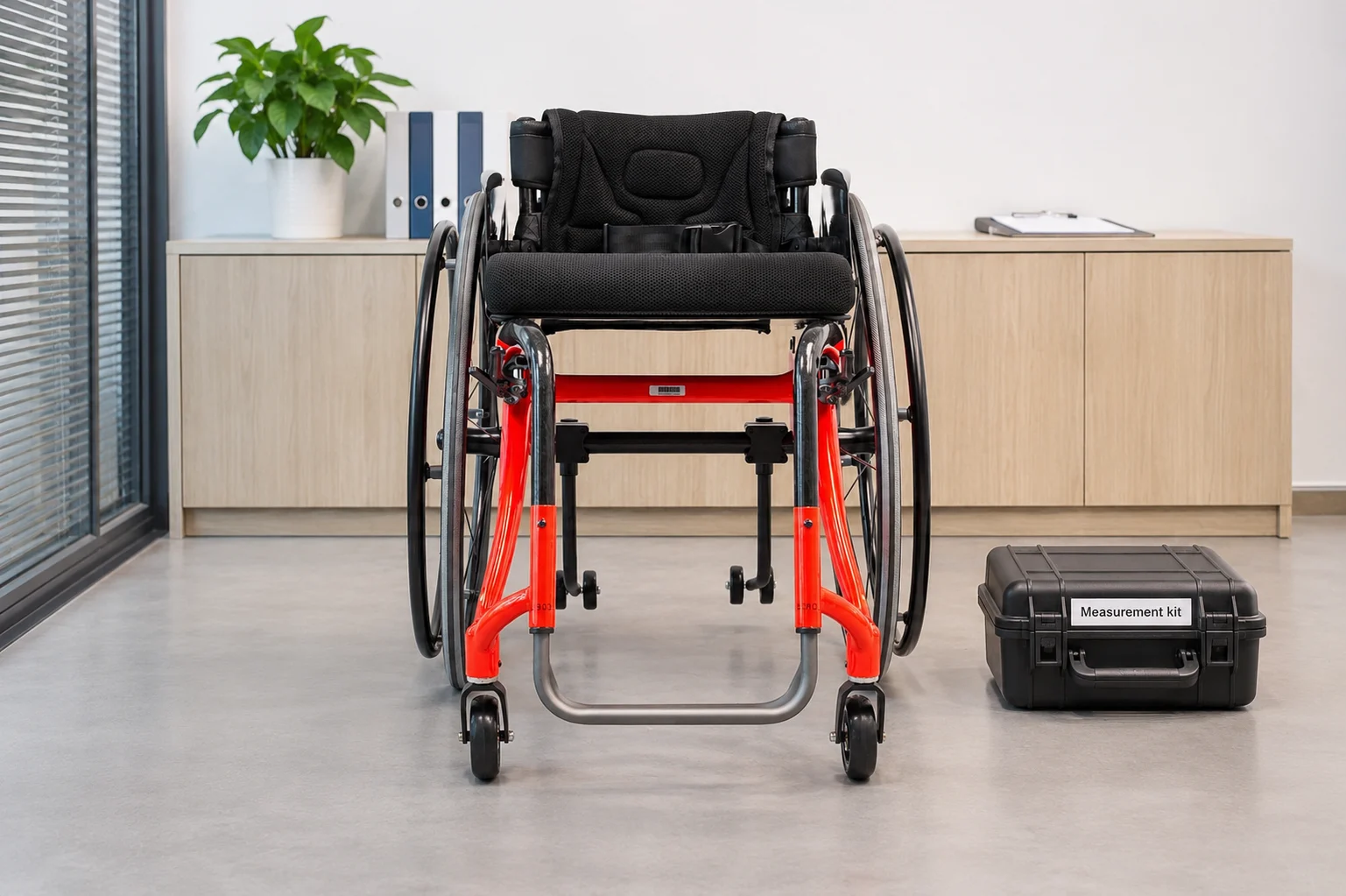
If a 38 cm wheelchair seat does not meet the user's needs, assess a different model with the fitting provider. If the fixed 38 cm 5903 seat width does not suit you, assess another model with your fitting provider. Space for positioning, clothing, supports and wheel access needs to be reviewed together.
Start from the person and task
A narrow product label cannot choose the seat for you. Share the user's relevant assessment and intended activities with the responsible provider. The 5903 has no wider or narrower seat option. Do not accept a poor fit just to pass through a narrow doorway.
- Individual needs
- Task demands
- Access constraints
| Review point | What to confirm |
|---|---|
| Individual needs | Relevant seating assessment |
| Task demands | Propulsion transfers and support |
| Access constraints | Reviewed alongside fit |
Key Takeaway: You can weigh access needs without letting a single clearance target decide the whole seating setup.
How should wheel access be considered beside seat width?
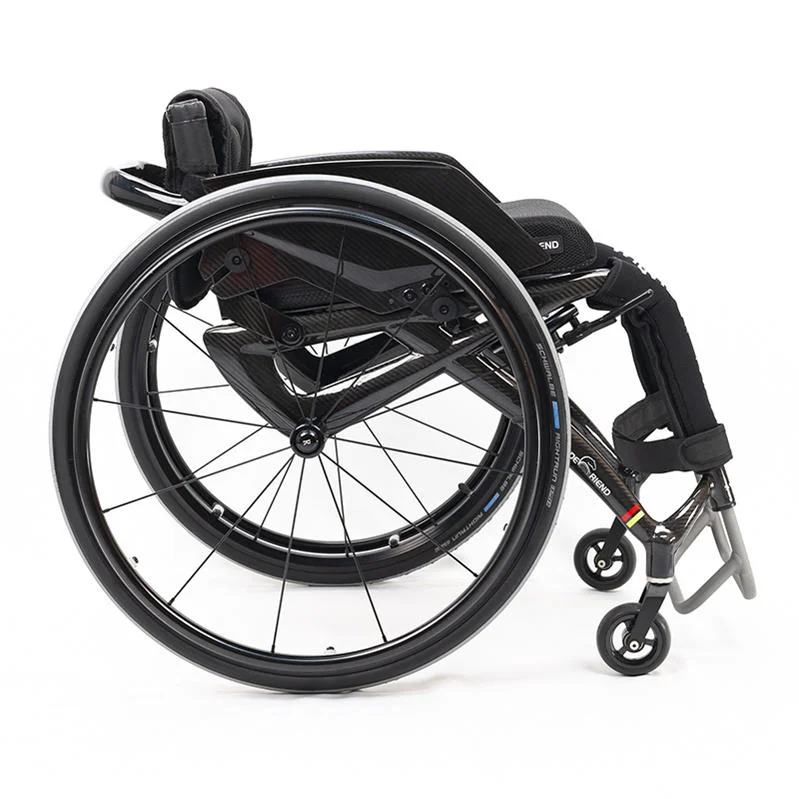
Review handrim access with the complete seating arrangement when considering a 38 cm wheelchair seat. Wheel access should be reviewed with 5903 seat width, the cushion and the actual rear-wheel arrangement in place. A width measurement alone does not establish comfortable or effective handrim access for a specific user.
Review the complete setup
The seat and wheels work together in use. Ask the fitting provider to assess the proposed setup and document any changes needed. Do not transfer another model's axle settings or wheel-position advice to the 5903 without matching guidance.
- Seat arrangement
- Wheel arrangement
- Assessment
| Review point | What to confirm |
|---|---|
| Seat arrangement | Cushion and guards installed |
| Wheel arrangement | Actual handrims and axle setup |
| Assessment | Provider-led review for the individual |
Key Takeaway: You can include propulsion access in the purchasing discussion without turning a catalog dimension into a fitting prescription.
What should a seating trial record contain?
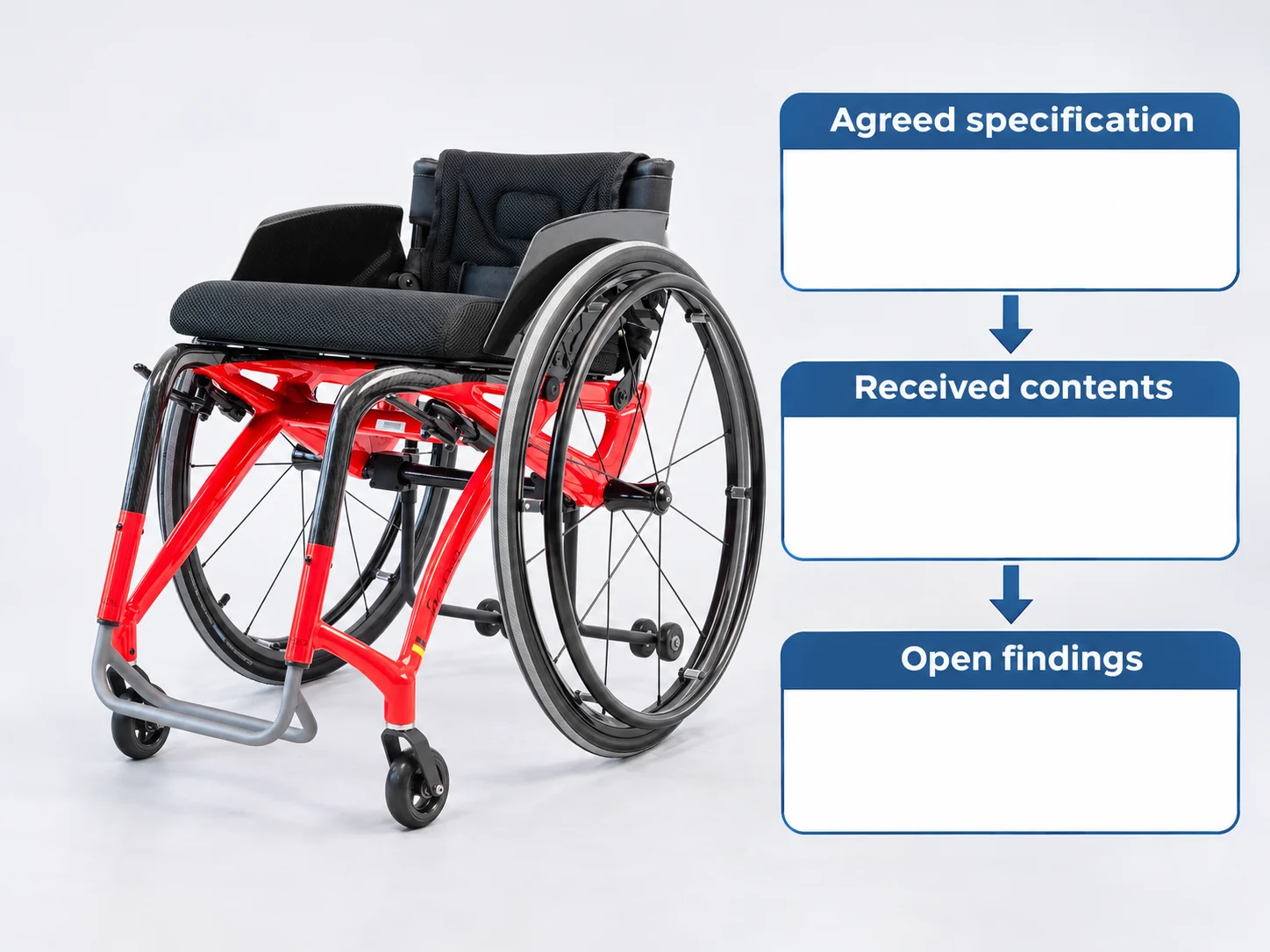
A trial record for a 38 cm wheelchair seat should identify the unit, fitted parts, measurement convention and findings. A 5903 seat width trial record should name the unit, cushion, guards and measurement definition, then record the reviewer's findings. Record whether the fixed 38 cm seat suits the user; a trial does not create another seat-width option.
Make the trial traceable
A later order should match the chair that was reviewed. Note which parts were fitted and who owns each follow-up decision. Keep the user's relevant feedback with the approved setup rather than relying on a general comfortable-seat statement. Keep the trial findings with the sample inspection record.
- Trial setup
- Findings
- Follow-up
| Review point | What to confirm |
|---|---|
| Trial setup | Exact parts and settings |
| Findings | Specific observations and feedback |
| Follow-up | Named fitting or supplier action |
Key Takeaway: You can connect the reviewed sample with the setup requested in the order.
What should a quote say about a 38 cm wheelchair seat?
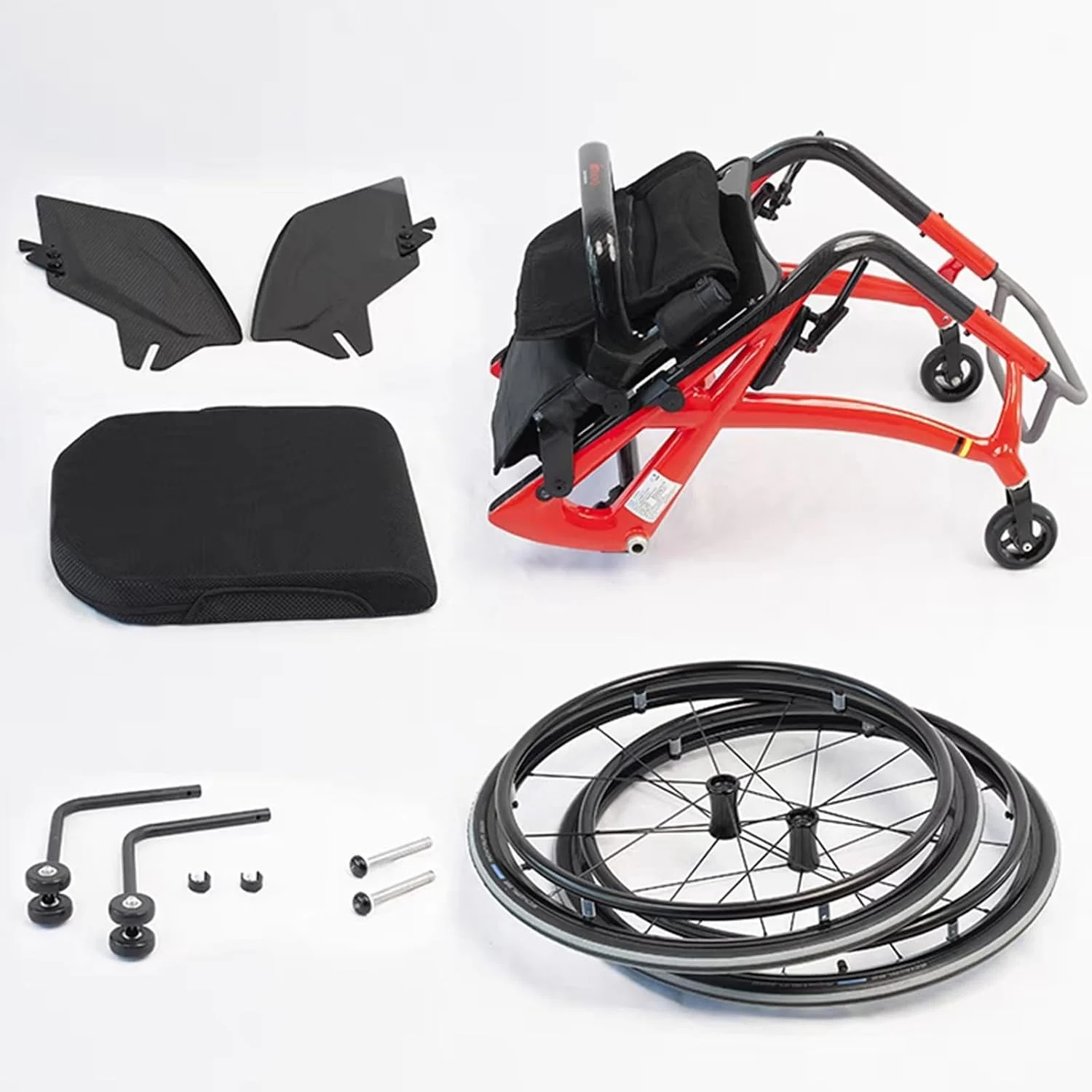
Write a 38 cm wheelchair seat as a fixed specification when that is the only size supplied for the model. A 5903 seat width quotation should state the seat dimension and its measuring definition, with the cushion and side guards listed separately. State 38 cm only, with no wider, narrower or custom seat-width sizes available.
Specify the only available seat width
The order must state 38 cm only. Match the quote to the fixed 38 cm seat and name the included cushion and guards. If another seat width is needed, discuss a different model.
- Seat specification
- Included seating
- Available width
| Review point | What to confirm |
|---|---|
| Seat specification | Fixed 38 cm with defined reference points |
| Included seating | Named cushion and guards |
| Available width | 38 cm only; no other seat-width sizes |
Key Takeaway: You can rule out an unsuitable seat width before placing a 5903 order.
How can you move a seat width review toward an order?
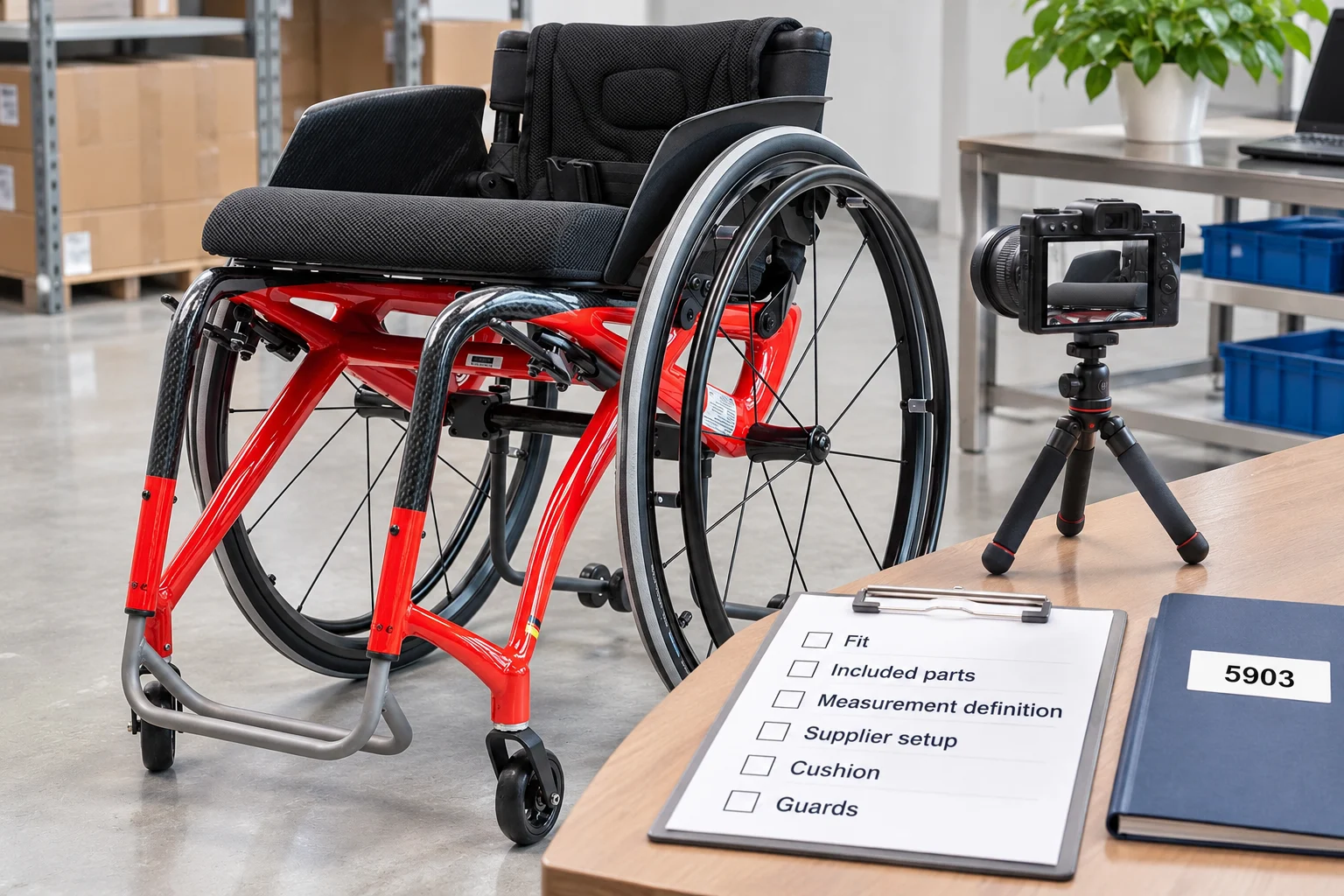
Move a 38 cm wheelchair seat toward an order only after its fit, included parts and measurement definition have been reviewed. Move a 5903 seat width review toward an order by combining the individual assessment with a clear supplier setup. Confirm that the fixed 38 cm seat suits the user, then check the cushion and guards before accepting the proposal.
Send the reviewed seating brief
Ask the supplier to respond to the exact setup. Give AryMD the required seating details, quantity and destination. We can discuss the product information and quotation scope your team needs for its next decision.
- Assessment
- Product record
- Order inquiry
| Review point | What to confirm |
|---|---|
| Assessment | Reviewed individual seating needs |
| Product record | Exact width and parts |
| Order inquiry | Configuration quantity and destination |
Key Takeaway: You can turn a seat-width question into an itemized and reviewable purchasing request. Contact us with your 5903 setup, quantity and destination so we can discuss the product information and written supply scope. AryMD puts clear specifications before purchasing promises.
Frequently asked questions
Q1: Can I choose the seat using the 38 cm figure alone?
No. The complete seating arrangement and the individual's needs require a fitting review alongside the listed dimension.
Q2: What's the best way to confirm the measuring points?
Ask for a labeled photo or drawing of the offered setup. Record whether the figure refers to the frame, seat surface or clear gap.
Q3: How do I know if a replacement cushion fits?
Confirm its dimensions, support area and attachment with the supplier and fitting provider. Matching width alone is not a complete fit check.
Q4: Can I order a wider or narrower 5903 seat?
No. The 5903 comes only with a 38 cm seat width. If you need a different width, assess another model with your fitting provider.
Q5: Does matching seat width prove that the chair fits my doorway?
No. Doorway planning uses the actual outside width and the complete approach route, which are separate from seating dimensions.