
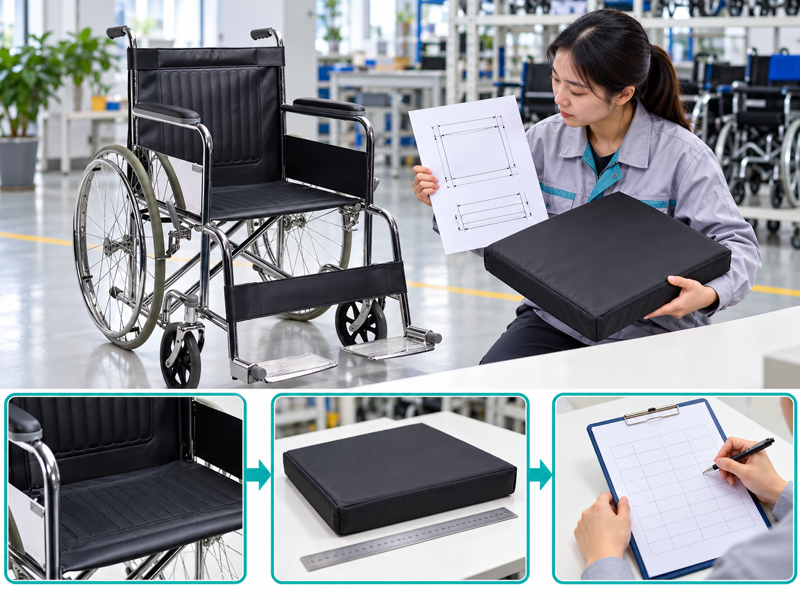
Review manual wheelchair cushion fit as a complete seating arrangement with a qualified professional where personal needs are involved. A French distributor may find a cushion matches the listed width but changes the relationship to foot and arm supports. Verified chair and cushion details help the assessor review that combination.
What should manual wheelchair cushion fit consider?
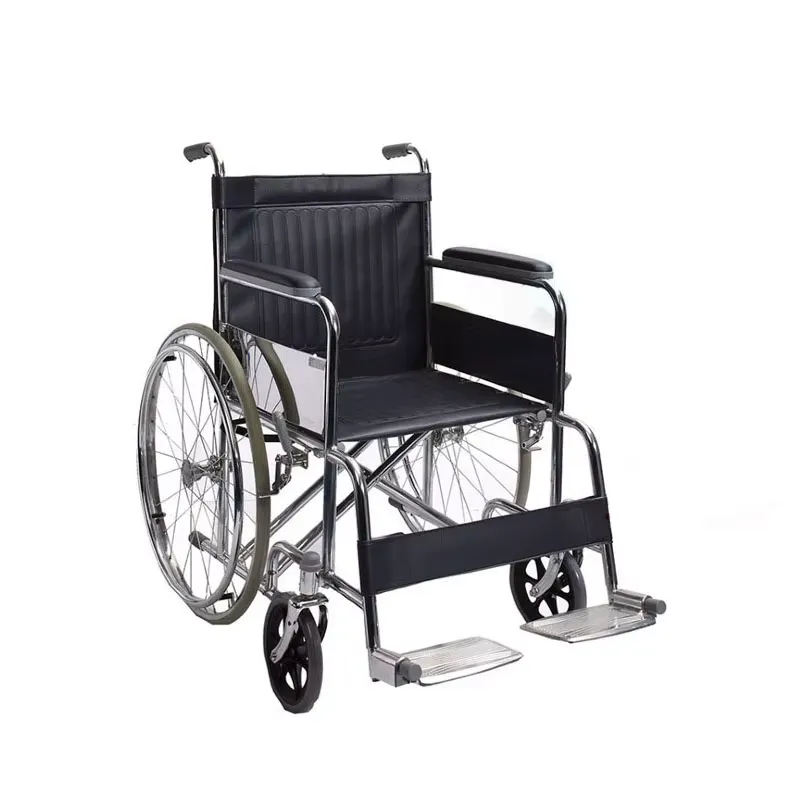
Manual wheelchair cushion fit should consider the seat base, cushion dimensions and the person's assessed seating needs. A cushion that matches the seat width may still be unsuitable for the intended support.
Review the complete seating setup
Review the chair and cushion together. Ask a qualified seating professional to review personal requirements. Buyers can prepare the exact chair and cushion details for that decision.
- Chair model
- Cushion model
- Seating needs
| Check | Record or reference |
|---|---|
| Chair model | Product file |
| Cushion model | Specification |
| Seating needs | Assessment |
Key Takeaway: The comparison covers both product geometry and personal needs.
Which seat measurements should be confirmed?
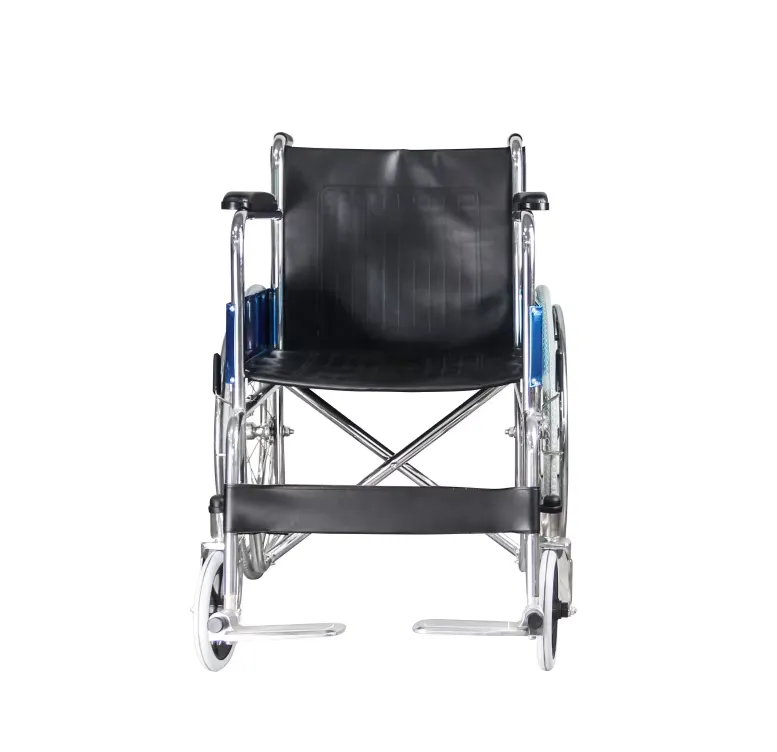
For manual wheelchair cushion fit, distinguish usable seat width and depth from overall chair dimensions. A frame-width figure cannot tell you how a cushion sits on the seat base.
Define usable seat measurements
Name the surface being measured. Use the maker's reference points and record the chair setup. Ask for clarification where the upholstery shape changes the usable area. Record the fitted armrests when describing usable seating space.
- Usable width
- Usable depth
- Seat base
| Check | Record or reference |
|---|---|
| Usable width | Drawing |
| Usable depth | Measurement |
| Seat base | Product view |
Key Takeaway: You can compare like dimensions without relying on a catalog label.
How should cushion dimensions be described?
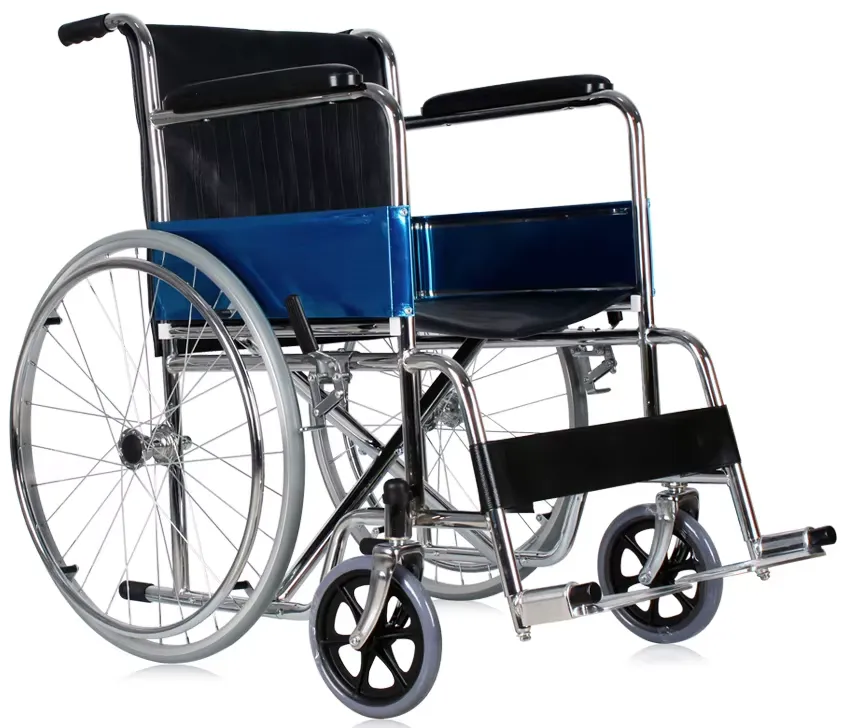
Manual wheelchair cushion fit needs the cushion's specified size and relevant conditions for measuring it. A loose cover or unloaded sample may not describe every feature important to seating.
Confirm cushion size conditions
Use the supplied setup. Request the current product instructions and approved size details. Leave pressure-management and personal support decisions with the seating professional.
- Nominal size
- Measurement conditions
- Support decision
| Check | Record or reference |
|---|---|
| Nominal size | Specification |
| Measurement conditions | Guide |
| Support decision | Assessment |
Key Takeaway: The size evidence has a clear meaning.
What can cushion thickness change?
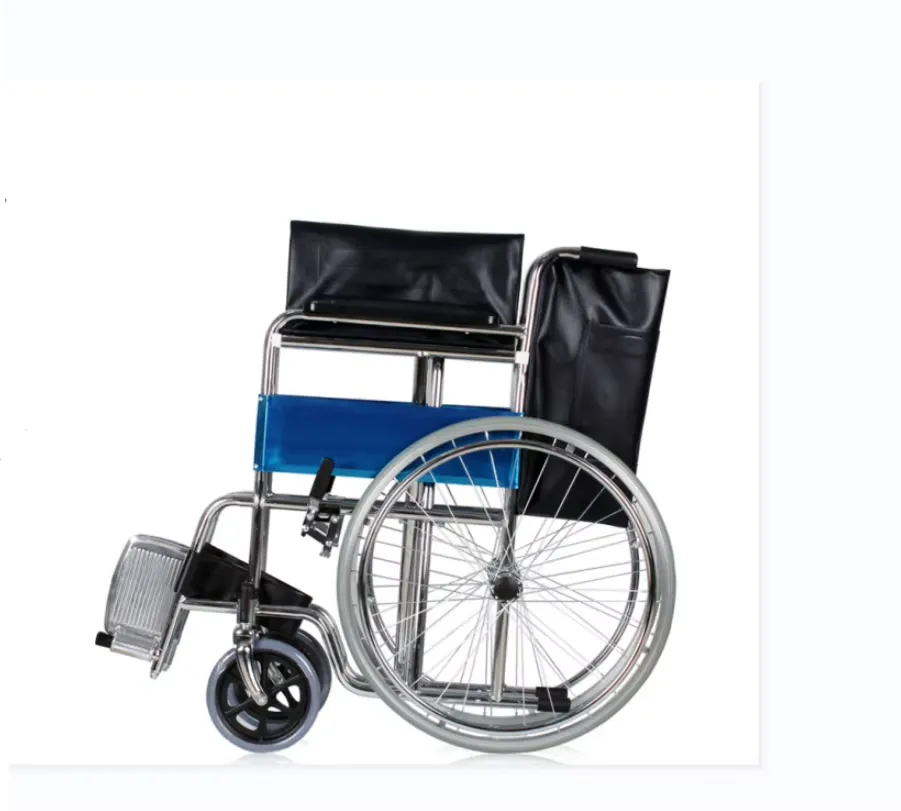
For manual wheelchair cushion fit, cushion thickness can change the relationship between the seated person, arm supports and foot supports. Adding a cushion is therefore more than filling the seat surface.
Review the effect of thickness
Review the resulting seating geometry. Ask the seating professional to review the complete arrangement. Do not select a thickness solely to make a published seat-height number look suitable. Include the foot-support configuration in the completed seating record.
- Cushion thickness
- Support relationships
- Final setup
| Check | Record or reference |
|---|---|
| Cushion thickness | Product file |
| Support relationships | Assessment |
| Final setup | Record |
Key Takeaway: The complete seating arrangement can be reviewed after the addition.
How should the seat base be assessed?
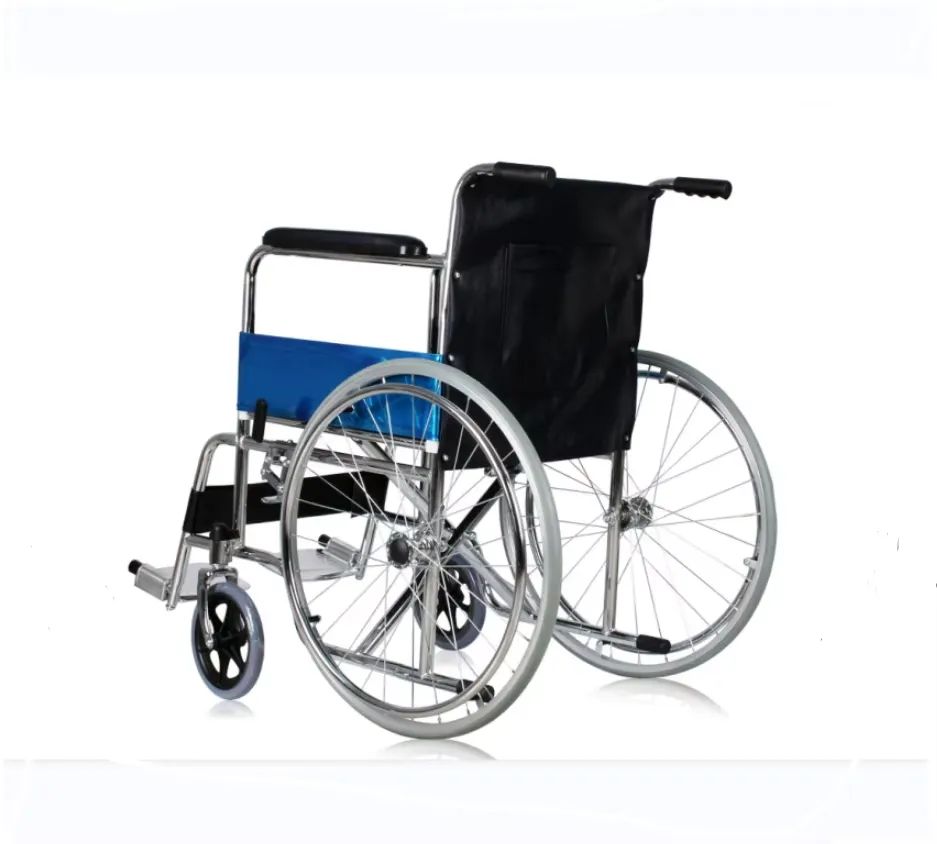
Manual wheelchair cushion fit should consider whether the cushion is intended for the actual sling, panel or other seat base. A soft-looking cushion does not prove compatibility with every wheelchair seat.
Identify the supporting seat base
Check the support beneath the cushion. Give the assessor the base design and maker's guidance. Do not add a homemade board or pad to correct an uncertain match.
- Base type
- Cushion guidance
- Proposed change
| Check | Record or reference |
|---|---|
| Base type | Chair file |
| Cushion guidance | Manual |
| Proposed change | Professional review |
Key Takeaway: The supporting surface is included in the fit decision.
What matters about covers and attachment?
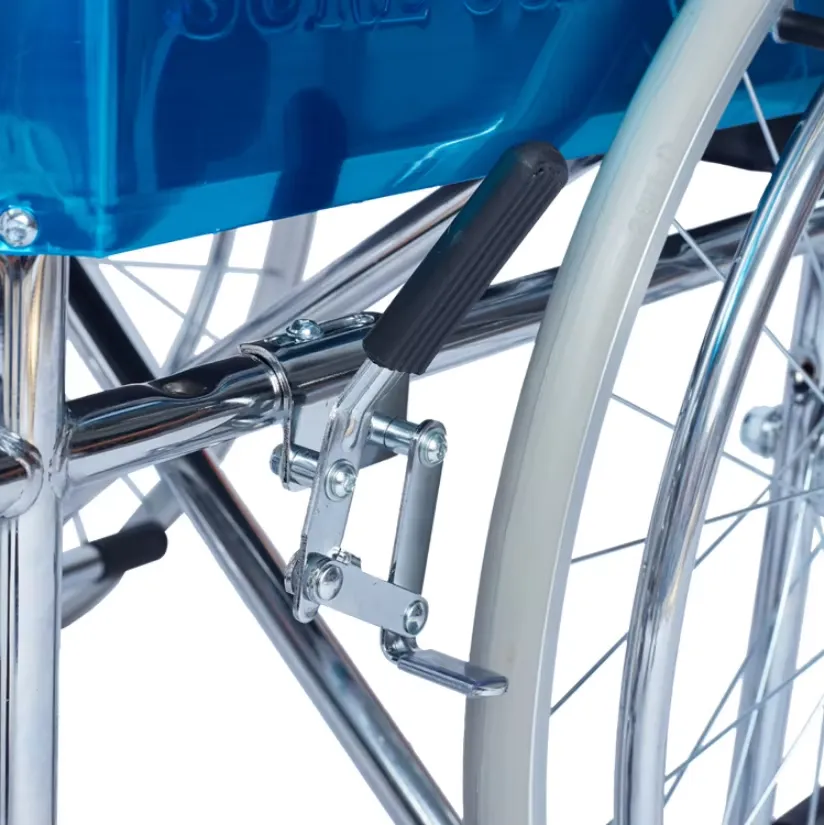
For manual wheelchair cushion fit, use the cover and attachment arrangement specified for the cushion and chair. Substituting a similar cover may change fit or conflict with product guidance.
Keep covers and fittings matched
Keep the specified parts together. Confirm which fasteners or positioning features are supplied. Refer an uncertain attachment to the relevant maker or seating professional.
- Cover version
- Attachment method
- Complete set
| Check | Record or reference |
|---|---|
| Cover version | Part code |
| Attachment method | Guide |
| Complete set | Contents list |
Key Takeaway: The review covers the supplied system rather than the cushion core alone.
How should care needs be compared?
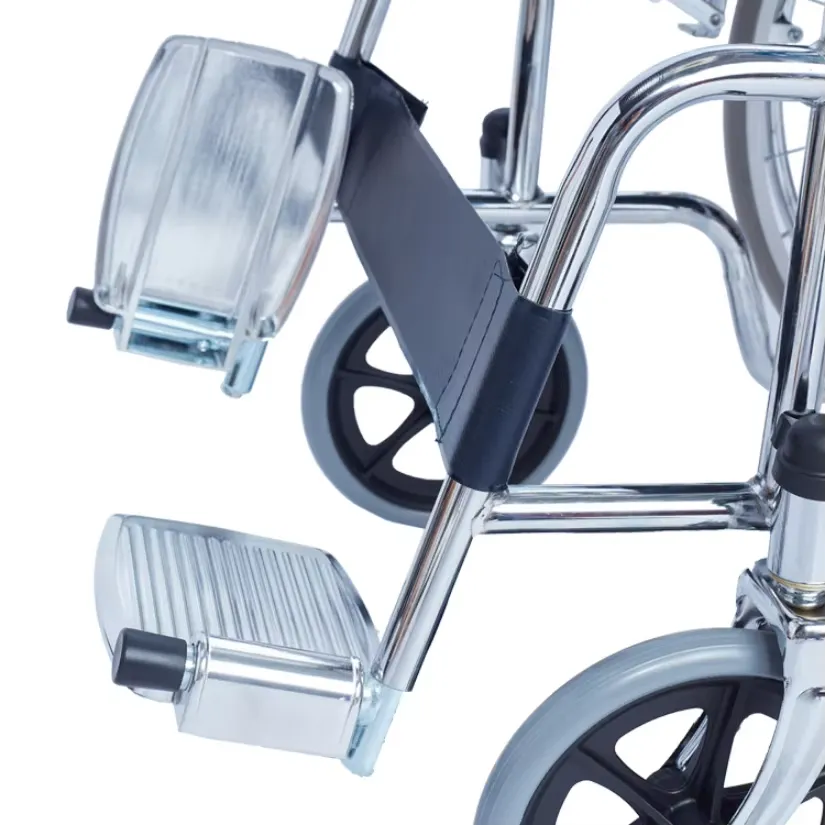
Manual wheelchair cushion fit includes whether the buyer can follow the approved care process for the cushion, cover and chair. A shared color or fabric appearance does not establish the same cleaning limits.
Compare the care instructions
Match care guidance to the actual materials. Have the responsible care team compare the instructions. Ask the supplier to resolve conflicts before adopting a common cleaning method.
- Cushion care
- Chair care
- Process conflict
| Check | Record or reference |
|---|---|
| Cushion care | Guide |
| Chair care | Guide |
| Process conflict | Review note |
Key Takeaway: A selected seating setup can be maintained within its product limits.
What should a sample review involve?
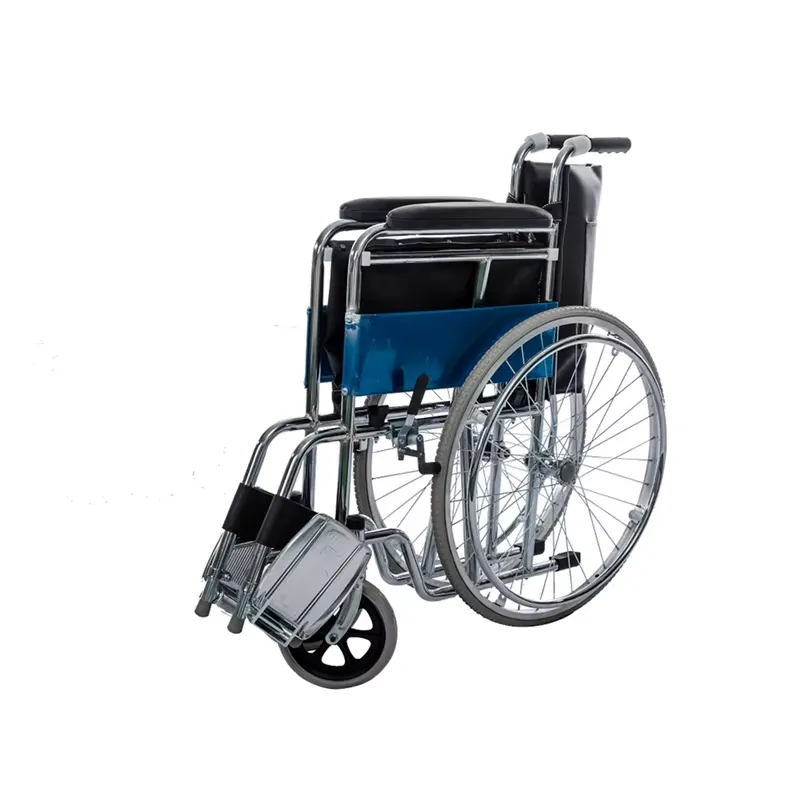
A sample review of manual wheelchair cushion fit should follow the qualified assessor's plan where personal seating is involved. A buyer inspection can confirm product identity and dimensions but cannot promise a clinical outcome.
Set the sample-review scope
Use the assessment's defined scope. Record the exact sample and cover version. Keep observations and any limits of the review with the selection decision. Clarify the sample version during the supplier review.
- Sample identity
- Review scope
- Finding
| Check | Record or reference |
|---|---|
| Sample identity | Label |
| Review scope | Assessment plan |
| Finding | Record |
Key Takeaway: The sample evidence stays tied to the arrangement reviewed.
When should cushion fit be reassessed?
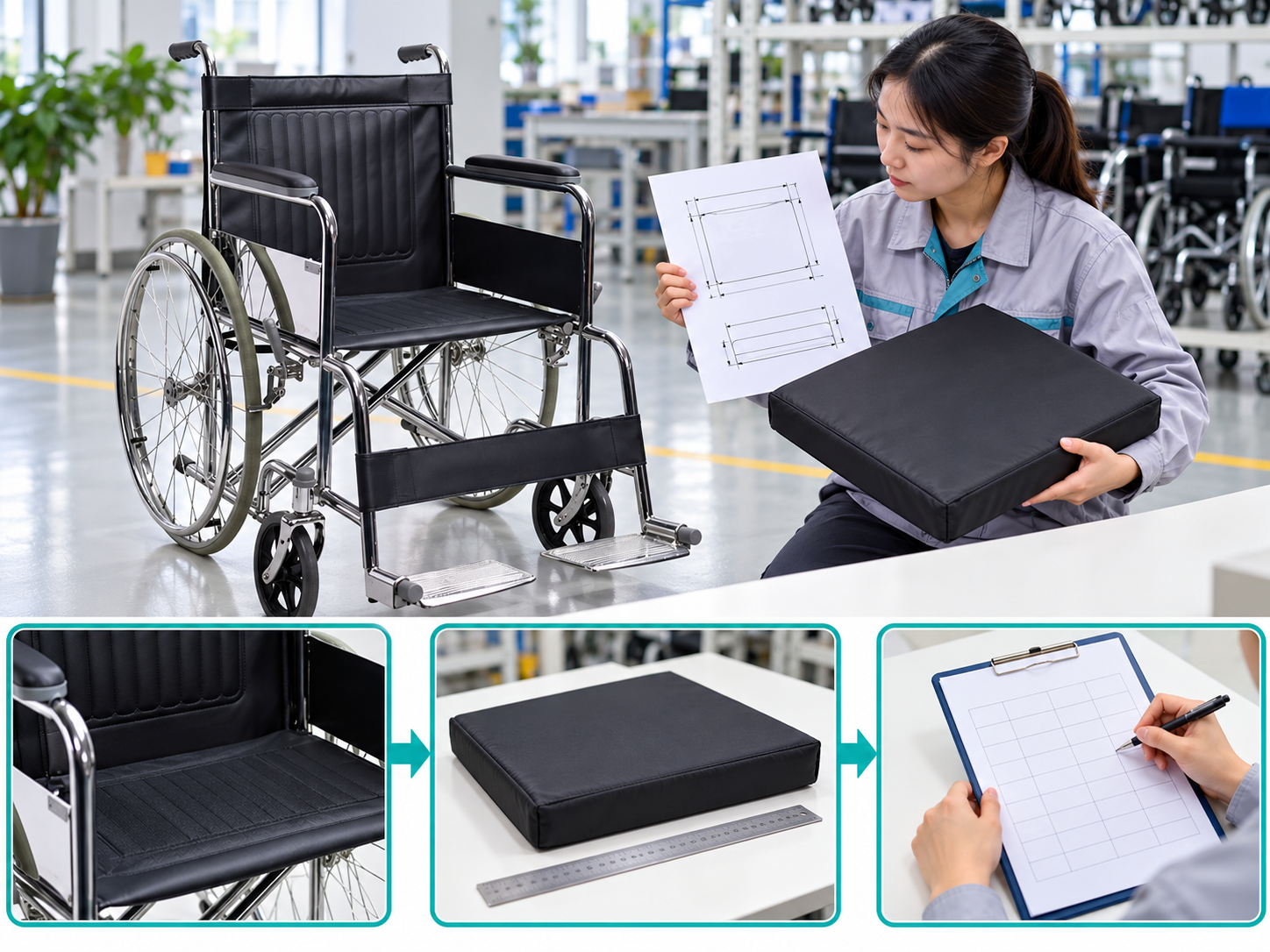
Reassess manual wheelchair cushion fit when seating needs, chair settings or cushion components change. New discomfort or skin concerns should be raised with the suitable health professional.
Reassess meaningful changes
Review changes in the person or equipment. Keep product and service records current. A replacement that looks the same still needs confirmation of the correct version. The NHS walking-aid and wheelchair guidance provides general selection context.
- Personal concern
- Chair change
- Replacement version
| Check | Record or reference |
|---|---|
| Personal concern | Care referral |
| Chair change | Service note |
| Replacement version | Parts record |
Key Takeaway: The seating decision can be revisited using current facts.
What should a cushion-fit enquiry contain?
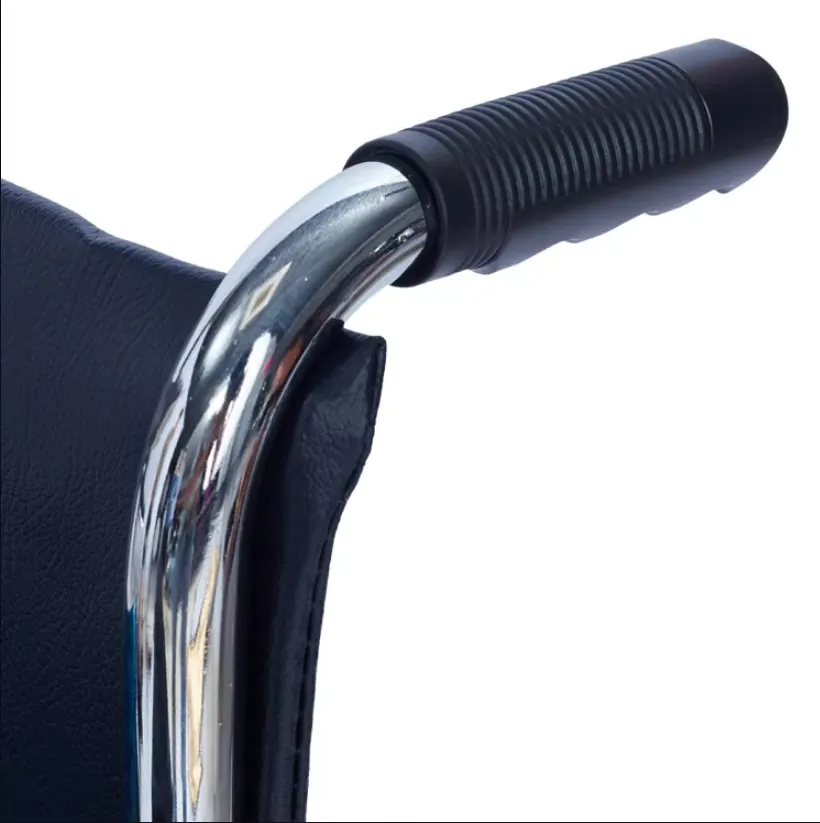
For manual wheelchair cushion fit, buyers should send the exact chair, seat-base details and the questions raised by the seating professional. Share personal details only through the suitable process.
What should you do next?
Provide the missing product facts. Ask for current cushion dimensions, instructions and supported combinations. Keep the final personal seating choice with the qualified assessor.
- Chair facts
- Cushion facts
- Assessment question
| Check | Record or reference |
|---|---|
| Chair facts | Enquiry |
| Cushion facts | Supplier file |
| Assessment question | Review brief |
Key Takeaway: The supplier can support a specific product comparison. To discuss the model and documents for your order, contact us with your requirements. At AryMD, useful product facts should support every care-equipment purchase.
Frequently asked questions
Q1: Can I choose a cushion from seat width alone?
No. Seat depth, base, cushion guidance and the person's assessed seating needs also matter.
Q2: What’s the best cushion thickness for every chair?
There is no universal thickness. A qualified seating review should consider the complete chair and person.
Q3: How do I know whether a cushion suits a sling seat?
Check the cushion and chair guidance, then provide that details to the seating professional.
Q4: Can I swap a similar-looking cover?
Only where the relevant product guidance supports it. Cover and attachment differences can affect the supplied arrangement.
Q5: Should new discomfort trigger a review?
Yes. Raise discomfort or skin concerns with an suitable health professional and keep current product details available.