
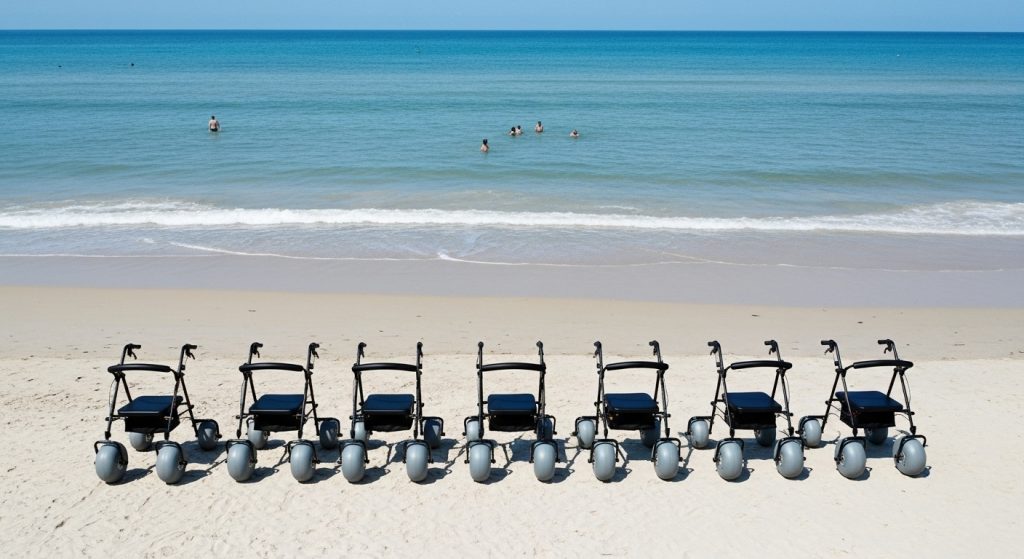
Also, Beach walker comfort comes from suitable user fit, handle access, controls, route conditions, rest planning, and a properly configured product. A cushion, large wheel, or padded handle cannot correct a poor fit or an unsuitable route. Review comfort through a controlled trial rather than a universal claim.
Then, ADA mobility-device guidance provides policy context. Individual suitability still needs appropriate professional review, current product instructions, and a trial with the exact beach walker.
What Does Beach Walker Comfort Mean?
However, Comfort includes handle position, walking posture, control access, effort, support, rest options, surface drag, and duration. Each factor depends on the user and route.
For example, Define the task first. Use the beach walker page for model records.
- Name the intended route.
- Record user support needs.
- Separate comfort from performance claims.
| Comfort area | Evidence |
|---|---|
| Handles | Approved position |
| Route | Controlled trial |
| Rest | Suitable plan |
Meanwhile, Key Takeaway: Comfort needs a defined user and route.
How Should Handle Fit Be Checked?
Instead, Review handle height, width, grip, wrist position, reach, and control access with the user standing and moving under suitable supervision.
As a result, Use the actual setup. Do not assume adjustable handles cover every body or support need.
- Set approved handle position.
- Check hand and wrist access.
- Record adjustment range used.
| Handle item | Pass condition |
|---|---|
| Height | Approved posture |
| Grip | Usable access |
| Adjustment | Locked and recorded |
Also, Key Takeaway: Handle fit can change the whole walking task.
What Brake and Control Checks Matter?
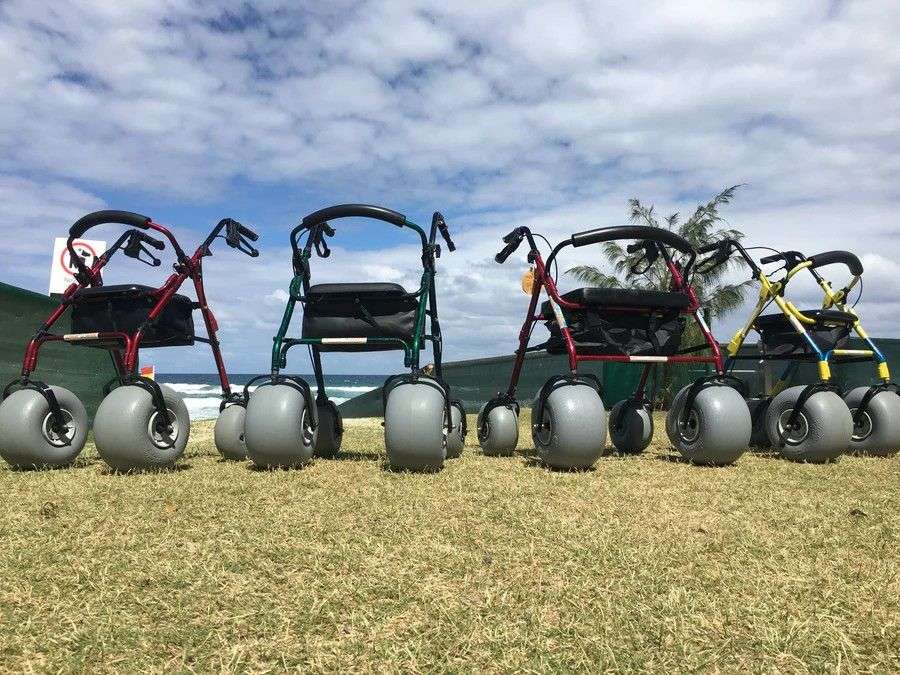
Then, Follow current instructions for service brakes, parking brakes, folding locks, and any powered controls. Test on a suitable controlled surface.
However, Understand controls before the route. Use the beach route guide.
- Identify every control.
- Repeat stop and parking steps.
- Record unclear behavior.
| Control | Check |
|---|---|
| Brake | Works as instructed |
| Parking | Holds under approved conditions |
| Lock | Fully engaged |
For example, Key Takeaway: Control confidence supports comfort.
When Does a Seat Improve or Complicate Comfort?
Meanwhile, A fitted seat can provide a rest option, but it adds questions about height, supports, access, brakes, surface stability, and individual suitability.
Instead, Review sitting separately. Only use a seat fitted and approved for the exact model.
- Choose a suitable rest point.
- Use controls as instructed.
- Review transfer and support needs.
| Seat area | Question |
|---|---|
| Height | Fits approved setup? |
| Surface | Suitable for rest? |
| Access | Can the user turn and sit? |
As a result, Key Takeaway: A seat creates a second fit decision.
How Do Sand and Route Conditions Affect Comfort?
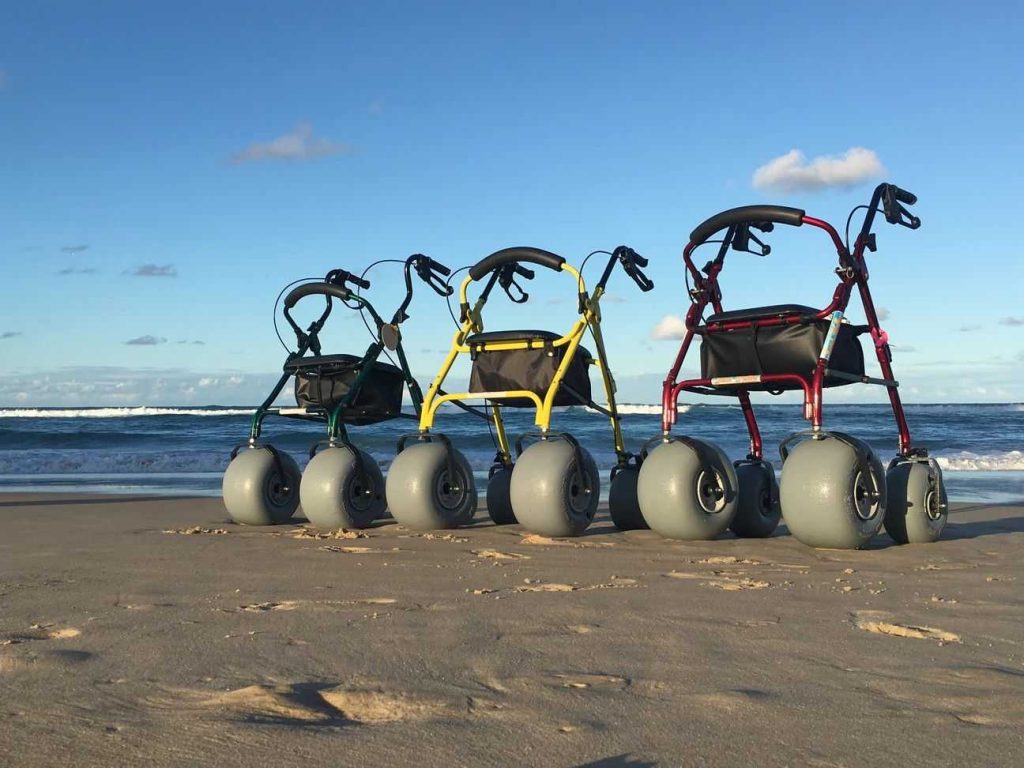
Also, Soft sand, slopes, transitions, turns, heat, wind, and distance can change effort and control. Trial the walker on the intended route and conditions.
Then, Test the real surface. Use the all-terrain walker guide and route plan.
- Map surface changes.
- Plan rest points.
- Record conditions.
| Route item | Comfort effect |
|---|---|
| Soft sand | Effort and steering |
| Slope | Control and support |
| Distance | Rest planning |
However, Key Takeaway: Route conditions can outweigh product padding.
What Should a Comfort Trial Include?
For example, Use a timed but non-prescriptive sequence for standing, walking, stopping, turning, resting where approved, folding, and return. Record observations without inventing clinical conclusions.
Meanwhile, Keep the trial repeatable. Suitable professionals should guide individual decisions.
- Use the same route.
- Record fit and control concerns.
- Stop when conditions are unsuitable.
| Trial result | Meaning |
|---|---|
| Pass | Meets written need |
| Concern | Needs review |
| Not tested | No conclusion |
Instead, Key Takeaway: A repeatable trial reveals real tradeoffs.

Which Accessories Can Affect Comfort?
As a result, Bags, seats, back supports, grips, trays, or other accessories can change balance, access, folding, cleaning, and route clearance. Use only approved model-specific options.
Also, Treat accessories as configuration changes. Record each fitted item and support path.
- Confirm compatibility.
- Check route clearance.
- Update handling instructions.
| Accessory | Recheck |
|---|---|
| Bag | Load and clearance |
| Seat support | Fit and folding |
| Grip | Control access |
Then, Key Takeaway: An accessory should solve a documented need.
How Do Cleaning and Maintenance Affect Comfort?
However, Worn grips, loose controls, damaged wheels, contaminated bearings, or wet fabric can change the user experience. Follow current inspection and care instructions.
For example, Comfort depends on condition. Use the coastal storage plan.
- Inspect before use.
- Dry after approved cleaning.
- Record faults and repairs.
| Condition item | Action |
|---|---|
| Grip | Inspect and replace as approved |
| Wheel | Check wear and mounting |
| Fabric | Clean and dry |
Meanwhile, Key Takeaway: Maintenance protects the configured fit.
How Should Staff Explain Comfort and Limits?
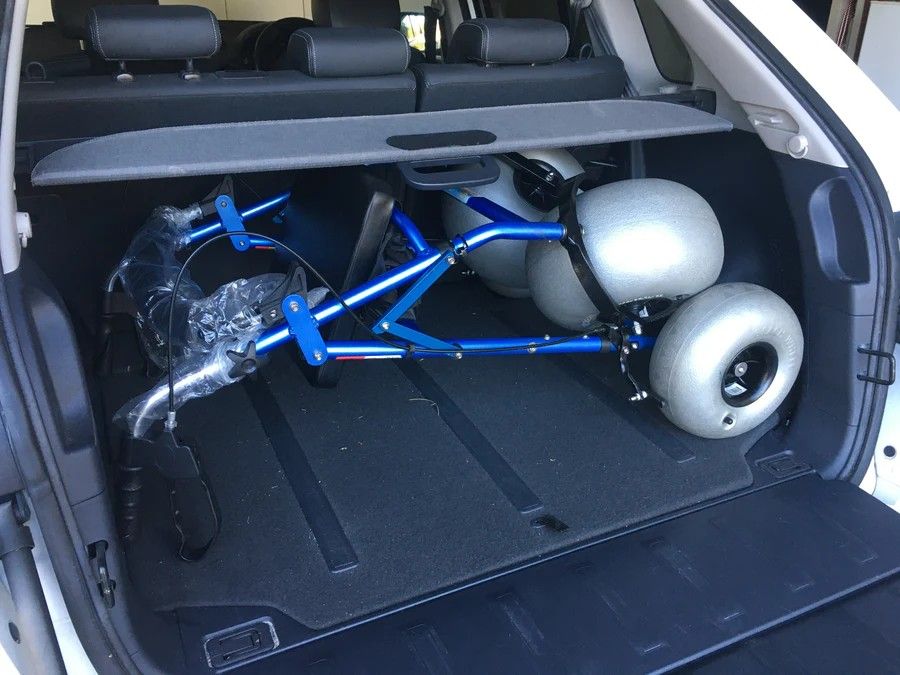
Instead, Staff should describe setup, route, rest options, controls, return, and service limits without promising pain relief, safety, or suitability for every user.
As a result, Use evidence-bounded language. Follow the staff training plan and handoff workflow.
- Explain approved setup.
- Name route limits.
- Provide issue contacts.
| Message | Boundary |
|---|---|
| Comfort | User feedback only |
| Safety | No guarantee |
| Fit | Assessment-dependent |
Also, Key Takeaway: Clear language prevents false reassurance.
What Is the Best Beach Walker Comfort File?
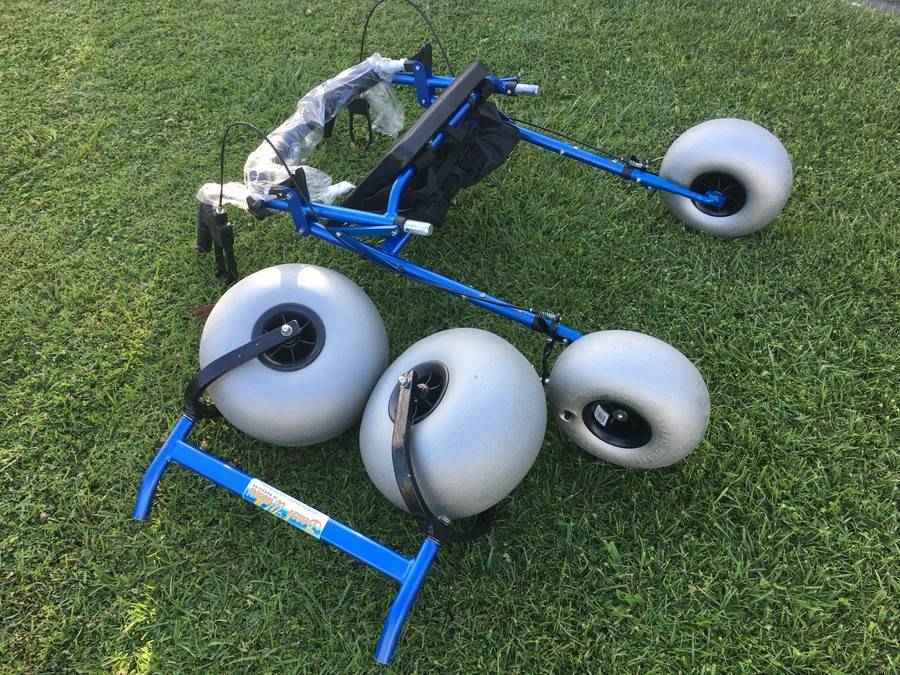
Then, Keep user needs, handle setup, controls, route, seat use, accessories, trial, cleaning, maintenance, training, and supplier records. Preserve the original featured image.
However, Finish with one configuration file. Use the supplier question guide.
- Date every trial.
- Use the exact model.
- Retain changes and concerns.
| File area | Pass condition |
|---|---|
| Fit | Approved setup |
| Route | Tested |
| Support | Documented |
For example, Key Takeaway: Comfort should be reviewed, not advertised as universal.
Is a padded seat enough to make a beach walker comfortable?
Meanwhile, No. Fit, controls, route, effort, supports, and individual needs also matter.
Do wide wheels reduce effort on every surface?
Instead, No. Surface, slope, wheel design, product configuration, and user needs vary.
Should comfort be tested on the real route?
As a result, Use a suitable controlled version of the intended route.
Can staff promise comfort?
Also, No. Staff can explain the setup and record feedback, but individual comfort cannot be guaranteed.
Will the main image change?
Then, No. The original featured image remains.