
Also, Beach wheelchair user access begins with reliable information and continues through arrival, route, fit, transfer, staff support, equipment, changing conditions, return, and issue response. A chair on the sand does not create a complete accessible service by itself.
Then, ADA mobility-device guidance provides policy context. The California Coastal Commission directory shows why users should confirm availability and local arrangements directly. Individual needs still require suitable review.
What Information Supports Beach Wheelchair User Access?
However, Publish current reservation, equipment, parking, pickup, route, facilities, staff, service hours, closures, return, and contact information.
For example, Make the trip knowable. Use the beach access guide.
- Date information.
- Offer contact alternatives.
- Remove outdated claims.
| Information | Owner |
|---|---|
| Equipment | Fleet team |
| Route | Site operations |
| Booking | Guest service |
Meanwhile, Key Takeaway: Information is part of access.
How Should Arrival Be Planned?
Instead, Review parking, drop-off, transport, curb transitions, path width, gates, distance, and equipment handoff before the sand route.
As a result, Start at the boundary. Share accurate directions before travel.
- Confirm arrival point.
- Map obstacles.
- Provide help contacts.
| Arrival item | Check |
|---|---|
| Parking | Available |
| Path | Continuous |
| Gate | Usable |
Also, Key Takeaway: Access begins before the beach.
What Route Checks Matter to Users?
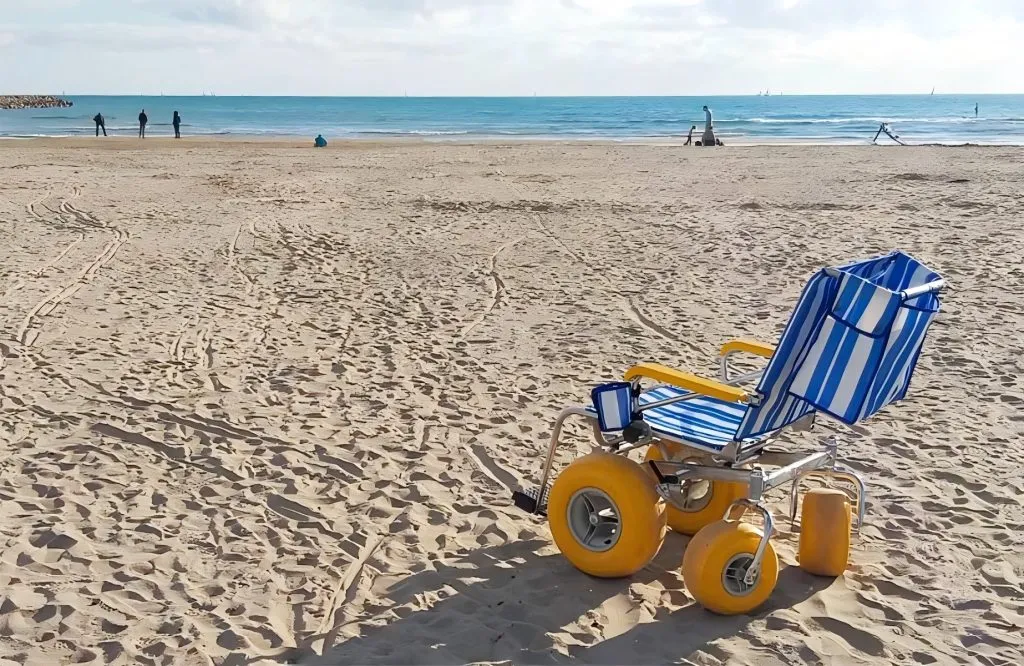
Then, Check boardwalks, mats, sand, slopes, turns, rest points, toilets, shoreline limits, changing conditions, and return.
However, Walk the route. Use the route guide.
- Map transitions.
- Record conditions.
- Mark service limits.
| Route area | Evidence |
|---|---|
| Firm path | Width |
| Sand | Trial |
| Return | Clear route |
For example, Key Takeaway: Current route evidence reduces surprises.
How Should Chair Fit and Transfers Be Reviewed?
Meanwhile, Review seating, supports, transfer access, restraints where fitted, and individual needs with suitable professionals. Avoid universal transfer instructions.
Instead, Keep plans personal. Use stable suitable transfer locations and approved support.
- Record fit needs.
- Plan transfer.
- Confirm support roles.
| Fit item | Evidence |
|---|---|
| Seat | Approved setup |
| Transfer | Individual plan |
| Support | Available role |
As a result, Key Takeaway: User access depends on suitable fit.
Which Product Type Supports the Route?
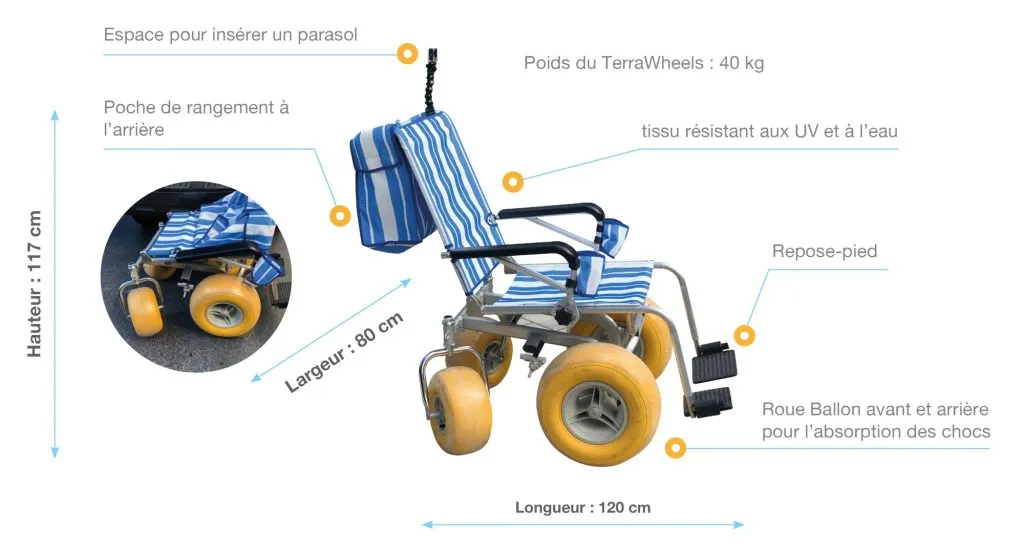
Also, Separate all-terrain, floating, lightweight, powered, and walker products. Match the exact product to the route and service.
Then, Do not mix capabilities. Use the type comparison and beach series.
- Define intended task.
- Confirm approved use.
- Trial the sample.
| Type | Review |
|---|---|
| All-terrain | Land route |
| Floating | Water service |
| Walker | Walking support |
However, Key Takeaway: Product type should follow the use case.
How Does Staff Support Shape User Access?
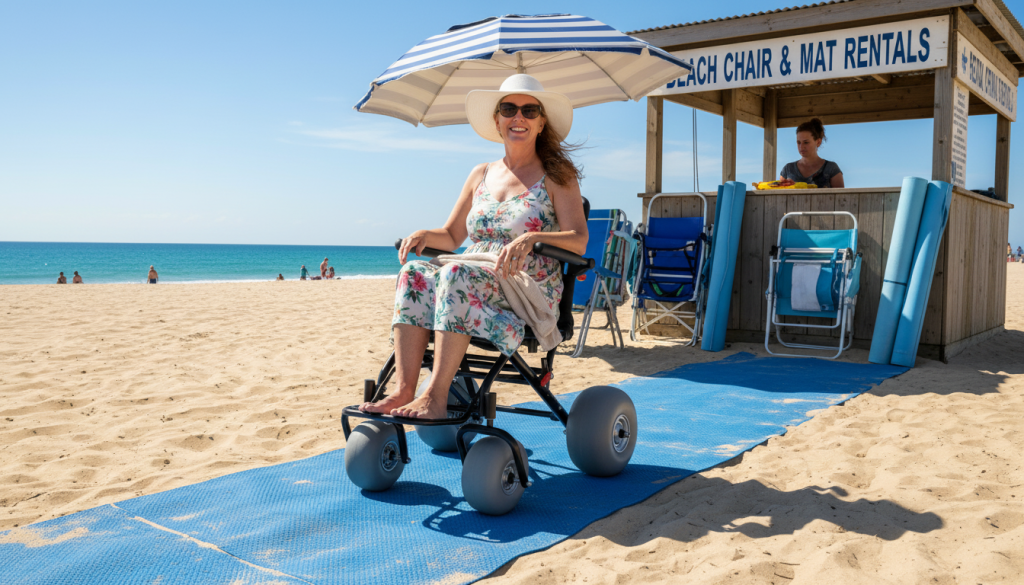
For example, Staff manage reservations, inspection, setup, route briefings, transfer boundaries, return, cleaning, and issue response. Gaps should be disclosed.
Meanwhile, Assign every task. Use the handoff plan.
- Name roles.
- Train repeatable steps.
- Keep escalation contacts.
| Role | Task |
|---|---|
| Booking | Current information |
| Handoff | Setup and limits |
| Return | Condition record |
Instead, Key Takeaway: Staff support completes the service.
What Should Happen When Conditions Change?
As a result, Weather, tide, sand, heat, closures, staffing, and equipment condition can change access. Follow local decisions and communicate alternatives.
Also, Plan the fallback. Do not promise access from a forecast.
- Check service-day conditions.
- Name decision owner.
- Offer current alternatives.
| Change | Response |
|---|---|
| Weather | Confirm status |
| Closure | Use policy |
| Equipment fault | Escalate |
Then, Key Takeaway: Accessible service needs a change plan.
What Is the Best Beach Wheelchair User Access File?
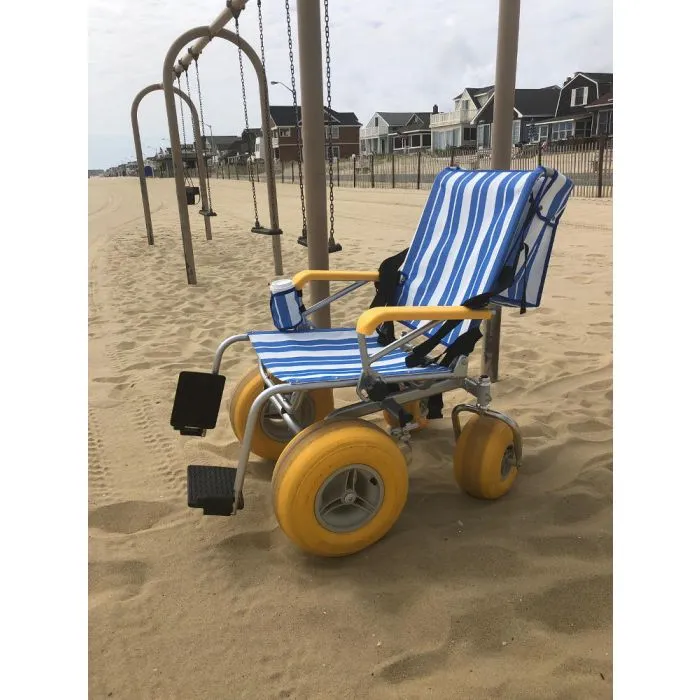
However, Keep booking, user needs, arrival, route, equipment, staff, transfer, conditions, return, feedback, and issue records. Preserve the original featured image.
For example, Close the loop. Use the care guide, storage plan, and procurement file.
- Date every record.
- Track unmet requests.
- Assign corrective action.
| File area | Pass condition |
|---|---|
| Trip | Confirmed |
| Service | Delivered |
| Issue | Closed |
Meanwhile, Key Takeaway: A traceable journey supports better access.
Does a beach wheelchair guarantee access?
Instead, No. Arrival, route, fit, staff, conditions, and facilities also matter.
Should users confirm availability?
As a result, Yes. Contact the destination directly.
Can every chair enter water?
Also, No. Only use approved floating products under the local service plan.
What if conditions change?
Then, Follow local decisions and use current alternatives.
Will the main image change?
However, No. The original featured image remains.