
Foldable electric wheelchair coverage is not decided by folding convenience alone. Medicare, Medicaid, and private plans review current benefit rules, documented need, the exact item, supplier status, and authorization requirements. A folding design can affect product fit and transport, while coverage remains a separate payer decision.
Also, This guide uses Medicare’s wheelchair coverage page, its prior-authorization list, and Medicaid’s DME definition. It removes fixed cost and approval promises and directs readers to current plan-specific guidance.
Does Folding Design Determine Coverage?
No. Folding affects storage, transport, and handling. Coverage depends on current program rules, documented need, coding, supplier requirements, and the exact item.
Then, Keep two questions separate. Use product evidence for folding and payer evidence for coverage.
- Record the folding mechanism.
- Identify the payer and benefit.
- Do not treat portability as automatic eligibility.
| Question | Evidence |
|---|---|
| How does it fold? | Current sample and manual |
| Does it fit? | Assessment and route review |
| Is it covered? | Current payer decision |
Key Takeaway: Folding convenience does not create coverage.
What Does Medicare Review for a Power Wheelchair?
However, Medicare describes Part B eligibility, medical necessity, a face-to-face examination, a written prescription, and supplier requirements. Some exact items require prior authorization.
Use the current official page. Avoid old percentages, dollar amounts, or generic promises.
- Check current eligibility.
- Keep provider records.
- Verify supplier participation.
| Record | Purpose |
|---|---|
| Examination | Documents need |
| Written order | Identifies equipment |
| Supplier status | Supports processing |
For example, Key Takeaway: Medicare review follows current records and rules.
Why Does the Exact Model and Code Matter?
A broad term such as “foldable chair” does not identify the billing code, configuration, or authorization path. Match the requested item to current model and coding information.
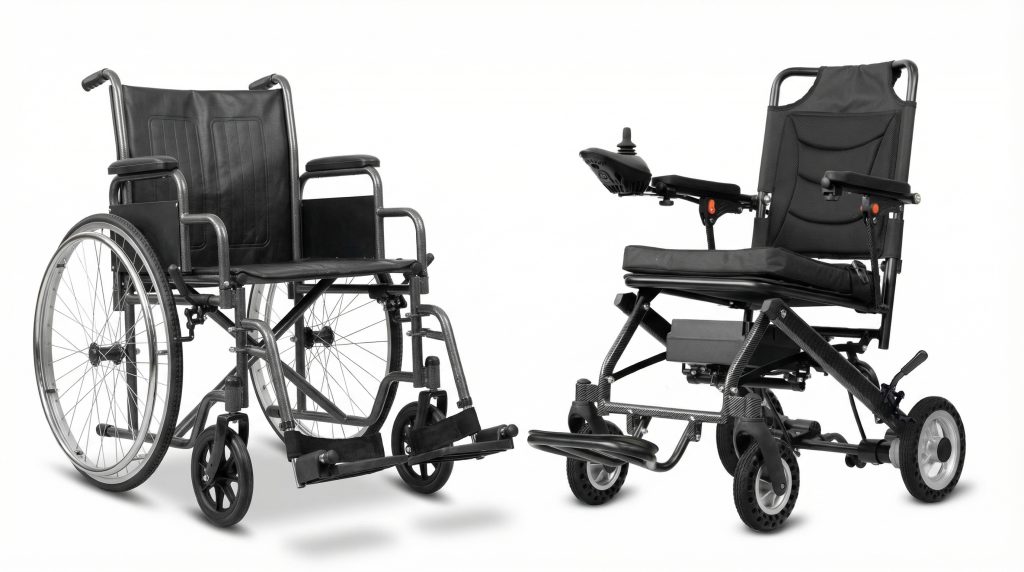
Meanwhile, Control the identity. Use the folding wheelchair comparison for product records.
- Keep model and revision.
- Record approved accessories.
- Check the current authorization list.
| Identity item | Record |
|---|---|
| Base model | Exact identifier |
| Configuration | Approved options |
| Code | Current payer record |
Key Takeaway: Coverage and delivery should reference the same chair.
How Should Home Use and Route Fit Be Documented?
Instead, For Medicare, public guidance focuses on equipment used in the home. Document relevant openings, turns, surfaces, storage, charging, and daily activities with the configured chair.
Measure real spaces. Use the compact route plan and adult fit review.
- Measure clear openings.
- Review turning space.
- Identify storage and charging.
| Route item | Question |
|---|---|
| Doorway | Can the chair pass? |
| Turn | Can the route be completed? |
| Storage | Can it be parked safely? |
As a result, Key Takeaway: The actual route matters more than a “compact” label.
Can Car Loading or Travel Prove Medical Necessity?
Vehicle loading and travel can affect product selection, but they do not replace medical-necessity and benefit rules. Keep those needs in the product file.
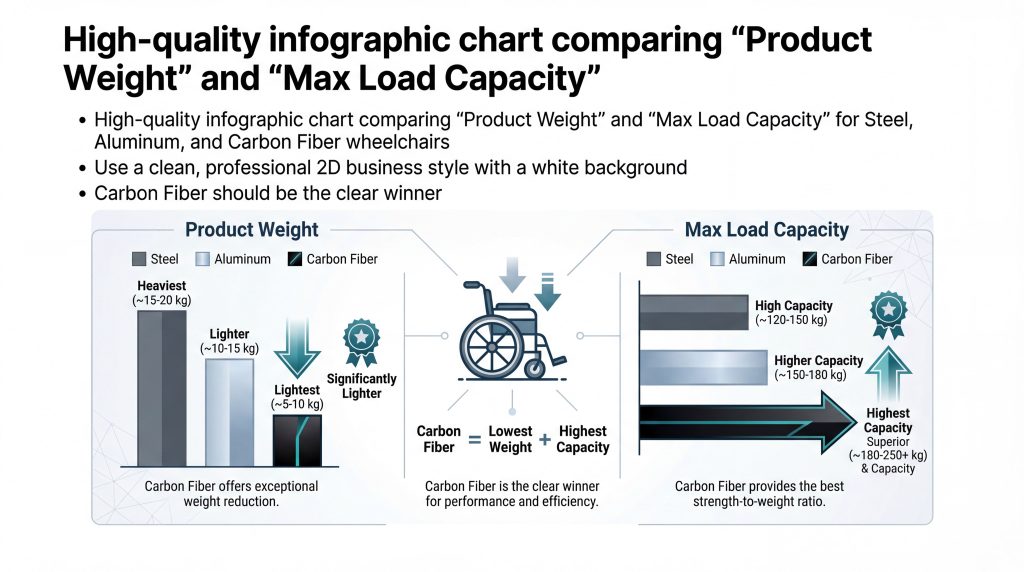
Also, Use travel evidence carefully. Review the travel specification guide.
- Record folded dimensions.
- Check handling points.
- Separate travel fit from coverage.
| Travel item | Decision |
|---|---|
| Folded size | Vehicle fit |
| Battery record | Transport planning |
| Coverage | Payer review |
Key Takeaway: Travel needs support fit, not guaranteed coverage.
How Does Medicaid Review Foldable Electric Wheelchairs?
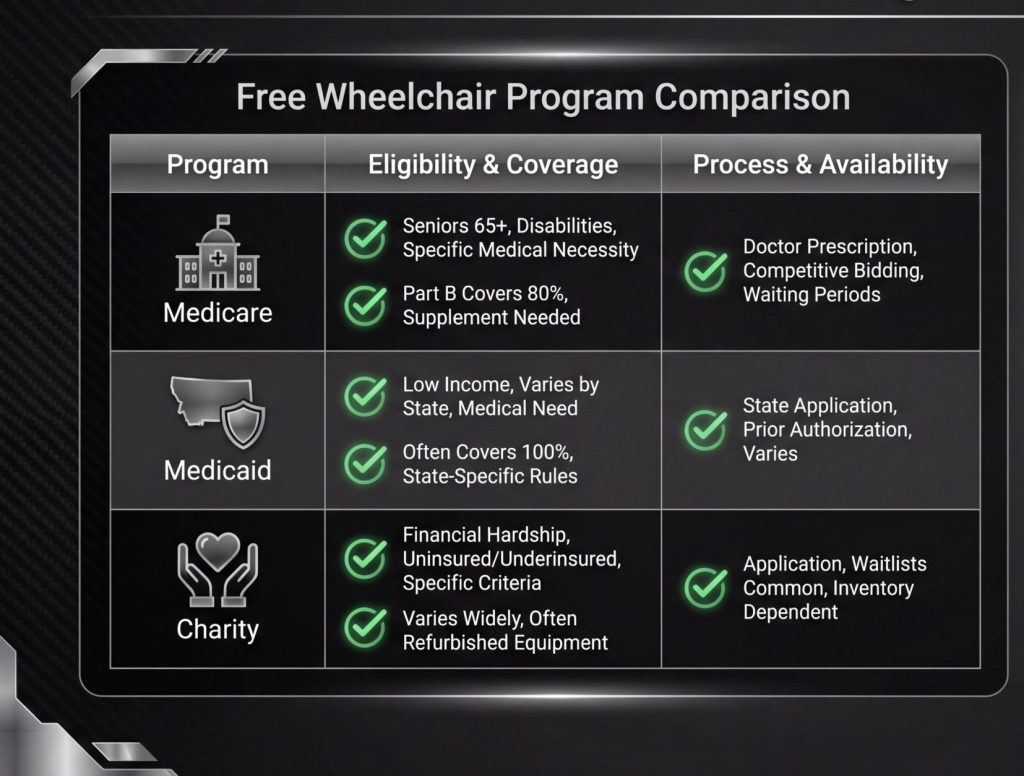
Then, Medicaid rules can vary by state and managed-care plan. Covered items, suppliers, documentation, and authorization should be checked with the current program.
Start with the state. The federal DME definition provides context but not one national checklist.
- Identify state and plan.
- Check current forms.
- Confirm supplier network.
| Question | Source |
|---|---|
| Benefit | State materials |
| Authorization | Plan procedure |
| Supplier | Current directory |
However, Key Takeaway: Medicaid decisions are state- and plan-specific.
What Should Private Insurance Applicants Verify?
Private policies can differ in network, medical policy, documentation, rental rules, and authorization. Request current written instructions for the exact plan.
For example, Build a contact trail. Record every representative, reference, document request, and decision.
- Read the benefit.
- Confirm network suppliers.
- Track authorization and appeals.
| Plan item | Record |
|---|---|
| Benefit | Member document |
| Network | Supplier list |
| Decision | Written notice |
Key Takeaway: Another policy cannot predict this policy.
How Should Supplier Records Support Coverage?
Meanwhile, Supplier records should show the exact chair, configuration, quotation, packing, service, and delivery. Suppliers should not invent clinical findings or promise approval.
Keep role boundaries. Use the supplier review and delivery check.
- Keep model revisions visible.
- Separate quote from benefit.
- Record service responsibility.
| Supplier item | Use |
|---|---|
| Quote | Commercial terms |
| Configuration | Exact equipment |
| Service plan | Support ownership |
Instead, Key Takeaway: Supplier evidence should be exact and reproducible.
What Happens If the Foldable Model Changes?
A substitution can change dimensions, controls, battery, accessories, coding, price, fit, and authorization. Recheck before accepting a different model.
As a result, Treat substitutions as new evidence. Use the joystick handover and route review.
- Record the new identifier.
- Compare every configuration change.
- Confirm payer impact.
| Change | Recheck |
|---|---|
| Model | Fit and coding |
| Control | Access and training |
| Battery | Documents and transport |
Key Takeaway: The approved and delivered models should match.
What Is the Best Foldable Electric Wheelchair File?
Also, Keep current payer rules, provider records, home route, exact model, fold and handling evidence, supplier status, authorization, quote, decision, delivery, and service records in one dated package.
Finish with traceability. Maintain ongoing records through the fleet guide and wheelchair series comparison.
- Date every source.
- Use one exact model.
- Retain written notices.
| File area | Pass condition |
|---|---|
| Rules | Current |
| Product | Exact |
| Decision | Written |
Then, Key Takeaway: A traceable file supports review without guaranteeing approval.
Does folding make an electric wheelchair medically necessary?
No. Folding may affect fit and handling, while medical necessity follows current payer rules and provider records.
Does Medicare cover every foldable model?
However, No. The exact item, documentation, supplier, and any authorization requirements matter.
Does Medicaid use the same rules nationwide?
No. State programs and managed-care plans can differ.
Can a supplier substitute another folding model?
For example, A substitution should be rechecked for fit, configuration, coding, and authorization impact.
Should the original featured image change during SEO work?
No. This workflow preserves the existing featured image as requested.