
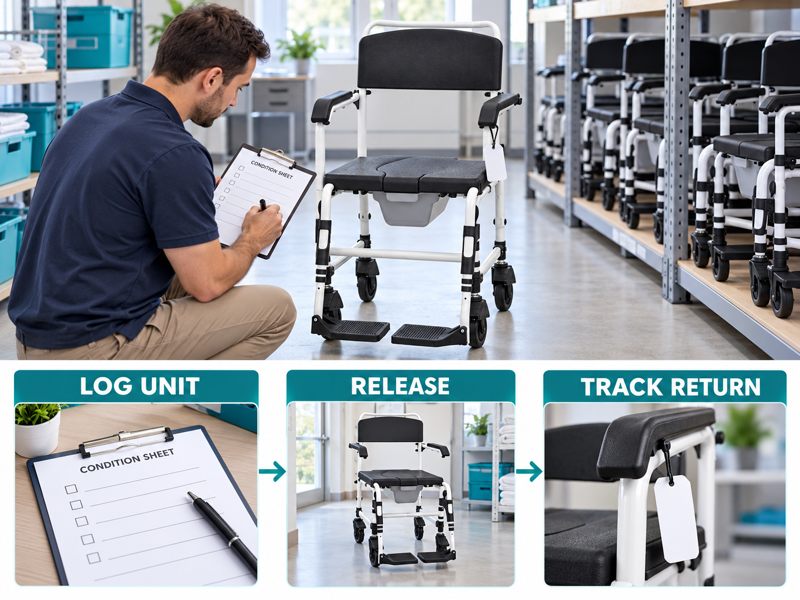
Manage a commode chair rental fleet with unit-level identity, clear stock status and a recorded care-to-release process. A UK rental team may own enough chairs but still lack ready units because several are awaiting parts. Tracking each stage helps you plan bookings around real availability.
What should a commode chair rental fleet track?
A commode chair rental fleet should track each unit from release through rental, return and care processing. A count of chairs in the store does not show how many are ready for the next booking.
Create a connected unit history
Follow each unit through its full cycle. Give each unit an ID linked to its model and service record. Keep ready stock separate from units awaiting cleaning, parts or review.
- Unit ID
- Current status
- Service record
| Check | Record or reference |
|---|---|
| Unit ID | Fleet register |
| Current status | Stock system |
| Service record | Linked file |
Key Takeaway: You can see which chairs are actually available.
How should models be separated in the register?
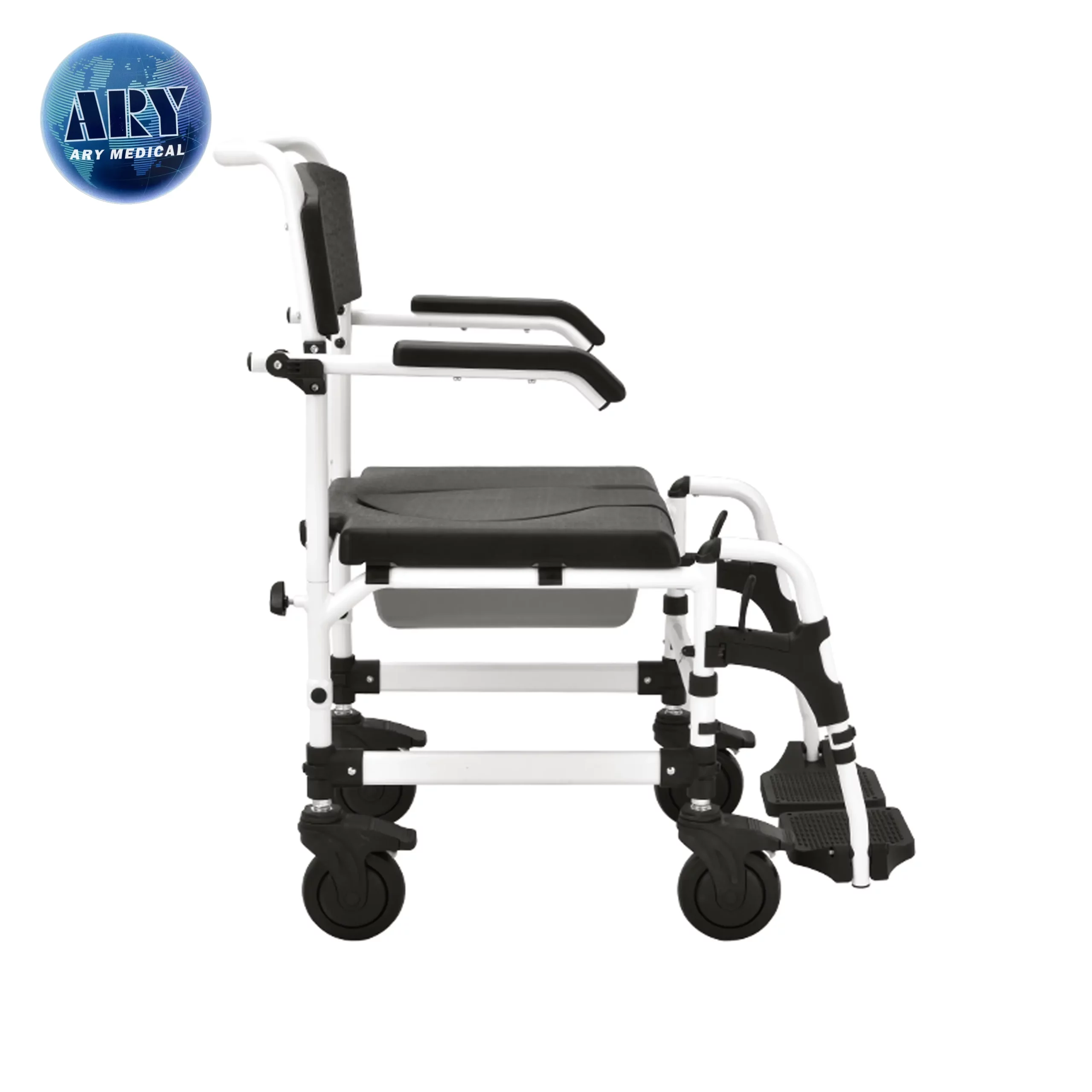
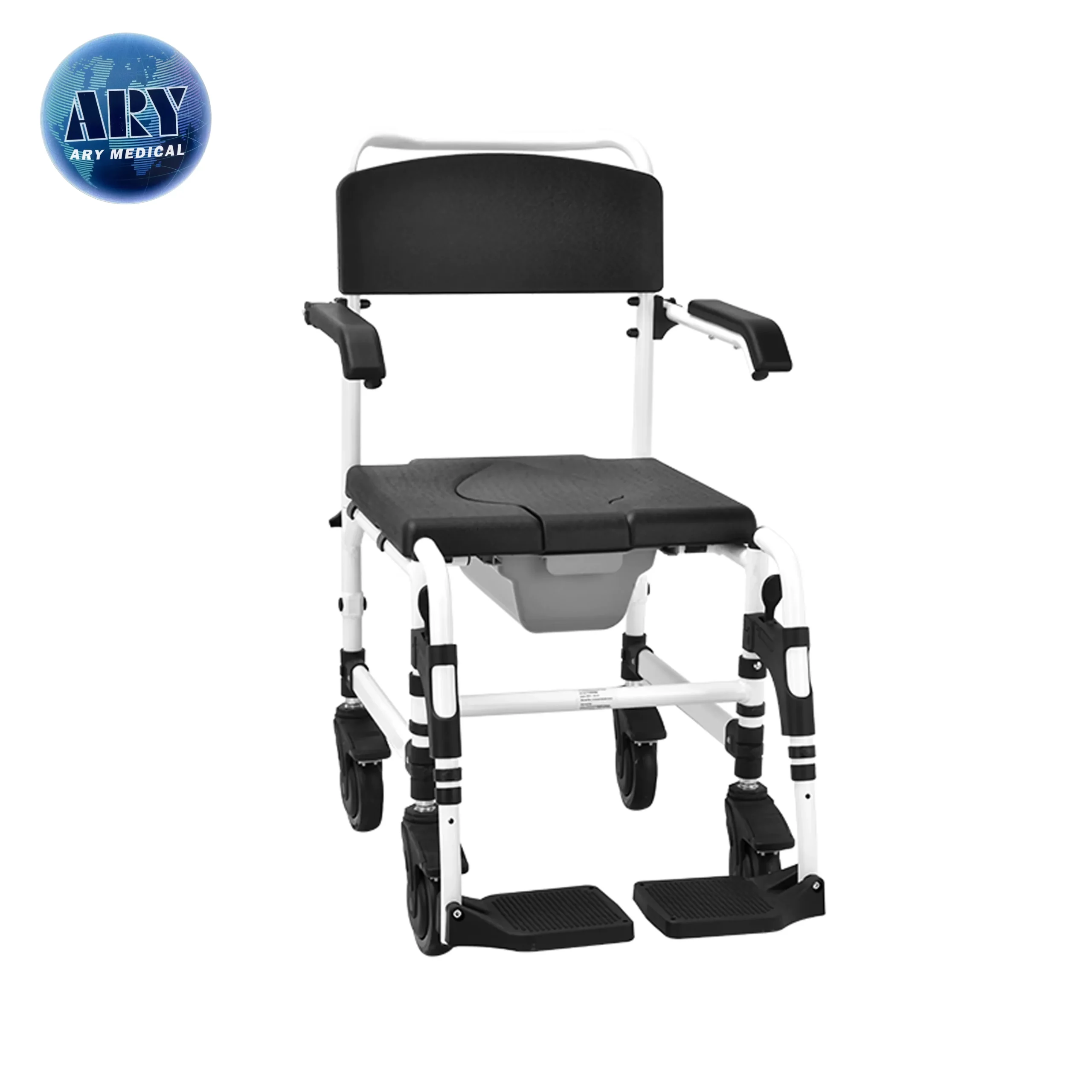
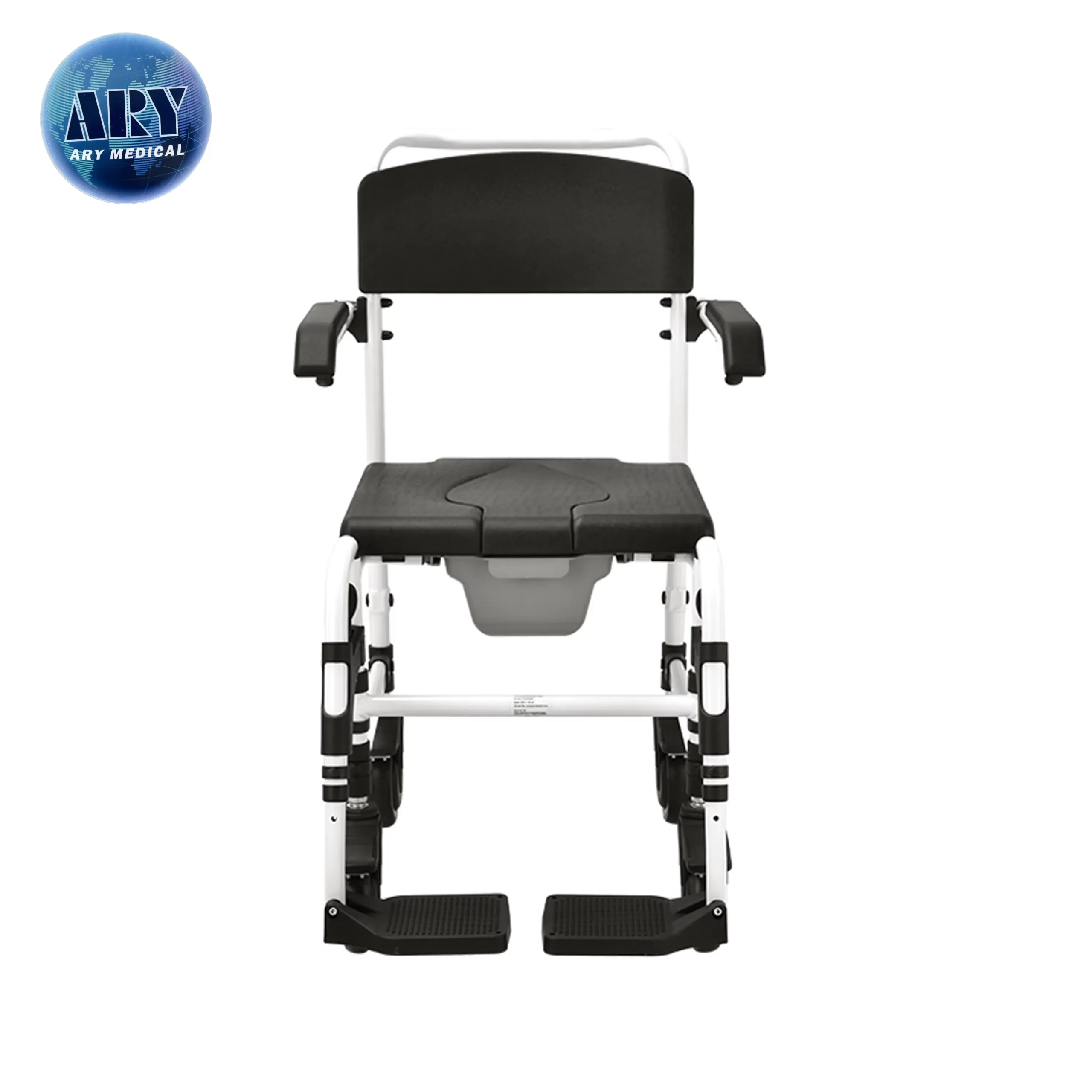
For a commode chair rental fleet, separate models and versions when their parts, dimensions or instructions differ. Two chairs with black seats may need different buckets or brake components.
Separate models and fitted parts
Record differences that affect support. Use the supplier model code alongside your internal unit ID. Record the approved accessories fitted to that unit rather than only its product family. Track the approved bucket configuration alongside the unit record.
- Model code
- Version
- Fitted accessories
| Check | Record or reference |
|---|---|
| Model code | Register |
| Version | Product file |
| Fitted accessories | Unit record |
Key Takeaway: The rental team can identify what it is booking and maintaining.
What belongs in the ready-stock status?
For a commode chair rental fleet, ready stock should mean that the required care and inspection process is complete. A returned unit is not ready merely because the next booking is urgent.
Define ready stock
Require a completed release. Use the maker's guidance and your approved process to define release. Record the responsible person and unresolved concerns before changing status.
- Care complete
- Inspection complete
- Release owner
| Check | Record or reference |
|---|---|
| Care complete | Log |
| Inspection complete | Check record |
| Release owner | Sign-off |
Key Takeaway: Availability reflects a completed process rather than a deadline.
How should bookings match units?
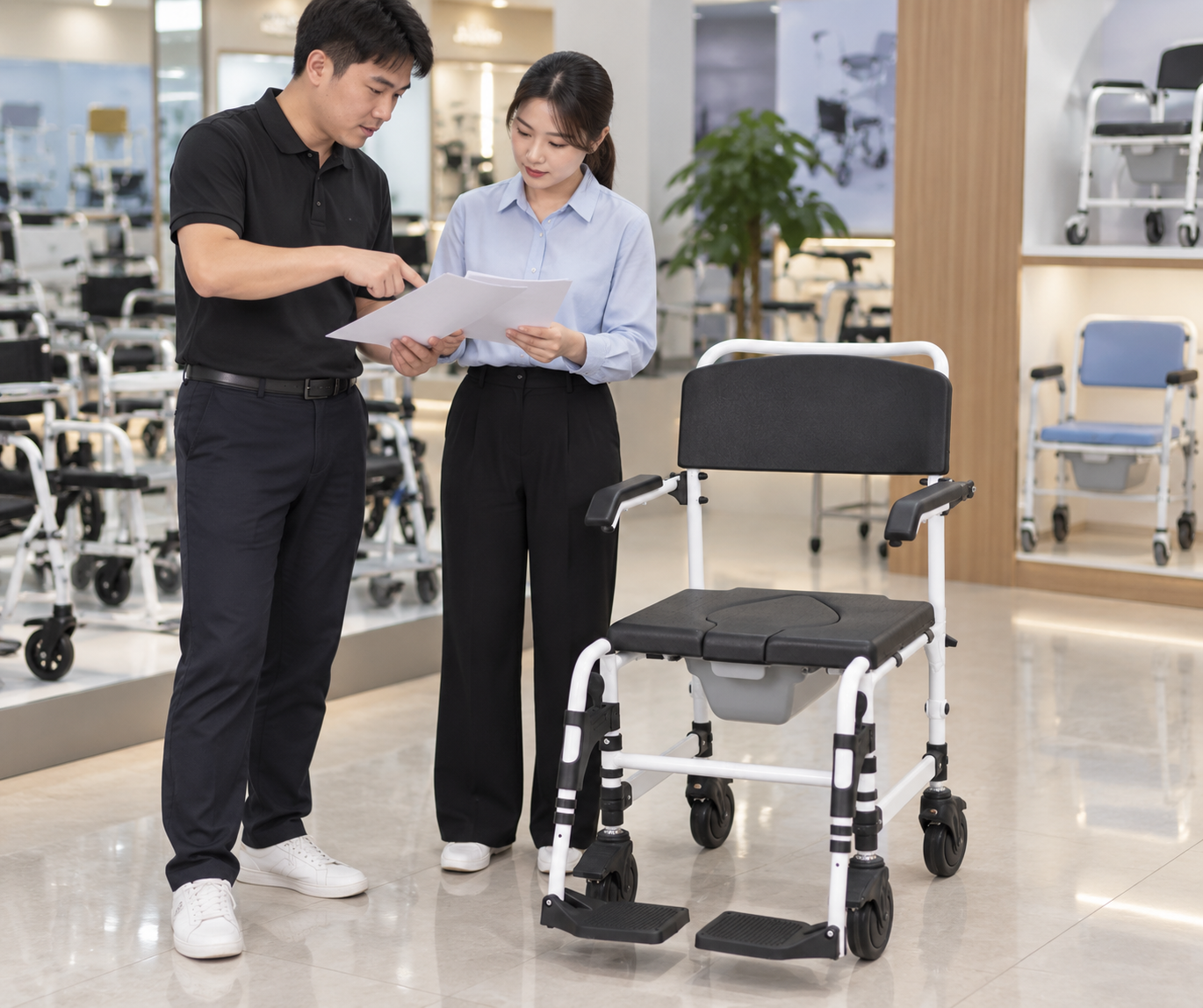
A commode chair rental fleet should assign units that meet the accepted booking and assessment requirements. A substitute model needs review where its dimensions, supports or use differ.
Match bookings with released units
Match the approved requirements. Check model, accessories and document version before dispatch. Keep personal suitability decisions with the appropriate assessor and record any agreed substitution. Record any relevant seat-height requirement from the accepted equipment brief.
- Booking need
- Actual unit
- Substitution
| Check | Record or reference |
|---|---|
| Booking need | Order record |
| Actual unit | ID |
| Substitution | Approval |
Key Takeaway: The delivered unit can be traced to the accepted booking.
Which parts need unit-level records?
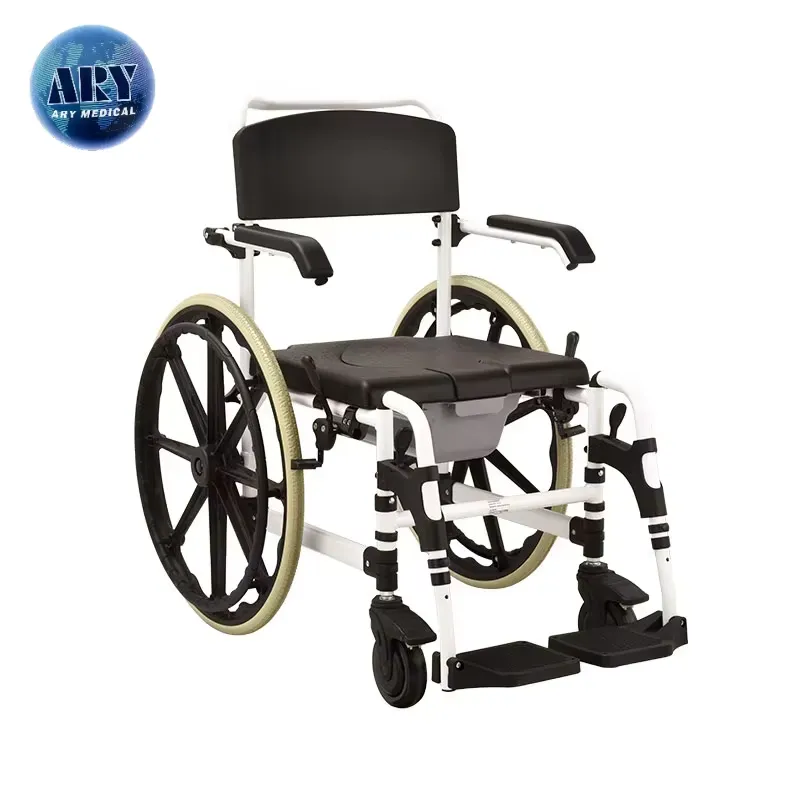
For a commode chair rental fleet, record replaced buckets, seats, supports and other relevant service parts under the unit ID. A mixed-parts chair can become difficult to support if the history is lost.
Record service parts by unit
Track the components that affect identity. Use current approved part codes and retain the repair decision. Do not assume a component from another returned chair is an acceptable spare.
- Replaced part
- Work performed
- Approval
| Check | Record or reference |
|---|---|
| Replaced part | Code |
| Work performed | Service note |
| Approval | Maker guidance |
Key Takeaway: Service staff can understand the chair's current setup.
How should utilization be interpreted?
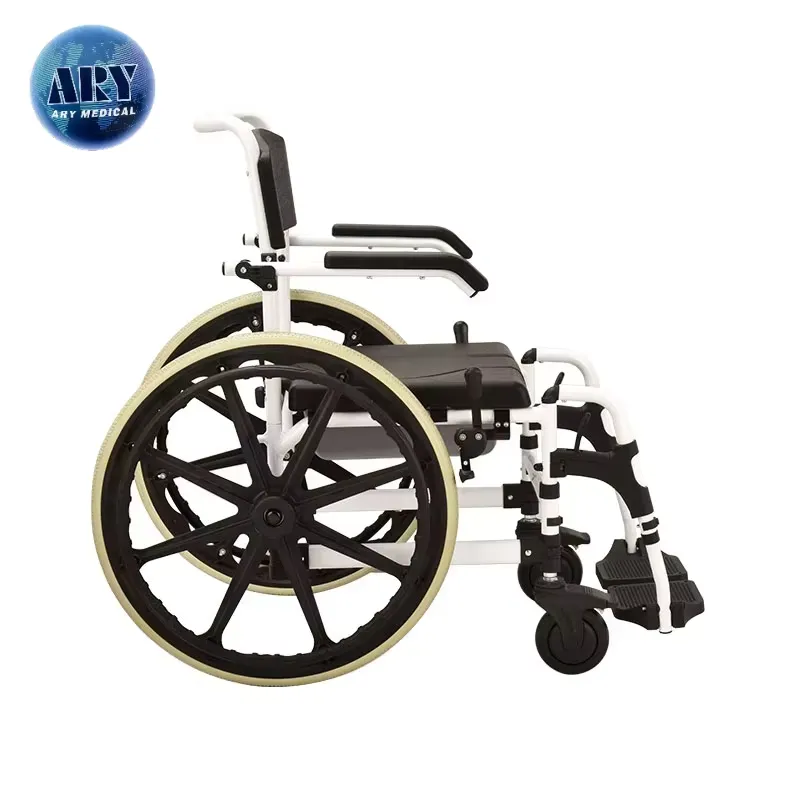
For a commode chair rental fleet, compare time on rent with time available, in care and on service hold. A low rental figure may reflect lack of demand or a chair that was unavailable for much of the period.
Interpret time and status data
Separate rentals from readiness. Use consistent status dates and explain the measurement period. Avoid drawing a demand conclusion from incomplete movement records.
- Rental dates
- Hold dates
- Review period
| Check | Record or reference |
|---|---|
| Rental dates | Booking log |
| Hold dates | Service record |
| Review period | Fleet report |
Key Takeaway: The figures can show where the fleet spends its time.
What should happen after a reported fault?
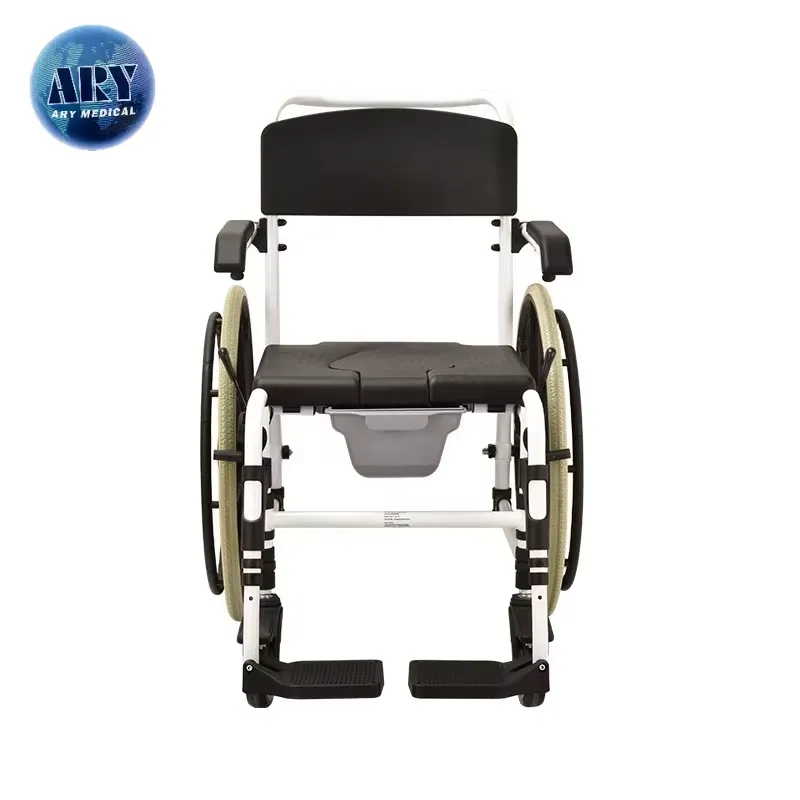
A commode chair rental fleet needs a clear reporting and service route for damage or changes in condition. A general customer note should not become detached from the affected chair.
Link faults to the right chair
Link the report to the unit. Record the unit ID, reported issue and current location. Follow the maker's guidance and the responsible team's decision on further use or collection.
- Affected unit
- Reported issue
- Service action
| Check | Record or reference |
|---|---|
| Affected unit | Case ID |
| Reported issue | Intake note |
| Service action | Decision |
Key Takeaway: The concern follows the chair through its next handover.
How should return scheduling support availability?
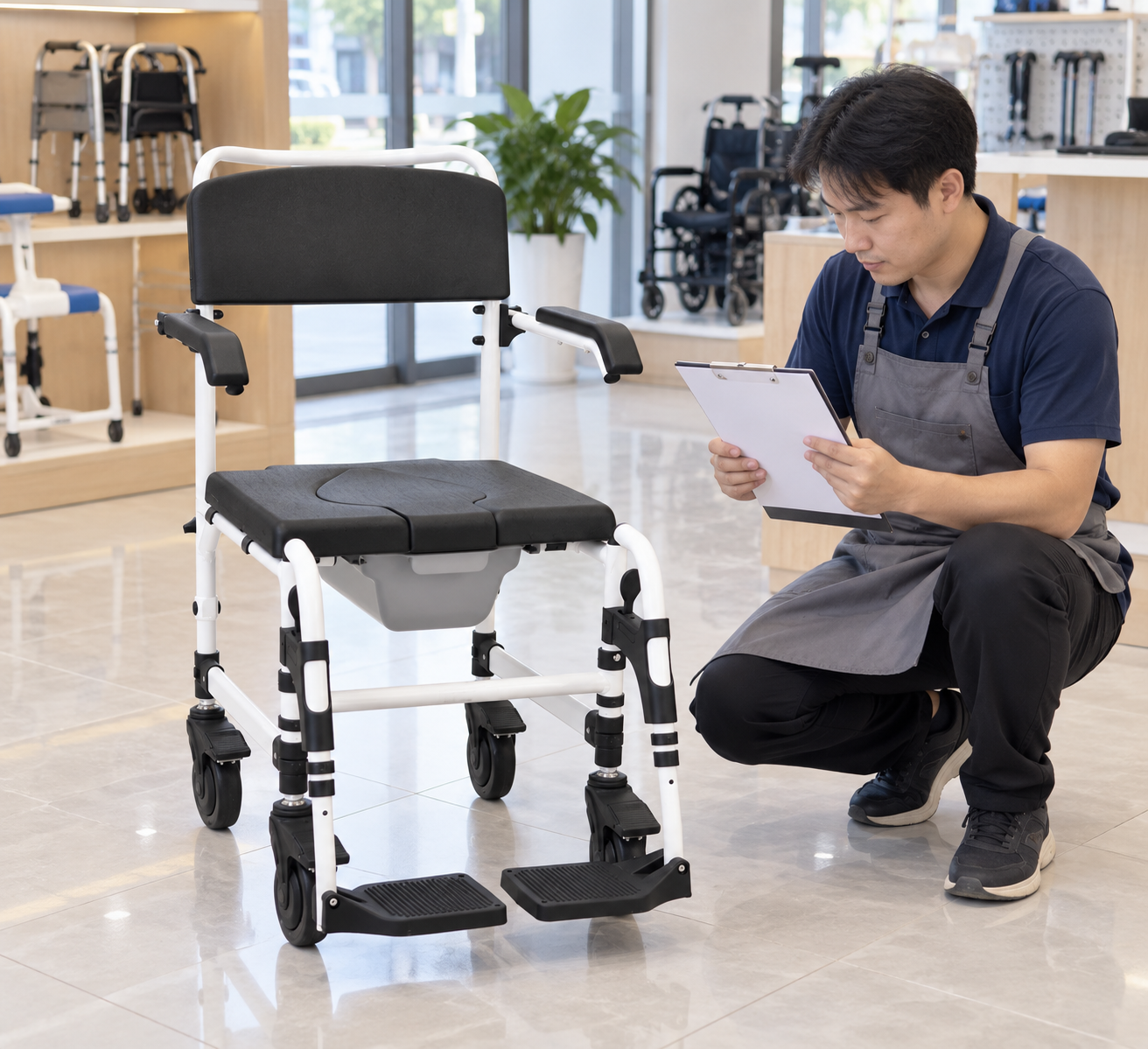
For a commode chair rental fleet, return scheduling should allow the agreed care, checks and release work before another dispatch. A same-day booking cannot shorten a process by assumption.
Plan realistic turnaround
Plan time for the full return process. Use your actual turnaround records when planning stock and appointments. Keep uncertain returns out of firm availability until the responsible team confirms status. Discuss stock and support needs during wholesale procurement planning.
- Expected return
- Processing time
- Next availability
| Check | Record or reference |
|---|---|
| Expected return | Booking |
| Processing time | Records |
| Next availability | Release plan |
Key Takeaway: The next rental promise uses realistic readiness information.
When should a unit leave the fleet?
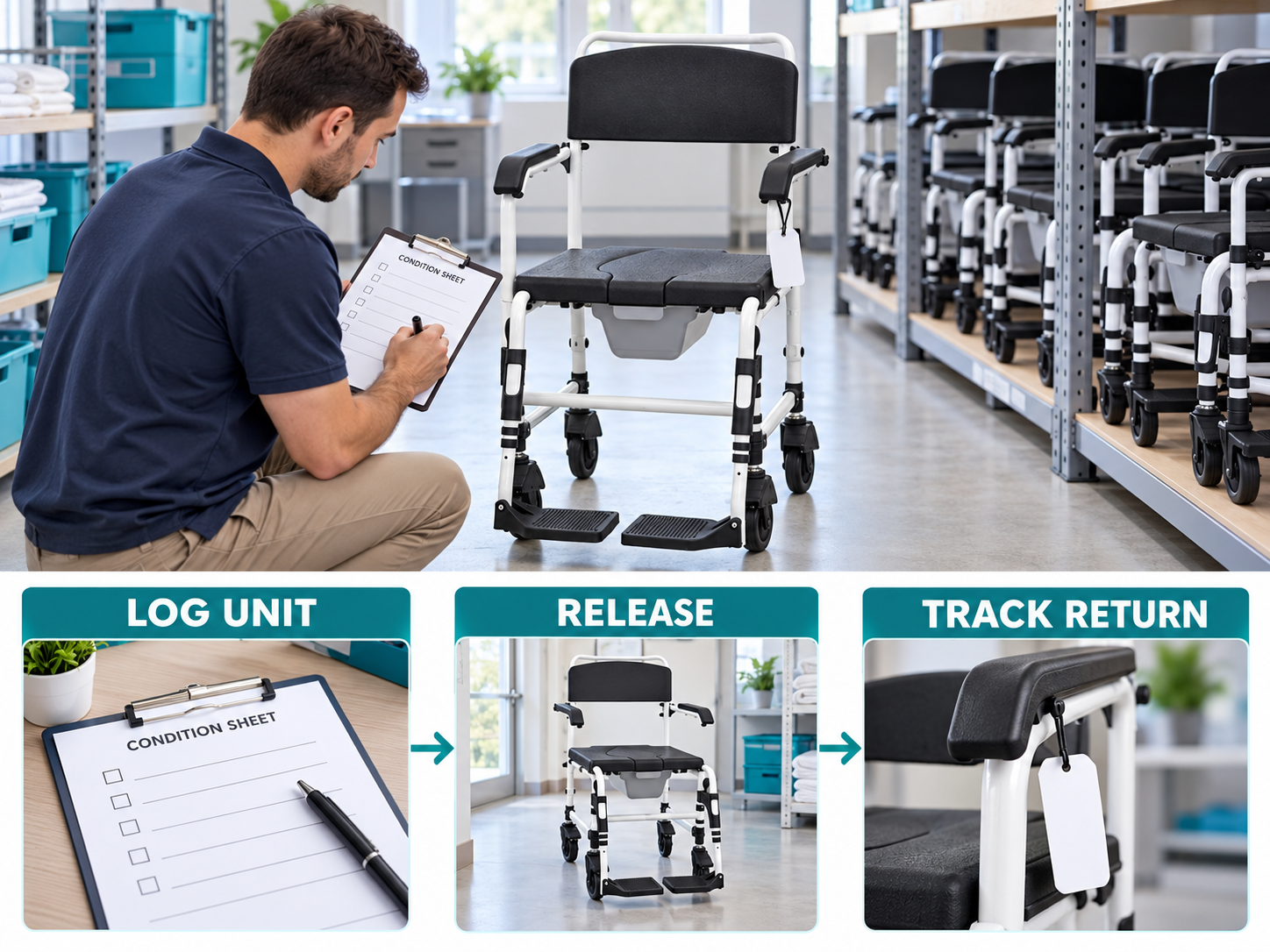
A commode chair rental fleet should retire or otherwise remove units through a qualified condition and business review. Age alone is not a complete technical assessment, and repeated faults should not be ignored.
Document fleet withdrawal
Use a documented disposition decision. Consider the maker's guidance, service history and support availability. Record the final status so the chair cannot be booked again by mistake. See the WHO assistive product specifications for procurement context.
- Condition review
- Support availability
- Final status
| Check | Record or reference |
|---|---|
| Condition review | Service file |
| Support availability | Supplier response |
| Final status | Fleet register |
Key Takeaway: A withdrawn unit leaves the booking system with a clear record.
What should a fleet purchase brief specify?

A commode chair rental fleet purchase brief should state model needs, unit identification, parts support and the documents required for care and release. The lowest unit price does not explain how the fleet will be maintained.
What should you do next?
Buy for the process you operate. Share your intended rental workflow and expected service responsibilities with the supplier. Ask for current manuals and compatible parts details for each proposed model.
- Model needs
- Unit identification
- Support scope
| Check | Record or reference |
|---|---|
| Model needs | Brief |
| Unit identification | Label request |
| Support scope | Supplier terms |
Key Takeaway: The next purchase can fit the rental and service process. To discuss the model and documents for your order, contact us with your requirements. At AryMD, useful product facts should support every care-equipment purchase.
Frequently asked questions
Q1: Can I count every chair in the store as available?
No. Separate ready units from chairs awaiting care, parts, inspection or a release decision.
Q2: What’s the best identifier for a rental chair?
Use a unique unit ID linked to the model and service history. A booking number alone does not identify the continuing asset.
Q3: How do I know whether low rental use means weak demand?
Check availability and hold time as well as bookings. A chair cannot meet demand while it is unavailable for service.
Q4: Can I swap parts between returned chairs?
Only with confirmed compatibility and an approved service process. Record the part and work under the receiving unit's identity.
Q5: Should a returned unit go straight to the next customer?
No automatic release is appropriate. Complete the required care, checks and recorded release first.