
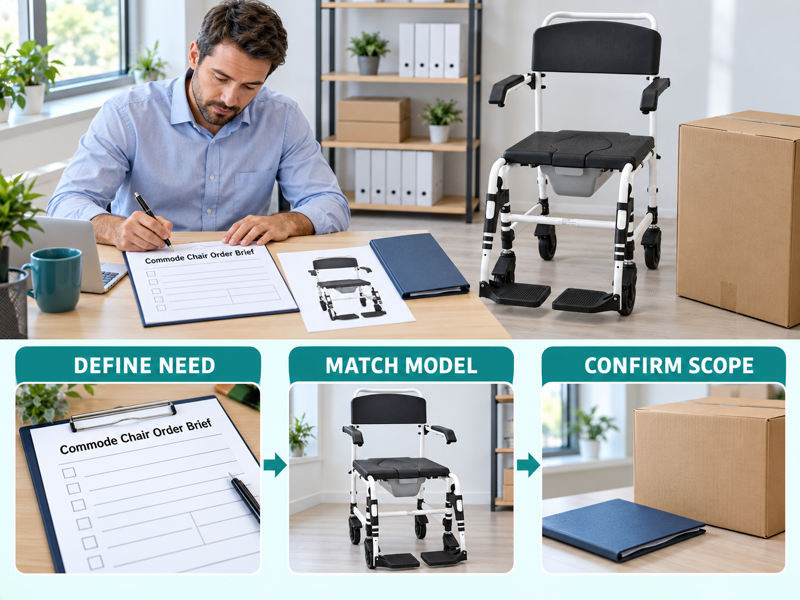
Write a commode chair order brief that defines the exact supply scope, required evidence and acceptance route. A Spanish distributor may receive three prices for three different accessory sets under the same product name. A controlled brief makes the offers easier to compare and the final order easier to check.
What should a commode chair order brief state?
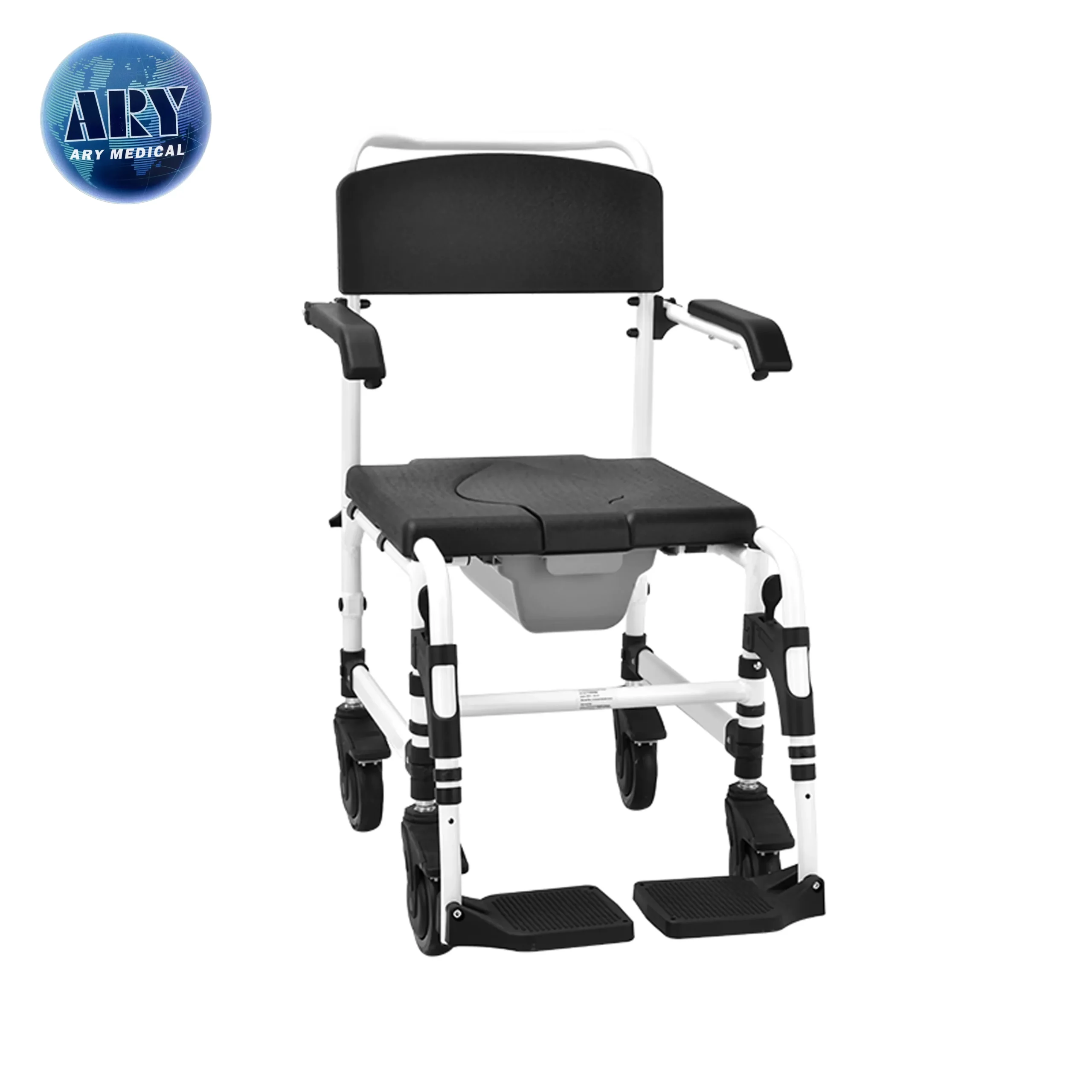
A commode chair order brief should state the intended setting, required setup, quantity and evidence needed for acceptance. A line reading toilet chair leaves too much for the supplier to infer.
Describe the intended purchase
Write the purchase need before the product name. Describe the buyer's operation and the questions the product must answer. Keep an individual user's clinical details within the appropriate assessment and privacy process.
- Use setting
- Required setup
- Acceptance scope
| Check | Record or reference |
|---|---|
| Use setting | Buyer brief |
| Required setup | Product needs |
| Acceptance scope | Review plan |
Key Takeaway: The supplier can respond to a defined purchase need.
How should the configuration be described?
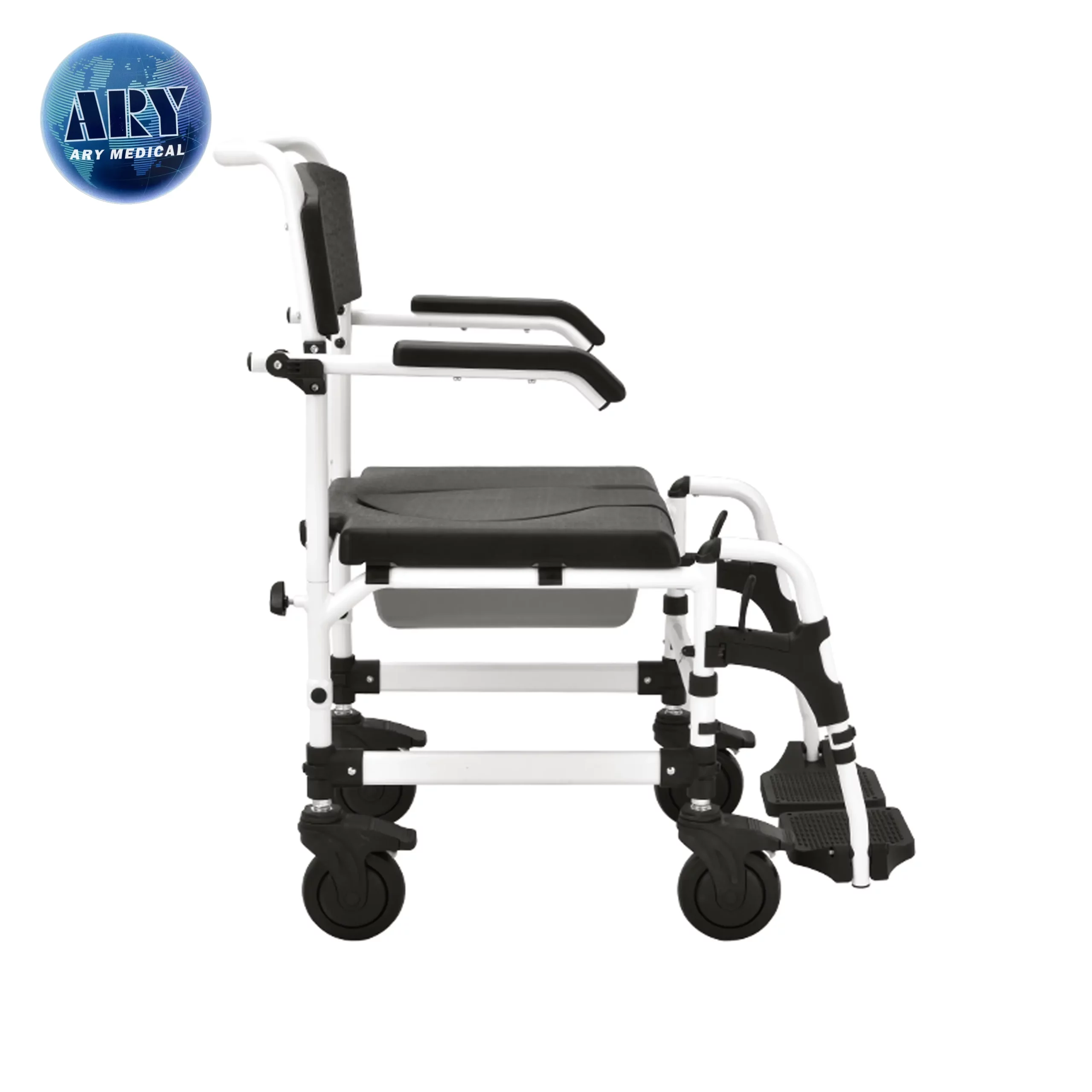
For a commode chair order brief, list the frame type, wheels, supports, seat and collection set required in the offer. Separate standard contents from optional items.
List the quoted configuration
Specify what the price must include. Ask the supplier to return the same list with its proposed model and any deviations. Do not accept a generic product family name as a full configuration response. The wheeled chair comparison can help distinguish the proposed frame format.
- Frame and wheels
- Collection set
- Options
| Check | Record or reference |
|---|---|
| Frame and wheels | Configuration list |
| Collection set | Contents |
| Options | Separate quote |
Key Takeaway: You can compare offers that describe the same supply scope.
Which dimensions belong in the brief?
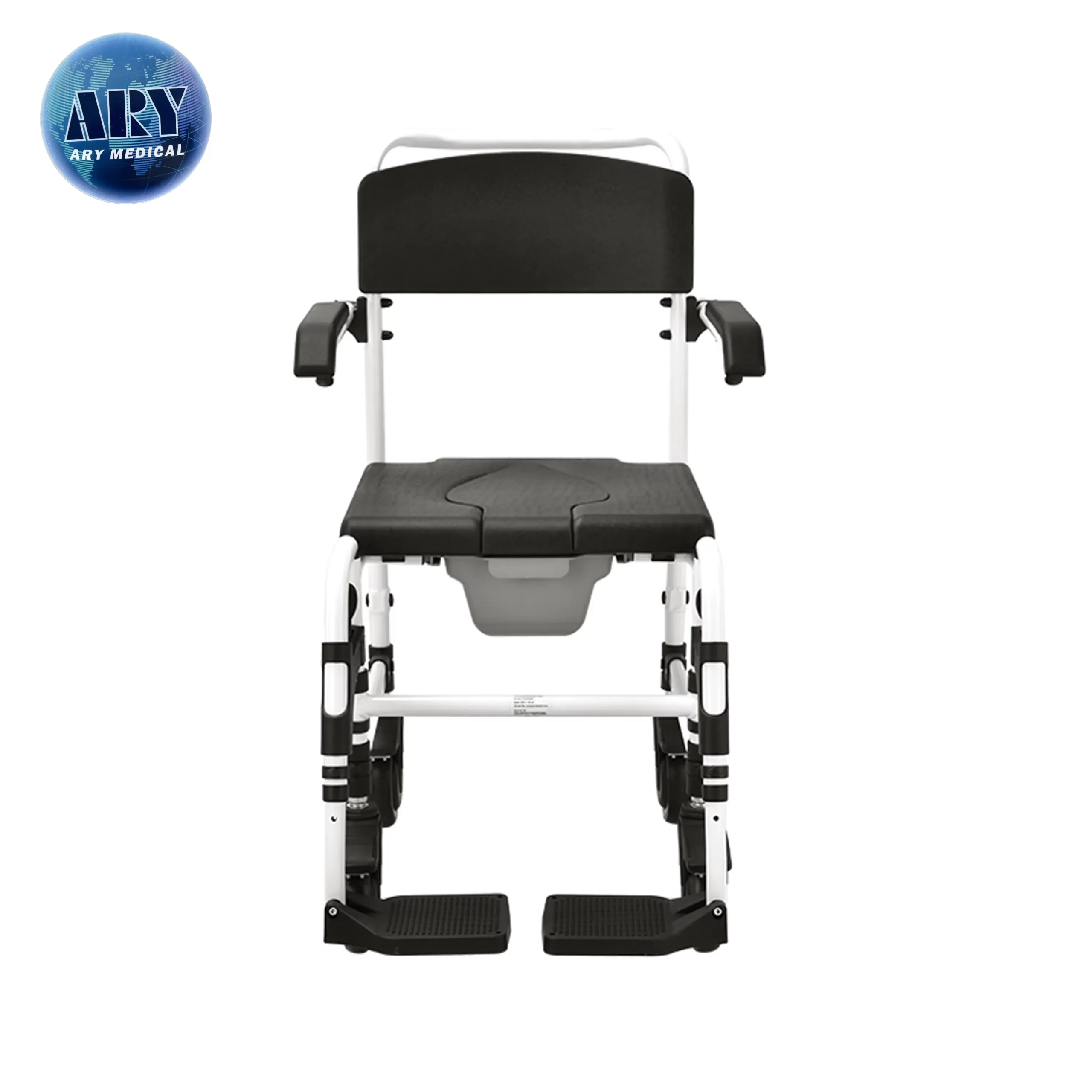
A commode chair order brief should name dimensions needed for the intended room and product review. Include overall and internal clearances only where they answer a real requirement.
Request relevant dimensions
Use decision-relevant measurements. Attach a measured room brief when fit matters and ask for model drawings. Avoid inventing a universal dimension that supposedly suits every user or toilet.
- Required dimension
- Product value
- Room constraint
| Check | Record or reference |
|---|---|
| Required dimension | Brief |
| Product value | Drawing |
| Room constraint | Site plan |
Key Takeaway: Size questions are tied to the actual selection decision.
How should care needs be communicated?

For a commode chair order brief, state the intended care and handling process so the supplier can identify material or method limits. A request for easy cleaning is too vague to establish compatibility.
State the buyer's care process
Describe the process the buyer uses. Have the responsible care team describe the relevant process. Ask for current instructions and evidence where a particular method needs confirmation.
- Care process
- Product limits
- Evidence request
| Check | Record or reference |
|---|---|
| Care process | Buyer procedure |
| Product limits | Guide |
| Evidence request | Question list |
Key Takeaway: The quotation can address care requirements directly.
What should quantity and timing include?
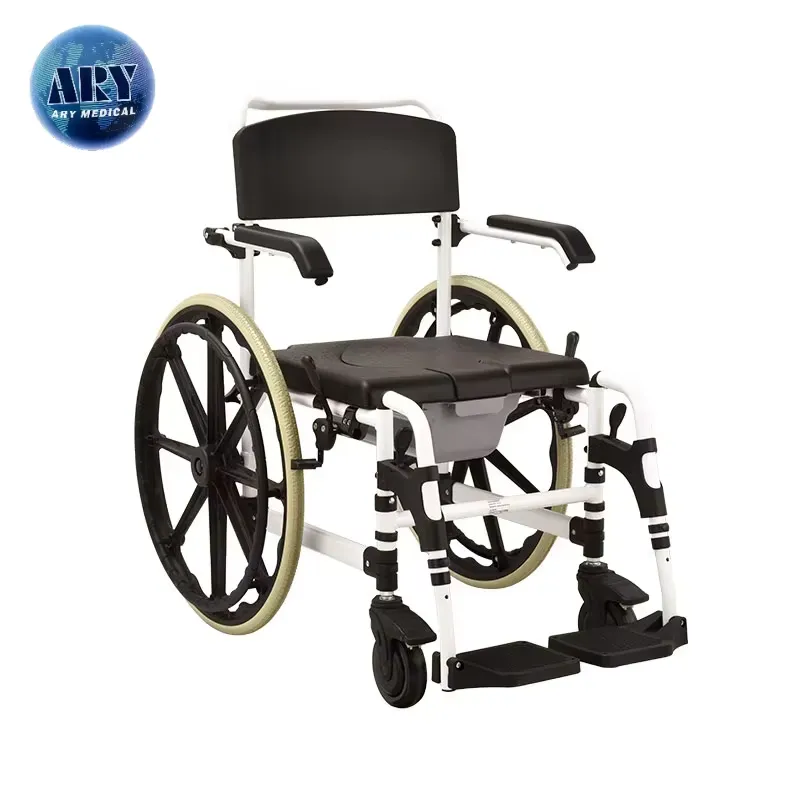
A commode chair order brief should distinguish sample quantities, opening stock and any later planned orders. A forecast should not be mistaken for a firm commitment.
Separate quantities and commitments
Separate the trial from regular supply. State the desired receipt window and ask the supplier to confirm the stages it controls. Keep unconfirmed dates visible in the commercial review. State whether extra bucket sets are part of the opening order.
- Sample quantity
- Opening order
- Timing
| Check | Record or reference |
|---|---|
| Sample quantity | Request |
| Opening order | PO plan |
| Timing | Supplier response |
Key Takeaway: Both sides can see what is being ordered now.
How should documents and market needs be requested?
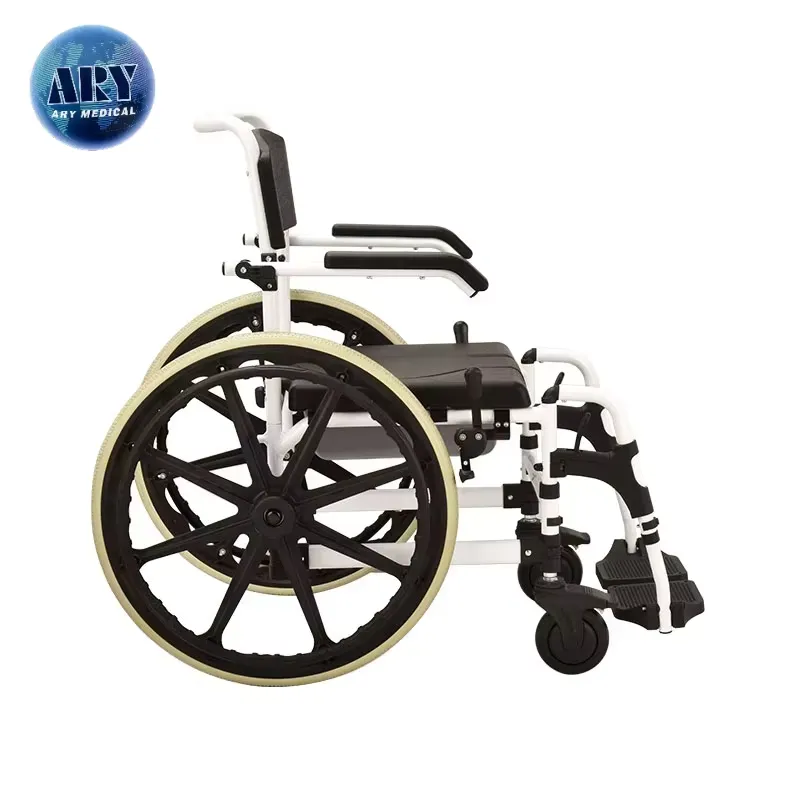
For a commode chair order brief, list the product documents and destination needs confirmed by the responsible market reviewer. Do not treat a supplier's general certificate as proof that every model meets every local requirement.
Assign document-review responsibilities
Assign requirements to a responsible reviewer. Ask the supplier to identify the scope and current version of each file. Refer legal or regulatory interpretation to the appropriate qualified person.
- Document list
- Applicable model
- Reviewer
| Check | Record or reference |
|---|---|
| Document list | Market brief |
| Applicable model | Scope statement |
| Reviewer | Approval record |
Key Takeaway: The evidence request stays specific to the product and destination.
What should the packing section say?
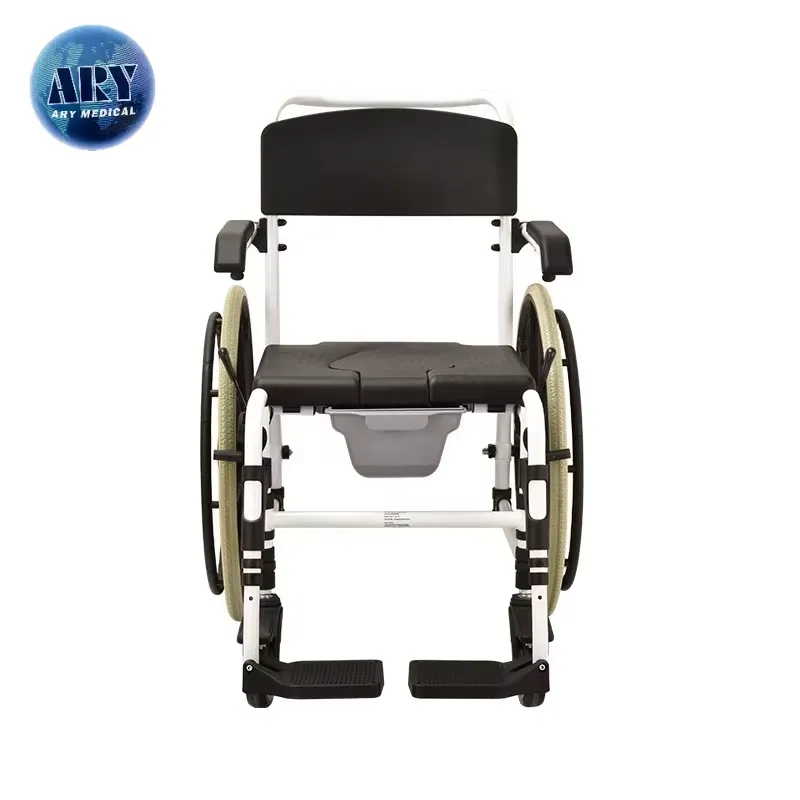
A commode chair order brief should state relevant carton, labeling, language-pack and handling needs. Packing for warehouse stock may differ from packing for a separate home-delivery service.
Define the packing and label needs
Describe the receiving and delivery route. Ask for packed dimensions and a proposed packing method. Keep any special packing or labeling charge visible in the offer.
- Packing method
- Carton data
- Special charge
| Check | Record or reference |
|---|---|
| Packing method | Proposal |
| Carton data | Specification |
| Special charge | Itemized quote |
Key Takeaway: Your cost comparison includes the package you need.
How should after-sales support be defined?
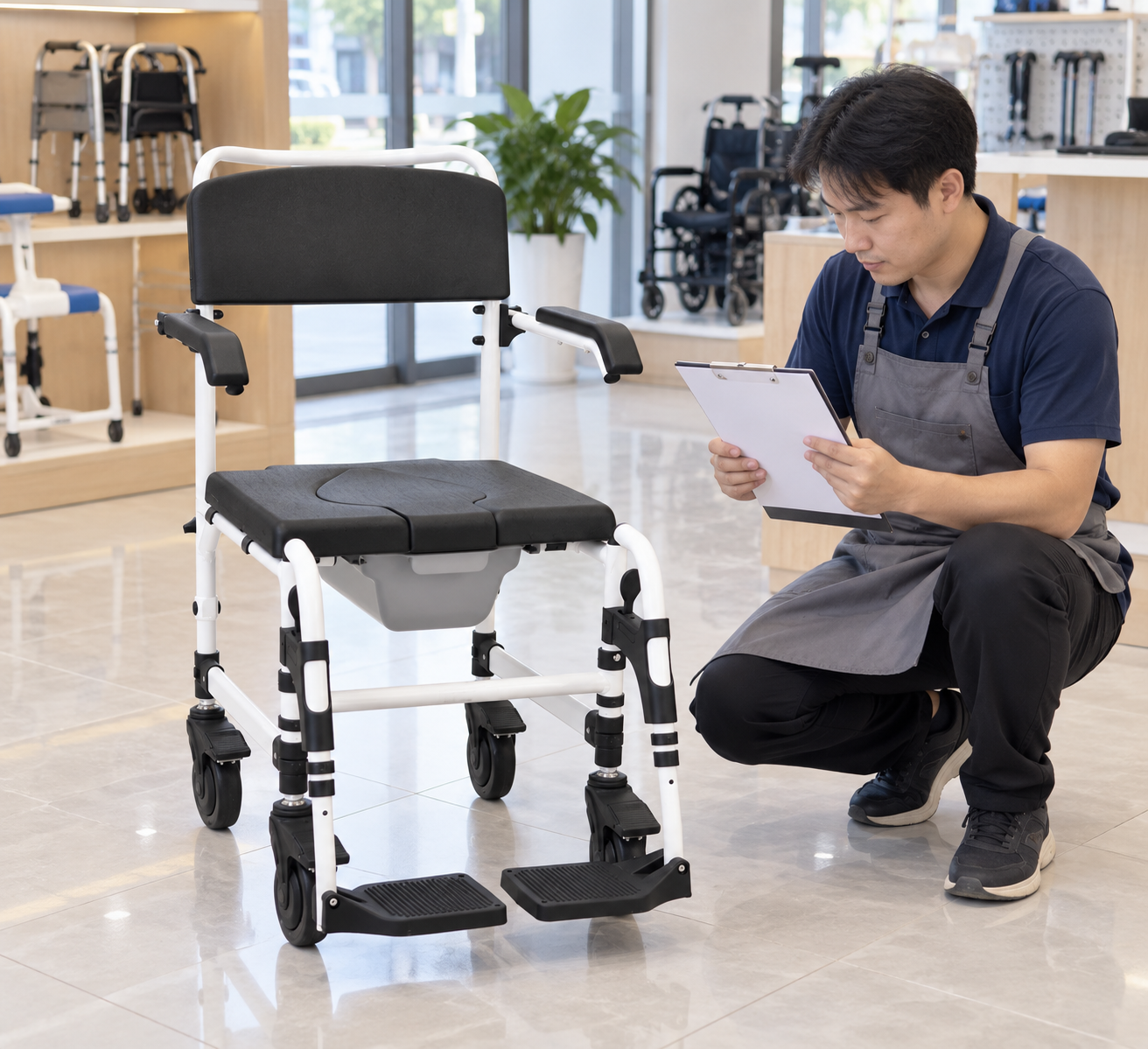
A commode chair order brief should request current part codes, service routes and commercial support terms. A promise of good after-sales service does not explain how a dealer gets a replacement bucket.
Ask for concrete service support
Ask for concrete service information. State the service process you plan to operate and ask who handles each step. Keep repair approval separate from commercial warranty coverage. Request the relevant spare-parts information with the service terms.
- Parts
- Technical route
- Commercial terms
| Check | Record or reference |
|---|---|
| Parts | Current list |
| Technical route | Service guide |
| Commercial terms | Offer |
Key Takeaway: The supplier's support can be compared with your operation.
What should change-control terms cover?
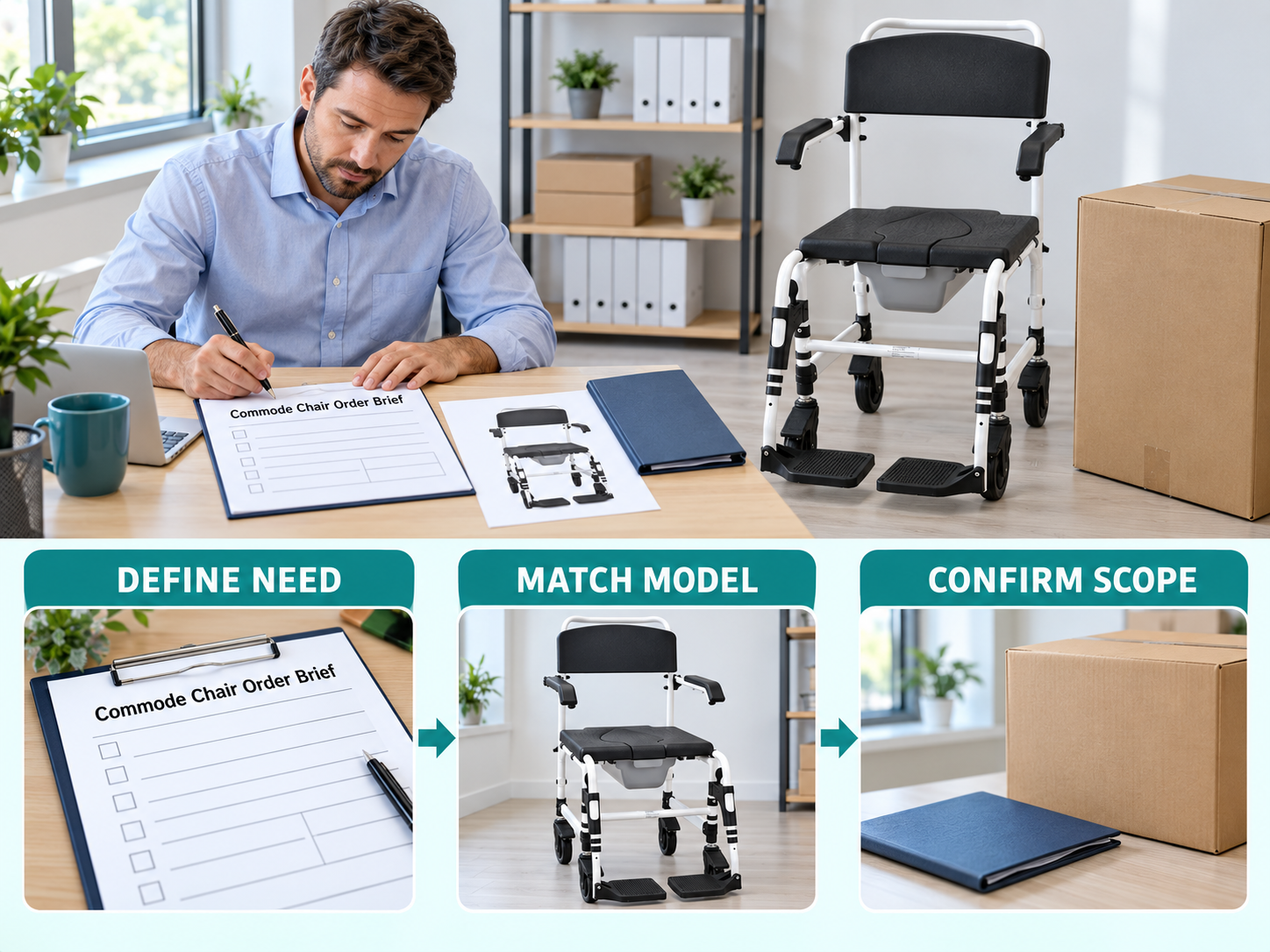
A commode chair order brief should state how changes to parts, documents, packing or model versions will be proposed and approved. A similar-looking substitute can affect existing stock and service parts.
Control proposed substitutions
Keep substitutions visible. Require a written difference list before accepting a change. Link the final approved version to the purchase order and sample record. See the WHO assistive product specifications for procurement context.
- Change notice
- Difference list
- Accepted version
| Check | Record or reference |
|---|---|
| Change notice | Supplier process |
| Difference list | Review file |
| Accepted version | PO reference |
Key Takeaway: Your agreement preserves control over what arrives.
When is the brief ready to send?

A commode chair order brief is ready when the required configuration, quantity, documents and acceptance route agree. Conflicting dimensions or unclear options make quotations harder to compare.
What should you do next?
Resolve contradictions before asking for prices. Send one controlled brief and ask suppliers to mark exclusions and unanswered points. Use the responses to close gaps before approving an order.
- Controlled version
- Exclusions
- Open points
| Check | Record or reference |
|---|---|
| Controlled version | Brief ID |
| Exclusions | Supplier response |
| Open points | Review log |
Key Takeaway: The quotation process can produce answers you can actually compare. To discuss the model and documents for your order, contact us with your requirements. At AryMD, useful product facts should support every care-equipment purchase.
Frequently asked questions
Q1: Can I request a quote with only a product photo?
You can start a discussion, but it is not a complete order brief. Confirm the model, contents and requirements in writing.
Q2: What’s the best way to compare different suppliers?
Give them the same controlled brief and request marked deviations and exclusions. Compare the scope as well as price.
Q3: How do I know which destination documents to request?
Use the responsible market review for the exact product and intended supply. A general certificate is not a substitute for that review.
Q4: Can I treat a forecast as a purchase commitment?
Only if the agreement says so. Distinguish sample requests, firm orders and planning estimates clearly.
Q5: Should a supplier be allowed to substitute a similar model?
Use an explicit change process. Similar appearance does not establish equivalent dimensions, parts or instructions.