
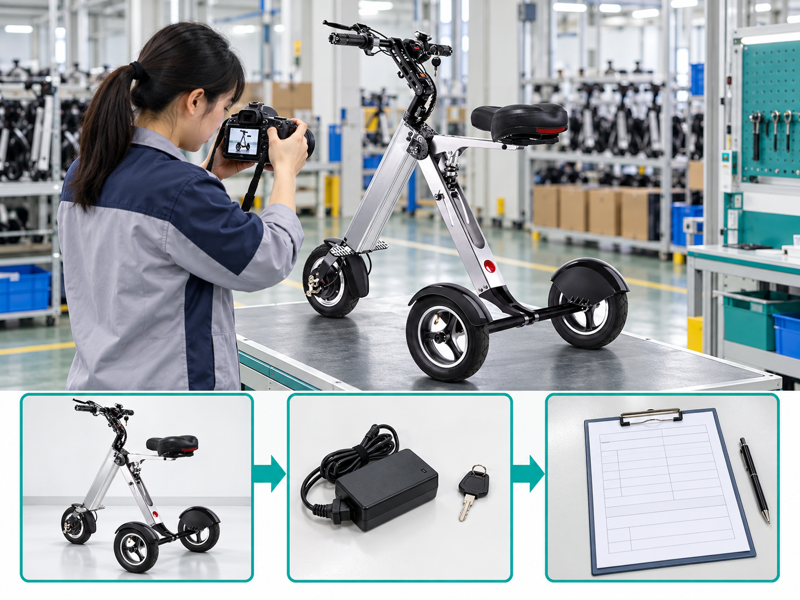
Plan a mobility scooter lease return around unit identity, the agreed return set and a recorded condition review. A Singapore rental business may receive a scooter without its charger while a battery complaint remains unresolved. Keeping commercial and service decisions linked to the same asset makes the return easier to close.
What should a mobility scooter lease return establish?
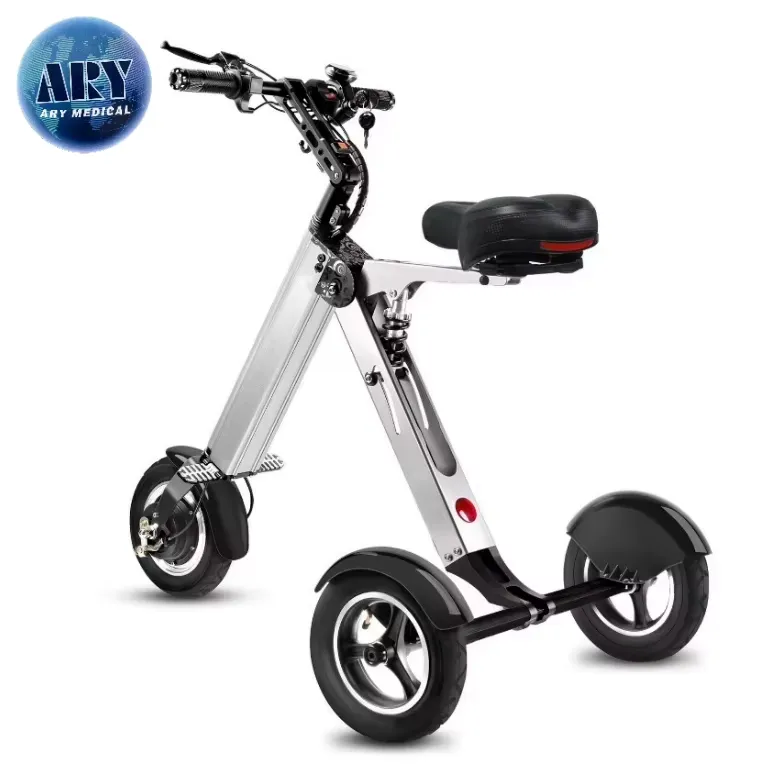
A mobility scooter lease return should identify the unit, its observed condition and the relevant lease terms. Surface wear and a technical fault may need different reviews.
Identify the asset and agreement
Separate the asset, condition and contract questions. Link the return to the lease and unit ID. Keep the inspection evidence separate from any charge decision until the responsible team reviews it.
- Unit identity
- Lease reference
- Condition
| Check | Record or reference |
|---|---|
| Unit identity | Label |
| Lease reference | Agreement |
| Condition | Intake record |
Key Takeaway: The return can be traced to the correct asset and terms.
Which included items should be checked?
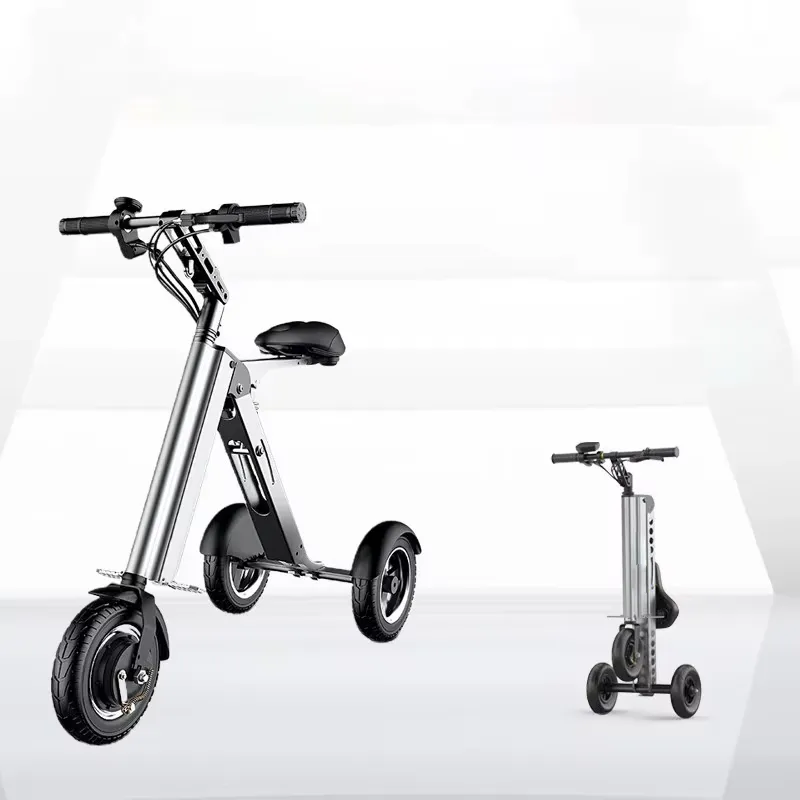
For a mobility scooter lease return, count the charger, keys, accessories and guides against the agreed supply list. A scooter alone may be an incomplete return.
Count the complete return set
Count the agreed return set. Use the original handover record and note each missing item. Do not assume every lease included the same accessory package. Match the returned charger with the original supply record.
- Charger
- Keys and accessories
- Documents
| Check | Record or reference |
|---|---|
| Charger | Supply list |
| Keys and accessories | Count |
| Documents | Handover record |
Key Takeaway: The commercial review starts from the actual agreement.
How should condition be photographed?
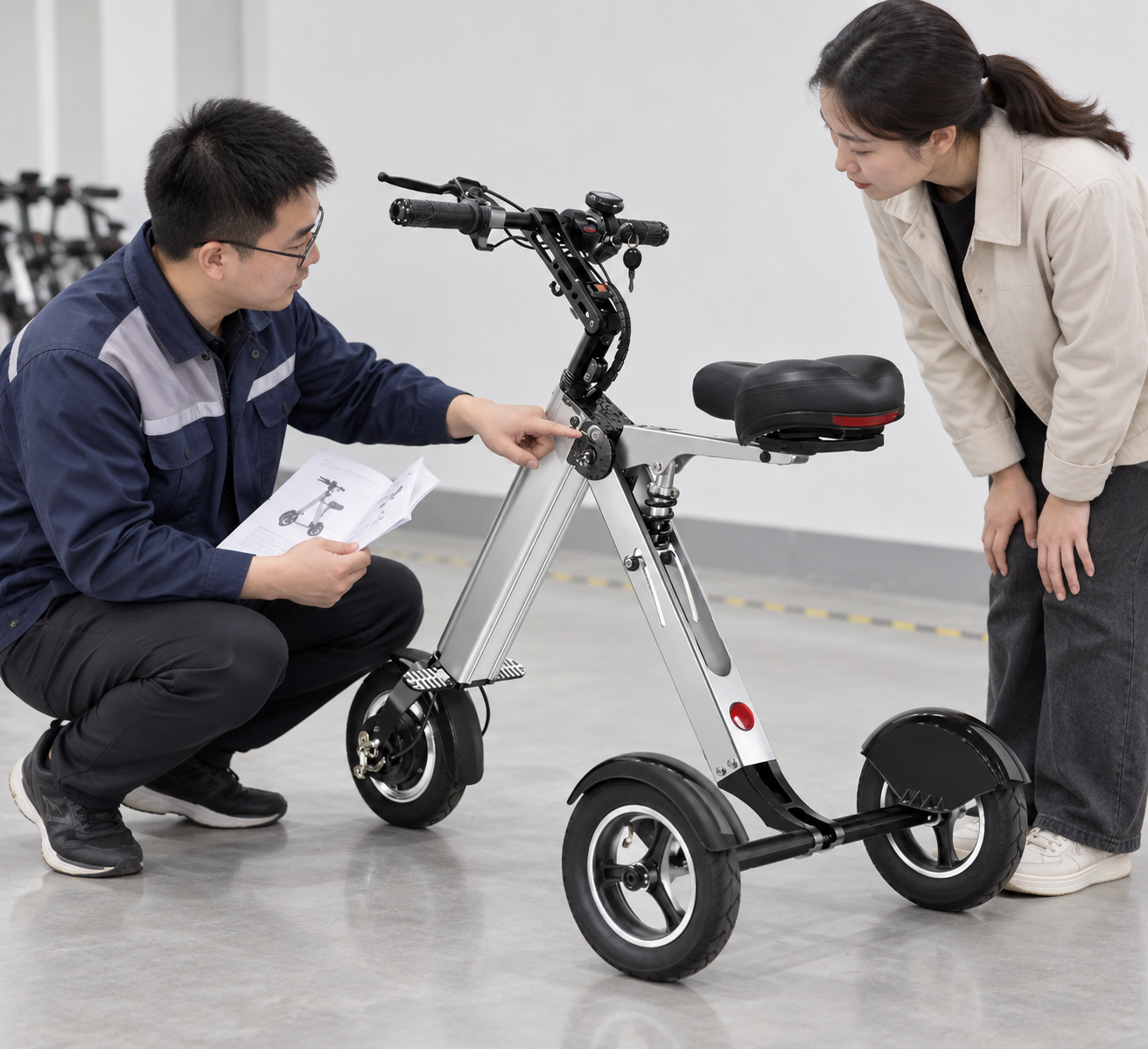
A mobility scooter lease return needs clear whole-unit and detail photographs linked to its identity and date. Extreme close-ups without context can make a mark difficult to locate.
Capture comparable condition views
Use comparable views. Compare with available departure evidence using similar views. Record observations without assigning a cause before review. Use a clear view of the seat configuration in the condition photographs.
- Overview
- Detail
- Earlier condition
| Check | Record or reference |
|---|---|
| Overview | Return photo |
| Detail | Close-up |
| Earlier condition | Handover file |
Key Takeaway: Both stages of the lease can be compared on a factual basis.
What should battery details include?
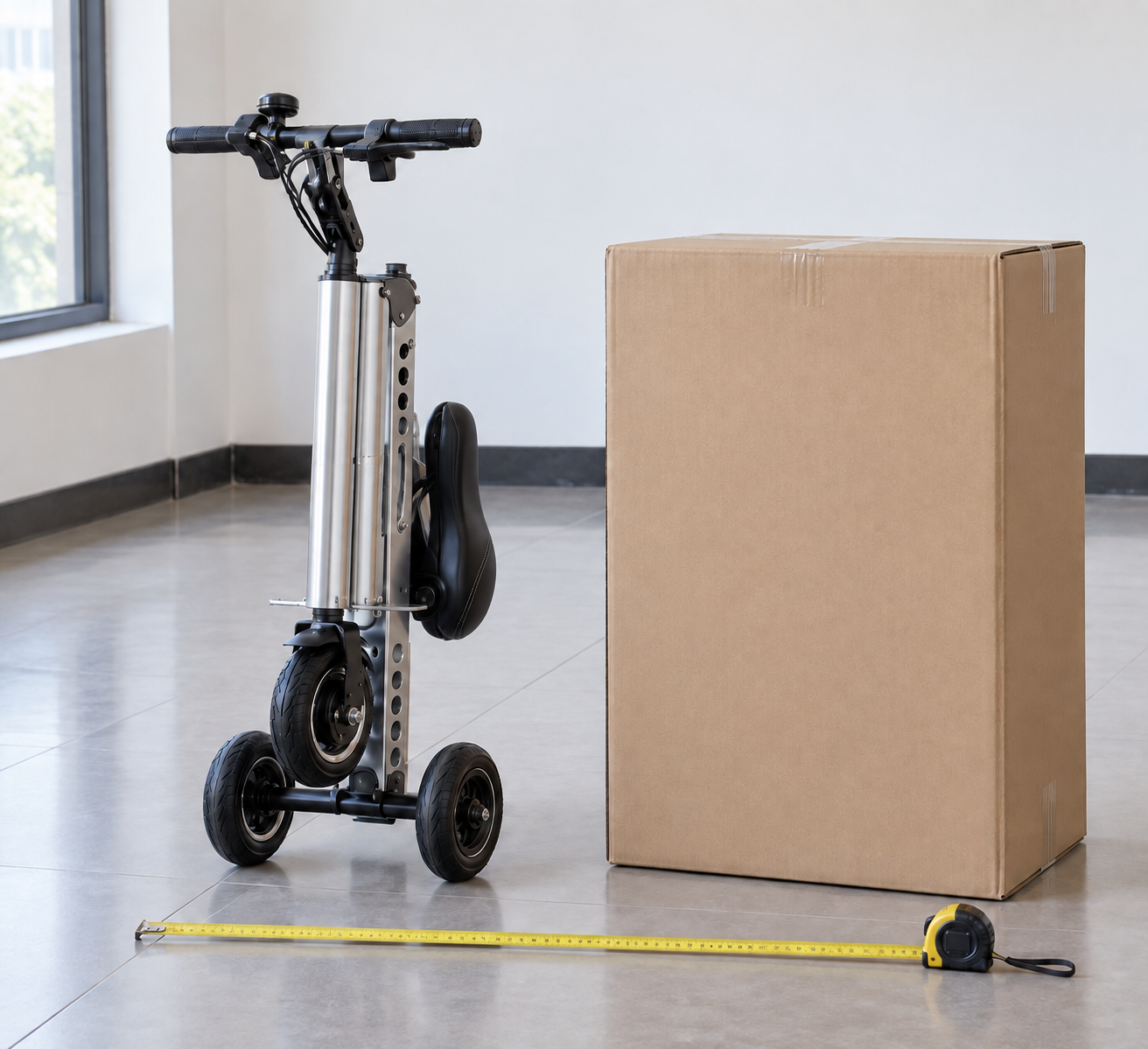
For a mobility scooter lease return, record the pack ID, symptoms and known charging or service history. A charge display alone does not show pack health or remaining life.
Record battery-related evidence
Keep performance questions with service evidence. Ask qualified staff to choose any required checks. Keep unsupported capacity estimates out of the return report.
- Battery reference
- Reported symptom
- Required check
| Check | Record or reference |
|---|---|
| Battery reference | Record |
| Reported symptom | Intake note |
| Required check | Service decision |
Key Takeaway: The battery review has evidence beyond a dashboard reading.
How should product faults be handled?
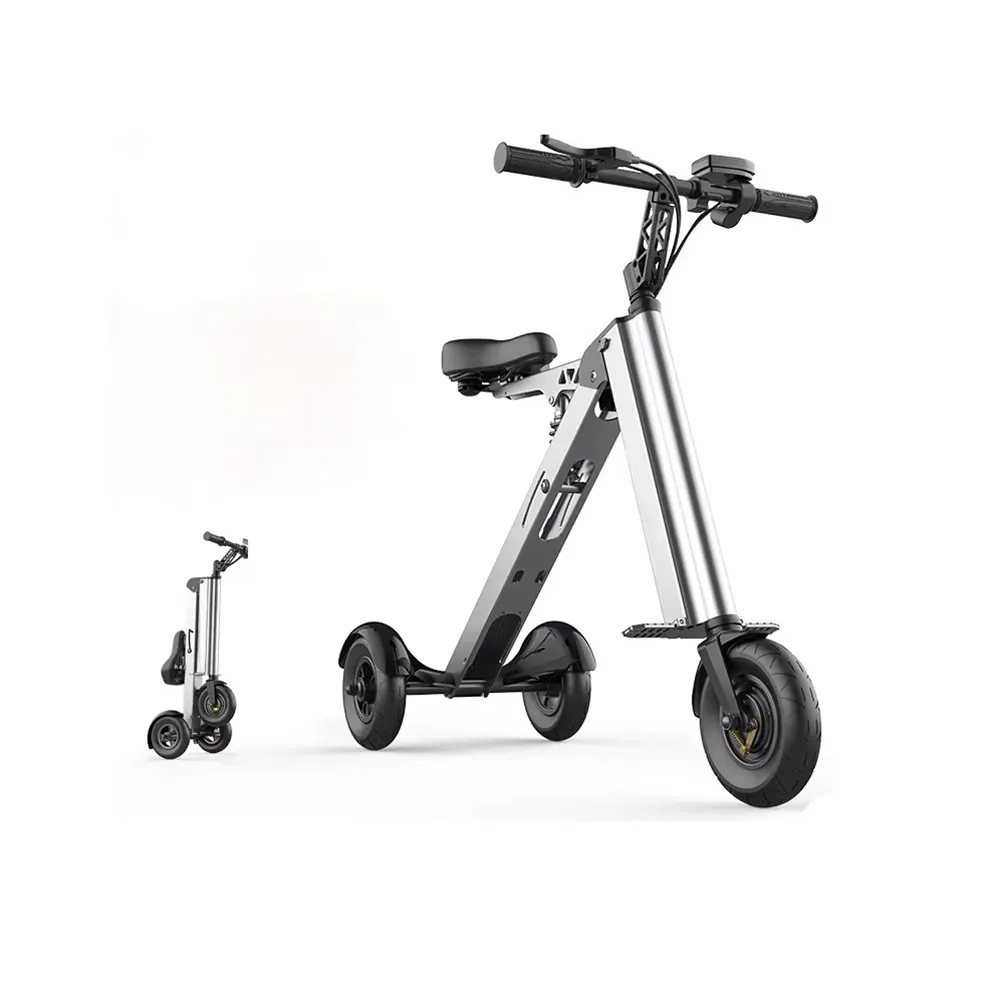
For a mobility scooter lease return, unresolved faults should follow the site's service process before the unit is offered again. A return deadline does not make a suspect component acceptable.
Control unresolved service status
Use a clear hold and review status. Record the affected unit and reported behavior. Follow maker guidance and a qualified decision on inspection, repair or release.
- Unit status
- Observed issue
- Disposition
| Check | Record or reference |
|---|---|
| Unit status | Hold record |
| Observed issue | Case note |
| Disposition | Service review |
Key Takeaway: The next booking cannot overlook an unresolved fault.
How should wear and charges be assessed?
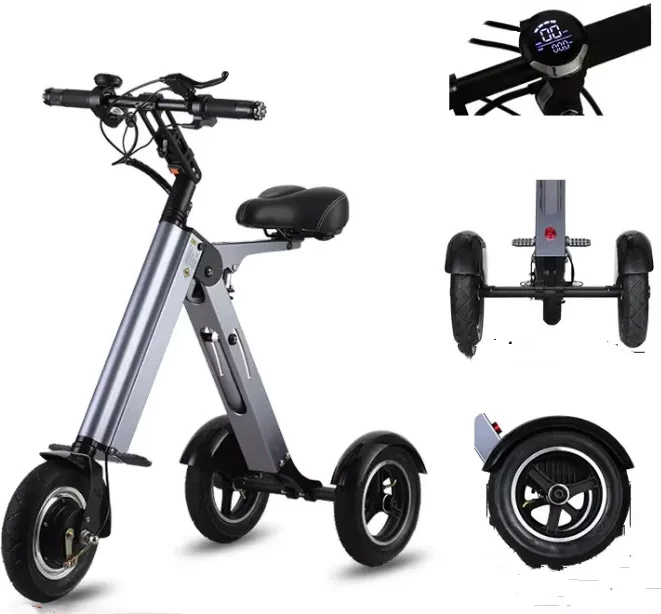
A mobility scooter lease return charge decision should use the applicable agreement and evidence reviewed by the responsible team. Current website terms may differ from those accepted at the start.
Use the applicable lease terms
Use the terms for that lease. Keep normal-wear definitions and disputed items visible. Refer legal or consumer-rights questions to a qualified local reviewer.
- Applicable terms
- Evidence
- Dispute
| Check | Record or reference |
|---|---|
| Applicable terms | Lease file |
| Evidence | Inspection record |
| Dispute | Review note |
Key Takeaway: The charge discussion has a specific contractual reference.
What should be checked after repair?
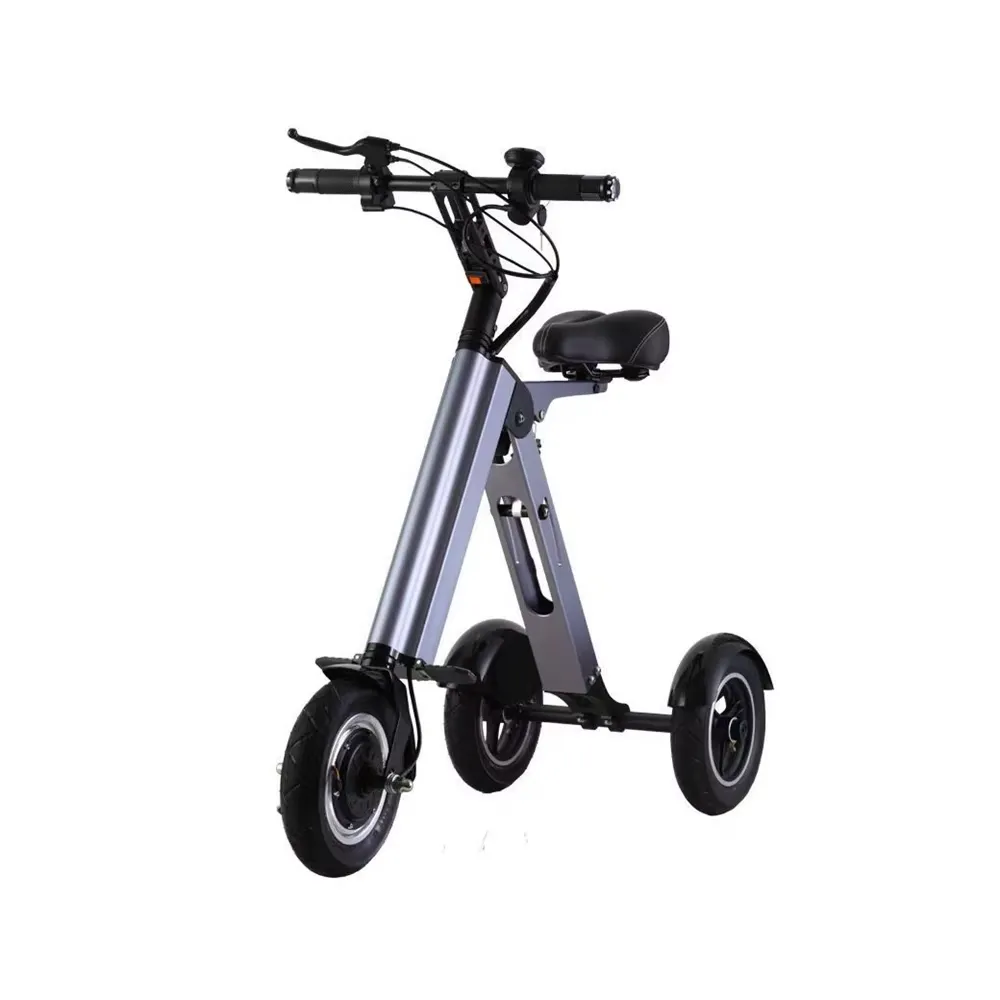
For a mobility scooter lease return, a repaired unit needs the checks and sign-off required by the maker and service procedure. A parts invoice alone does not show that the unit is ready for use.
Document repair and release
Record the required release process. Keep the repair record with the unit's final status. Retain the reviewer's limits and any next task.
- Work completed
- Release checks
- Final status
| Check | Record or reference |
|---|---|
| Work completed | Service report |
| Release checks | Record |
| Final status | Sign-off |
Key Takeaway: Repair and readiness remain connected in the asset history.
How can return timing affect availability?

A mobility scooter lease return plan should allow time for intake, care, service and release before the next booking. A pickup date is not a ready-stock date.
Plan the full turnaround
Plan the complete turnaround. Use your actual turnaround records to plan availability. Keep unresolved returns separate from firm booking stock. Include the approved storage arrangement in the turnaround plan.
- Collection date
- Processing stages
- Ready status
| Check | Record or reference |
|---|---|
| Collection date | Booking |
| Processing stages | Records |
| Ready status | Stock system |
Key Takeaway: The next customer promise can use realistic availability.
Which return patterns should be reviewed?
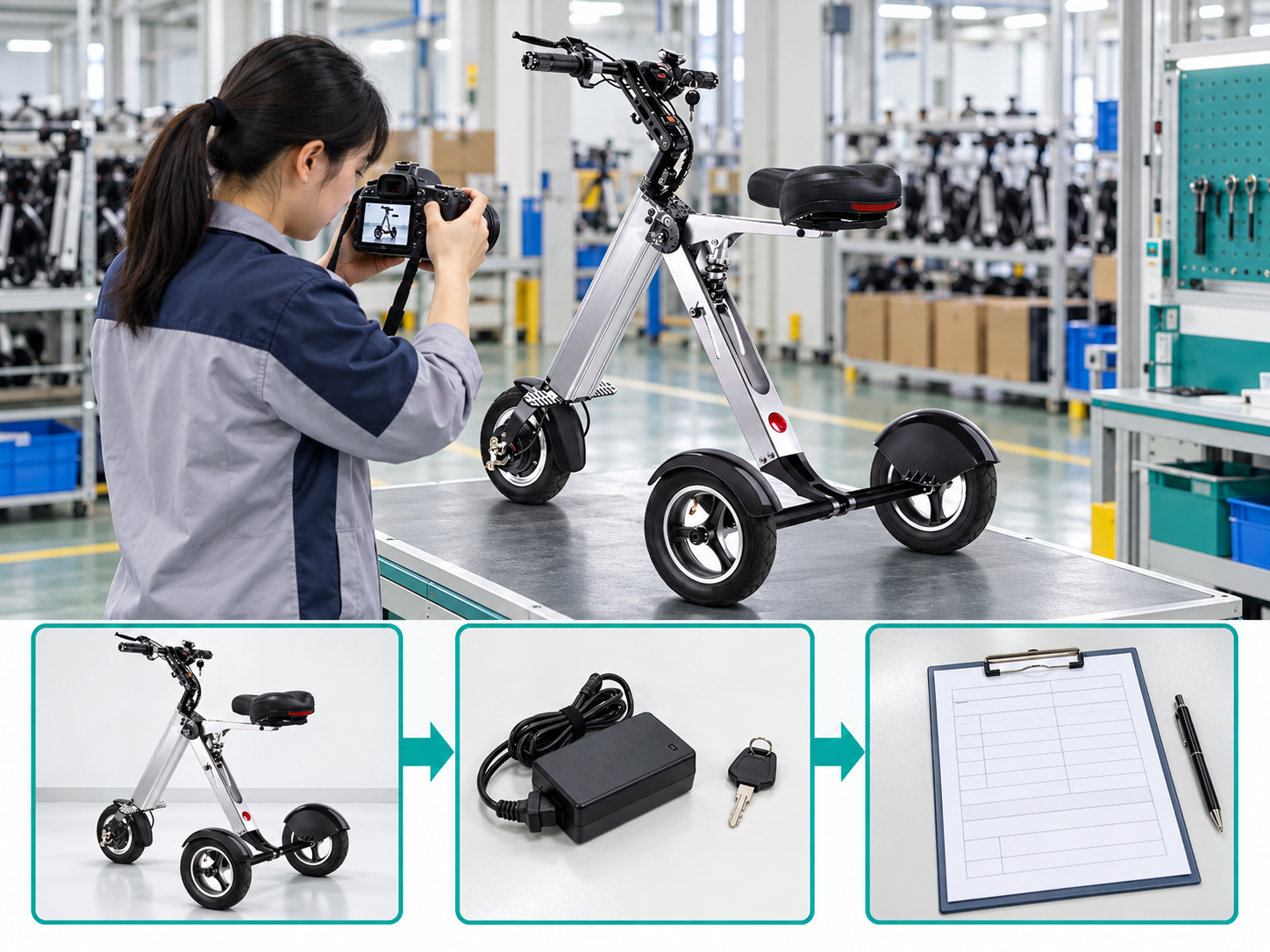
Review mobility scooter lease return records by model, reported issue and confirmed outcome. Repeated missing chargers and confirmed technical faults call for different responses.
Review repeated return issues
Group findings by cause only when supported. Use consistent categories and preserve uncertainty in initial reports. Review whether the original handover or supply list needs improvement. See the WHO assistive product specifications for procurement context.
- Model group
- Return category
- Confirmed outcome
| Check | Record or reference |
|---|---|
| Model group | Asset record |
| Return category | Case fields |
| Confirmed outcome | Service file |
Key Takeaway: The return process can improve the next lease handover.
What should the final return record contain?
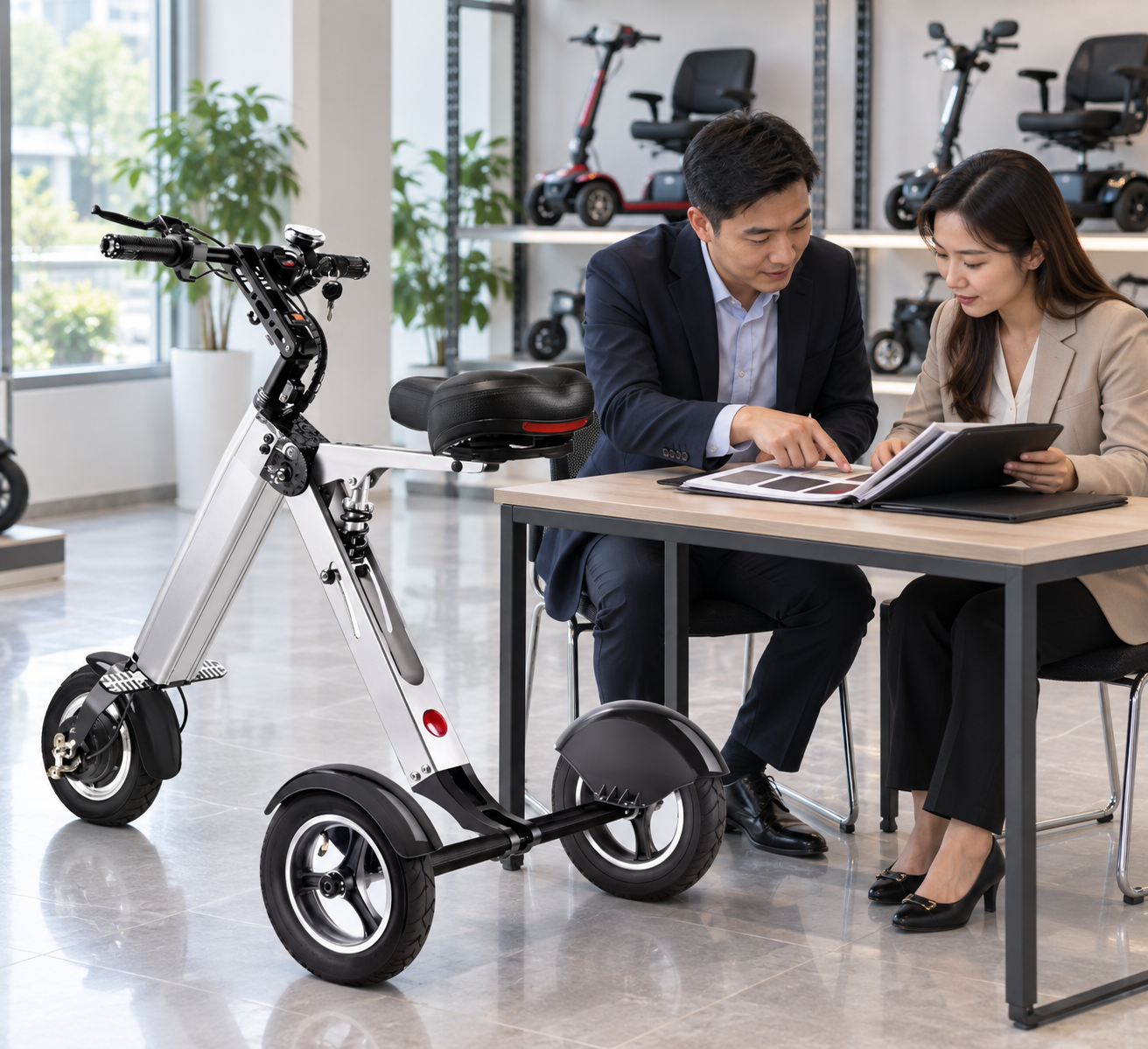
A completed mobility scooter lease return record should show returned items, reviewed condition, agreed actions and final unit status. A collection receipt does not close a repair or charge dispute.
What should you do next?
Close the agreed actions. Share the unit reference and unresolved product question when requesting supplier help. Retain the final outcome with the lease history.
- Return set
- Agreed action
- Final status
| Check | Record or reference |
|---|---|
| Return set | Checklist |
| Agreed action | Case record |
| Final status | Asset register |
Key Takeaway: The unit's next use can start from a complete return history. To discuss the model and documents for your order, contact us with your requirements. At AryMD, useful product facts should support every care-equipment purchase.
Frequently asked questions
Q1: Can a charge indicator establish battery condition at return?
No. Record the system and symptoms and let qualified staff decide the suitable checks.
Q2: What’s the best record for missing accessories?
Use the original supply list and handover record, then identify each missing item under the returned unit.
Q3: How do I know which wear or charge terms apply?
Check the agreement accepted for that lease and refer uncertain legal questions to a qualified local reviewer.
Q4: Can a returned scooter be booked again immediately?
Only after the required care, service and release process confirms it is available for the intended supply.
Q5: Should collection close every outstanding issue?
No. Keep repairs, missing items and disputed charges open until their agreed actions are recorded.