
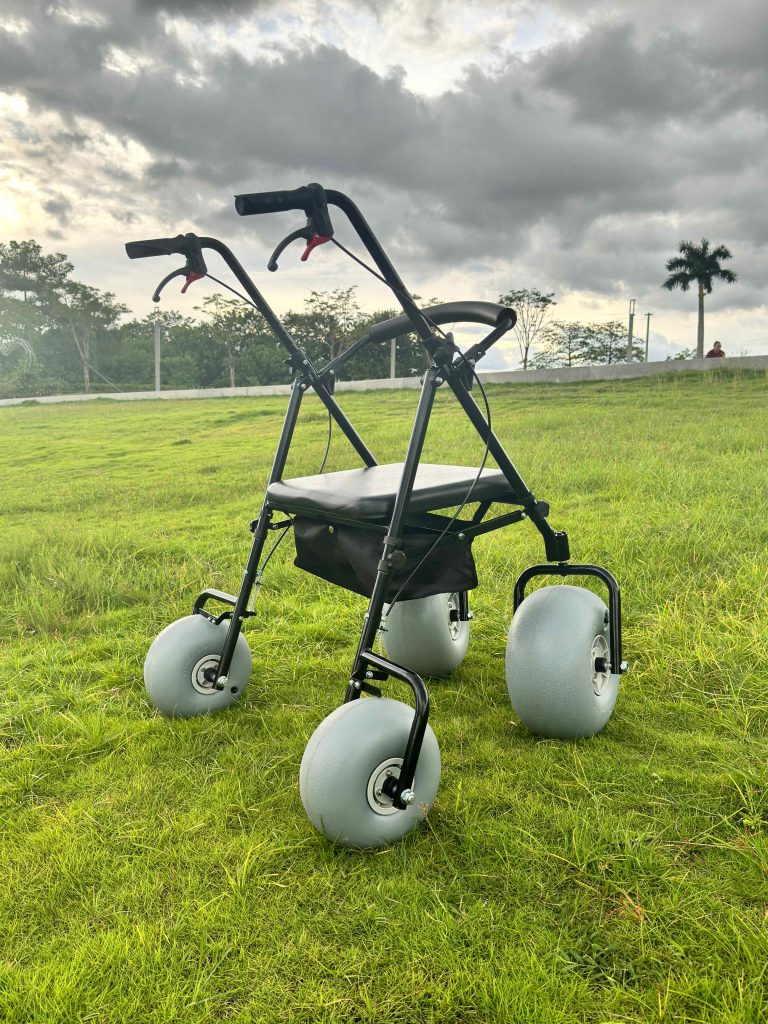
Also, Sand Mobility Walker should be reviewed through guest needs, sand firmness, slope, wheel setup, brakes, seat, handoff, cleaning, storage, and service. A sand mobility walker does not suit every guest or shoreline. Hotels should test the route, staff workflow, and exact product configuration. This guide removes unsupported rankings, old figures, and broad performance promises.
Then, ADA mobility-device guidance gives access context, while the California Coastal Commission beach-wheelchair directory shows why local services vary.
What Does Sand Mobility Walker Cover?
However, The phrase describes a selection task. It cannot guarantee performance, suitability, compliance, or a business result. Record product, configuration, intended use, operating setting, and support before comparison.
For example, Set a narrow scope. Use the relevant product overview without mixing unrelated models.
- Name one intended task.
- Record model and revision.
- List excluded uses.
| Scope item | Required record |
|---|---|
| Product | Exact model |
| Use | Written task |
| Limit | Visible condition |
Meanwhile, Key Takeaway: A clear scope prevents false comparisons.
Who Owns Each Decision?
Instead, Name the user, operator, suitable professional, procurement lead, quality contact, service owner, and supplier contact where those roles apply. Give each person a defined record.
As a result, Assign real ownership. Connect roles through the supporting review page.
- Record user needs.
- Name operating staff.
- Keep professional decisions separate.
| Role | Record |
|---|---|
| User | Needs and feedback |
| Operator | Task and limit |
| Supplier | Evidence owner |
Also, Key Takeaway: Named ownership closes handoff gaps.
Which Conditions Change the Result?
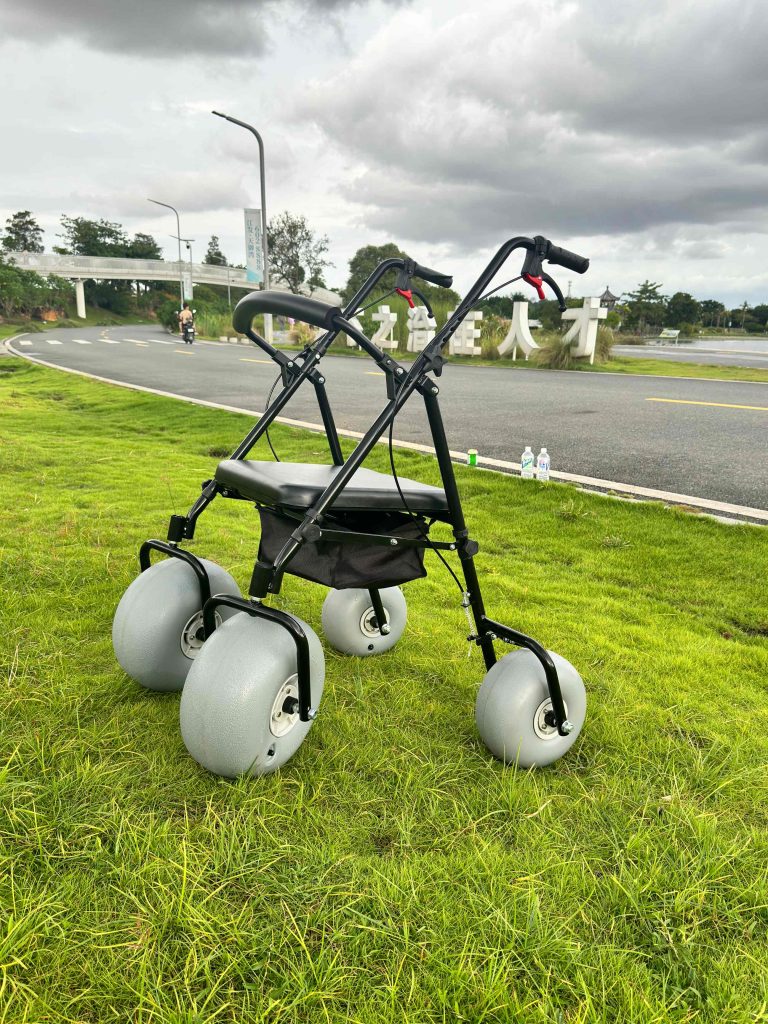
Then, Map surfaces, slopes, turns, transfers, water contact where approved, folding or mode changes, storage, charging, cleaning, weather, and operating limits. Mark untested conditions.
However, Walk the real route. Compare conditions with the current operating guide.
- Map every transition.
- Record weather and surface.
- Flag untested steps.
| Condition | Evidence |
|---|---|
| Route | Observed record |
| Transition | Controlled trial |
| Limit | Named response |
For example, Key Takeaway: Conditions belong beside every performance claim.
What Evidence Should a Buyer Request?
Meanwhile, Request current specifications, instructions, labels, configuration, revision, test methods, parts, service terms, quality records, and market documents where applicable. Match each file with the offered product.
Instead, Check document identity. Keep a dated product evidence file.
- Match model numbers.
- Date each file.
- Log missing evidence.
| Evidence | Pass condition |
|---|---|
| Specification | Current revision |
| Instruction | Exact model |
| Claim | Method disclosed |
As a result, Key Takeaway: A claim needs a model, method, and date.
How Should Fit and Configuration Be Checked?
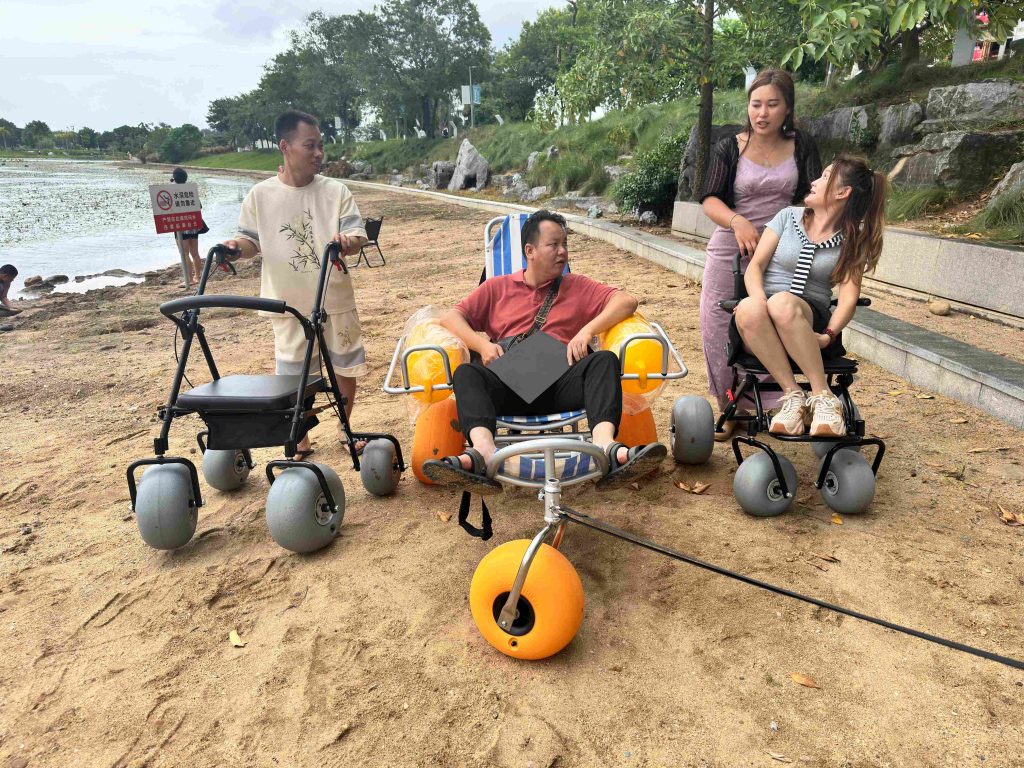
Also, Review dimensions, supports, controls, transfers, route clearance, staff access, attachments, and individual needs as applicable. Use a configured sample rather than a generic photo.
Then, Check one real setup. Follow the fit and configuration record.
- Record approved setup.
- Check controls and supports.
- Plan transfers or handoffs.
| Review area | Evidence |
|---|---|
| Support | Approved setup |
| Control | Usable access |
| Clearance | Measured route |
However, Key Takeaway: Fit follows the person, task, and setting.
How Should a Sample Trial Be Recorded?
For example, Use one written sequence for controls, routes, stops, turns, handling, transfers, folding or mode changes, cleaning, and return. Record pass, concern, fail, and not tested.
Meanwhile, Keep trials repeatable. Compare results with the selection reference.
- Use the same sequence.
- Record conditions and observer.
- Stop when limits are unclear.
| Status | Meaning |
|---|---|
| Pass | Meets stated condition |
| Concern | Needs more evidence |
| Not tested | No conclusion |
Instead, Key Takeaway: A repeatable trial exposes tradeoffs.
What Handling and Delivery Work Matters?
As a result, Review grip points, lifting, folding, mode changes, packaging, vehicle or room fit, receiving checks, assembly, and protected storage. Record every removed part and setup change.
Also, Test the full handling chain. Use the route or delivery record.
- Identify approved grip points.
- Measure storage and vehicle space.
- Check after reassembly.
| Handling step | Check |
|---|---|
| Move | Suitable plan |
| Receive | Visible inspection |
| Store | Protected area |
Then, Key Takeaway: Handling can decide whether a product works operationally.
How Should Training and Daily Service Run?
However, Write roles for booking, preparation, user handoff, route control, cleaning, charging where relevant, return, fault isolation, and escalation. Use current instructions for every task.
For example, Practice before launch. Build tasks around the service and supplier questions.
- Use a short handoff checklist.
- Record staff signoff.
- Keep an escalation contact.
| Service point | Record |
|---|---|
| Handoff | Named checklist |
| Return | Condition check |
| Fault | Isolation route |
Meanwhile, Key Takeaway: A product needs a workable service routine.
What Maintenance and Parts Plan Is Needed?
Instead, Follow model instructions for inspection, cleaning, drying, adjustment, batteries where relevant, approved parts, repair, and return to service. Avoid universal intervals and lifespan promises.
As a result, Plan before a fault. Record inspection evidence, part identifiers, downtime, repair ownership, and release approval.
- Keep approved part numbers.
- Track faults and downtime.
- Name repair ownership.
| Care area | Record |
|---|---|
| Inspection | Observed condition |
| Part | Approved identifier |
| Repair | Named process |
Also, Key Takeaway: Service records support availability and traceability.
What Should the Final Decision File Contain?
Then, Combine the use brief, roles, conditions, product evidence, fit, trial, handling, training, care, supplier, quote, delivery, and change records. Preserve unresolved limits in writing.
However, Close with traceability. Approve one exact configuration and keep dated source files beside the decision.
- Use one model revision.
- Date every source.
- Retain decisions and changes.
| File area | Pass condition |
|---|---|
| Use | Defined |
| Evidence | Current |
| Decision | Traceable |
For example, Key Takeaway: Choose sand mobility walker only after the complete evidence file passes.
Does the product phrase guarantee suitability?
Meanwhile, No. Product, configuration, user, setting, and support conditions all affect the decision.
Should old specifications be reused?
Instead, No. Request current evidence for the exact model and revision.
Is a sample trial useful?
As a result, Yes, when it follows a written task and records conditions.
Should supplier support be scored?
Also, Yes. Documents, parts, service, and response ownership affect value.
Will the featured image change?
Then, No. The original featured image remains.