
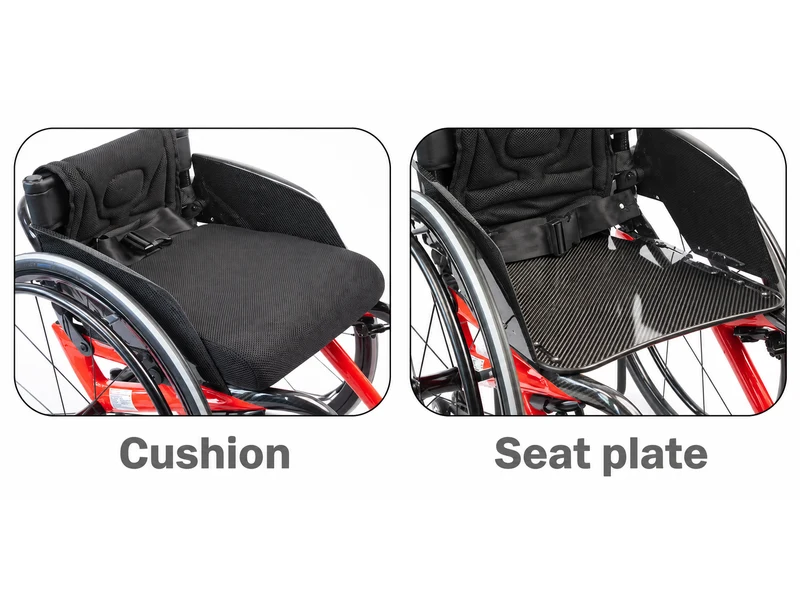
Review a rigid wheelchair seat cushion with its supporting plate, side guards and back support. A breathable cover and a familiar width can look sufficient in a quotation while the cushion's shape, attachment and support role remain unclear. Those gaps can affect the setup delivered. Examples use the 5903, a manual carbon-frame chair with one fixed 38 cm seat width.
What should a rigid wheelchair seat cushion review include?
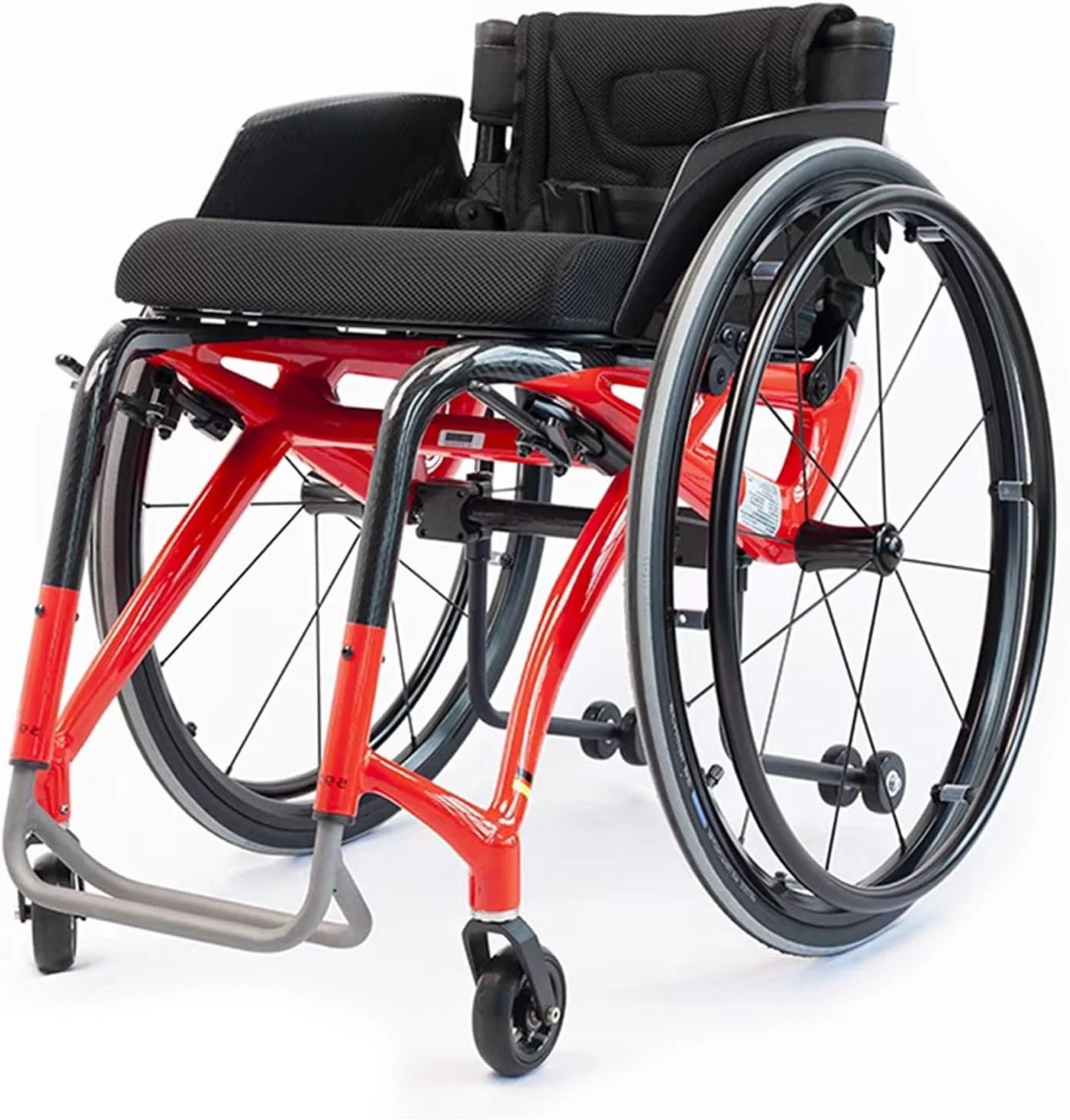
Review a rigid wheelchair seat cushion with its supporting plate, side guards and back support. Review 5903 cushion fit through the actual cushion, carbon seat plate, side guards and back support. Seat width is fixed at 38 cm, with no other widths available; listed seat depth is 45 cm. The complete arrangement needs an individual fitting review.
Identify the cushion being offered
A familiar-looking pad may not have the same shape or support role. Ask for the cushion reference, dimensions and attachment method. Keep those details with the chair setup so the purchasing and fitting teams assess the same seating set. WHO guidance supports assessment, fitting and follow-up.
- Seat reference
- Cushion identity
- Fit review
| Review point | What to confirm |
|---|---|
| Seat reference | 38 × 45 cm listed |
| Cushion identity | Exact supplied type and size |
| Fit review | Complete individual seating arrangement |
Key Takeaway: You can compare a defined seating package instead of assuming the standard cushion suits every user.
How does the seat plate differ from the cushion?
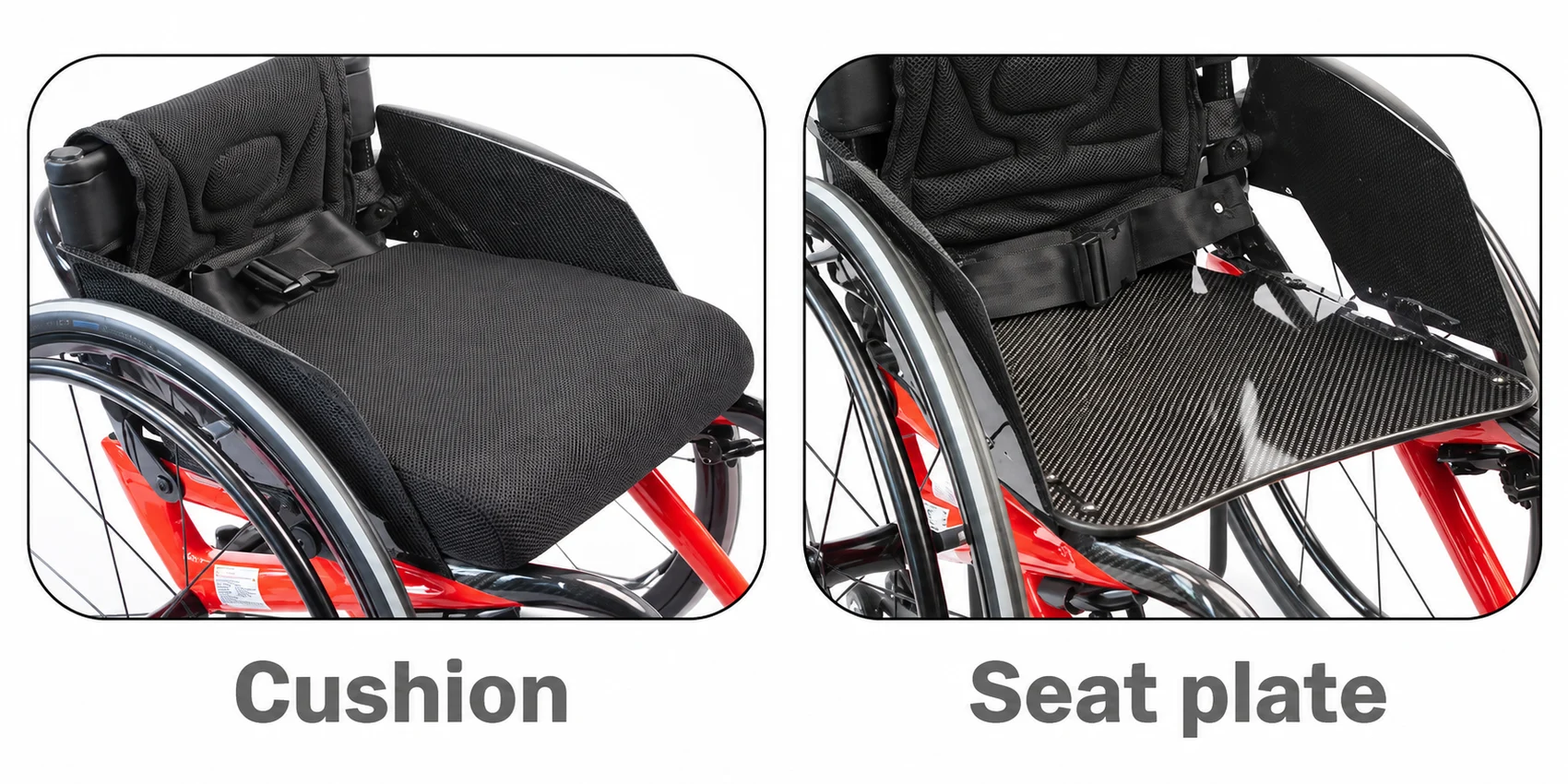
The supporting plate and the padding have different roles, so identify both when choosing a rigid wheelchair seat cushion. Within 5903 cushion fit, the carbon seat plate is the supporting base, while the cushion is a separate seating part above it. Their dimensions, support area and attachment need to be reviewed together.
Which surface carries which role?
Removing the cushion reveals a different part. The supplied detail image shows the plate separately from the pad. Use that distinction when requesting care instructions, a replacement or a photograph of a reported problem. Keep the seat-base description with the frame setup.
- Seat plate
- Cushion
- Shared record
| Review point | What to confirm |
|---|---|
| Seat plate | Supporting carbon part |
| Cushion | Separate fitted seating part |
| Shared record | Dimensions position and attachment |
Key Takeaway: You can describe the affected part clearly before asking for a part or service response.
What dimensions belong in a cushion fit record?
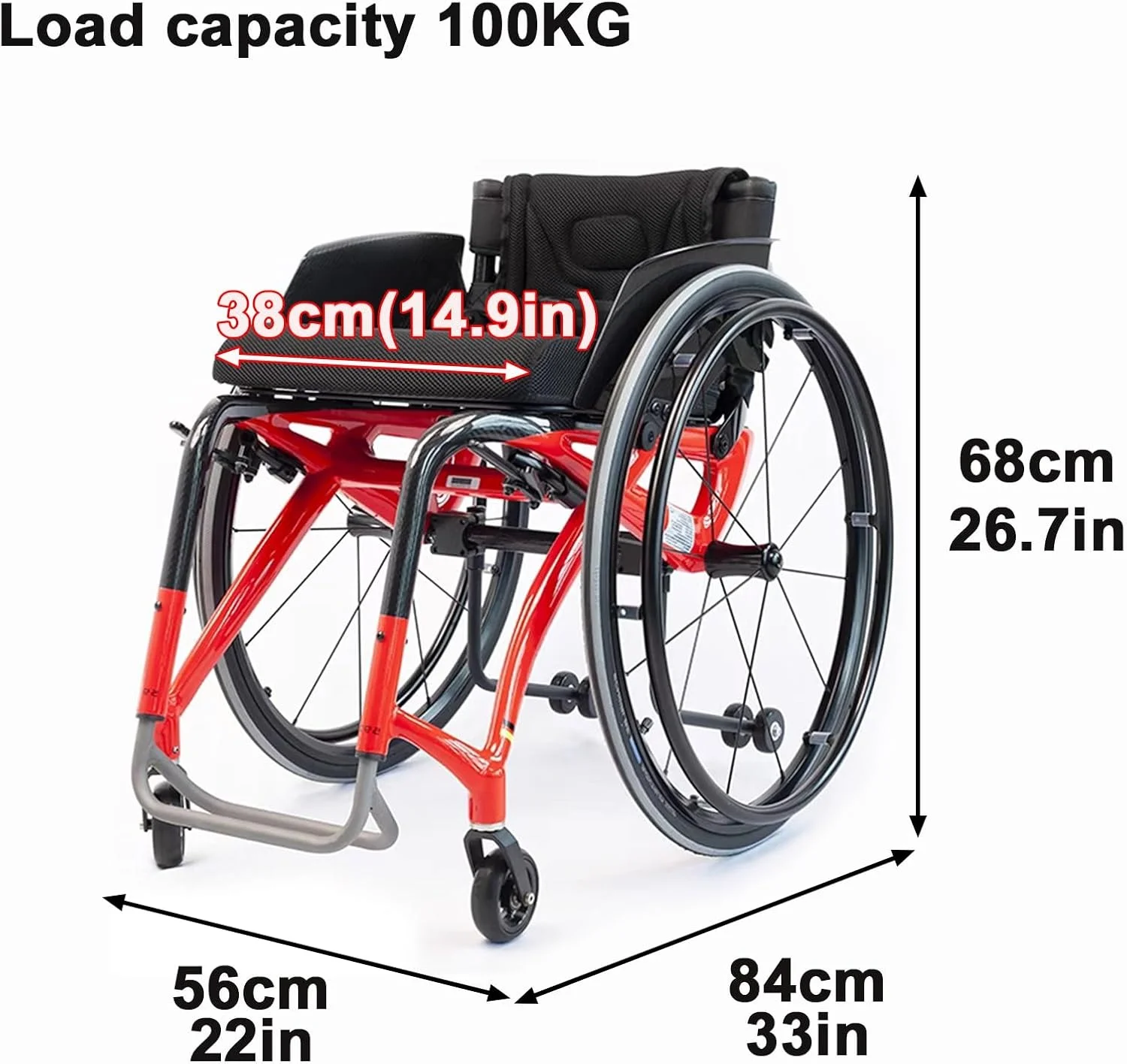
Record the actual cushion dimensions, seat-base dimensions and reference points for a rigid wheelchair seat cushion. A 5903 cushion fit record should include the cushion's width, depth, shape and relevant thickness definition alongside the seat-base dimensions. A label that matches only one dimension does not establish the full fit.
Compare the complete outline
The front edge and rear support also need attention. Ask how the cushion sits on the plate and relates to the fitted backrest. Keep any proposed overhang or change in height within the fitting provider's review rather than assuming it is acceptable.
- Cushion dimensions
- Base support
- Installed position
| Review point | What to confirm |
|---|---|
| Cushion dimensions | Named width depth and thickness |
| Base support | Actual plate contact area |
| Installed position | Relationship to backrest and guards |
Key Takeaway: You can keep a replacement choice from depending on a single matching number.
Does breathable fabric prove pressure-injury prevention?
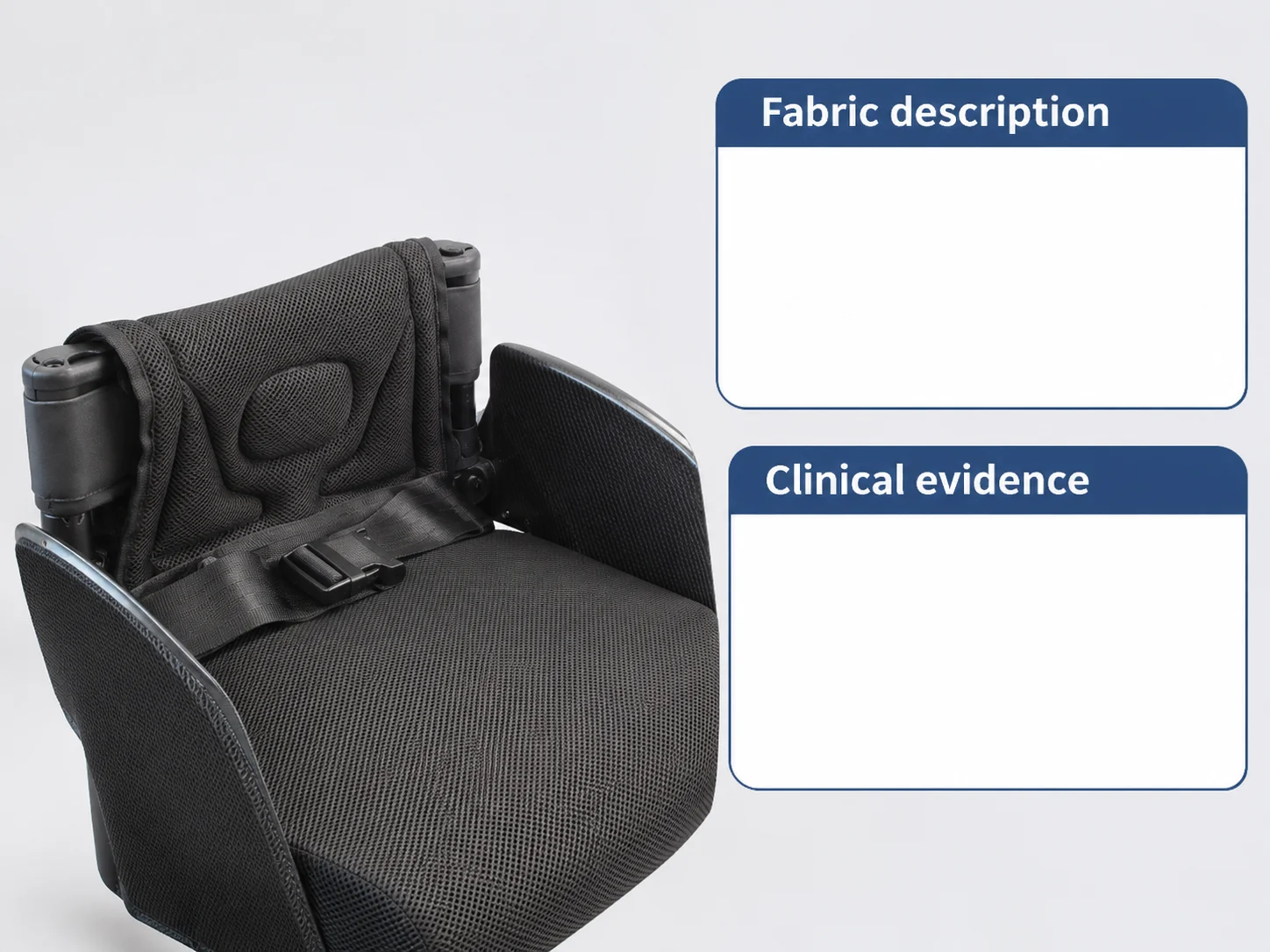
Breathable fabric alone does not establish pressure-injury prevention for a rigid wheelchair seat cushion. No; breathable fabric or a comfort description does not prove a clinical outcome for 5903 cushion fit. The supplied marketing image includes a pressure-related claim, but no matching clinical evidence was provided for that promise.
Separate the fabric description from a health claim
The individual assessment determines the relevant support needs. Request the actual cushion specification and any evidence needed by the fitting provider. Do not advertise guaranteed prevention or treatment from the appearance of the cover.
- Fabric description
- Clinical claim
- Individual selection
| Review point | What to confirm |
|---|---|
| Fabric description | Supported material or construction detail |
| Clinical claim | Requires appropriate evidence |
| Individual selection | Relevant professional assessment |
Key Takeaway: You can describe the cushion without turning a marketing phrase into an unsupported medical promise.
How can thickness affect a rigid wheelchair seat cushion review?
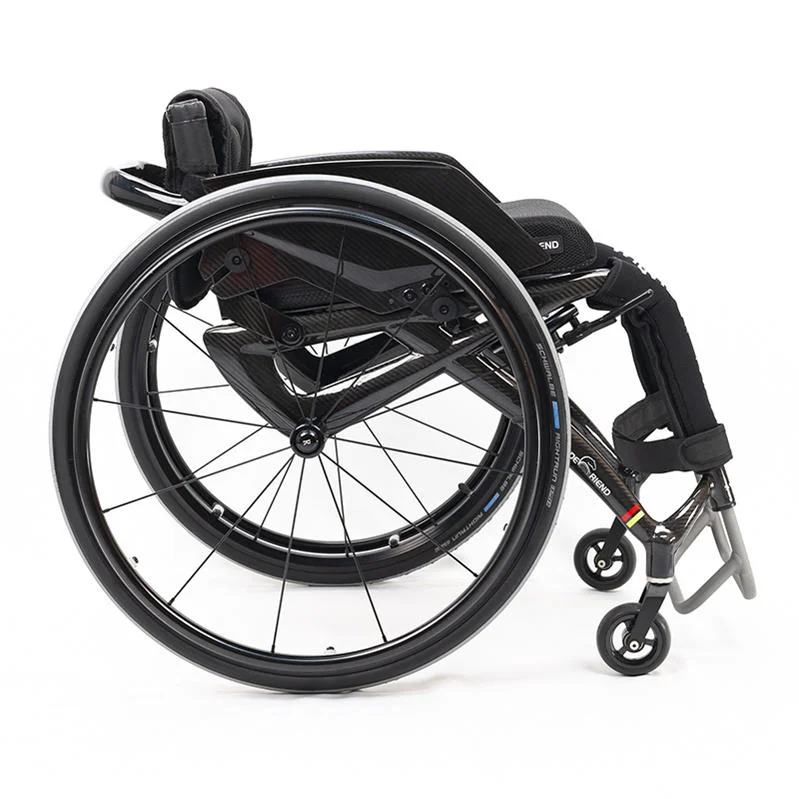
Cushion thickness changes the seated arrangement and belongs in the assessment of a rigid wheelchair seat cushion. Cushion thickness belongs in the 5903 cushion fit review because the installed seating surface affects the setup being assessed. Its measurement should be defined rather than assumed from an unloaded photo.
Use the installed seating reference
A product image cannot describe every loaded condition. Ask the supplier for the relevant cushion dimensions and product information. Keep seat-height and foot-support discussions linked to the actual cushion selected for the order. Use the same cushion reference in the foot-support review.
- Cushion record
- Seat reference
- Related review
| Review point | What to confirm |
|---|---|
| Cushion record | Defined dimensions and type |
| Seat reference | Actual supported surface |
| Related review | Seat height and foot support |
Key Takeaway: You can keep the fitting brief consistent when the cushion differs from the one shown in a catalog photo.
What should be confirmed about cushion attachment?
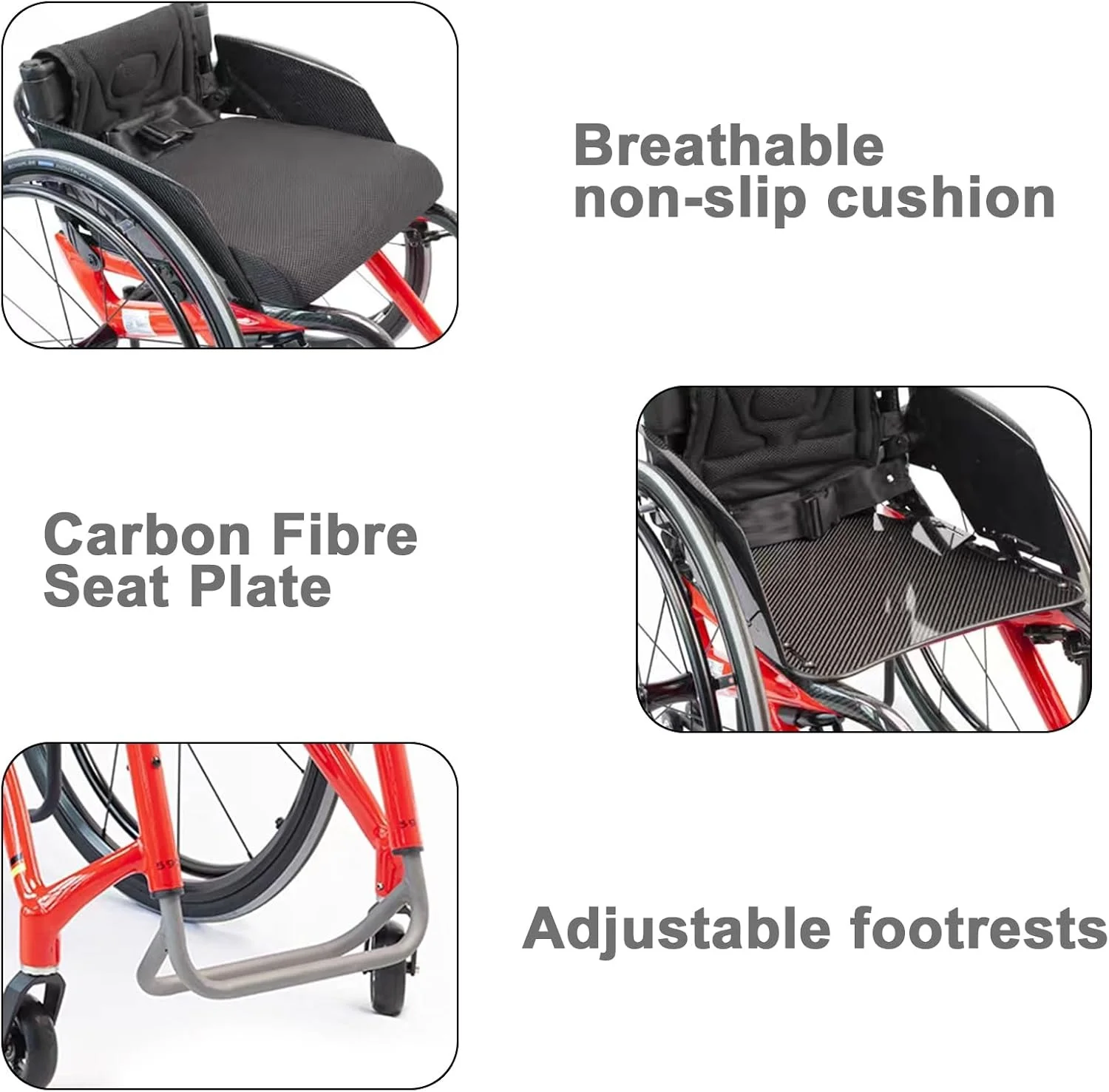
Confirm the permitted fixing method and actual attachment points before using a rigid wheelchair seat cushion. For 5903 cushion fit, confirm how the cushion is intended to sit and remain positioned on the actual seat plate. An attachment visible in a photograph does not establish that any alternative adhesive, strap or fastener is suitable.
Ask for the supported attachment
The replacement should match the intended base. Request the matching product or care guidance for the supplied cushion. Keep changes to attachments within the responsible supplier and fitting review rather than improvising a new retention method.
- Base interface
- Attachment
- Changed part
| Review point | What to confirm |
|---|---|
| Base interface | Actual plate and fitted cushion |
| Attachment | Confirmed supported method |
| Changed part | Reviewed compatibility and setup |
Key Takeaway: You can specify the seating set without assuming that every removable cushion uses the same attachment.
How should cushion fit guide a replacement order?
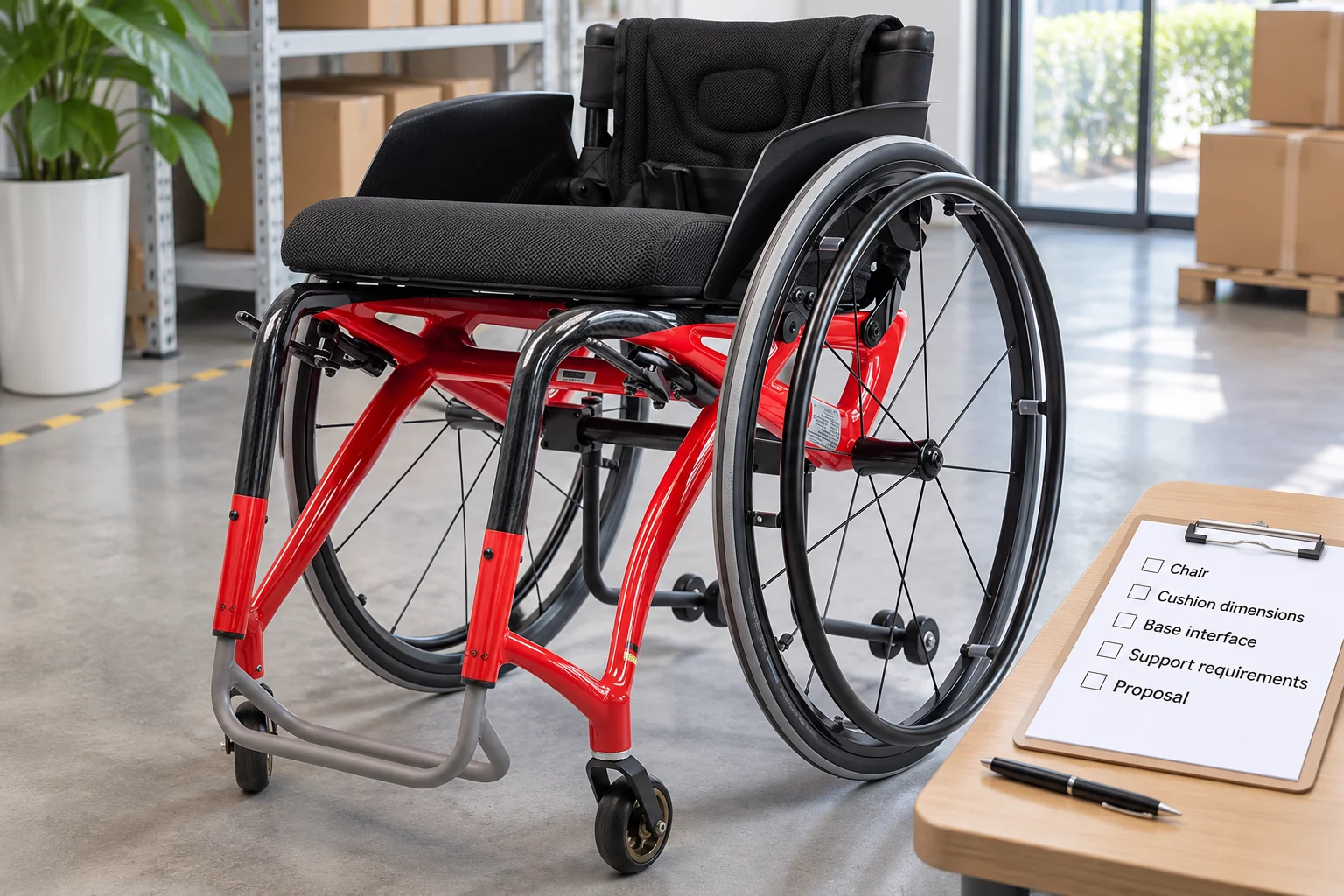
Match the intended dimensions, support needs and attachment when ordering a replacement rigid wheelchair seat cushion. A replacement order based on 5903 cushion fit should name the chair, cushion dimensions, base interface and the support requirements already reviewed. Ask whether the proposal matches the agreed setup before comparing price.
Keep the original setup available
A replacement inquiry needs a stable reference. Send the cushion and chair references with the requested photographs. If the replacement changes shape, material or dimensions, retain the fitting review as part of the decision.
- Existing setup
- Proposed replacement
- Acceptance
| Review point | What to confirm |
|---|---|
| Existing setup | Recorded chair and cushion |
| Proposed replacement | Exact product and dimensions |
| Acceptance | Supplier compatibility and fitting review |
Key Takeaway: You can compare replacement options without silently changing the seating arrangement.
What care information should accompany the cushion?
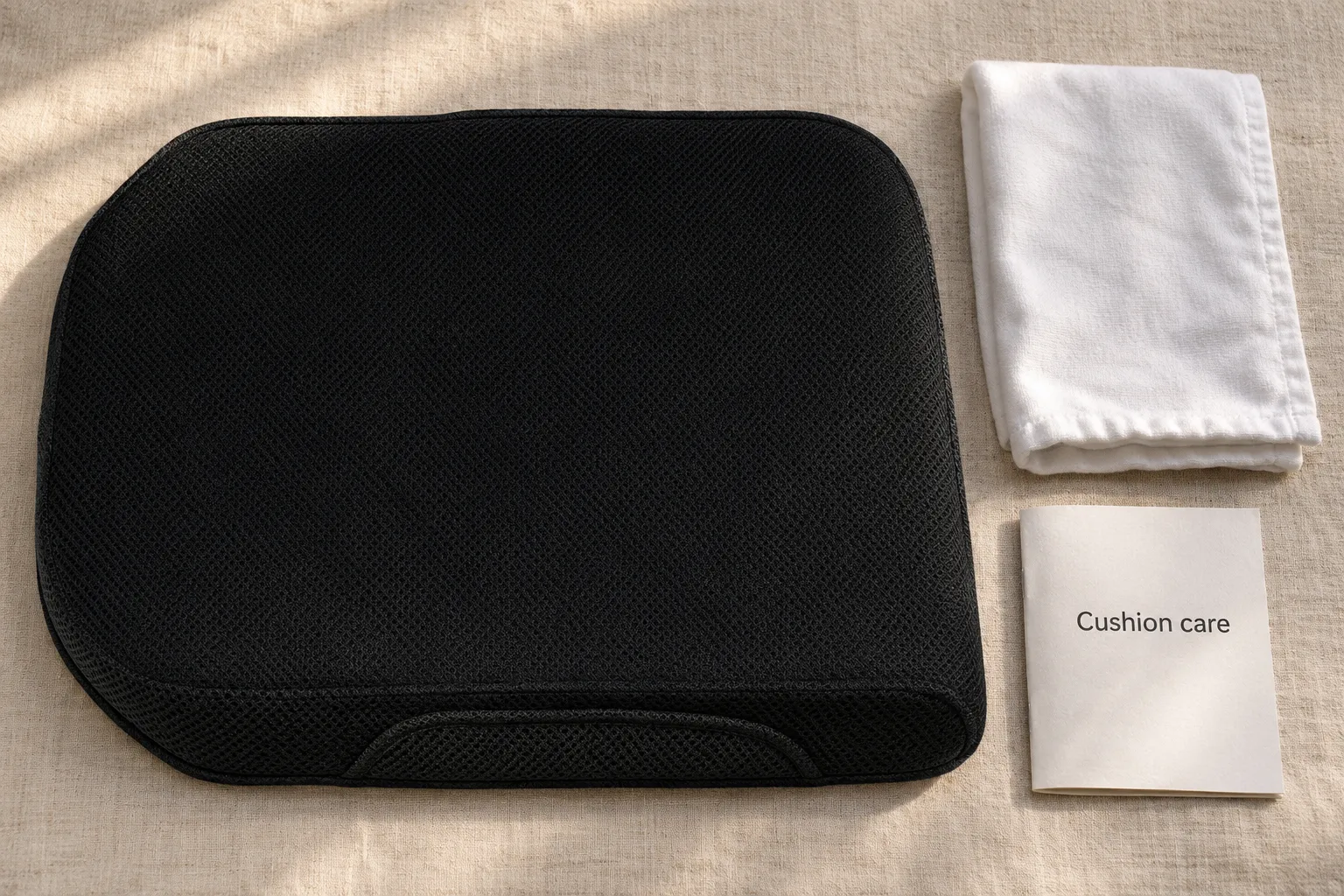
Keep material-specific cleaning and drying guidance with a rigid wheelchair seat cushion. Care information for 5903 cushion fit should name the exact cover and cushion parts, with their permitted cleaning and drying methods. Do not assume a removable cover is machine-washable or that one product suits every surface.
Read the care scope by part
The cover and inner cushion may need different treatment. Ask for the matching instructions and any restrictions on cleaning products. Keep routine surface care distinct from a service or infection-control process that requires separate guidance. Include the confirmed care method in the user handover.
- Cover identity
- Permitted method
- Separate process
| Review point | What to confirm |
|---|---|
| Cover identity | Actual material and construction |
| Permitted method | Product-specific care instructions |
| Separate process | Relevant service or infection-control review |
Key Takeaway: You can create a care plan that matches the delivered cushion rather than a similar-looking fabric.
What should a rigid wheelchair seat cushion trial record?
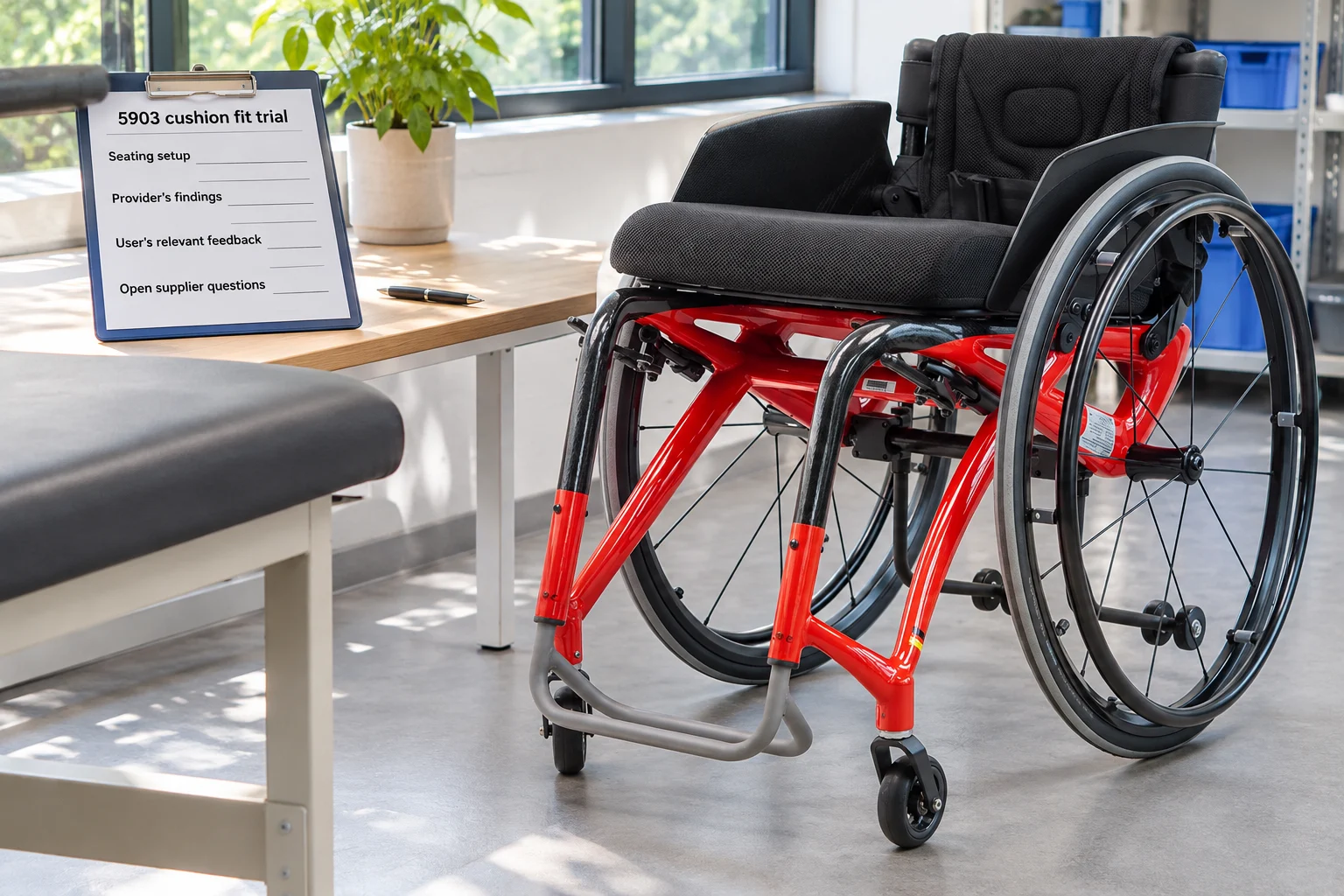
A trial of a rigid wheelchair seat cushion should document the complete setup and the individual's assessment, not just a comfort label. A 5903 cushion fit trial should document the exact seating setup, the provider's findings and the user's relevant feedback. Keep open supplier questions visible instead of turning a trial into an unconditional comfort claim.
Record the setup behind the feedback
A later change can alter what was reviewed. Note the cushion, plate, guards and back support used during the assessment. Retain any required follow-up with the final order so the delivered setup can be compared with the reviewed one.
- Trial parts
- Assessment result
- Order link
| Review point | What to confirm |
|---|---|
| Trial parts | Exact installed seating set |
| Assessment result | Specific findings and feedback |
| Order link | Final setup and open follow-up |
Key Takeaway: You can connect the fitting decision with the product that is actually purchased and supplied.
How can you request useful cushion fit information?
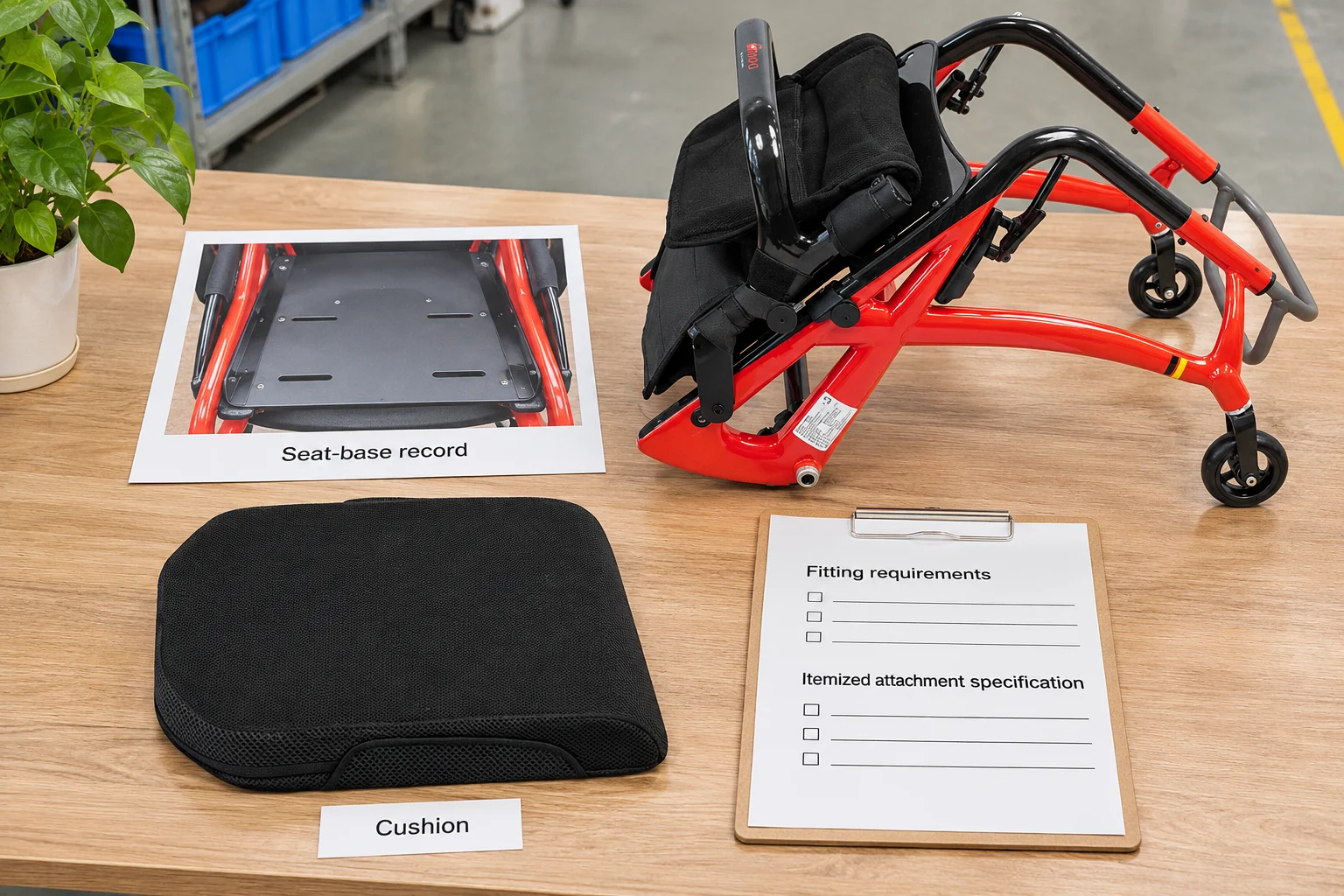
Request a rigid wheelchair seat cushion with the seat-base record, fitting requirements and an itemized attachment specification. Request 5903 cushion fit information by supplying the chair setup and the seating questions your provider needs answered. Ask for the cushion dimensions, attachment and care details with the offered package.
Send the seating brief with the inquiry
The supplier needs the intended setup, not a broad comfort label. Give AryMD the relevant model details, quantity and destination. We can discuss the product information and written scope needed for your seating and purchasing review.
- Seating request
- Product details
- Commercial brief
| Review point | What to confirm |
|---|---|
| Seating request | Reviewed individual requirements |
| Product details | Cushion base and attachment |
| Commercial brief | Configuration quantity and destination |
Key Takeaway: You can use the cushion discussion to define a clear and reviewable supply request. Contact us with your 5903 setup, quantity and destination so we can discuss the product information and written supply scope. AryMD puts clear specifications before purchasing promises.
Frequently asked questions
Q1: Can breathable fabric prove pressure-injury prevention?
No. That clinical claim requires suitable evidence and an individual review; a fabric description does not establish it.
Q2: What's the best information to request about the cushion?
Ask for its reference, dimensions, intended support base, attachment and care instructions. Keep these with the chair setup.
Q3: How do I know if a replacement cushion fits the seat plate?
Confirm the complete dimensions, supported area and attachment, then retain the appropriate fitting review for the proposed change.
Q4: Can I assume a removable cover is machine-washable?
No. Follow the care instructions for the exact cover and inner cushion.
Q5: Should a cushion trial identify the backrest and side guards too?
Yes. They are part of the installed seating arrangement that was reviewed.