
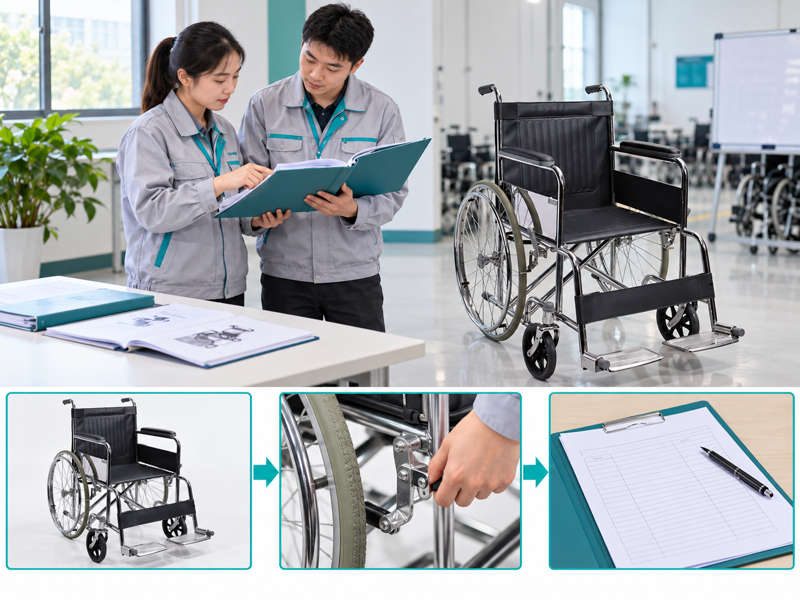
Make manual wheelchair user handover connect the actual unit, agreed seating setup and usable support details. A Singapore dealer may supply a familiar chair while its replacement foot supports differ from the approved order. A precise handover record keeps those details visible before and after delivery.
What should manual wheelchair user handover record?
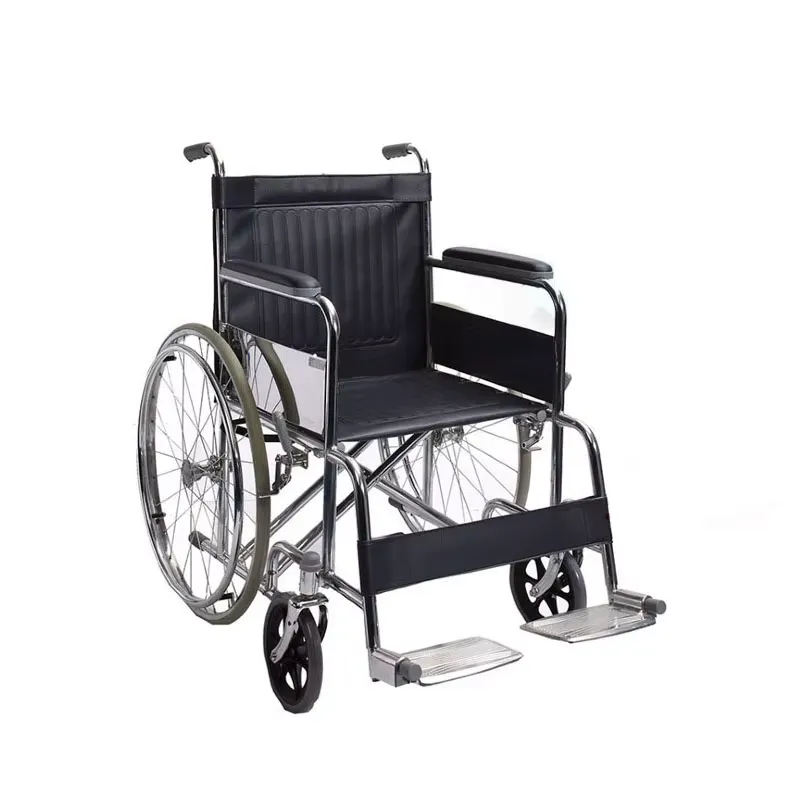
Manual wheelchair user handover should record the exact unit, fitted parts, agreed settings and current guides. A product-family name does not identify every version a dealer can supply.
Identify the delivered setup
Connect the chair with its agreed setup. Match the unit with the order and any relevant assessed setup. Resolve a proposed swap before calling it an accepted match.
- Unit identity
- Agreed setup
- Accessories
| Check | Record or reference |
|---|---|
| Unit identity | Label |
| Agreed setup | Order |
| Accessories | Contents list |
Key Takeaway: The handover is tied to a specific chair.
What should be completed before delivery?
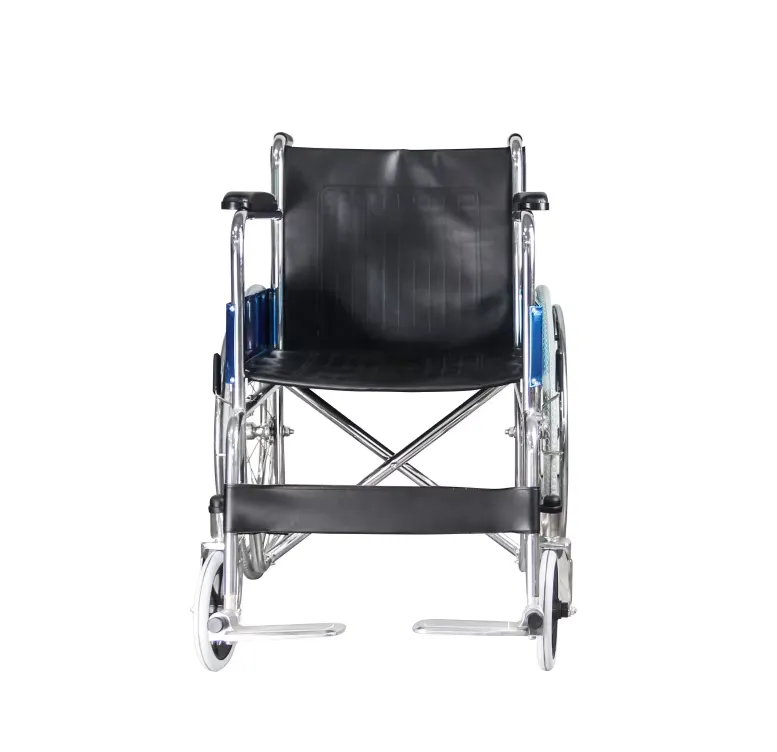
For manual wheelchair user handover, finish the required setup, condition and document checks before dispatch. A delivery slot does not resolve a missing part or an uncertain joint.
Complete product preparation
Release the product before the appointment. Use trained staff and the model instructions. Keep unresolved concerns within the service review process.
- Assembly
- Condition
- Release
| Check | Record or reference |
|---|---|
| Assembly | Check record |
| Condition | Inspection |
| Release | Sign-off |
Key Takeaway: The supplied chair has a recorded readiness decision.
How should seating details be passed on?
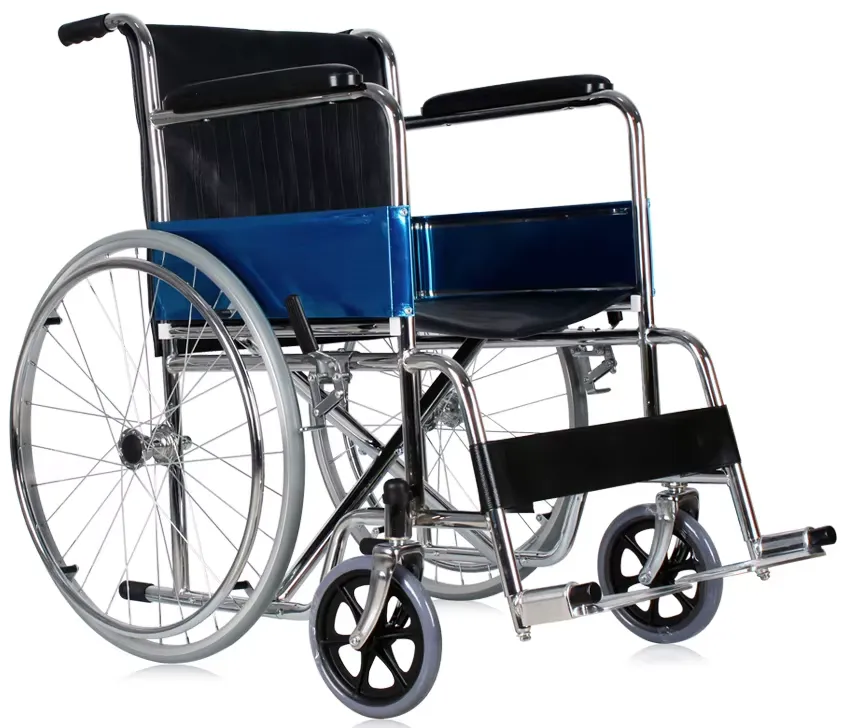
Manual wheelchair user handover should identify the seating setup chosen through the proper assessment. A new cushion or changed support can affect that decision.
Preserve the seating decision
Preserve the assessed setup. Keep the exact chair and seating codes with the order. Refer new seating concerns to a qualified professional.
- Seat setup
- Cushion version
- New concern
| Check | Record or reference |
|---|---|
| Seat setup | Assessment record |
| Cushion version | Product ID |
| New concern | Referral |
Key Takeaway: The delivered equipment can match the seating decision.
Which operating details belongs in the handover?
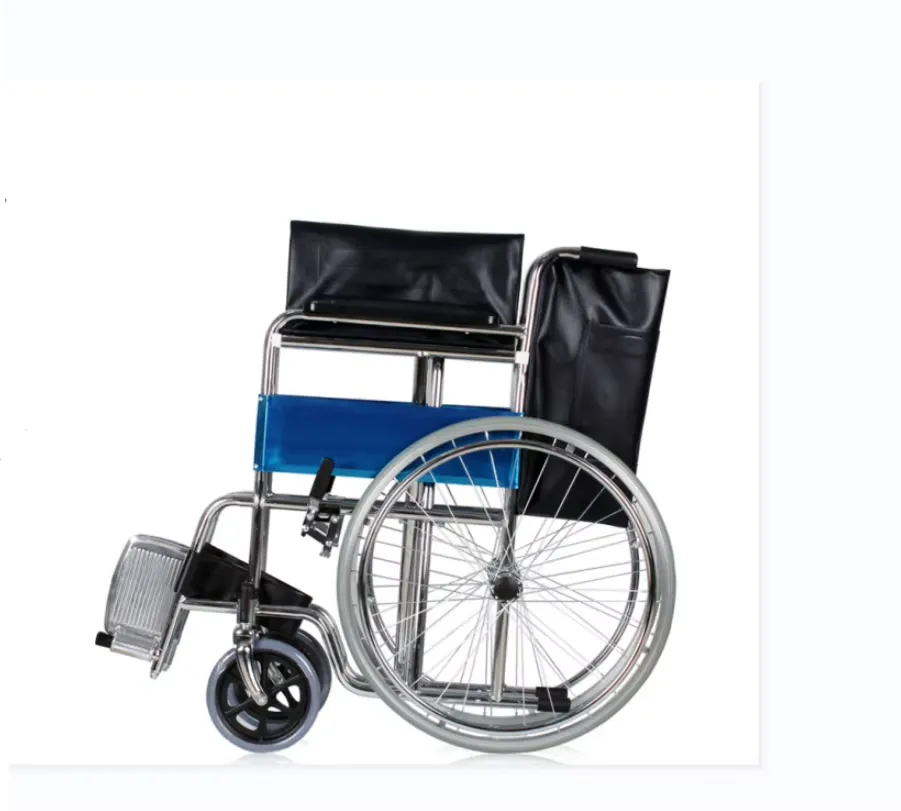
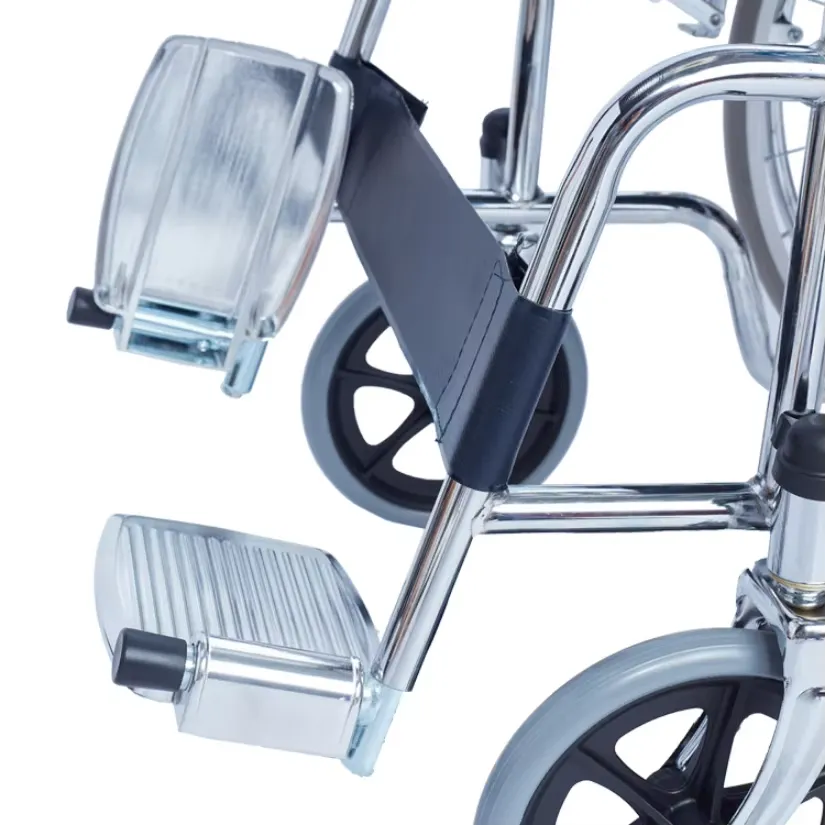
For manual wheelchair user handover, explain the supplied model within the current guide and staff training. Similar-looking locks or footplates may work differently.
Use the current operating guide
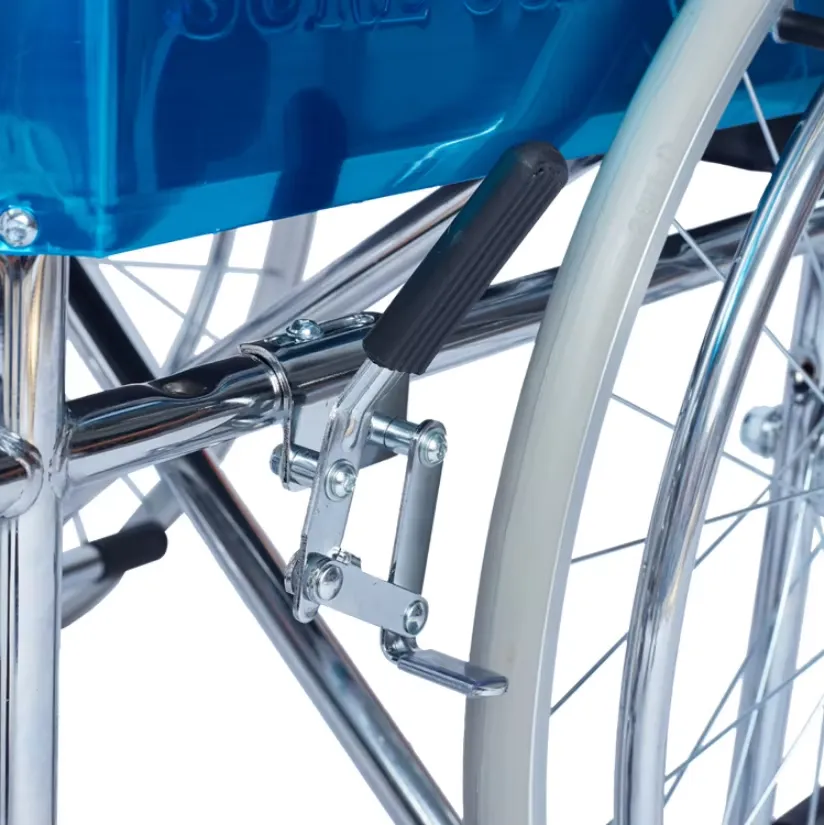
Use the actual model guide. Make the current manual available in a usable format. Ask the suitable team to address any difficulty understanding or using the instructions. Use the relevant wheel-lock guidance for the supplied model.
- Manual version
- Topics covered
- Unresolved need
| Check | Record or reference |
|---|---|
| Manual version | Issued guide |
| Topics covered | Handover note |
| Unresolved need | Support record |
Key Takeaway: The explanation matches the equipment in front of the user.
How should accessories be identified?
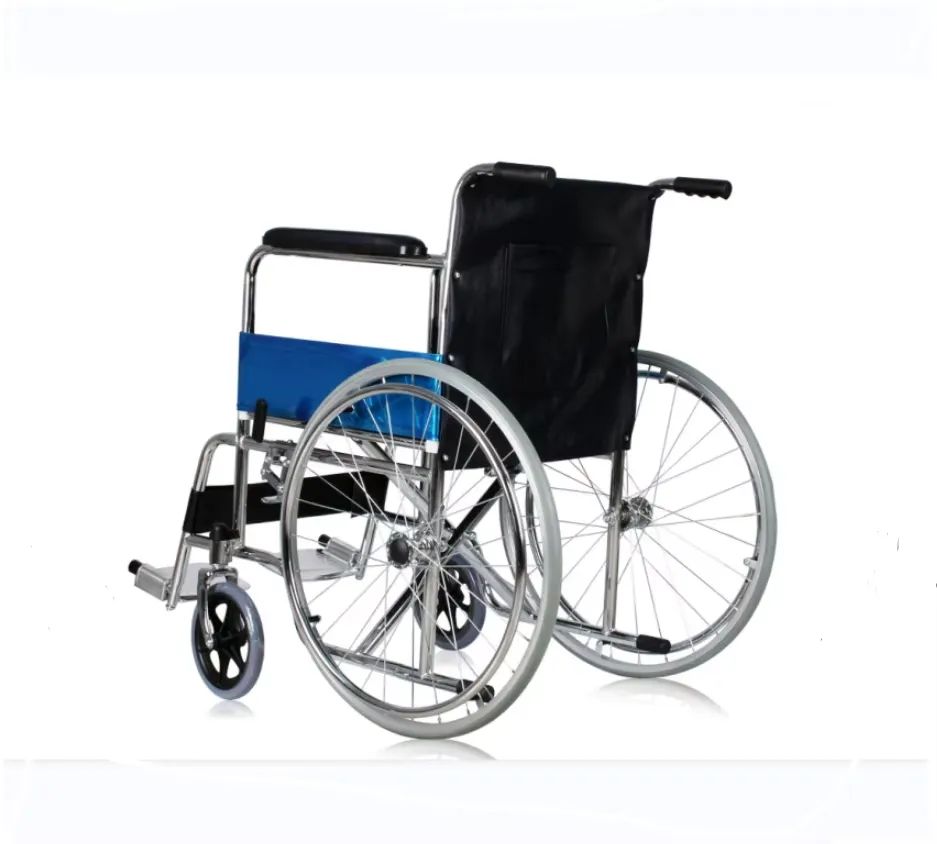
Manual wheelchair user handover should name each supplied cushion, support, belt and other accessory by its approved code. Staff should not guess the purpose of a loose strap.
Identify fitted accessories
Keep each fitted item traceable. Use the product guide and assessed plan to explain each item. Keep positioning belts separate from claims about vehicle restraints.
- Fitted item
- Intended role
- Approved setup
| Check | Record or reference |
|---|---|
| Fitted item | Parts list |
| Intended role | Guide |
| Approved setup | Assessment |
Key Takeaway: An accessory is explained within its intended purpose.
What should the transport discussion cover?
For manual wheelchair user handover, state whether the travel question concerns an empty chair or a seated person. Each task needs its own evidence and review.
Separate the transport tasks
Separate storage from seated travel. Provide the maker's relevant details and record open questions. Refer occupied vehicle arrangements to a qualified transport specialist. Provide the approved folding information for an empty-chair storage question.
- Travel task
- Product documents
- Specialist question
| Check | Record or reference |
|---|---|
| Travel task | Brief |
| Product documents | Guide |
| Specialist question | Referral |
Key Takeaway: The handover does not blur two different transport decisions.
How should routine care be explained?
Manual wheelchair user handover should provide approved care guidance and a route for reporting faults. Technical changes need the maker's method and staff with the right skills.
Provide care and service references
Keep the service boundary clear. Show where the current care guide can be found. Tell the user how to report changes in condition using the chair's identity.
- Care source
- Service contact
- Unit reference
| Check | Record or reference |
|---|---|
| Care source | Manual |
| Service contact | Sheet |
| Unit reference | Label |
Key Takeaway: The user has a practical route for care and repair questions.
What if something is missing at delivery?
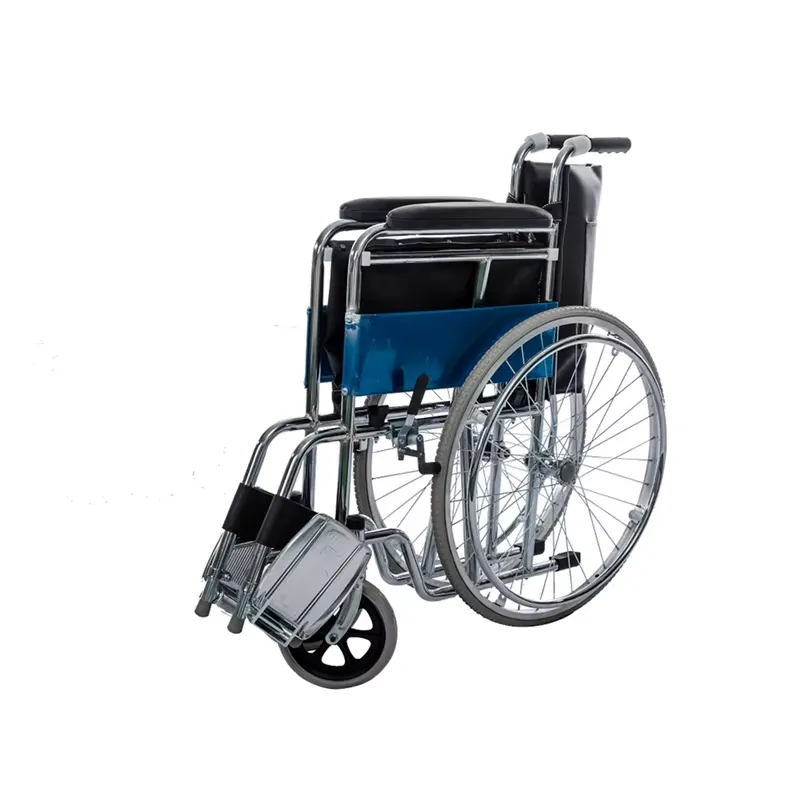
For manual wheelchair user handover, give each missing part or guide a record and an owner. A signed receipt does not settle an open supply issue.
Keep delivery exceptions visible
Record the exception before closing. Identify the missing item and its effect on release or use through the suitable reviewer. Keep the follow-up action linked to the same unit. Keep the agreed purchase scope available when resolving missing items.
- Missing item
- Status decision
- Action owner
| Check | Record or reference |
|---|---|
| Missing item | Exception note |
| Status decision | Review |
| Action owner | Case record |
Key Takeaway: A delivery exception remains visible until resolved.
What belongs in the final handover record?
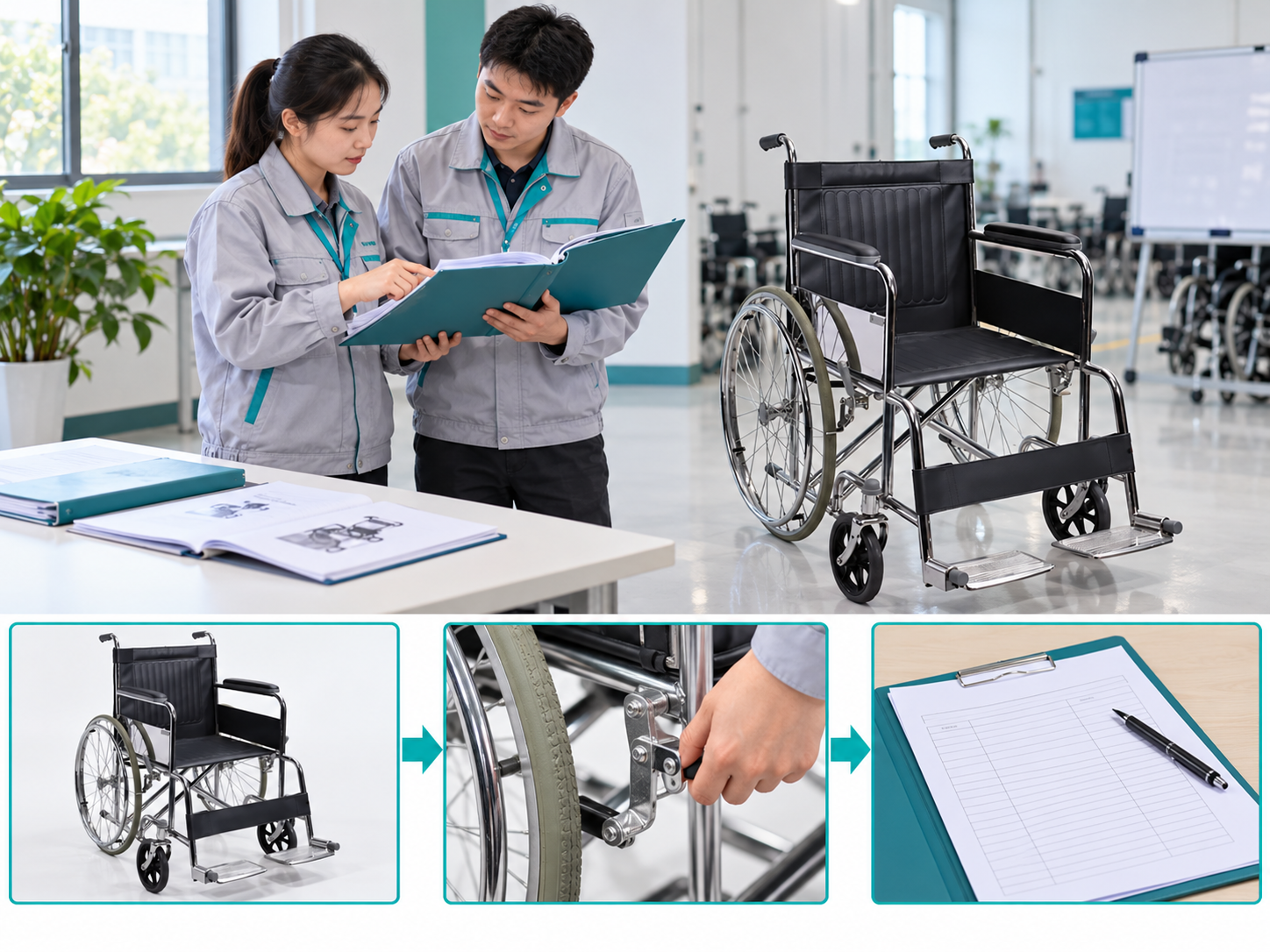
A completed manual wheelchair user handover record should name the unit, guides, settings and open questions. A tick beside training done says little about what staff explained.
Record the handover scope
Record what was actually supplied and discussed. Keep the record brief, dated and linked to responsible staff. Store personal care details in the proper care system. The NHS walking-aid and wheelchair guidance provides general selection context.
- Supplied documents
- Discussion scope
- Open action
| Check | Record or reference |
|---|---|
| Supplied documents | List |
| Discussion scope | Record |
| Open action | Owner |
Key Takeaway: Later support can start from a reliable handover history.
What should dealers request from suppliers?
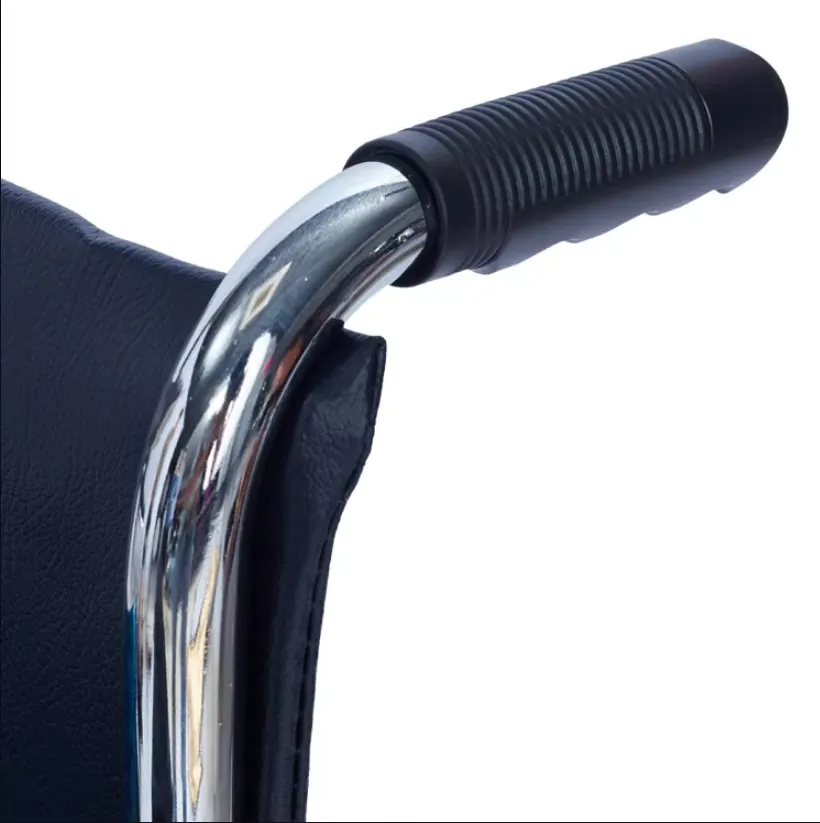
For manual wheelchair user handover, dealers should request current guides, part codes and service contacts. Keep these files available after the first shipment.
What should you do next?
Build a controlled details pack. Send the setups you plan to supply with your document request. Ask how revisions will be communicated when instructions or parts change.
- Model list
- Controlled files
- Revision route
| Check | Record or reference |
|---|---|
| Model list | Dealer brief |
| Controlled files | Supplier pack |
| Revision route | Agreement |
Key Takeaway: The supply arrangement can support users after delivery. To discuss the model and documents for your order, contact us with your requirements. At AryMD, useful product facts should support every care-equipment purchase.
Frequently asked questions
Q1: Can a general wheelchair leaflet replace the model manual?
No. Supply the current guide for the exact version and relevant accessories.
Q2: What’s the best way to record the delivered setup?
Link the unit ID with the order, fitted items and approved settings, keeping care details in the suitable system.
Q3: How do I know a replacement support is acceptable?
Confirm the exact part and relevant assessment or service decision. Similar appearance is not sufficient.
Q4: Can staff give general occupied-transport advice at delivery?
Provide the relevant product details and refer the arrangement to a qualified transport specialist.
Q5: Should an unresolved delivery issue be closed after signing?
No. Keep the item, responsible person and next step in the record until the agreed action is complete.