
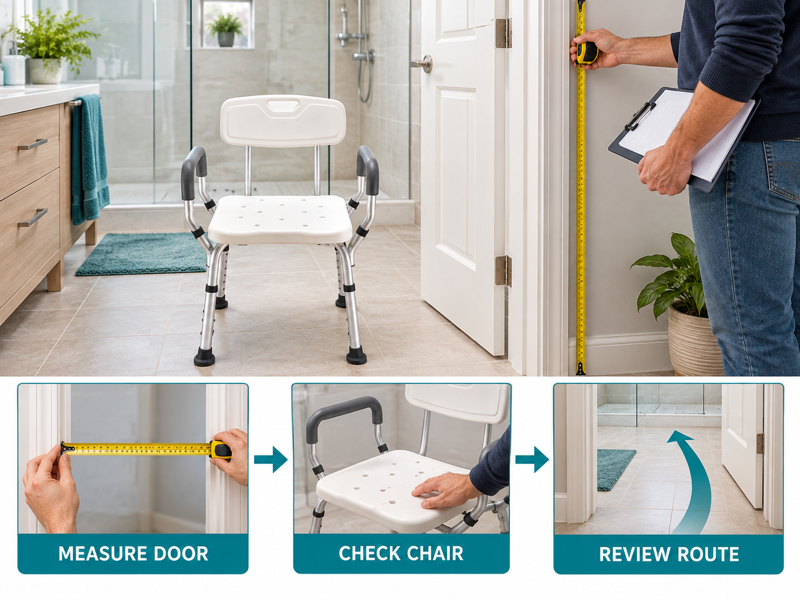
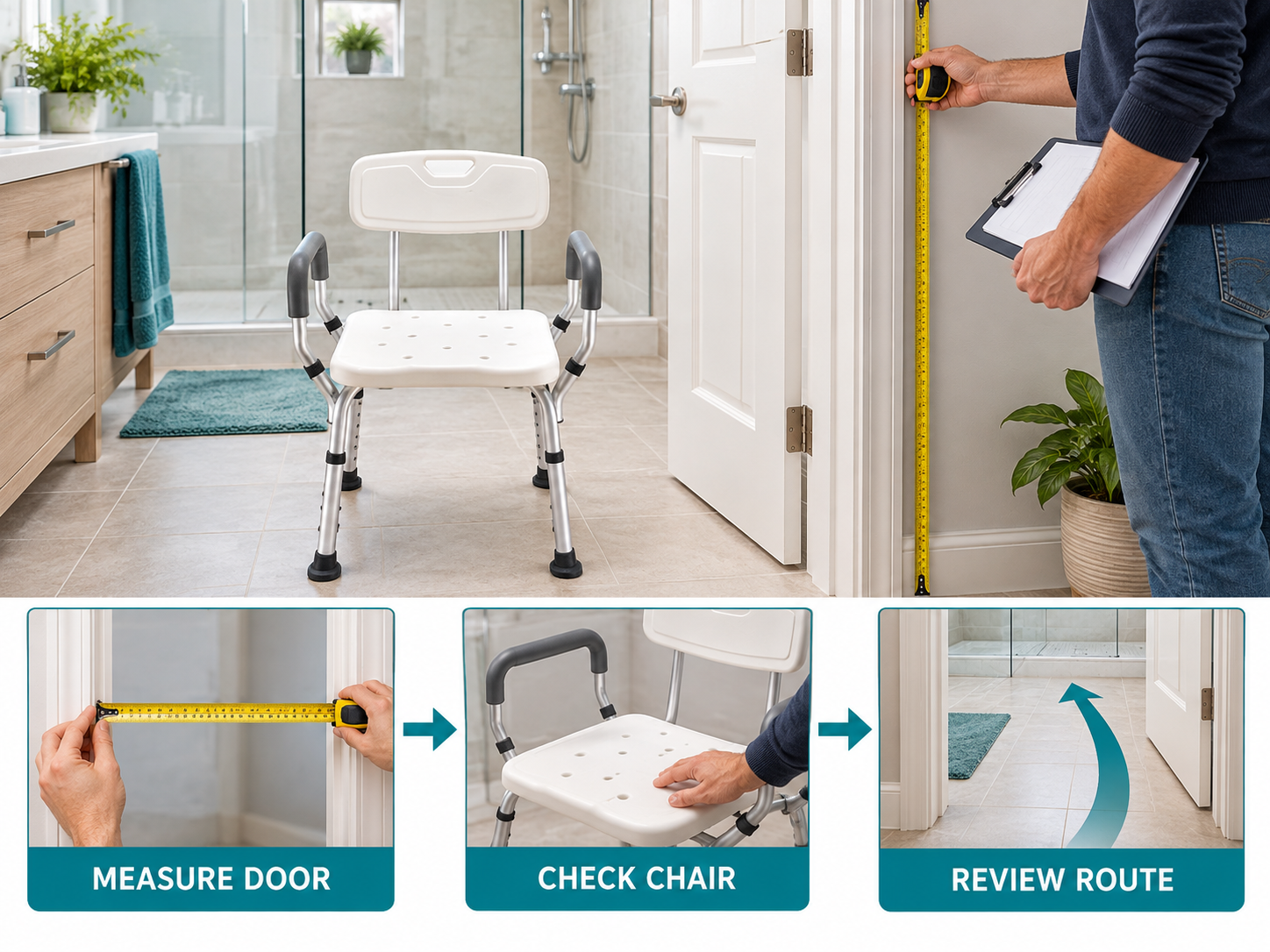
Assess shower chair door clearance by comparing the chair's full envelope with the usable doorway and approach route. A UK equipment buyer measures the door frame, then discovers the open leaf and nearby basin restrict the turn. A measured route brief catches those constraints before selection.
What does shower chair door clearance depend on?

Shower chair door clearance depends on the chair's overall envelope and the usable doorway opening along its intended route. The seat width alone cannot tell you whether the chair will pass through.
Map the intended route
Measure the whole route. Measure the opening with doors and fittings in their actual positions. Record bends, handles and other obstacles between storage and the intended shower location.
- Overall envelope
- Usable opening
- Route obstacles
| Check | Record or reference |
|---|---|
| Overall envelope | Model drawing |
| Usable opening | Site measurement |
| Route obstacles | Layout notes |
Key Takeaway: Your comparison covers the chair and the space it must cross.
Which chair width should be compared?
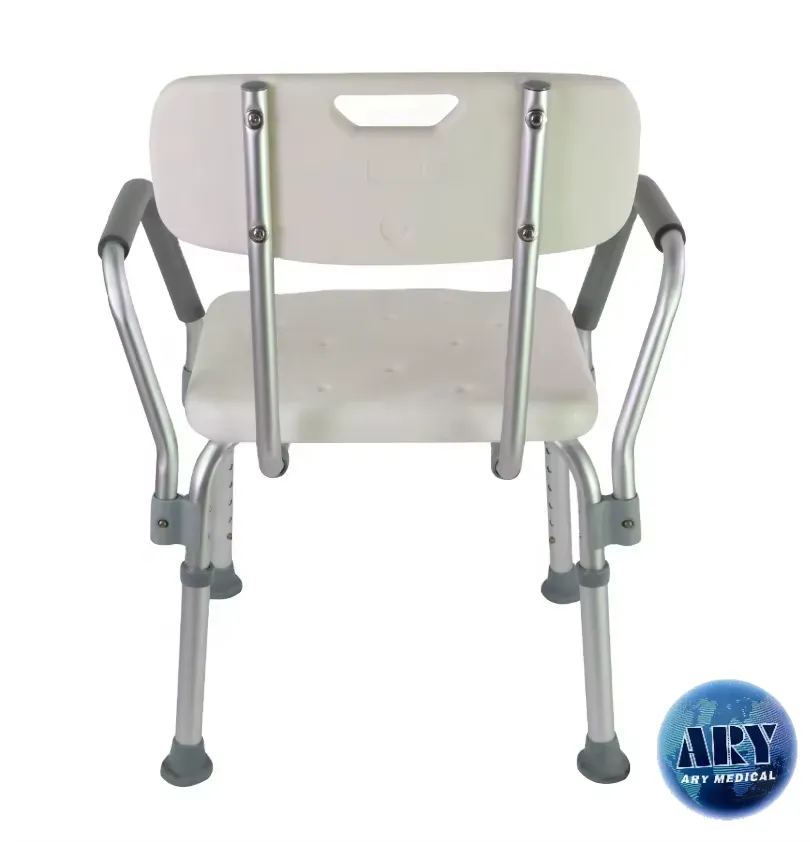
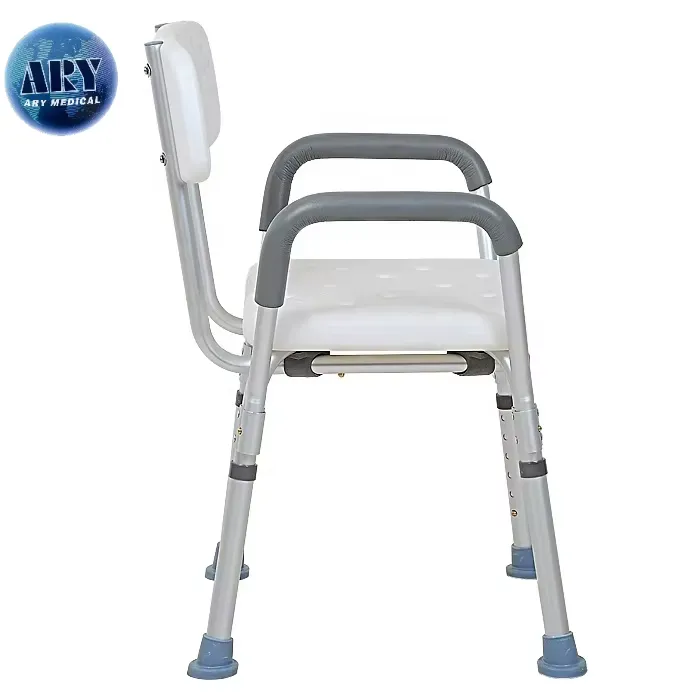
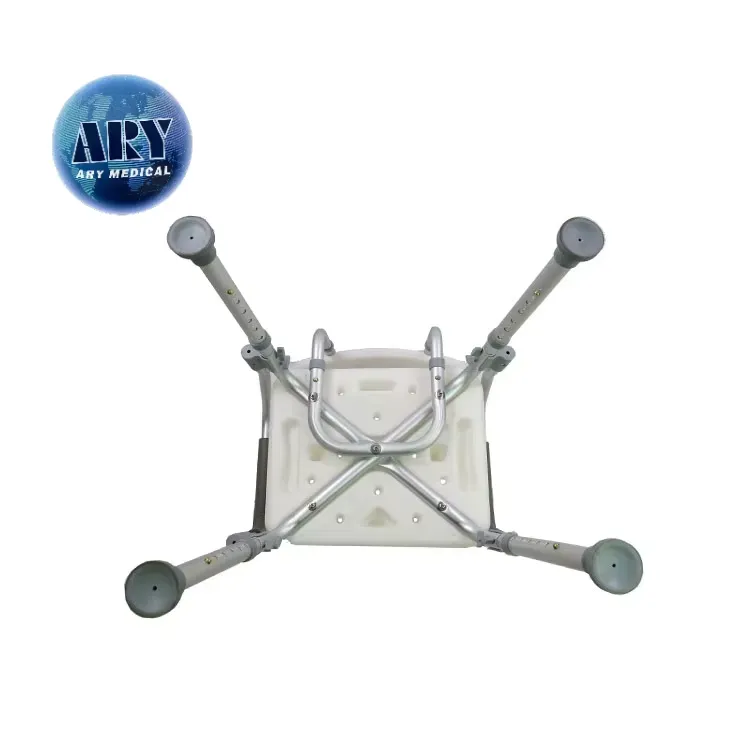
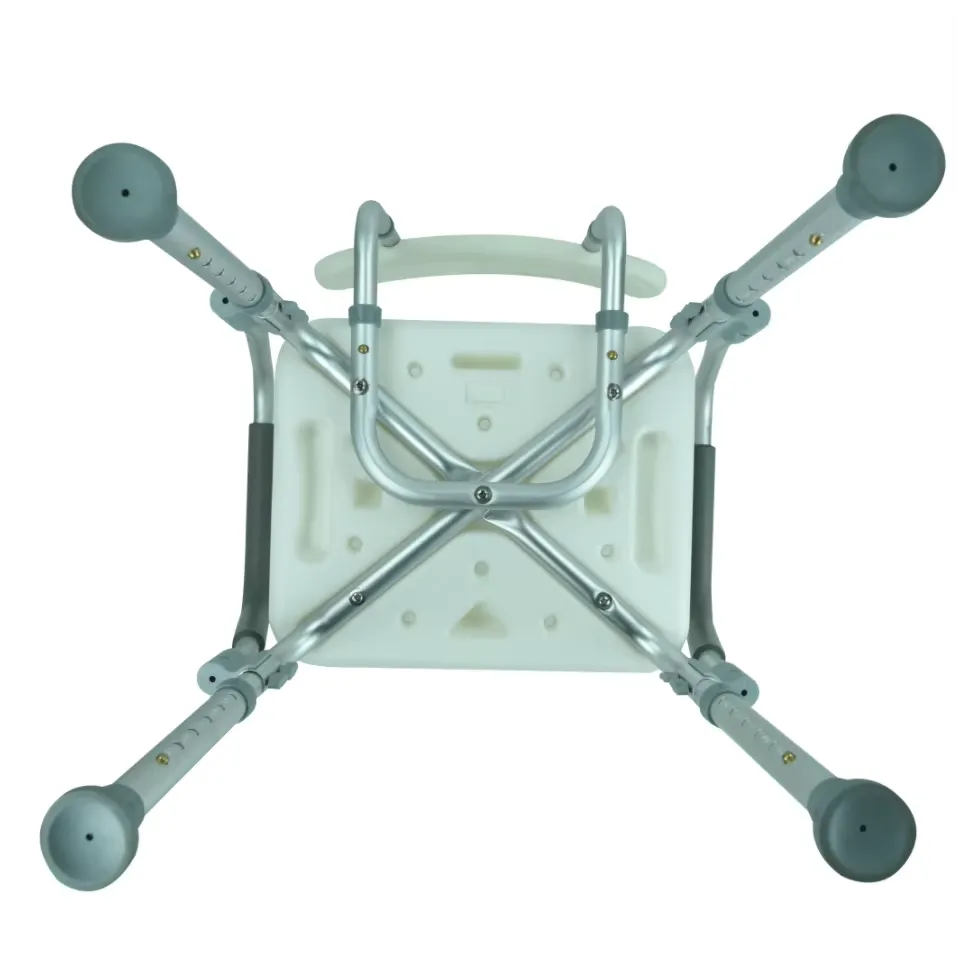
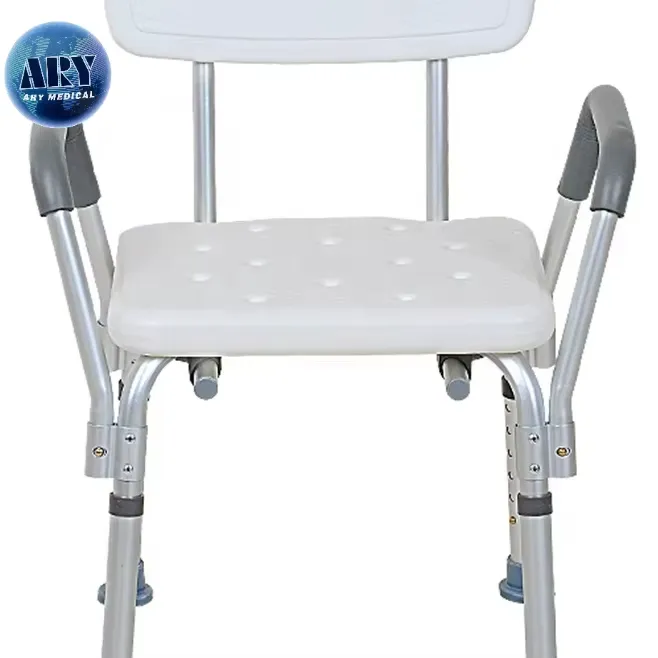
For shower chair door clearance, compare the widest part of the chair in the setup used for movement. Arm supports, feet or a backrest may extend beyond the seat.
Check the overall chair envelope
Use the widest relevant point. Use an approved dimension drawing and verify what each dimension includes. If the maker allows folding or removal for transport, assess that setup separately from the assembled chair. The arm-and-back configuration can affect the overall envelope.
- Overall width
- Protruding part
- Transport setup
| Check | Record or reference |
|---|---|
| Overall width | Approved drawing |
| Protruding part | Sample view |
| Transport setup | Manual |
Key Takeaway: You avoid comparing a doorway with the wrong dimension.
How should a hinged door be measured?
Shower chair door clearance at a hinged door should use the opening available during normal access. The door leaf or handle can reduce space even when the frame seems wide enough.
Record the hinged-door position
Measure the usable opening angle. Record the actual door position and any restriction from adjacent walls or fittings. A qualified assessor should review changes to access arrangements when the user's needs are involved.
- Door position
- Clear opening
- Restriction
| Check | Record or reference |
|---|---|
| Door position | Site photo |
| Clear opening | Measurement |
| Restriction | Layout note |
Key Takeaway: The recorded width reflects the doorway in use.
What changes with a sliding screen?
For a sliding screen, shower chair door clearance depends on the usable gap after the moving panel is opened as intended. A frame-to-frame measurement may include space blocked by a fixed panel.
Inspect sliding-screen restrictions
Check tracks and fixed panels. Inspect the lower track and any threshold as part of the route review. Do not assume the chair can be dragged or lifted over an obstacle during an occupied transfer.
- Open gap
- Fixed panel
- Track or threshold
| Check | Record or reference |
|---|---|
| Open gap | Site measurement |
| Fixed panel | Photo |
| Track or threshold | Route note |
Key Takeaway: You can identify access constraints before ordering.
How should turning space be assessed?
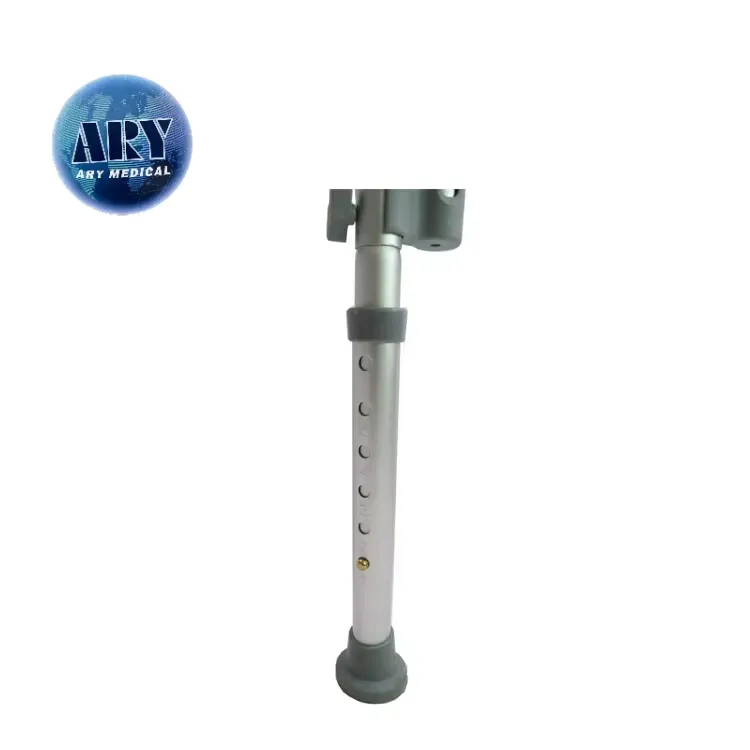
Shower chair door clearance needs enough route details to assess turning near the opening, not just straight passage. A chair that fits through a gap may still be awkward to position in the room.
Include the turn and approach
Include the approach and exit. Provide a simple plan with nearby fixtures and the intended chair orientation. Seek an occupational therapy or other suitable assessment for user transfer and assistance needs.
- Approach
- Turn area
- User needs
| Check | Record or reference |
|---|---|
| Approach | Room plan |
| Turn area | Measurements |
| User needs | Professional assessment |
Key Takeaway: Your fit discussion covers more than one narrow point.
Can folding solve a narrow doorway?
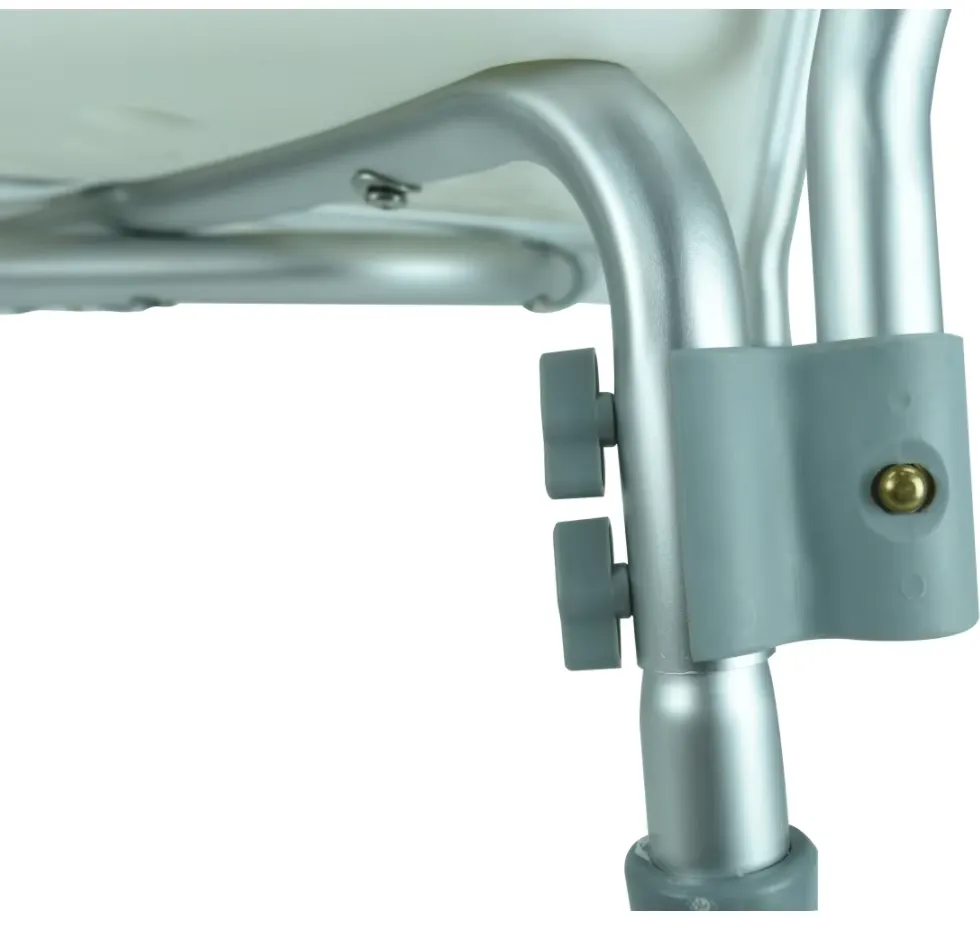
For shower chair door clearance, folding may help move an empty chair only where the maker permits it. A compact storage dimension does not establish a safe occupied access method.
Assess folded handling separately
Check the approved handling method. Confirm how the model folds, who will handle it and where it will be opened. Keep folded passage and normal use as separate questions in the purchase brief. Review the model's folding and transport guidance before relying on folded access.
- Folding permission
- Folded dimensions
- Opening space
| Check | Record or reference |
|---|---|
| Folding permission | Manual |
| Folded dimensions | Specification |
| Opening space | Site plan |
Key Takeaway: You can assess storage convenience without assuming user access.
Which photos help a supplier review?
For shower chair door clearance, useful photos show the opening, approach and nearby fittings with labeled measurements. A close-up of the frame alone leaves the supplier unable to understand the route.
Prepare useful site photographs
Show context without hiding measurements. Take photos of an empty space from more than one relevant direction. Keep personal details out of the images and avoid presenting a photograph as a substitute for an individual assessment.
- Opening view
- Approach view
- Measured values
| Check | Record or reference |
|---|---|
| Opening view | Site photo |
| Approach view | Room photo |
| Measured values | Annotated plan |
Key Takeaway: The supplier can compare the product with a clearer room brief.
What should be checked before a trial?
For shower chair door clearance, agree a controlled empty-chair positioning review before considering any user trial. It should follow the maker's handling instructions and the site's assessment process.
Review an empty sample
Use an suitable empty-chair review. Record whether the actual chair differs from the drawing and whether the door still operates as required. User transfers and assistance arrangements need a suitably qualified assessment. Where transfer arrangements differ, discuss the chair-versus-transfer-bench distinction with the assessor.
- Trial scope
- Actual chair
- Door operation
| Check | Record or reference |
|---|---|
| Trial scope | Review plan |
| Actual chair | Model ID |
| Door operation | Observation |
Key Takeaway: A preliminary fit check can reveal gaps in the measurements.
How should clearance uncertainty be recorded?
Shower chair door clearance should be recorded as unresolved when dimensions, door behavior or handling needs remain unclear. Avoid turning a close visual comparison into a guaranteed fit claim.
Track unresolved constraints
Keep unresolved constraints visible. List the missing measurement or decision and assign an owner. Ask the supplier to confirm product dimensions while the site reviewer confirms the intended access arrangement. The NHS home-adaptation guidance describes routes to assessment.
- Missing dimension
- Product answer
- Site decision
| Check | Record or reference |
|---|---|
| Missing dimension | Issue list |
| Product answer | Supplier response |
| Site decision | Assessment record |
Key Takeaway: The purchase waits for evidence on the actual uncertainty.
What belongs in the final clearance brief?
A final brief for shower chair door clearance should pair verified product dimensions with the measured route and intended handling method. It should also state which personal-use questions need professional assessment.
What should you do next?
Give the buyer a usable comparison. Share the room plan, doorway photos and exact model reference when making an enquiry. Request clarification on any part of the chair that extends beyond the published seat size.
- Product dimensions
- Route dimensions
- Handling method
| Check | Record or reference |
|---|---|
| Product dimensions | Approved drawing |
| Route dimensions | Site plan |
| Handling method | Written brief |
Key Takeaway: You can discuss room fit using the same details as the supplier. To discuss the model and documents for your order, contact us with your requirements. At AryMD, clear product information belongs in every buying decision.
Frequently asked questions
Q1: Can I use seat width to check a doorway?
No. Use the chair's overall relevant dimensions because feet, arms or the backrest may project farther.
Q2: What’s the best clearance allowance to use?
There is no universal allowance for every room and handling method. Use verified dimensions and an suitable assessment of the actual route.
Q3: How do I know if folding will solve the access problem?
Check the maker's empty-chair handling method and the space needed to reopen it. Folded passage does not establish occupied access.
Q4: Can I judge fit from a bathroom photograph?
Not reliably. Provide measurements and layout details, then use an suitable assessment for personal use and assistance needs.
Q5: Should I check the route again after changing models?
Yes. Different feet, supports or folded dimensions can change the access comparison even when seat sizes seem similar.