
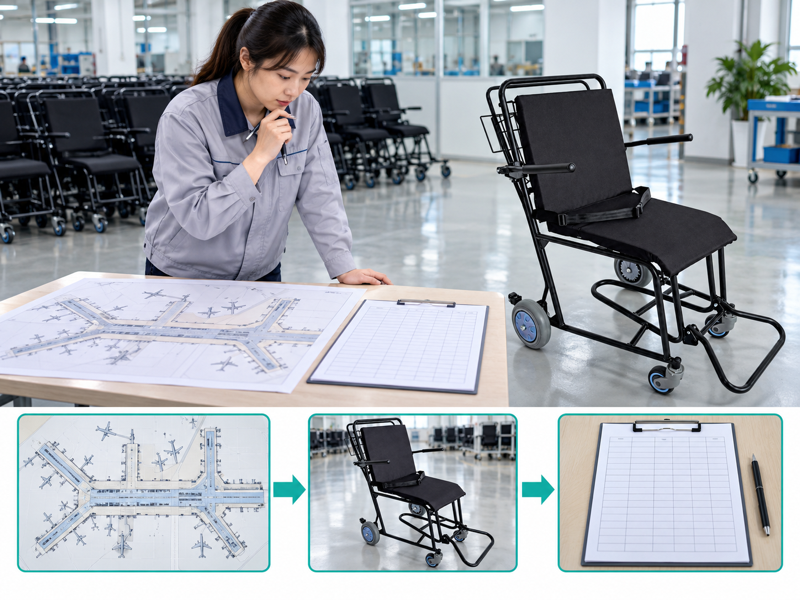
Base airport wheelchair fleet sizing on overlapping service demand, full return cycles and ready units in the right locations. A French airport equipment planner may count enough chairs overall while several are being repositioned or held for care. Separating those states makes the purchase quantity easier to justify.
What should airport wheelchair fleet sizing use?
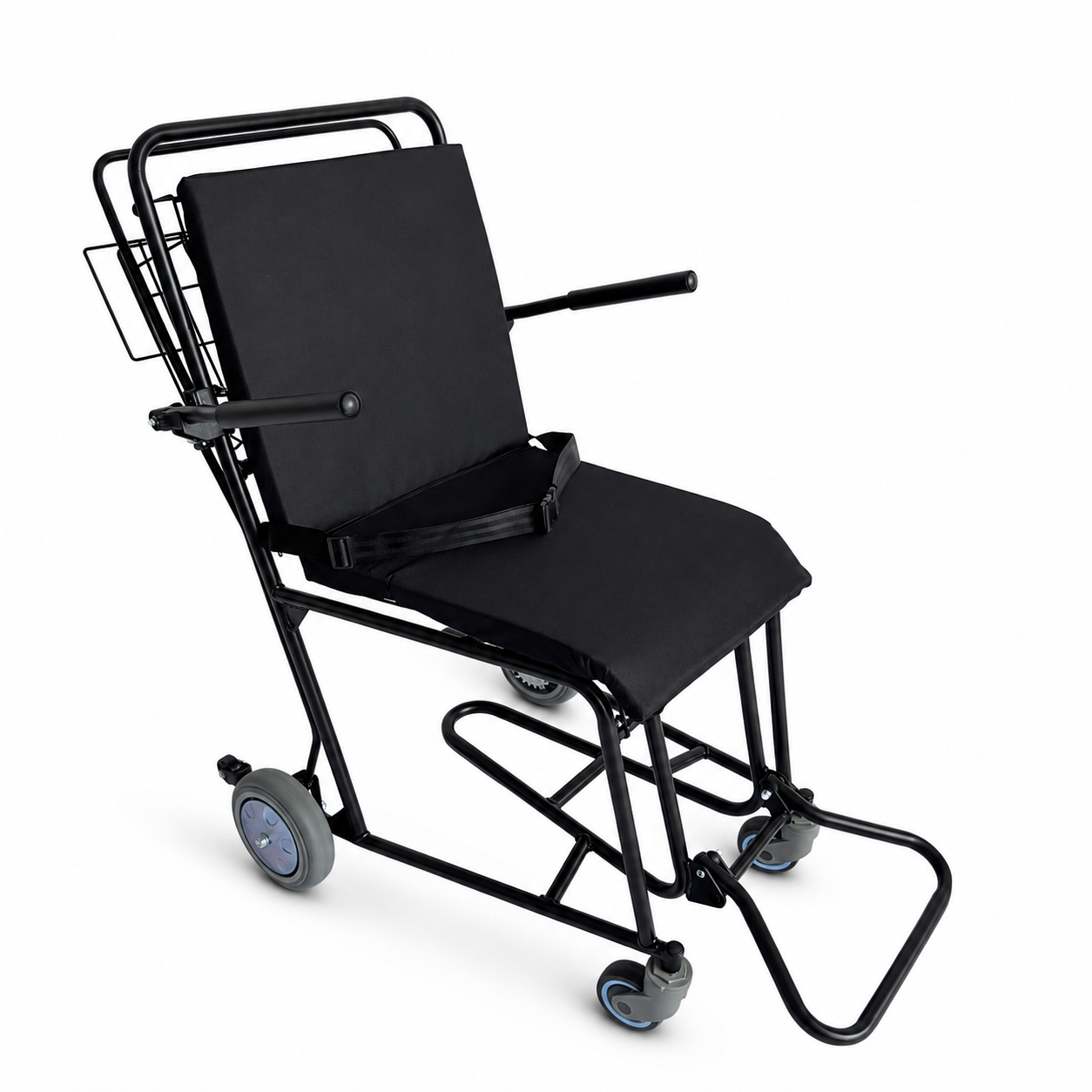
Airport wheelchair fleet sizing should use observed demand, service cycles and the number of units actually ready. Total passenger traffic alone cannot tell you how many chairs are needed at a particular time.
Define the actual service demand
Start with simultaneous service demand. Review your own assistance-operation records and service commitments. Keep equipment planning distinct from staffing and passenger assessment roles.
- Demand record
- Cycle time
- Ready units
| Check | Record or reference |
|---|---|
| Demand record | Service log |
| Cycle time | Operations data |
| Ready units | Stock status |
Key Takeaway: The fleet plan starts from the service you operate.
How should demand peaks be recorded?
For airport wheelchair fleet sizing, record when and where requests overlap within the operation. A daily total can hide a short period when several terminals need units at once.
Record peaks by time and area
Use time and location together. Use the relevant operational data with suitable privacy controls. Keep personal passenger details out of a general procurement report unless necessary and authorized.
- Time window
- Service area
- Overlap
| Check | Record or reference |
|---|---|
| Time window | Demand log |
| Service area | Route record |
| Overlap | Planning summary |
Key Takeaway: Peak needs become visible without exposing unnecessary personal data.
What belongs in a service cycle?
Airport wheelchair fleet sizing should include the time from unit assignment through return and required preparation. Counting only the passenger journey can understate how long a chair is unavailable.
Measure the full unit cycle
Measure the full return to readiness. Use consistent start and end points in your records. Include collection, repositioning and care stages where they apply.
- Assignment time
- Return stages
- Ready time
| Check | Record or reference |
|---|---|
| Assignment time | Log |
| Return stages | Process map |
| Ready time | Status record |
Key Takeaway: The cycle reflects the unit's full operational commitment.
How should different chair types be separated?
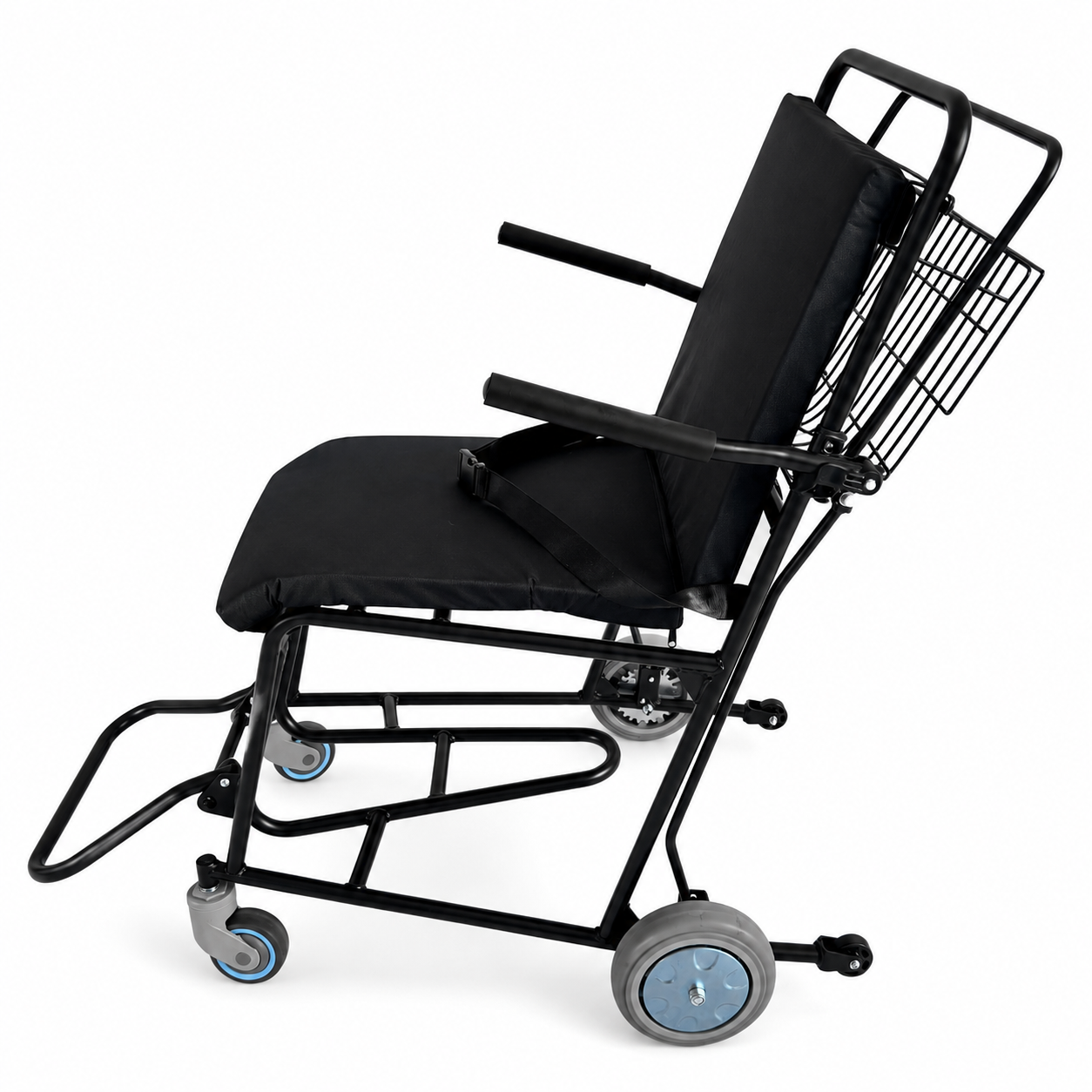
For airport wheelchair fleet sizing, separate chair types where they serve different approved tasks or user needs. A terminal transport chair should not be assumed to replace an aircraft aisle chair or another specialist device.
Separate chair types by role
Plan by supported service role. Use current product details and the operation's assessed service requirements. Keep each type's availability visible in the plan. Record the specified arm-support configuration when distinguishing chair types.
- Chair role
- Service need
- Type availability
| Check | Record or reference |
|---|---|
| Chair role | Model file |
| Service need | Operations brief |
| Type availability | Register |
Key Takeaway: The fleet count does not hide a shortage of the required type.
Which units should count as available?
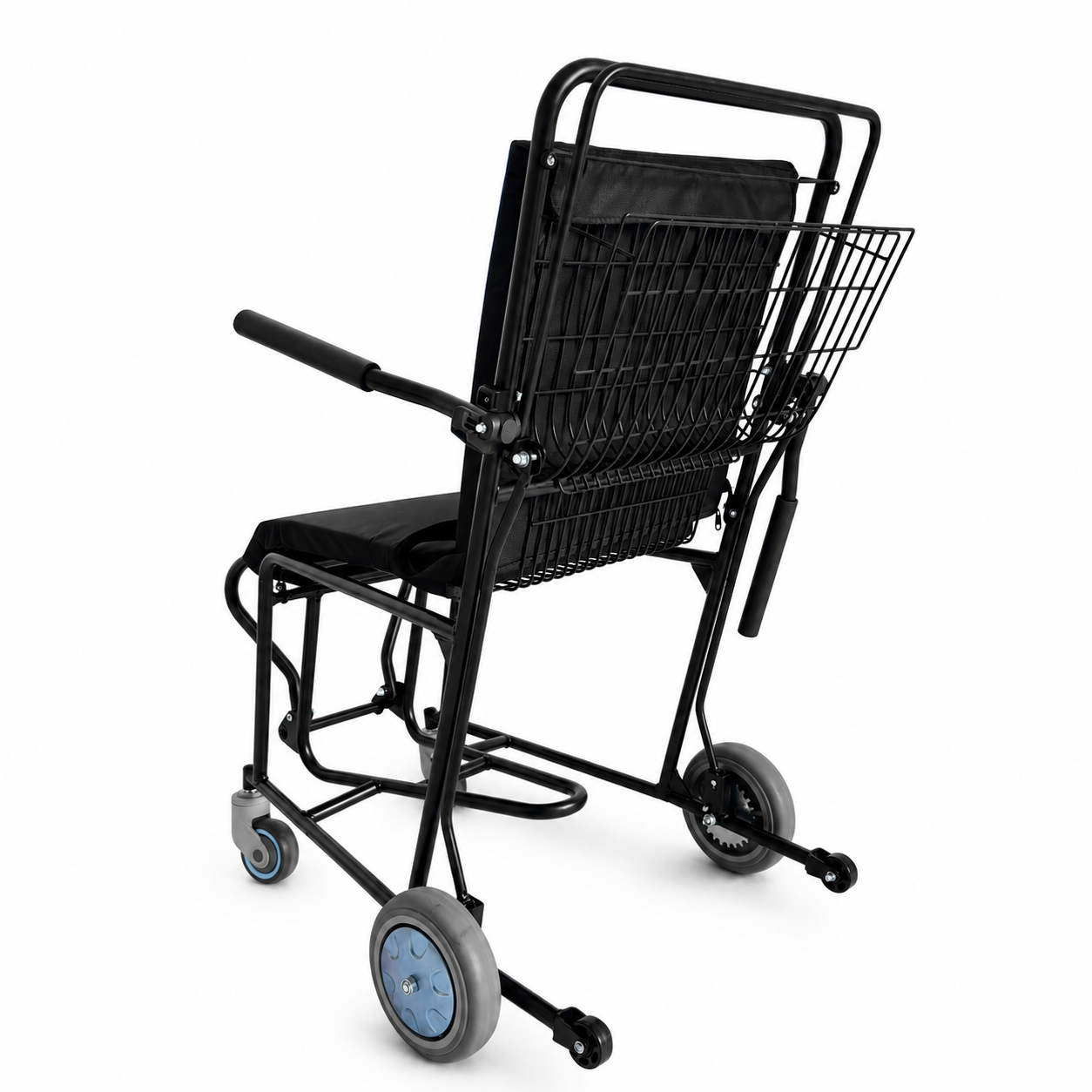
Airport wheelchair fleet sizing should exclude chairs awaiting care, parts or an unresolved service decision from ready stock. A unit parked in another terminal may also be unavailable for the required response time.
Count usable local stock
Count released units in the right location. Use clear status and location fields. Confirm the release process before assigning units to the available balance.
- Release status
- Current location
- Response needs
| Check | Record or reference |
|---|---|
| Release status | Record |
| Current location | Register |
| Response needs | Service plan |
Key Takeaway: The available total reflects usable stock where it is needed.
What role should reserve units play?
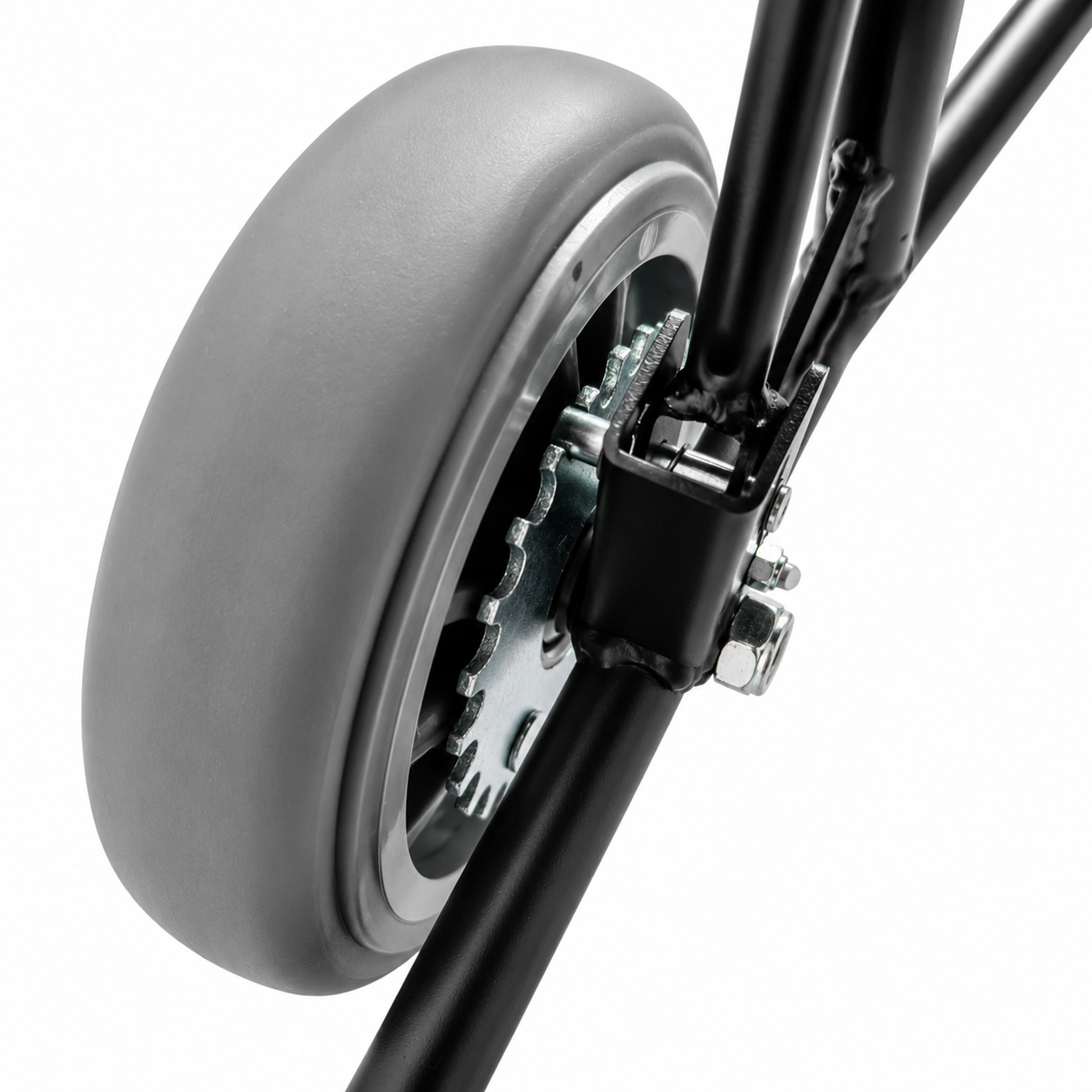
For airport wheelchair fleet sizing, reserve stock should address recorded variation, service holds or operational commitments. A universal spare percentage has little meaning without those inputs.
Justify the reserve
Tie the reserve to identified uncertainty. Have the responsible operations team agree the tradeoff and review basis. Keep assumptions visible when evidence is limited. Review spare-parts support when service holds affect the reserve decision.
- Demand variation
- Service holds
- Reserve decision
| Check | Record or reference |
|---|---|
| Demand variation | Records |
| Service holds | History |
| Reserve decision | Planning note |
Key Takeaway: The reserve has a reason that can be revisited.
How can storage affect the plan?
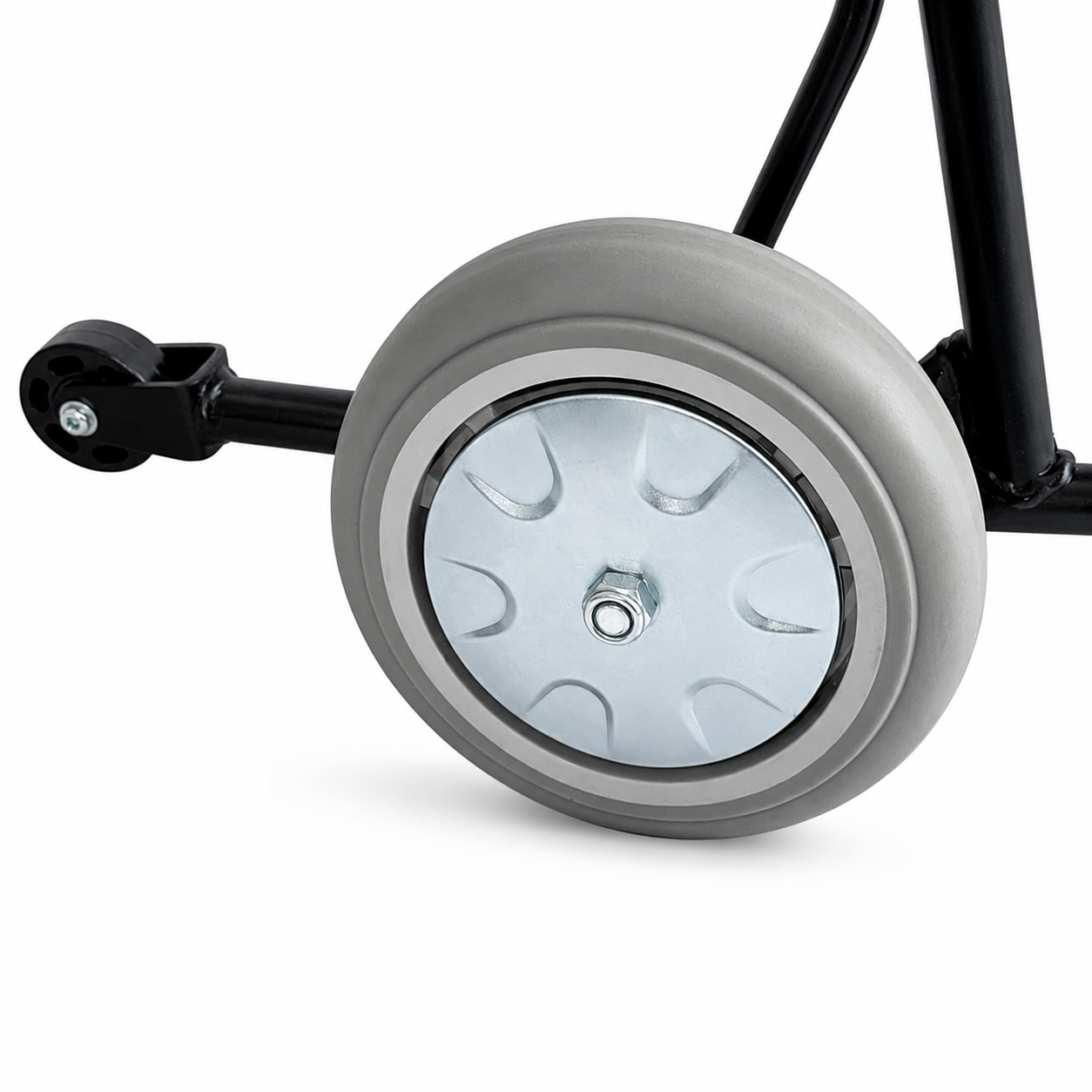
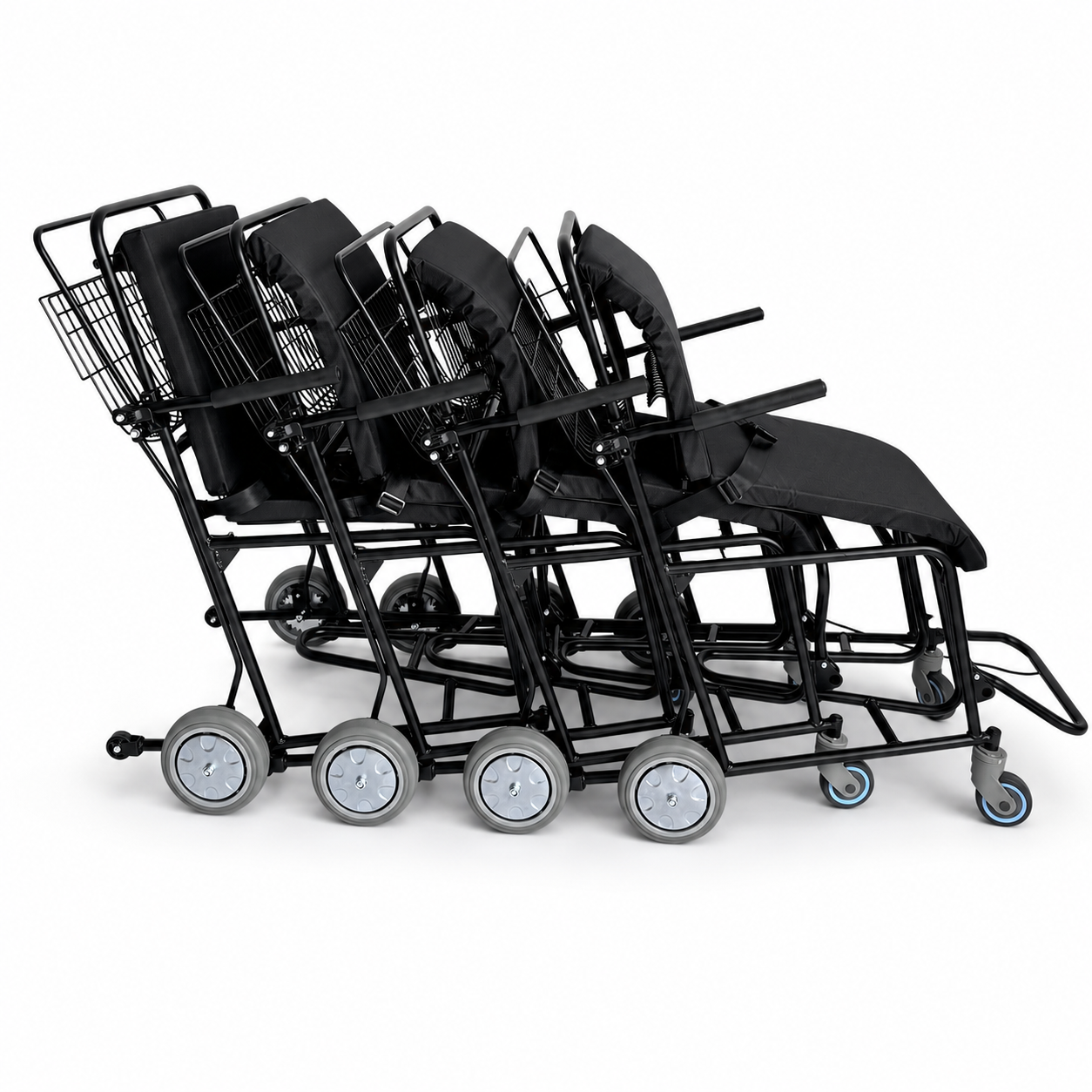
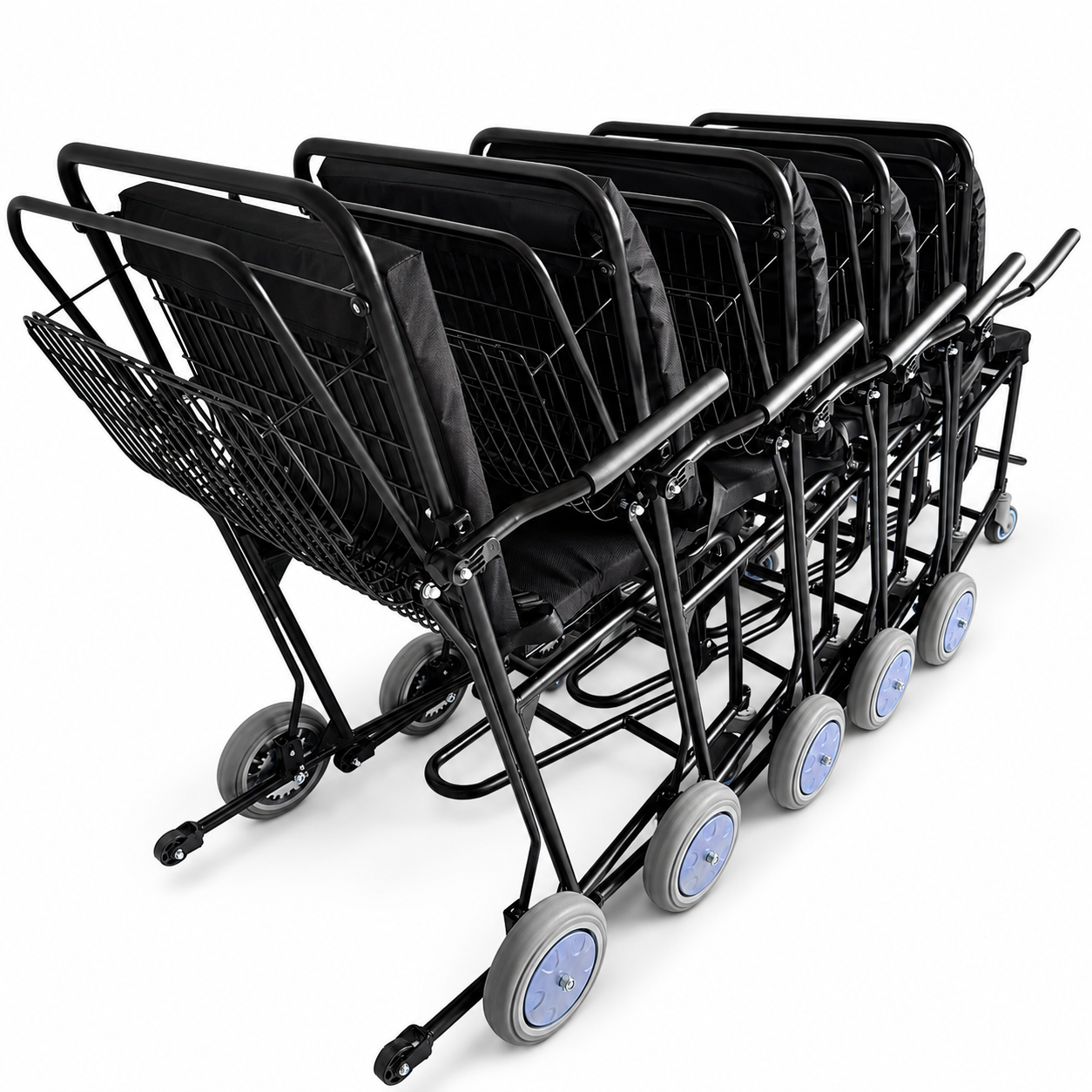
Airport wheelchair fleet sizing should consider where ready chairs are parked and how staff retrieve them. Extra units can create congestion if storage and circulation were not planned with them.
Plan parking and retrieval
Include parking and retrieval capacity. Use the actual storage layout and handling rules. Keep access routes and the different stock statuses clear.
- Parking capacity
- Retrieval route
- Status separation
| Check | Record or reference |
|---|---|
| Parking capacity | Layout |
| Retrieval route | Plan |
| Status separation | Procedure |
Key Takeaway: A purchase quantity can fit the operational space.
How should service downtime be reviewed?
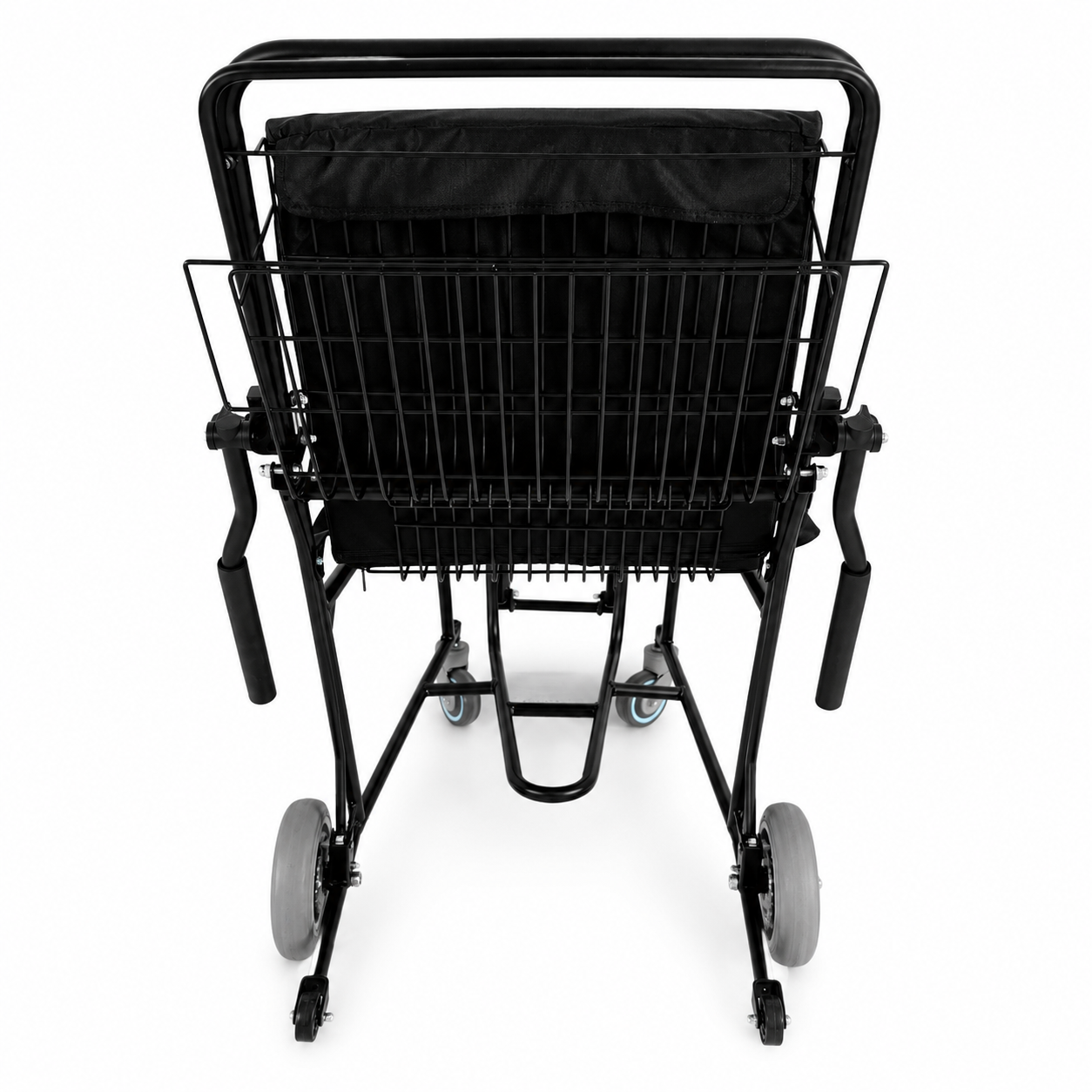
For airport wheelchair fleet sizing, track time awaiting parts, technical review and routine preparation separately where useful. A low ready count may reflect a service bottleneck as well as fleet size.
Analyze service downtime
Separate maintenance causes from demand. Use confirmed records rather than estimating every delay as a product fault. Review whether parts support or process changes can address the cause. Identify the exact belt component when a hold concerns that part.
- Hold reason
- Duration
- Confirmed cause
| Check | Record or reference |
|---|---|
| Hold reason | Service record |
| Duration | Status dates |
| Confirmed cause | Review |
Key Takeaway: The plan can address why units are unavailable.
How should a proposed quantity be checked?
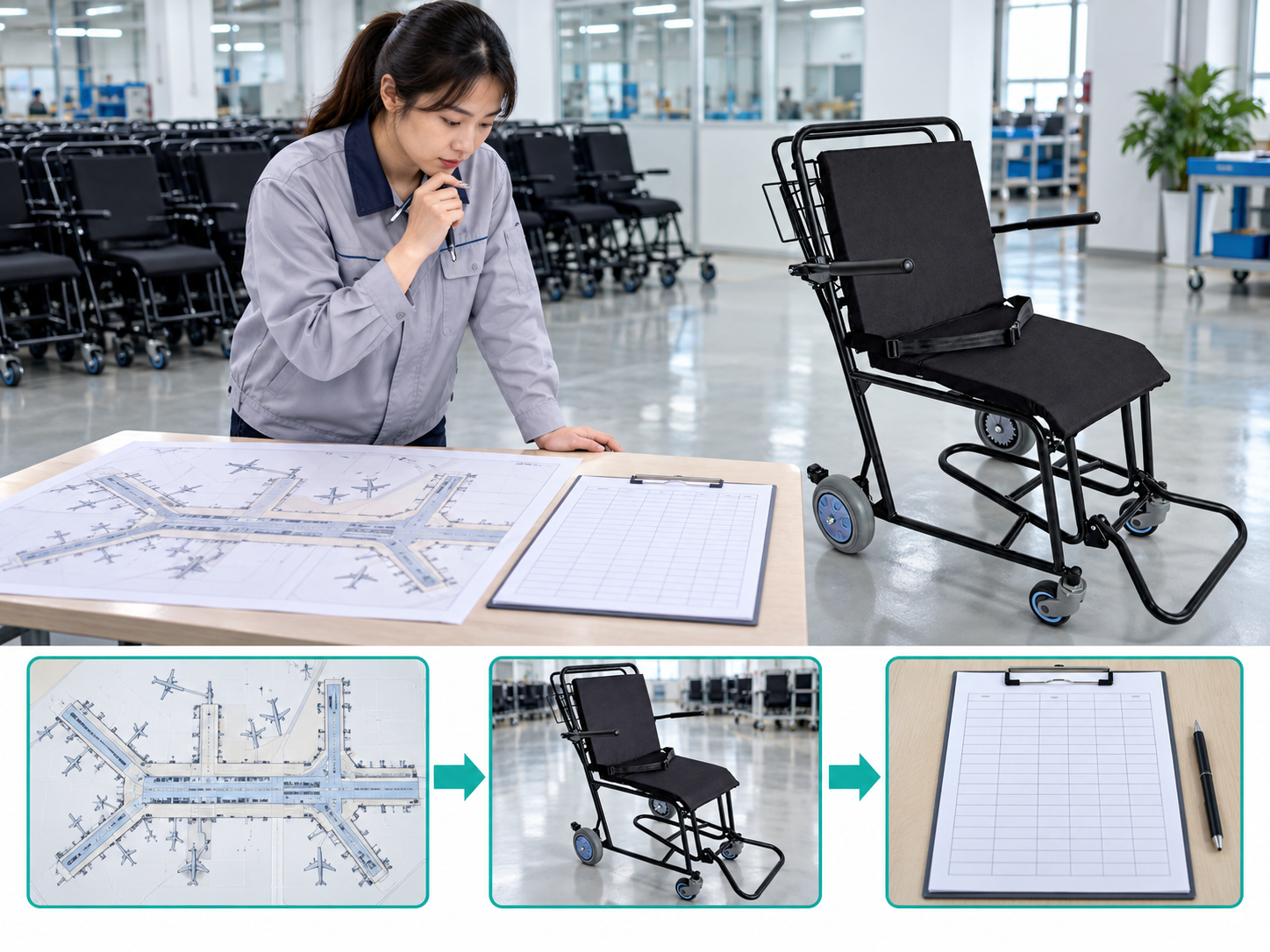
Review airport wheelchair fleet sizing by comparing the proposed balance with representative busy and quieter periods from your own data. Label scenarios as planning assumptions, not promised performance.
Review quantities against operating data
Test the plan against real operating periods. Have the operations team assess the resulting gaps. Update the inputs when routes, service commitments or turnaround times change. See the WHO assistive product specifications for procurement context.
- Review periods
- Scenario inputs
- Observed gap
| Check | Record or reference |
|---|---|
| Review periods | Data set |
| Scenario inputs | Planning sheet |
| Observed gap | Review note |
Key Takeaway: The proposed quantity can be explained through evidence.
What should a fleet purchase brief contain?
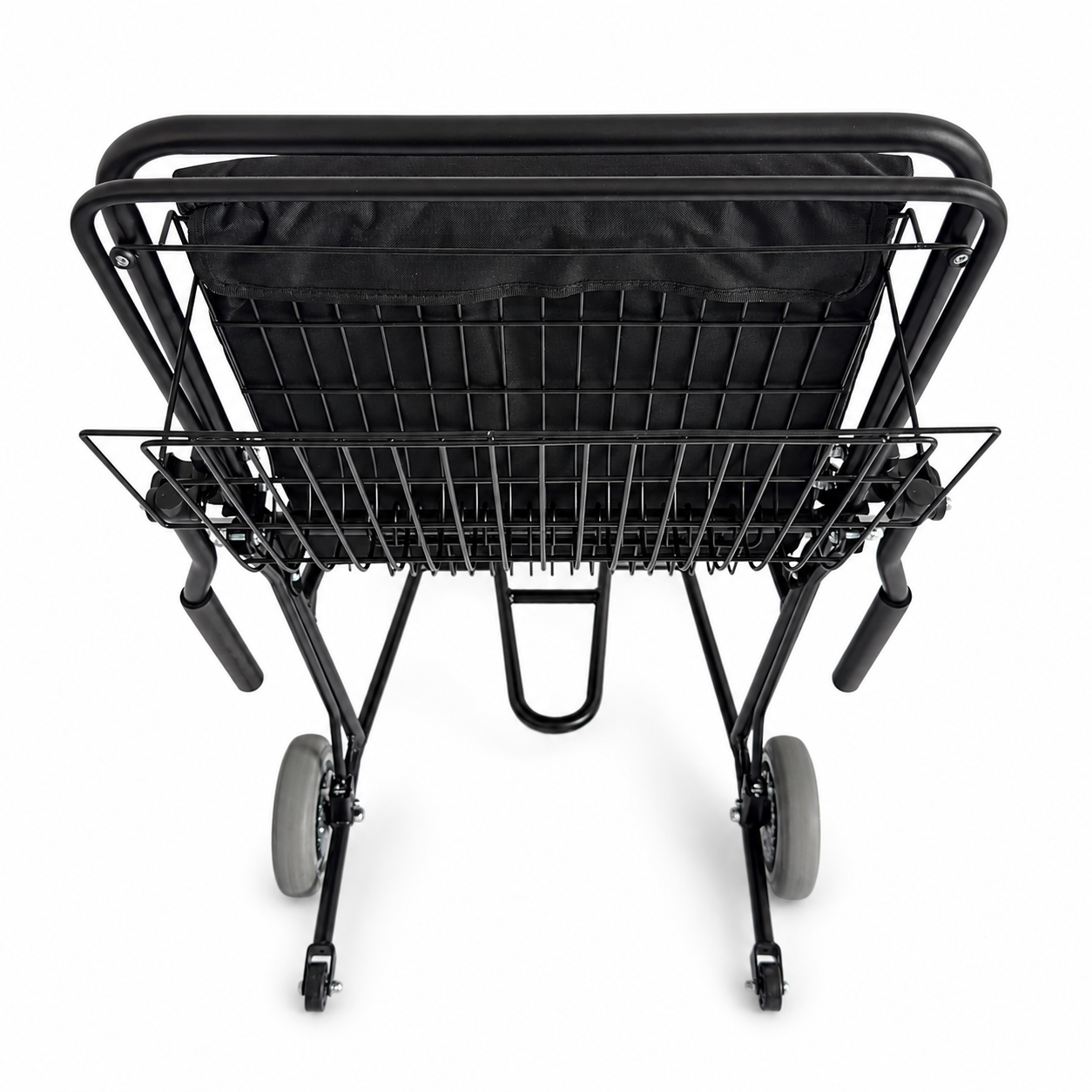
An airport wheelchair fleet sizing purchase brief should state the required chair types, planned locations, quantities and support expectations. Keep the basis for the quantity available to the approving team.
What should you do next?
Connect quantities with service roles. Ask suppliers for current model documents, parts details and relevant packing details. Use those facts within your operations and service review.
- Type and quantity
- Support needs
- Quantity basis
| Check | Record or reference |
|---|---|
| Type and quantity | Brief |
| Support needs | Agreement |
| Quantity basis | Planning record |
Key Takeaway: The order can support a defined service plan. To discuss the model and documents for your order, contact us with your requirements. At AryMD, useful product facts should support every care-equipment purchase.
Frequently asked questions
Q1: Can passenger totals determine the required chair count?
No. Use overlapping assistance demand, service cycles and ready-stock locations within the actual operation.
Q2: What’s the best spare-fleet percentage?
There is no universal percentage. Base the reserve on recorded variation, service holds and agreed operating commitments.
Q3: How do I know which chairs are available?
Count released units in locations that can meet the required service response, keeping other statuses separate.
Q4: Can one airport chair type cover every service task?
Do not assume so. Terminal, aircraft-aisle and other specialist roles need suitable product and service review.
Q5: Should a demand scenario be presented as a guarantee?
No. State its data, assumptions and limits, then review it against actual operating periods.