
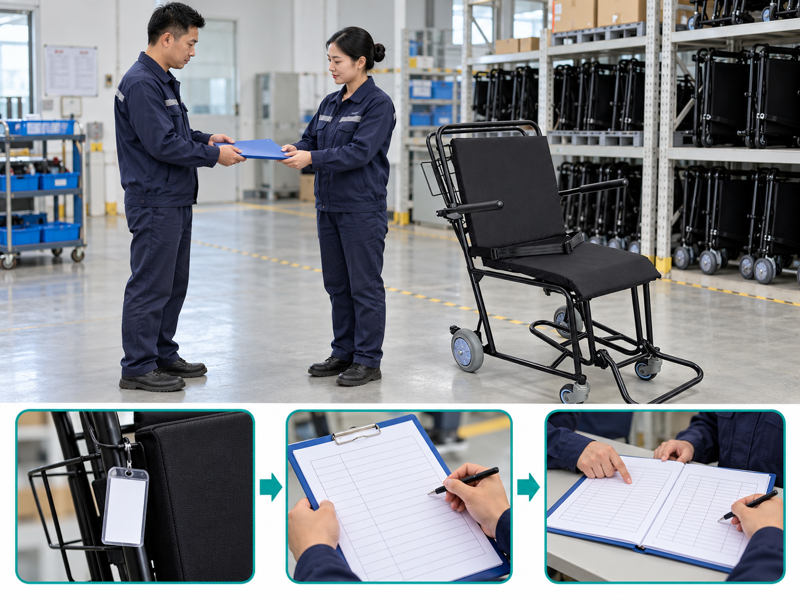
Make airport wheelchair shift handover show each unit's status, location and open action in a shared record. A Singapore service team may begin a shift with a correct total but no clear list of ready chairs or reported faults. A unit-level handover helps the incoming staff find usable equipment and continue unresolved work.
What should airport wheelchair shift handover show?
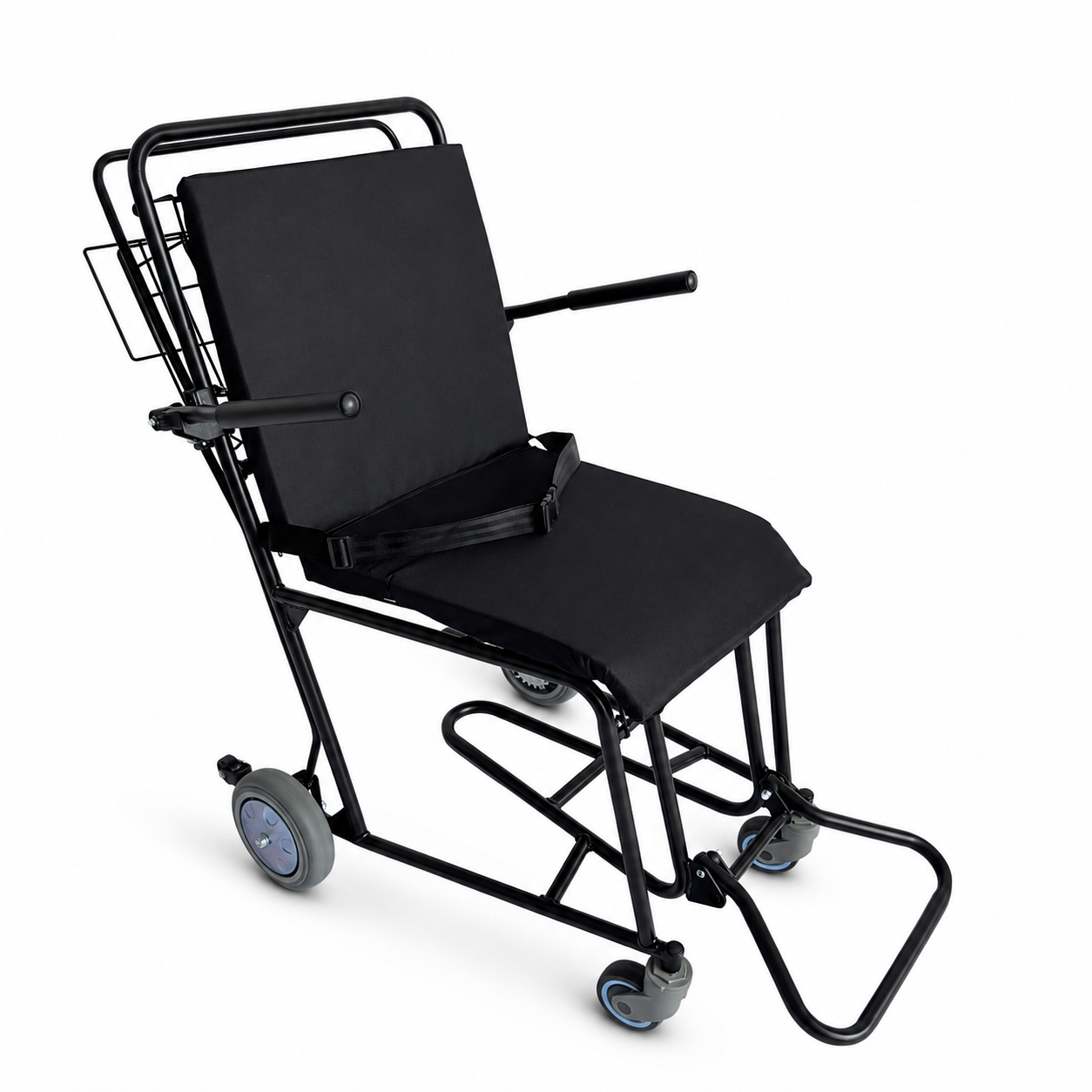
Airport wheelchair shift handover should show which units are ready, assigned, awaiting care or on service hold, and where they are. A total chair count cannot tell the next shift what it can use.
Show the current unit states
Show each unit's current state. Use unit IDs and a shared status record. Keep personal passenger details within the suitable service system rather than a general equipment list.
- Unit ID
- Current status
- Location
| Check | Record or reference |
|---|---|
| Unit ID | Register |
| Current status | Shift record |
| Location | Parking or route log |
Key Takeaway: The incoming team can find usable equipment.
Which locations should be named clearly?
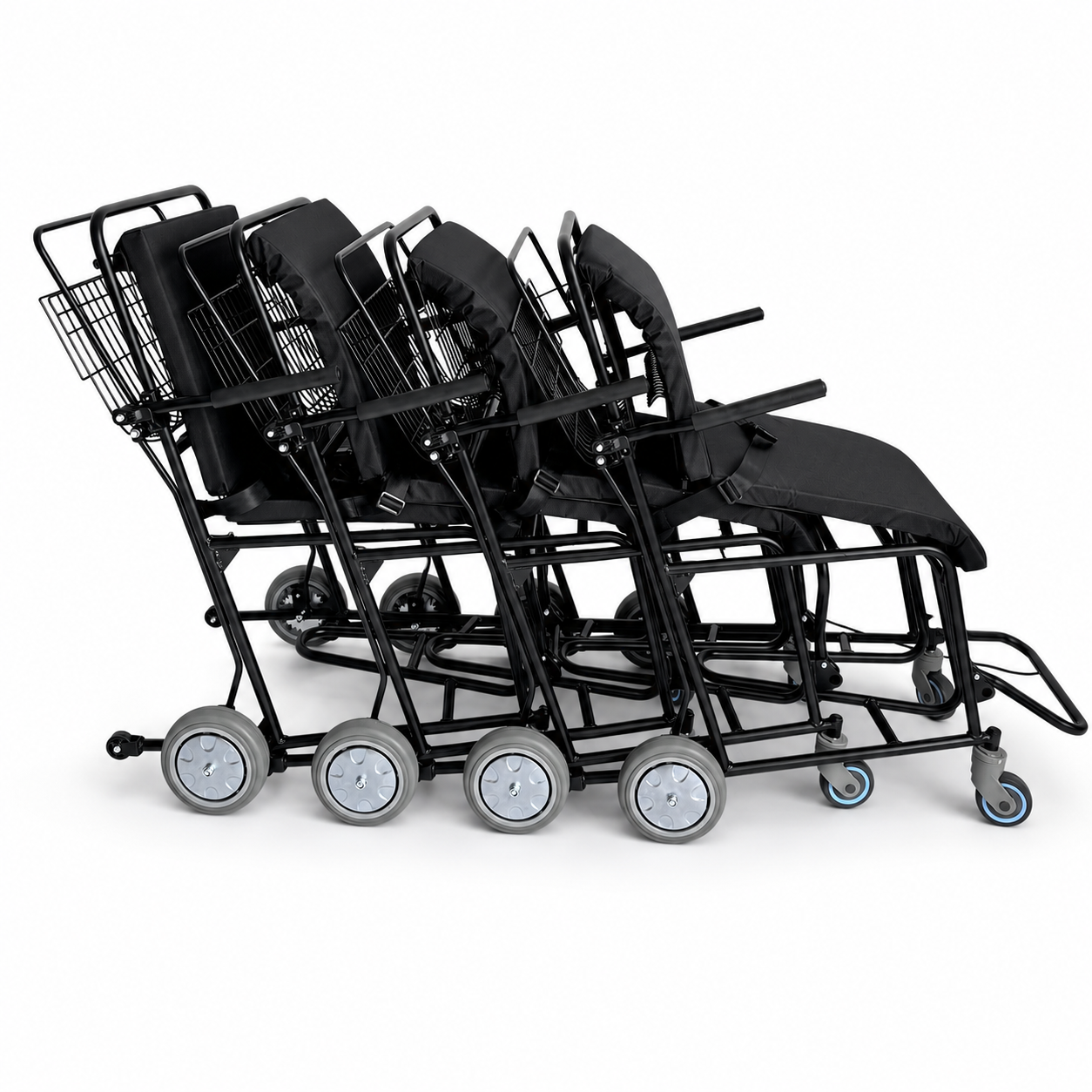
For airport wheelchair shift handover, use location names that both shifts understand, including storage bays and service-hold areas. A note saying near departures may be too vague for a busy terminal.
Use clear shared locations
Use shared location references. Agree the location list with operations and keep it current. Record temporary relocations rather than relying on staff memory.
- Location code
- Temporary move
- Responsible team
| Check | Record or reference |
|---|---|
| Location code | Site list |
| Temporary move | Log |
| Responsible team | Contact record |
Key Takeaway: A unit can be located without repeated calls.
How should active assignments be passed on?
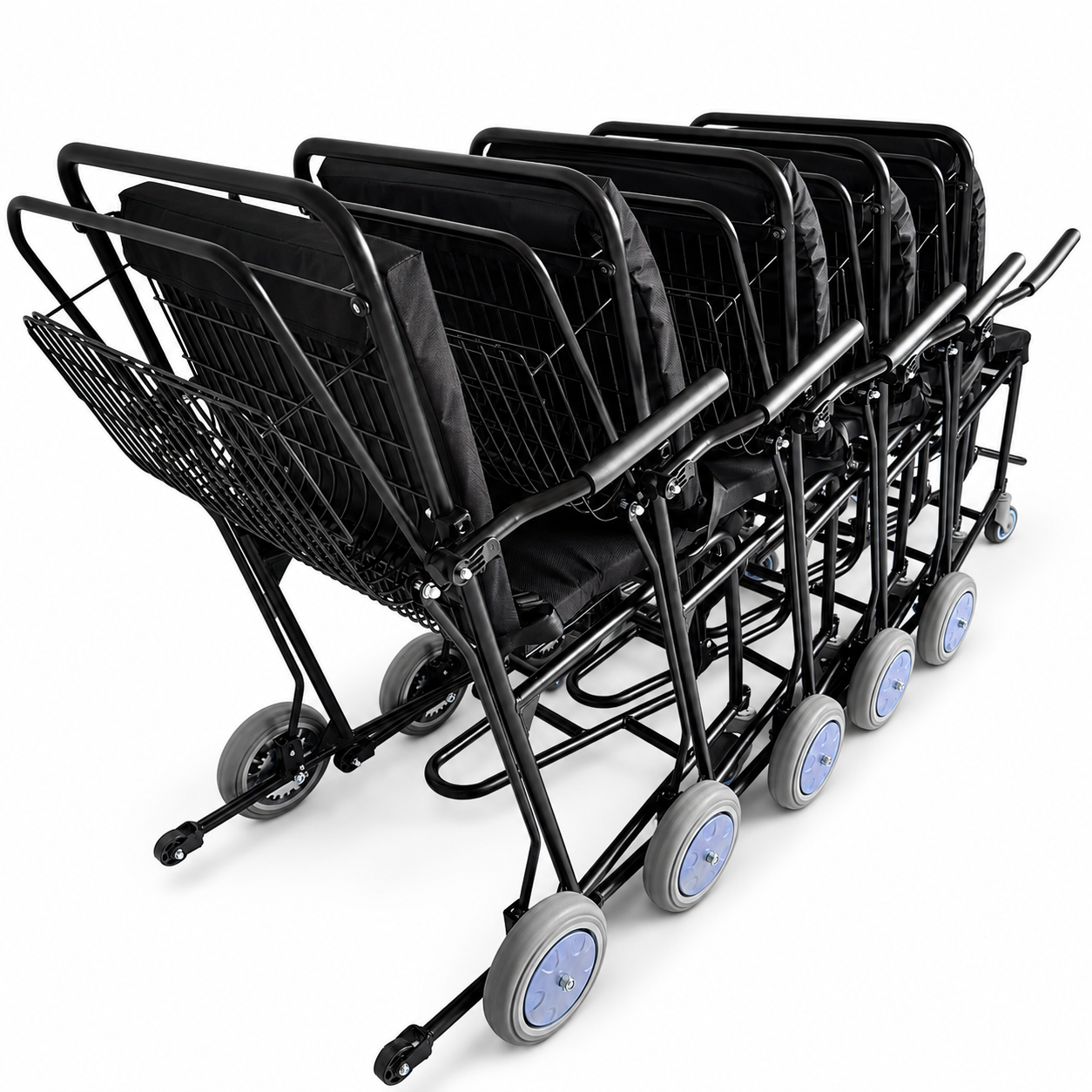
Airport wheelchair shift handover should identify units still assigned and the responsible service team through the authorized process. The next shift needs operational continuity without unnecessary health or personal details.
Carry active assignments forward
Keep equipment and service tasks connected. Use the suitable service reference where needed. Keep the equipment status separate from clinical or passenger-assistance decisions.
- Assigned unit
- Service reference
- Team owner
| Check | Record or reference |
|---|---|
| Assigned unit | Register |
| Service reference | Authorized system |
| Team owner | Roster |
Key Takeaway: The handover can preserve continuity with suitable data access.
What should a reported fault include?
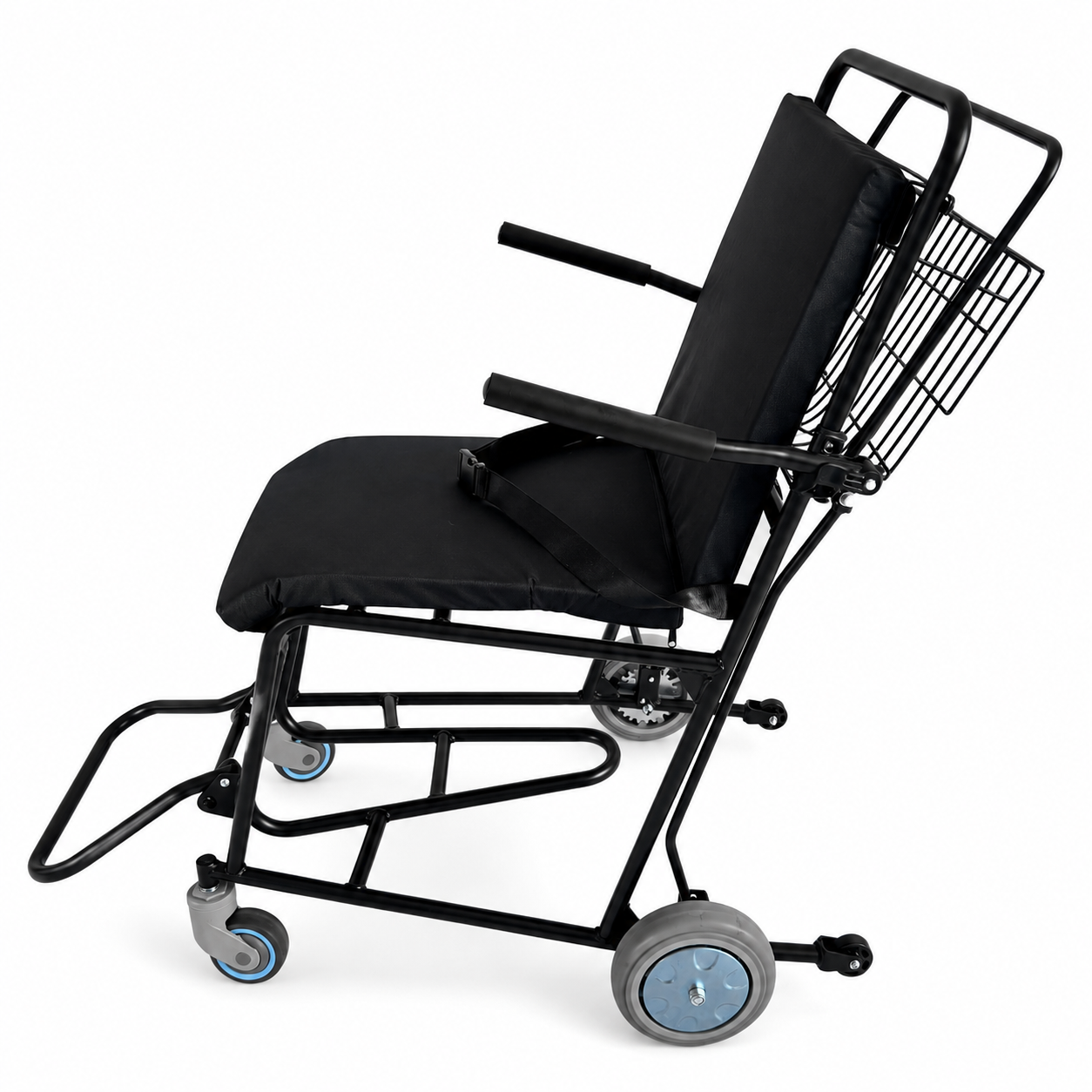
For airport wheelchair shift handover, a fault note should identify the unit, affected area and what staff observed. A vague label such as bad chair can lead to repeated checks or accidental reuse.
Record specific fault observations
Describe the observed behavior. Use the maker's reporting guidance and local service process. Keep unresolved units clearly out of ready stock until the responsible decision. A report concerning brake behavior should retain the model and observed symptom.
- Unit reference
- Observed issue
- Hold status
| Check | Record or reference |
|---|---|
| Unit reference | Label |
| Observed issue | Case note |
| Hold status | Record |
Key Takeaway: The next shift can route the concern without guessing.
How should care status be communicated?
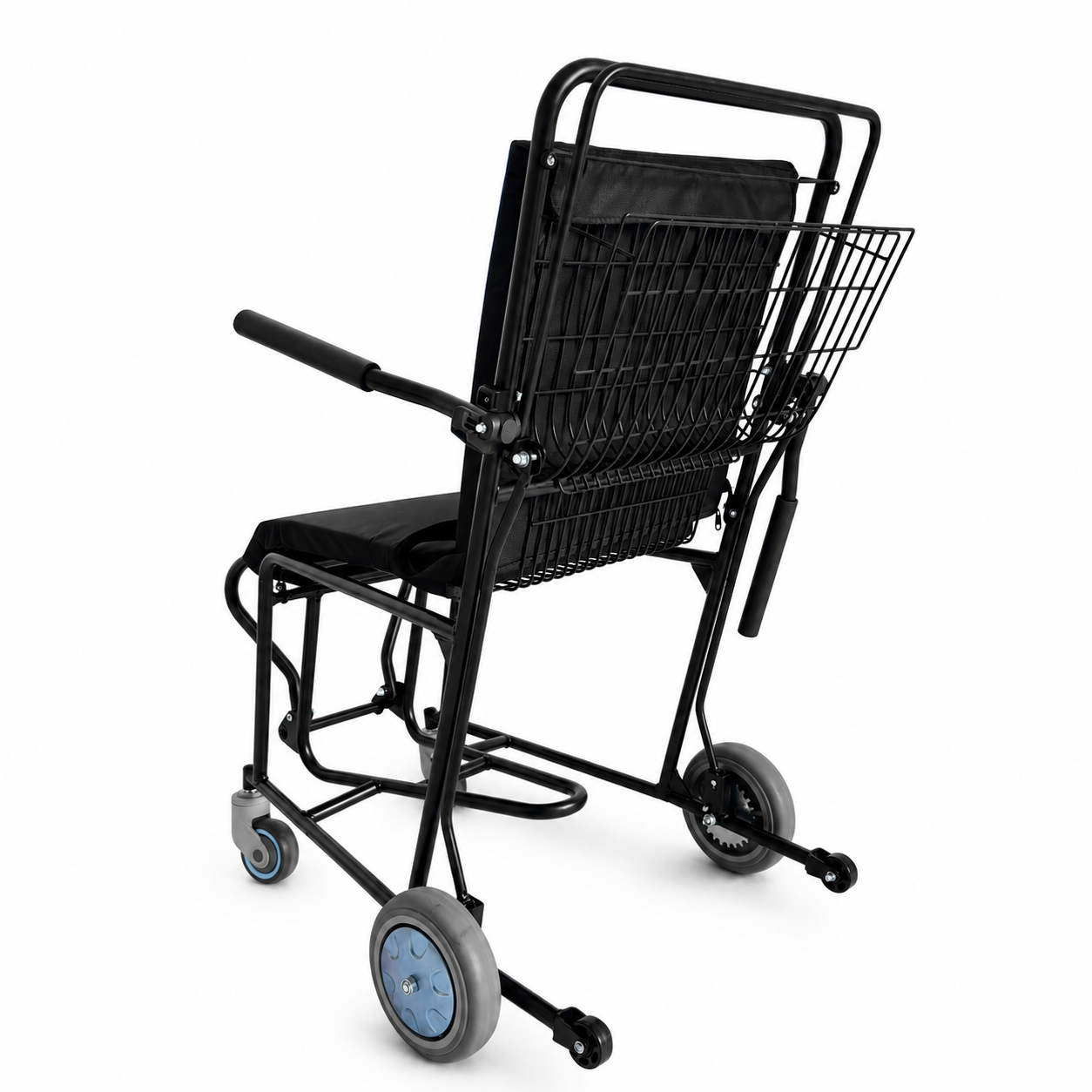
Airport wheelchair shift handover should distinguish chairs awaiting care from units released under the approved process. A clean-looking seat does not establish that required checks are complete.
Communicate completed care status
Use a completed process status. Record who controls the release and where the unit should wait. Use visible status linked to the shared record.
- Care stage
- Release owner
- Waiting location
| Check | Record or reference |
|---|---|
| Care stage | Log |
| Release owner | Roster |
| Waiting location | Plan |
Key Takeaway: Preparation status remains clear across the staff change.
Which accessories should be counted?
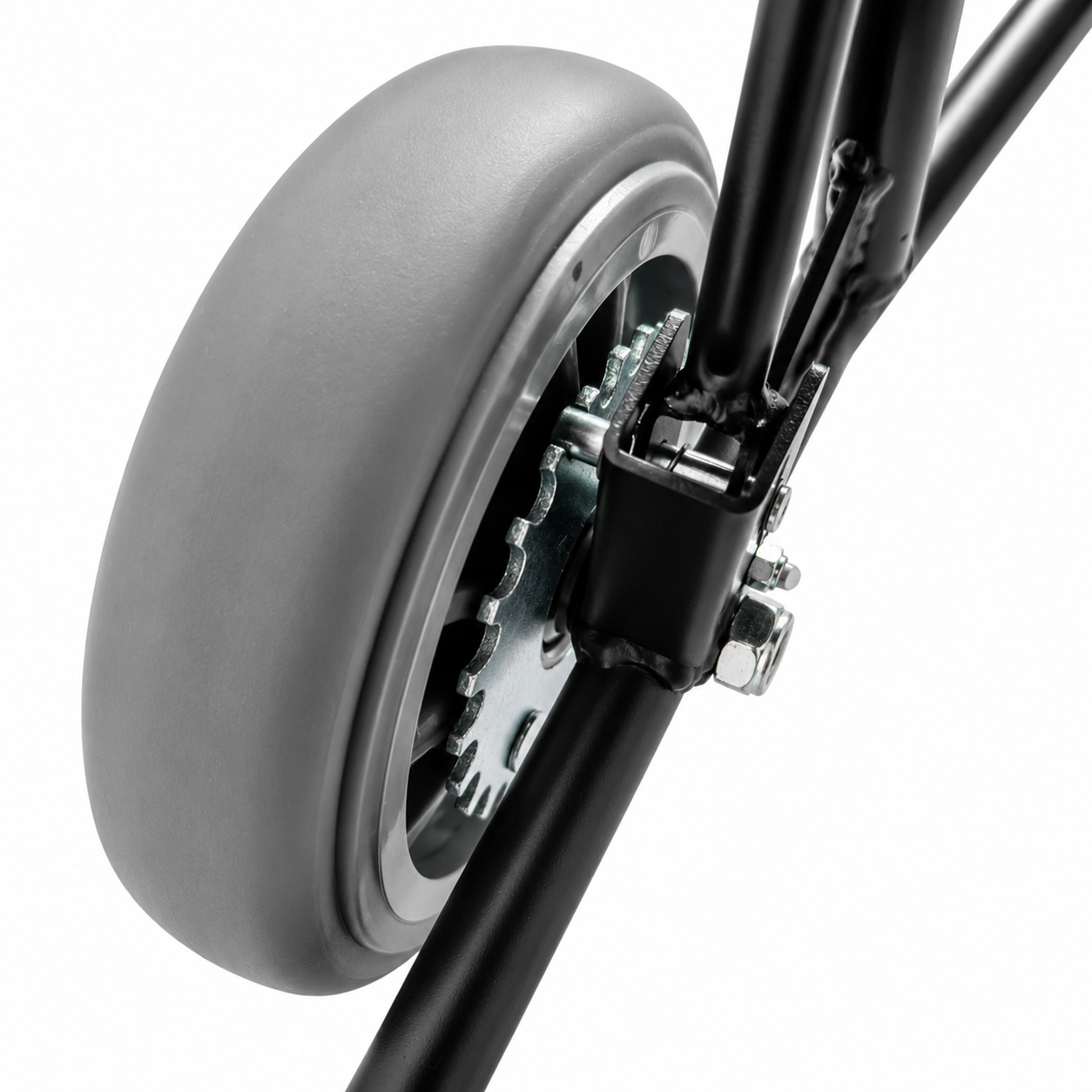
For airport wheelchair shift handover, record relevant fitted or issued accessories such as the specified belt, basket or foot support. Staff should not assume every service chair uses identical parts.
Check the required accessory set
Check the model's agreed equipment set. Use the model's contents and parts references. Report missing or uncertain items through the service process. Include the specified rear basket where it forms part of the unit's equipment set.
- Accessory set
- Missing item
- Part identity
| Check | Record or reference |
|---|---|
| Accessory set | Model list |
| Missing item | Exception note |
| Part identity | Record |
Key Takeaway: The chair's readiness can include its required equipment.
How should stock discrepancies be handled?
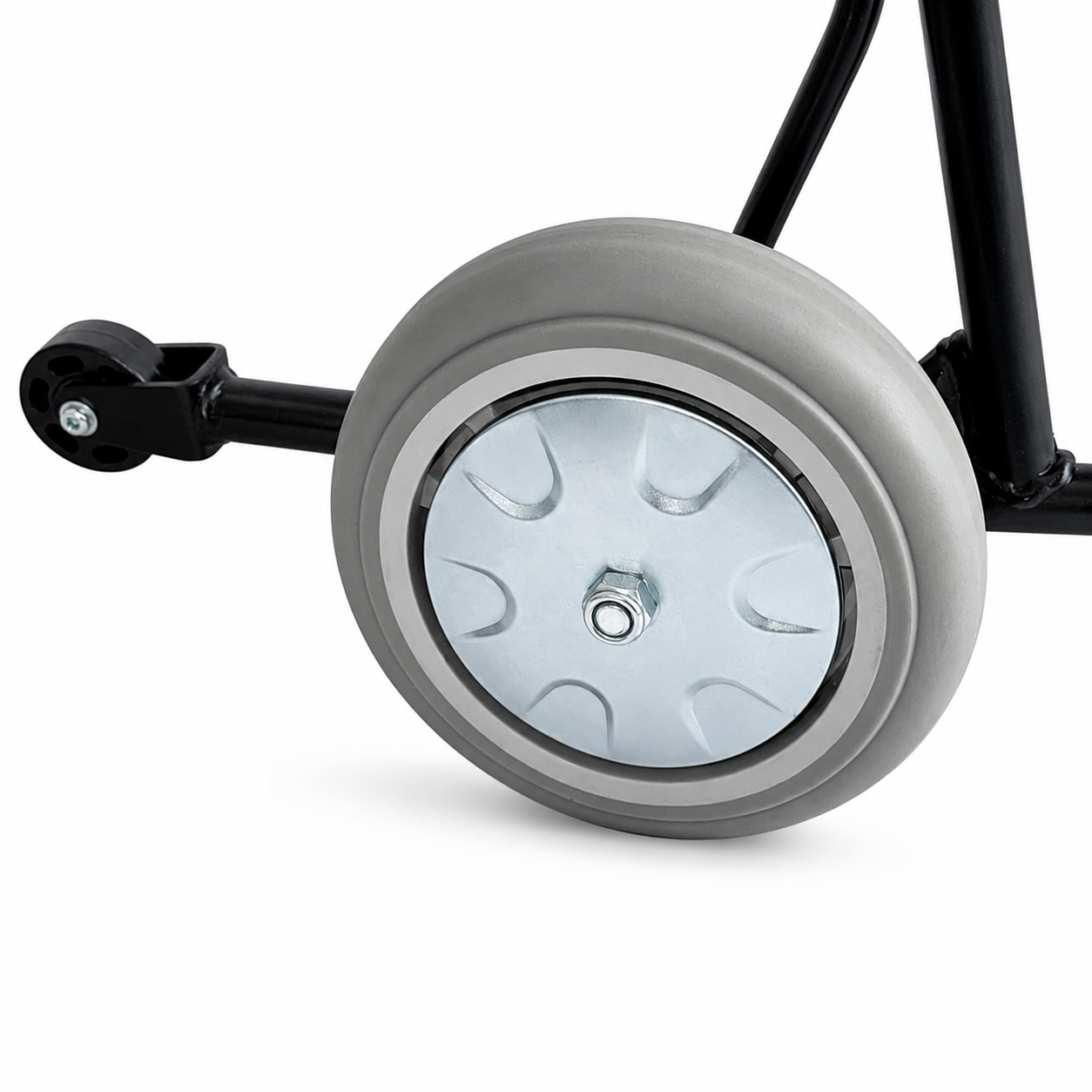
For airport wheelchair shift handover, investigate a missing or duplicated unit reference before adjusting the shared balance. A chair may be in service, moved to another bay or recorded under the wrong status.
Reconcile unit discrepancies
Reconcile by unit before changing totals. Use assignment and movement records to trace it. Keep unresolved discrepancies visible with a named owner.
- Unit discrepancy
- Movement history
- Action owner
| Check | Record or reference |
|---|---|
| Unit discrepancy | Review list |
| Movement history | Log |
| Action owner | Shift note |
Key Takeaway: The next count can correct the record rather than conceal the gap.
What belongs in the incoming shift check?
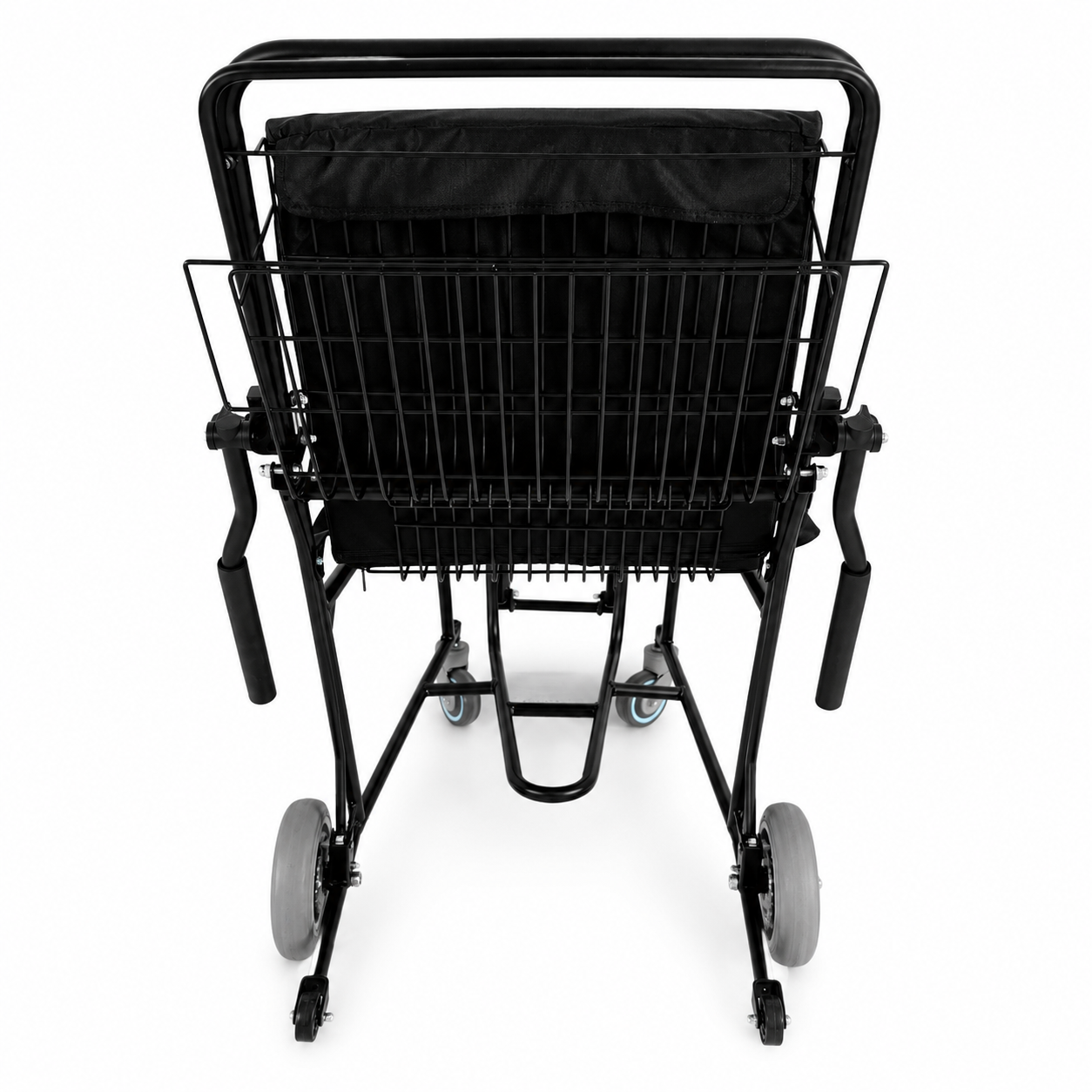
An airport wheelchair shift handover incoming check should confirm the relevant ready locations, open faults and immediate equipment constraints. It should not silently overwrite the outgoing record.
Confirm the incoming position
Confirm the usable starting position. Use the agreed scope for the site's operations. Record new findings and refer urgent issues through the established service route. Keep the relevant parts reference with unresolved service actions.
- Ready locations
- Open faults
- New finding
| Check | Record or reference |
|---|---|
| Ready locations | Check |
| Open faults | Case list |
| New finding | Shift record |
Key Takeaway: The incoming team starts from a reviewed equipment position.
How should recurring handover problems be reviewed?
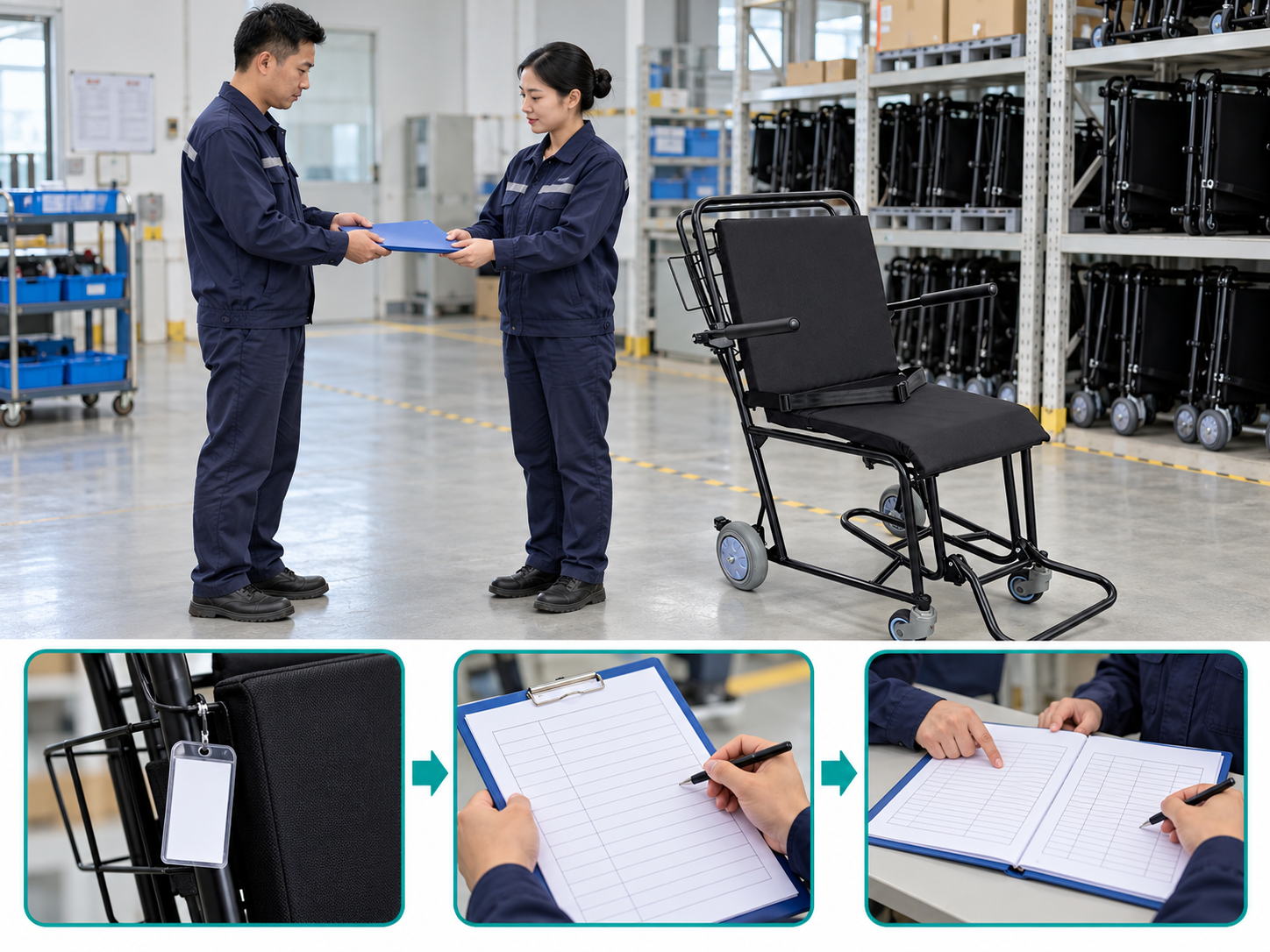
Review airport wheelchair shift handover records for repeated missing locations, unclear status or unclosed fault reports. Those patterns may indicate a record or ownership problem rather than a need for more chairs.
Review recurring details gaps
Look for the broken details step. Compare the findings with actual service and stock data. Assign a specific process correction and check its effect. See the WHO assistive product specifications for procurement context.
- Recurring issue
- Supporting data
- Process owner
| Check | Record or reference |
|---|---|
| Recurring issue | Review log |
| Supporting data | Records |
| Process owner | Action plan |
Key Takeaway: The handover process can improve where the details breaks down.
What should suppliers provide for this workflow?
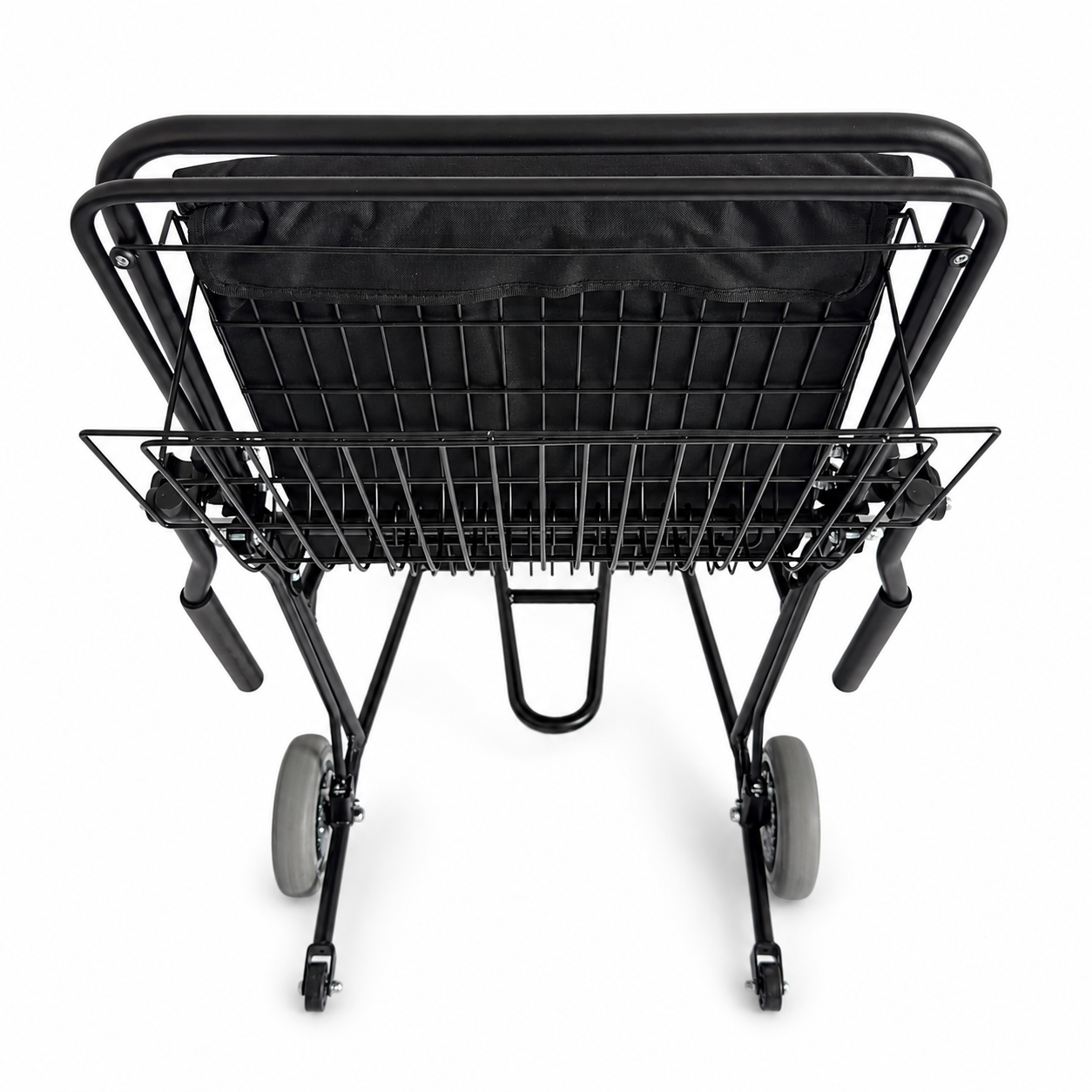
For airport wheelchair shift handover, suppliers can provide current model guides, parts references and agreed service contacts. Buyers should specify the identity and documentation needs of their own equipment workflow.
What should you do next?
Request product details that staff can use. Send the model list and handover requirements with your enquiry. Keep operational roles clear within the airport service organization.
- Model documents
- Identity needs
- Service route
| Check | Record or reference |
|---|---|
| Model documents | Supplier pack |
| Identity needs | Brief |
| Service route | Agreement |
Key Takeaway: The product supply can support a traceable equipment handover. To discuss the model and documents for your order, contact us with your requirements. At AryMD, useful product facts should support every care-equipment purchase.
Frequently asked questions
Q1: Can a total chair count replace a shift handover?
No. The next team also needs locations, readiness and unresolved actions for the relevant units.
Q2: What’s the best way to identify a service-hold chair?
Use a visible status linked to the unit record and the site's agreed hold process.
Q3: How do I know whether care processing is complete?
Use the approved release status and record. Appearance alone does not establish that required tasks were completed.
Q4: Can passenger health details go in the general equipment log?
Share only details necessary and authorized for that record. Keep personal service and care details within the suitable system.
Q5: Should a missing chair be removed from the total immediately?
Trace its assignment and movement first. Keep unresolved discrepancies visible with a named owner.