
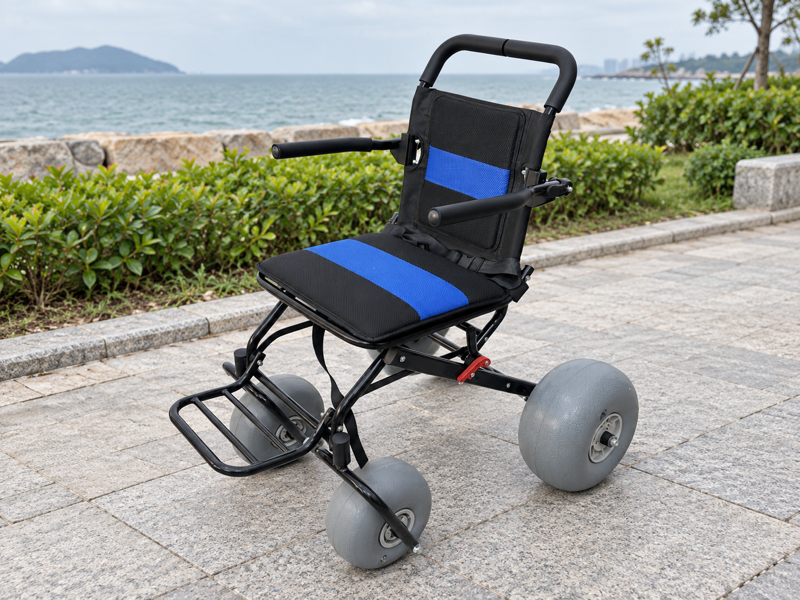
Review beach wheelchair path joints by naming each surface change and collecting the evidence the site reviewer requests. A general note that a boardwalk is rough may not show where the concern lies. Without location and context, follow-up becomes guesswork. Use a dated joint record linked to the exact chair and route.
What should a review of beach wheelchair path joints record?
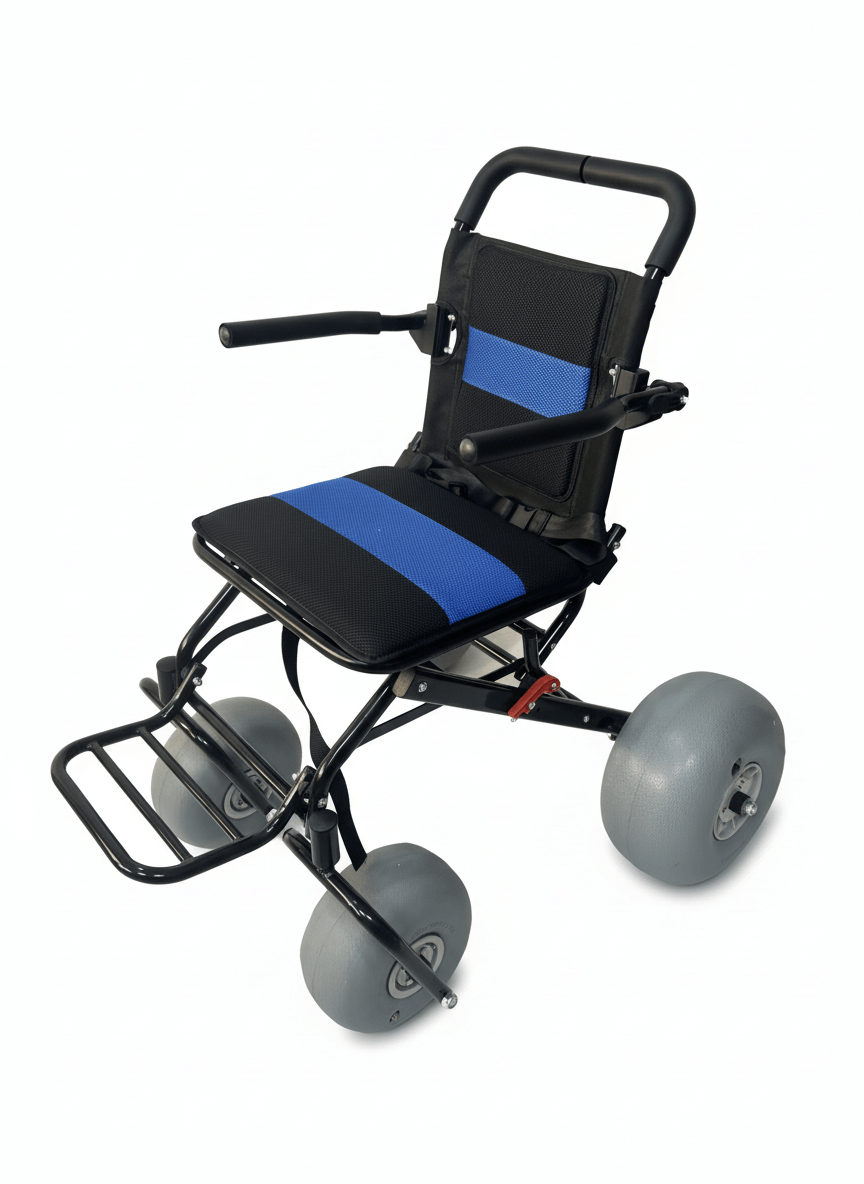
A beach wheelchair path joints review should record the exact joint location, visible condition and measurements requested by the site reviewer. A photograph of a smooth boardwalk elsewhere does not describe your route.
Locate the surface change
Give the reviewer a precise reference. Use a simple route sketch and dated photos. Keep each joint concern separate so findings can be traced. WHO guidance covers wheelchair fit and follow-up services.
- Name the joint
- Show current condition
- Request needed measurements
| Check | Record to retain |
|---|---|
| Name the joint | Route location |
| Show current condition | Dated image |
| Request needed measurements | Reviewer brief |
Your team can discuss a specific surface change rather than a general rough-path concern.
Why does joint shape matter?
The shape of beach wheelchair path joints matters because different surface changes present different review questions. A gap, raised edge or loose section should not share one vague description.
Describe the feature plainly
State what you can see. Ask the qualified site team how to record the feature. Avoid diagnosing structural damage or setting a pass limit from a blog. Match the route record with the exact model in your chair comparison.
- Describe visible feature
- Mark measuring points
- Refer structural questions
| Check | Record to retain |
|---|---|
| Describe visible feature | Plain observation |
| Mark measuring points | Site method |
| Refer structural questions | Qualified reviewer |
Your report can help the right person assess the actual joint.
Which chair details belong beside beach wheelchair path joints?
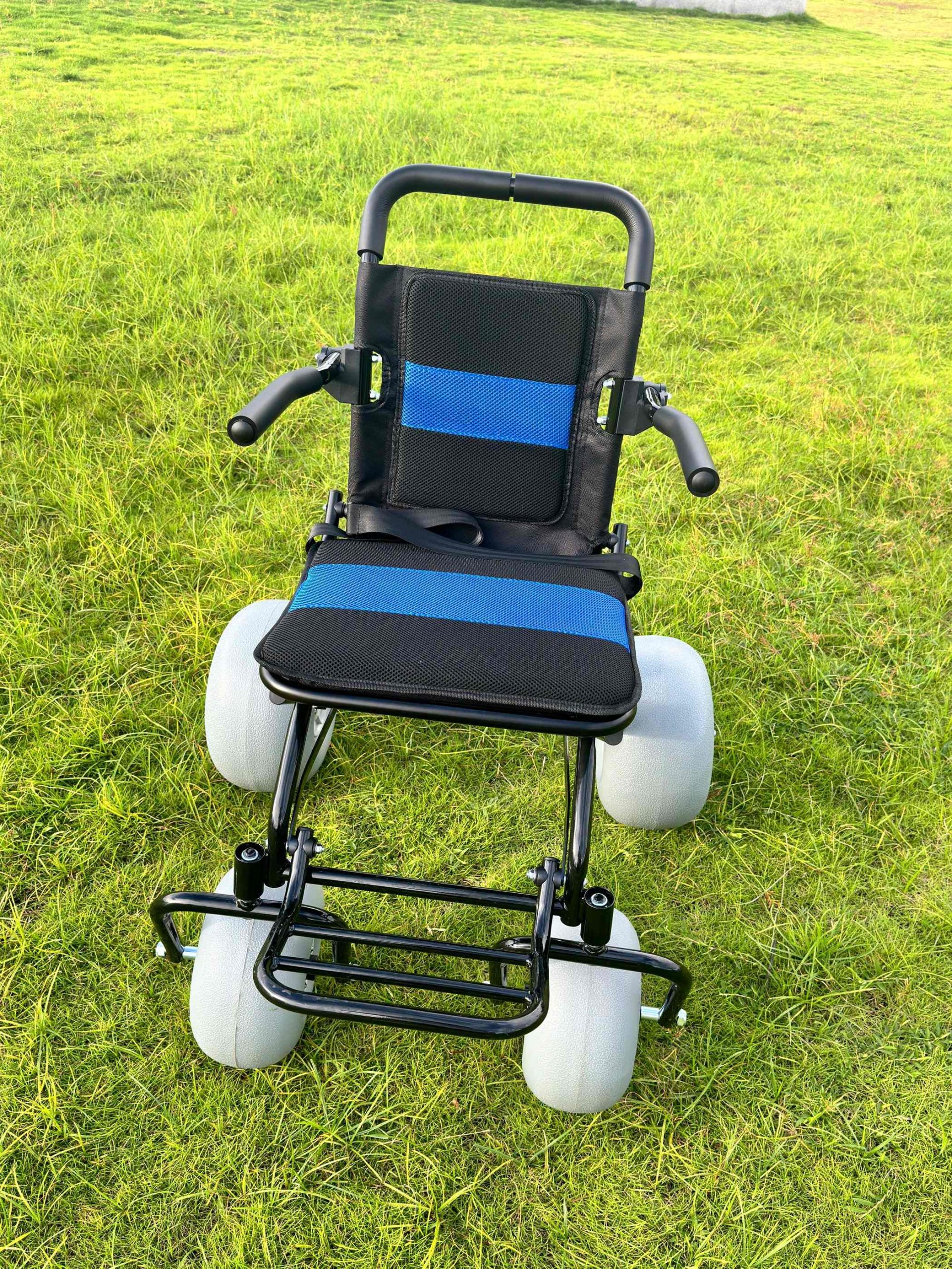
A beach wheelchair path joints record should identify the exact chair, wheels and relevant setup. A route finding for a different product cannot automatically establish suitability for this one.
Keep the product in the record
Wheel appearance alone is not enough. Provide the current model guidance requested by the reviewer. Record any changed wheels or supports through the approved service history.
- Name current model
- List relevant setup
- Attach current guidance
| Check | Record to retain |
|---|---|
| Name current model | Product identity |
| List relevant setup | Fitted parts |
| Attach current guidance | Maker instructions |
Your route discussion can remain tied to the equipment being considered.
Can a photo replace measurements?
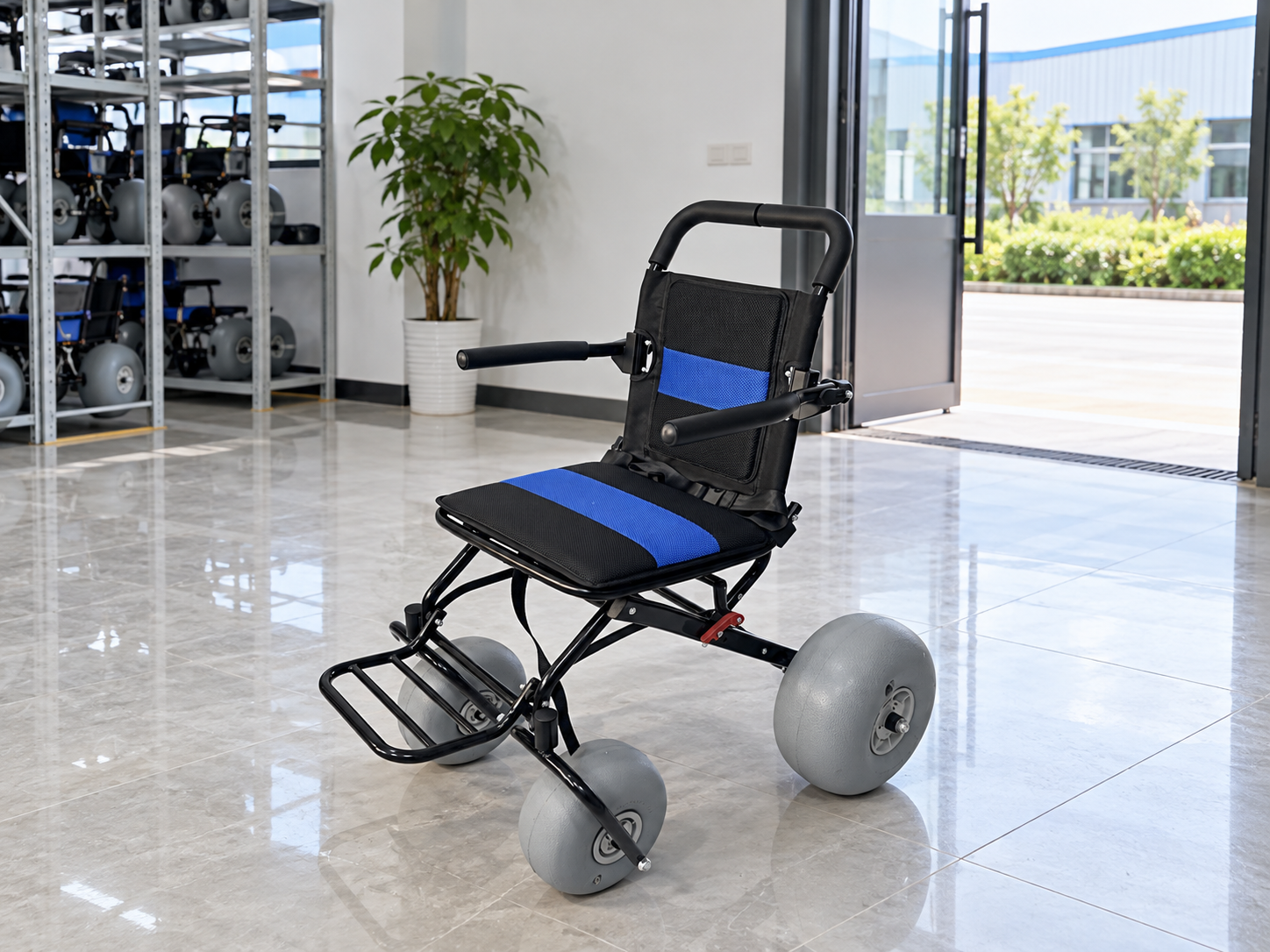
No, photos of beach wheelchair path joints cannot replace measurements that the reviewer needs. Perspective can make a gap or edge look different from its actual size.
Use images to show context
Keep the measured record beside them. Ask for the required method and reference points. Mark missing values as unresolved rather than estimating from pixels.
- Show full context
- Record requested dimensions
- Flag missing values
| Check | Record to retain |
|---|---|
| Show full context | Site photo |
| Record requested dimensions | Defined method |
| Flag missing values | Open fields |
Your reviewer can distinguish observed appearance from measured evidence.
How should surface changes be recorded?
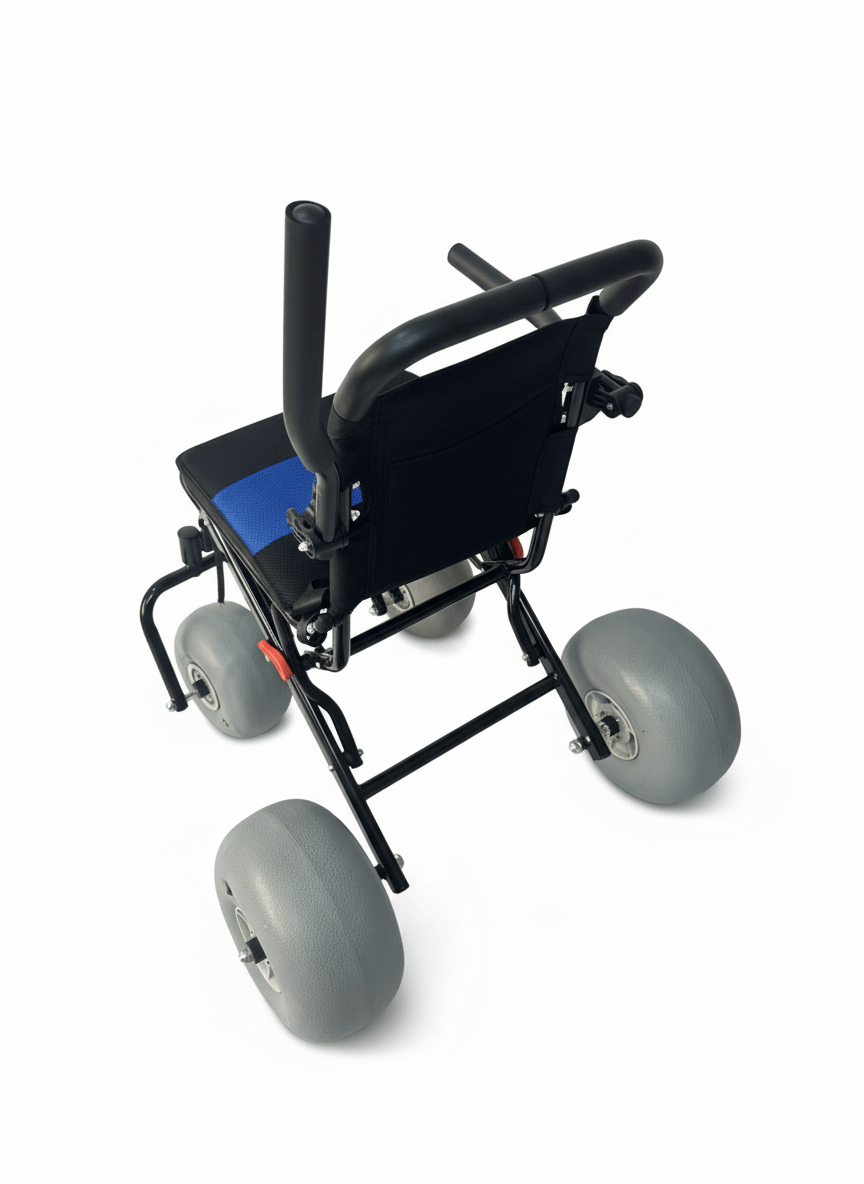
Changing conditions should prompt the checks required by the site's beach wheelchair path joints review process. Keep the date and relevant surface state with each observation.
Record when the view was taken
Yesterday's photo may not show today's condition. Ask the site team what changes need a fresh check. Do not infer a universal weather or wear threshold.
- Date observations
- Describe surface state
- Assign recheck rules
| Check | Record to retain |
|---|---|
| Date observations | Current record |
| Describe surface state | Relevant context |
| Assign recheck rules | Site procedure |
Your records can show which conditions the access decision used.
Should staff test a doubtful joint with a guest?
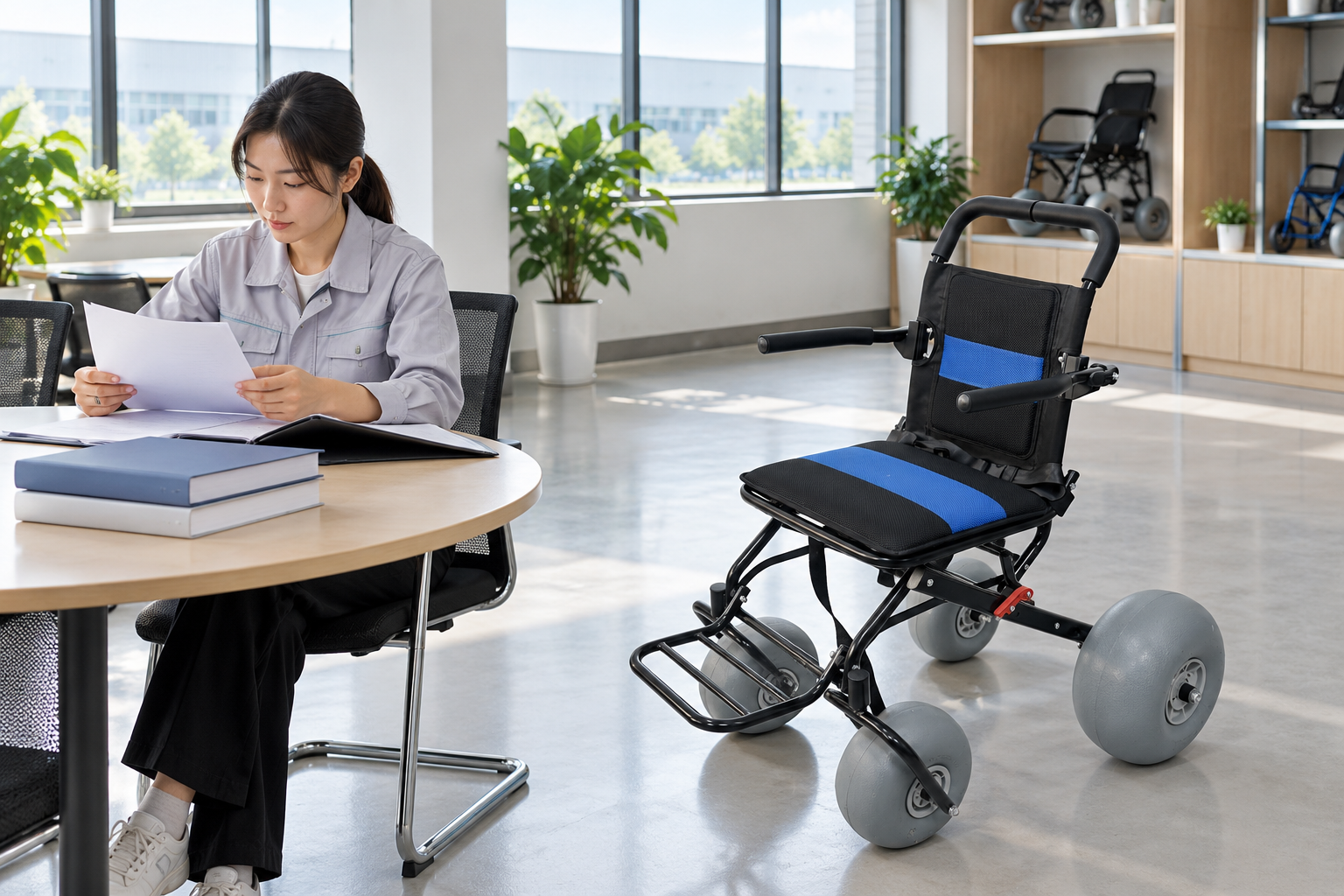
No, a concern about beach wheelchair path joints should not be resolved through an improvised guest trial. Seek the relevant qualified review and an agreed evidence plan.
Escalate the question first
A passenger is not a measuring tool. Follow the site's route-status process while the issue is open. Let the responsible provider define any later trial. Use the resort buyer checklist to keep route questions visible.
- Report the concern
- Confirm route status
- Agree further review
| Check | Record to retain |
|---|---|
| Report the concern | Site issue record |
| Confirm route status | Responsible team |
| Agree further review | Qualified plan |
You can seek evidence without turning uncertainty into an unplanned trial.
Can a local repair be assumed to solve beach wheelchair path joints?
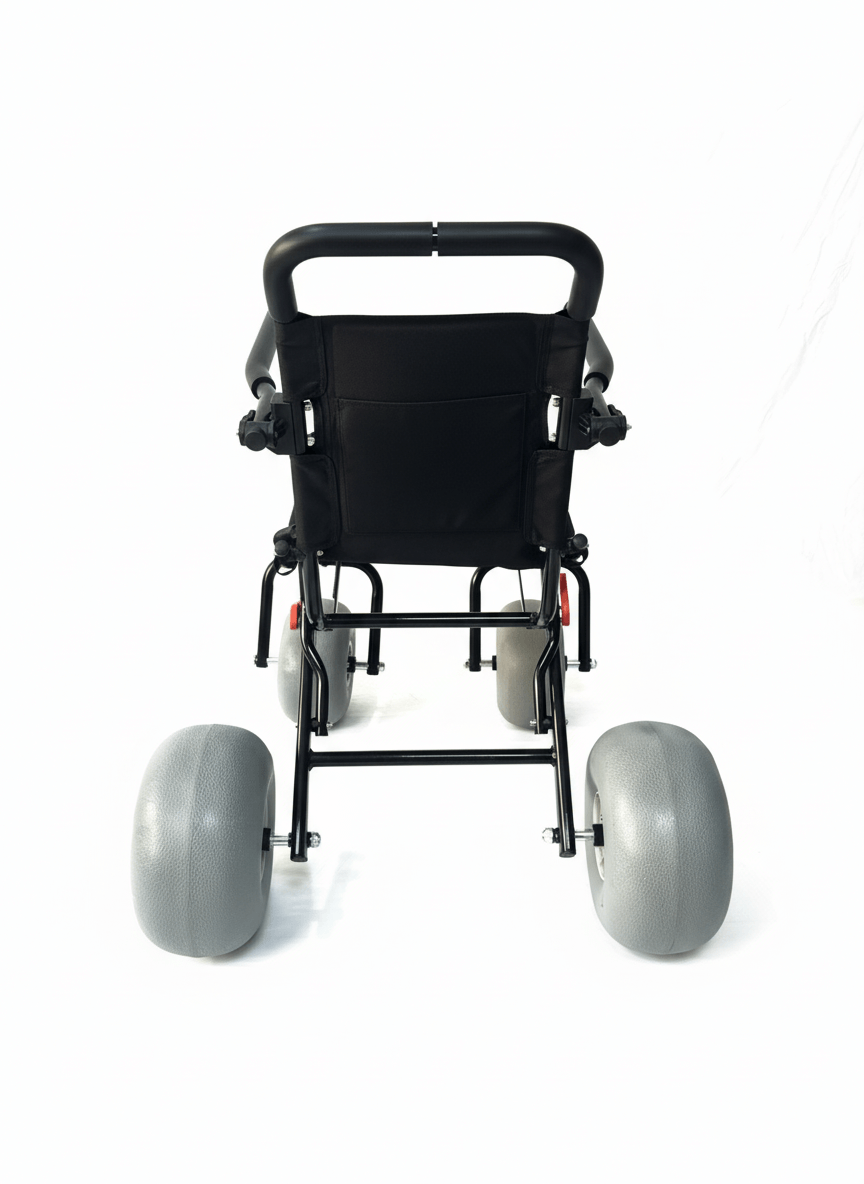
A repair near beach wheelchair path joints needs the appropriate site assessment and approval before it is treated as a solution. This article does not prescribe materials, gap limits or repair methods.
Keep repair and access decisions linked
A new surface still needs the right review. Record what changed and who completed the work. Ask which further checks are required before changing route status.
- Record completed work
- Identify review owner
- Retain release decision
| Check | Record to retain |
|---|---|
| Record completed work | Site maintenance record |
| Identify review owner | Qualified team |
| Retain release decision | Route process |
Your team can distinguish repaired work from confirmed access conditions.
What should an issue report contain?
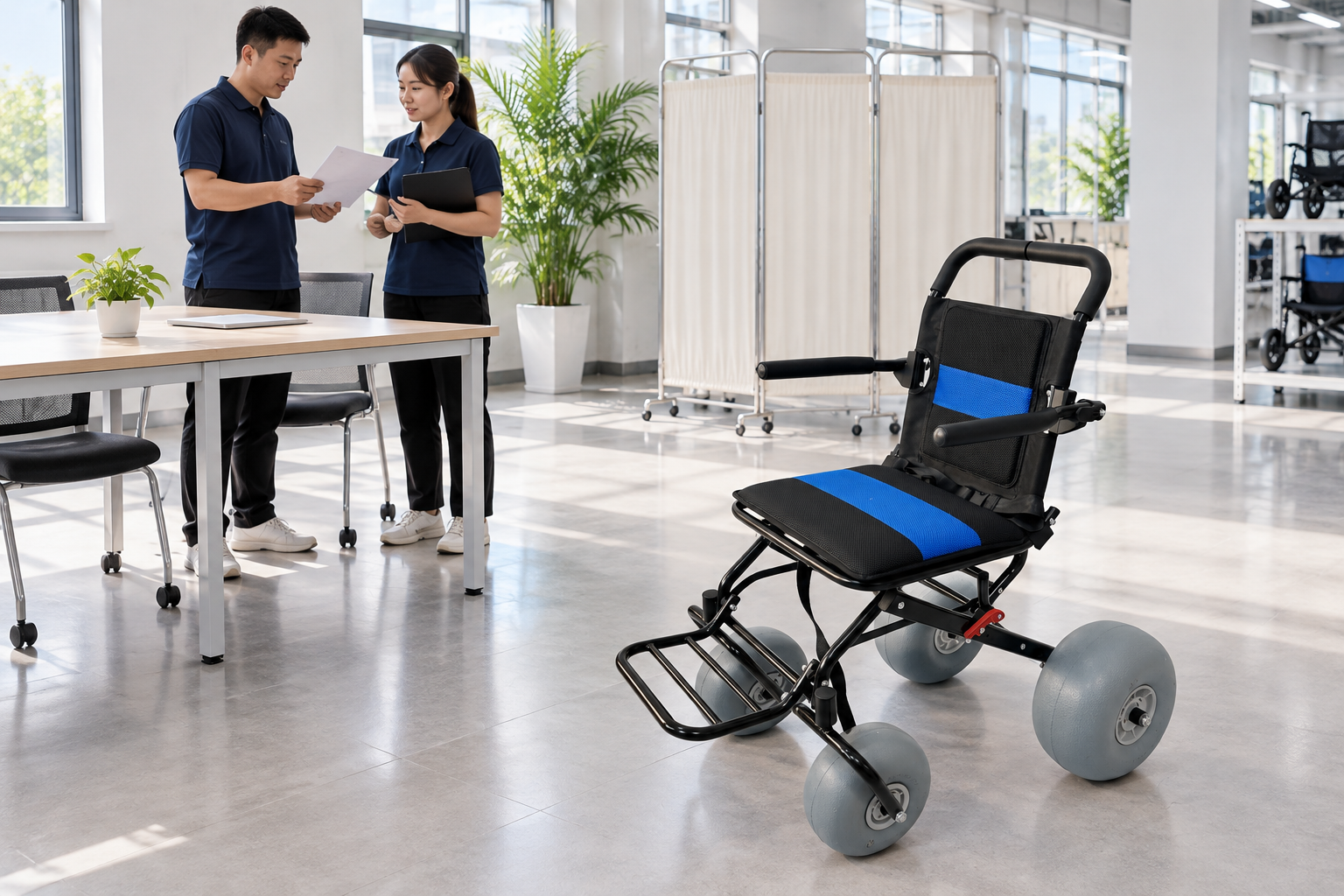
A beach wheelchair path joints issue report should contain location, observed condition and the requested next decision. Send it to the person responsible for the route rather than leaving it in general guest feedback.
Make the report actionable
One location per issue helps. Attach only relevant images and measurements. Keep any equipment concern in a linked but separate service case. Refer any linked equipment concern through the maintenance process.
- Name exact location
- Describe observation
- State requested review
| Check | Record to retain |
|---|---|
| Name exact location | Route reference |
| Describe observation | Factual note |
| State requested review | Assigned action |
Your report can reach the team able to assess the surface.
What should a beach wheelchair path joints finding preserve?
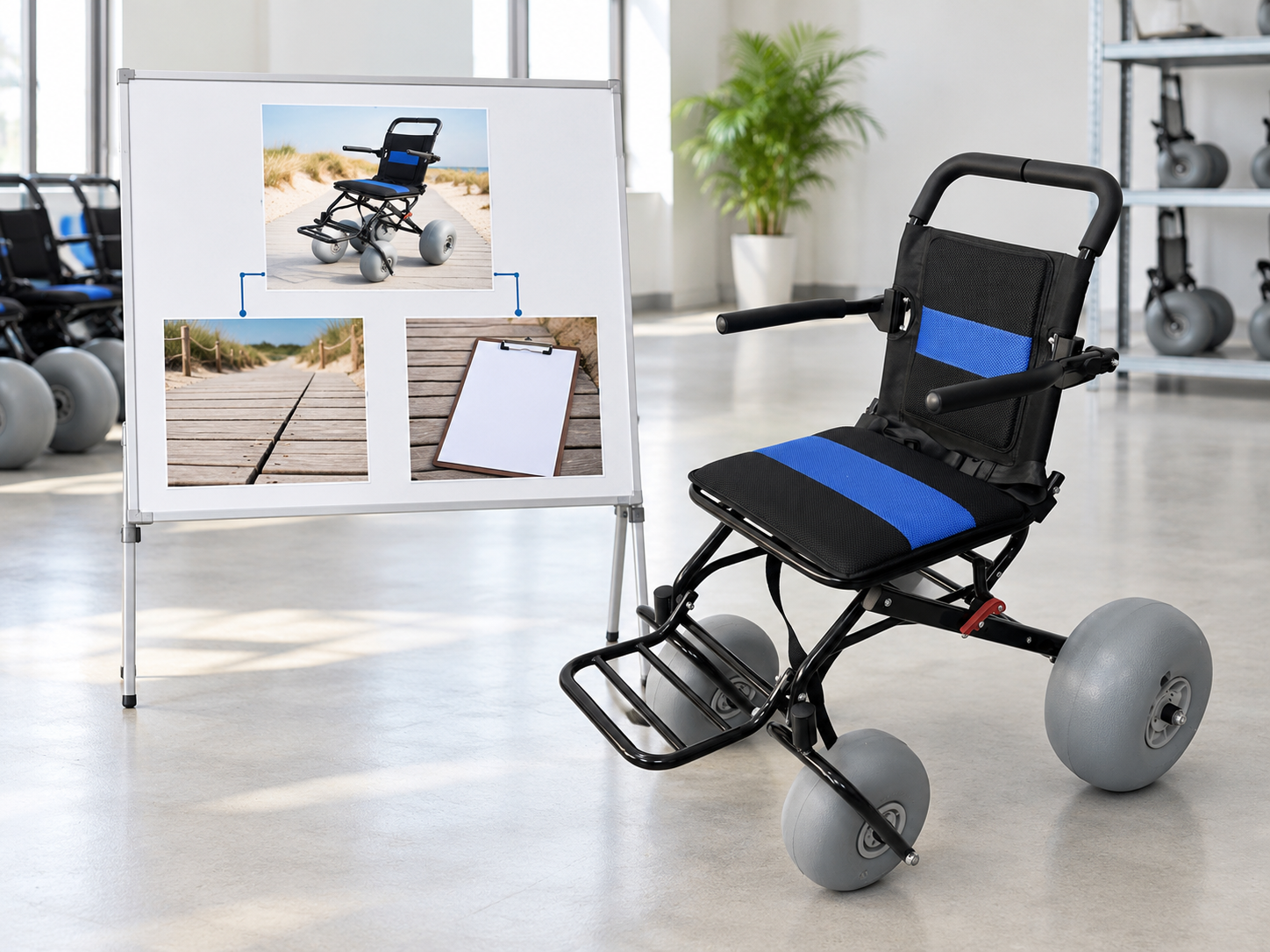
A beach wheelchair path joints finding should preserve the product, surface state and scope reviewed. Do not expand a limited result into approval for every boardwalk or chair.
Keep the finding bounded
A local decision belongs to a local record. Retain the site evidence and any conditions attached to the review. Update the record when relevant changes occur.
- Identify reviewed chair
- Save site evidence
- Keep conditions
| Check | Record to retain |
|---|---|
| Identify reviewed chair | Product record |
| Save site evidence | Dated observations |
| Keep conditions | Review outcome |
Your staff can understand which route question has been resolved.
How should you request a beach wheelchair path joints review?
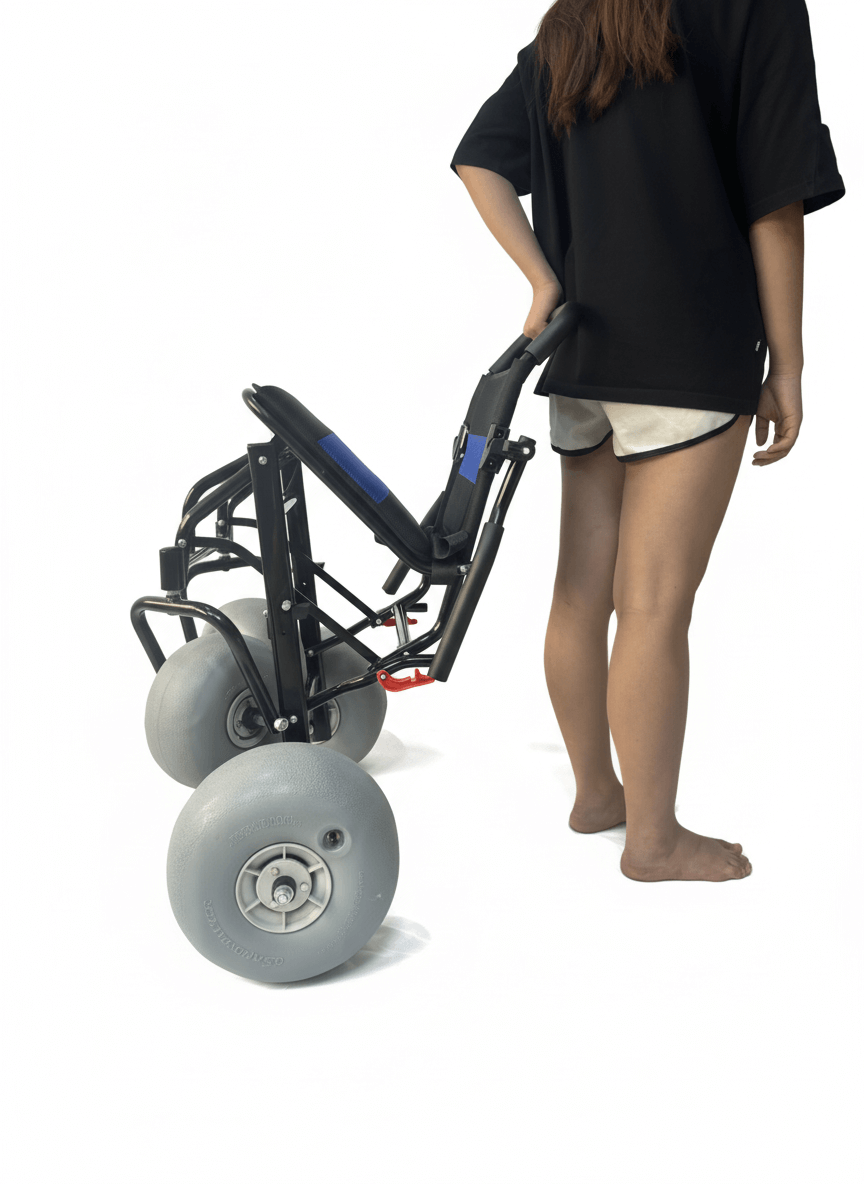
Request a beach wheelchair path joints review with the route location, current images and the exact chair model. Ask the reviewer which measurements and product documents are needed.
Prepare the surface brief
Keep unknown values visible. Use the supplier for product facts and the site team for ground conditions. Bring those answers into one review record.
- Name the route point
- Identify the product
- List missing evidence
| Check | Record to retain |
|---|---|
| Name the route point | Location |
| Identify the product | Model and setup |
| List missing evidence | Review questions |
You can seek a useful route decision without inventing a gap tolerance. Contact us with your model and project questions so we can discuss the product information and written terms you need.
Frequently asked questions
Q1: Can a photo tell me the exact size of a gap?
No, perspective can distort the apparent size. Use the measuring method requested by the reviewer.
Q2: How do I report a raised edge?
Describe the visible feature and its exact location. Let the qualified site team decide what further assessment is needed.
Q3: Can I test a doubtful joint with a guest?
Do not improvise a passenger trial. Seek the relevant qualified review and agreed evidence plan first.
Q4: What's the best way to record a repaired joint?
Retain the work record and the later route-review decision. Repair completion and access approval are separate facts.
Q5: Can one route finding cover every chair?
No, keep the finding tied to the reviewed product and conditions. Other equipment may raise different questions.