
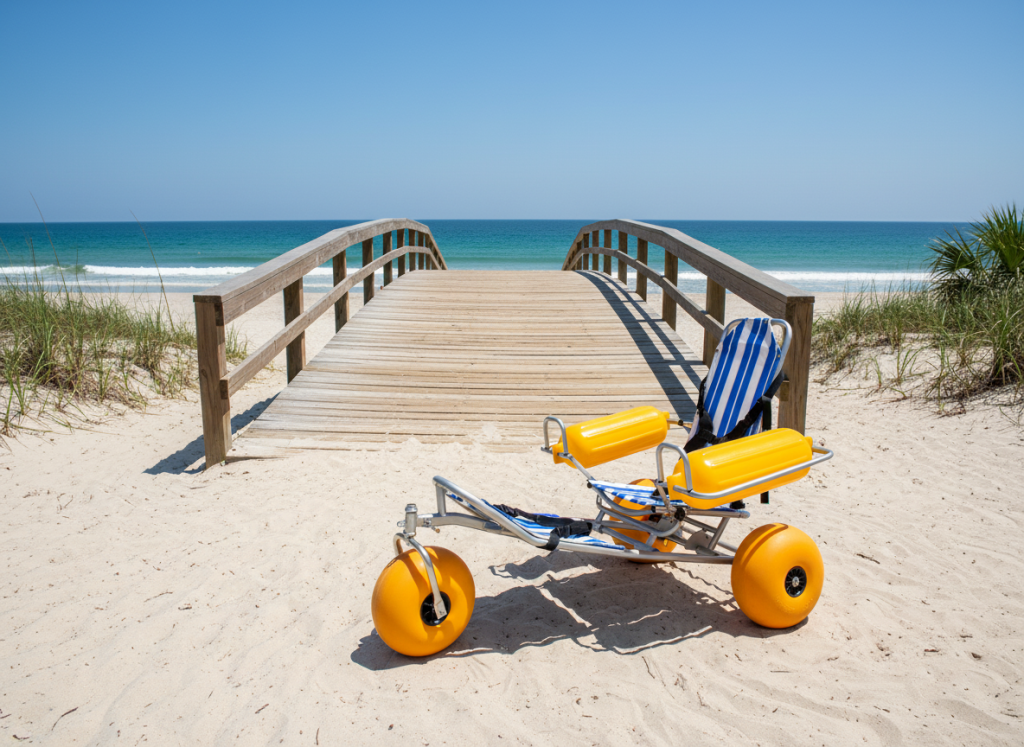
Beach Wheelchair rental pricing should come from a dated operating model, not a copied daily rate. Resorts need the exact equipment cost, expected service pattern, staff time, transport, cleaning, drying, storage, parts, repairs, downtime, insurance, taxes, and local market conditions before publishing a price.
Also, This article does not publish universal rental prices or promise a fixed return. It uses official mobility-device guidance only as policy background. Each operator must verify local legal, tax, insurance, and accessibility obligations.
What Service Is Included in a Beach Wheelchair Rental?
Define whether the offer includes equipment only, delivery, route setup, guest briefing, staff assistance, cleaning, collection, or on-call support. Different service scopes cannot share one meaningful price.
Then, Price the actual service. Use the rental handoff workflow to list tasks.
- Name included equipment.
- Define staff responsibilities.
- State delivery and return boundaries.
| Service item | Pricing input |
|---|---|
| Equipment | Exact model and accessories |
| Staff | Time and training |
| Transport | Distance and handling |
Key Takeaway: A clear scope prevents hidden work.
How Should Equipment Cost Enter the Rental Model?
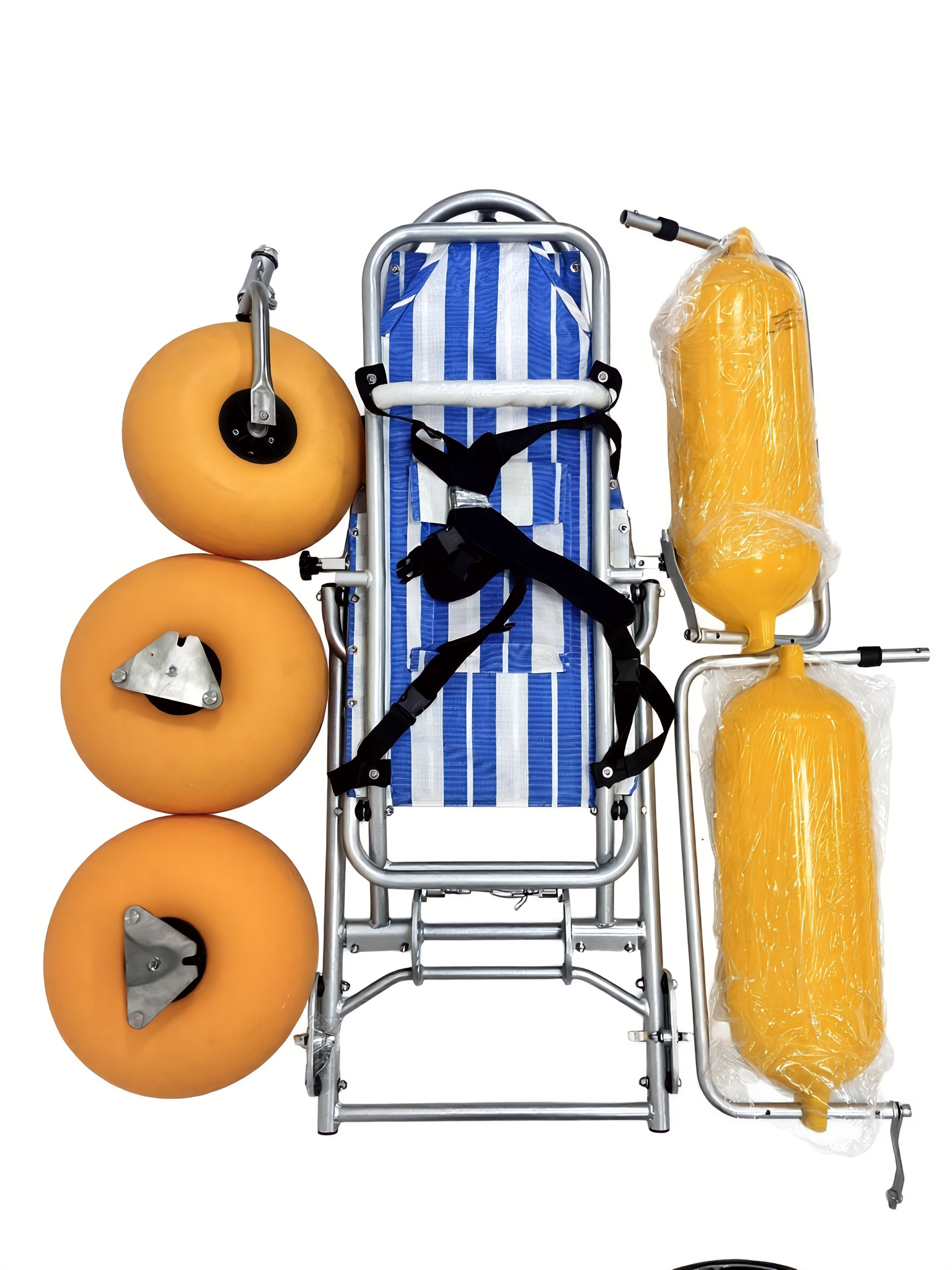
However, Use a current landed-cost record for the exact wheelchair, accessories, spare parts, packing, freight, taxes, and setup. Do not copy an old purchase price or another operator’s invoice.
Use current supplier evidence. Compare models through the PVC procurement guide and supplier review.
- Date the supplier quote.
- List included accessories.
- Separate one-time and recurring costs.
| Cost group | Record |
|---|---|
| Chair | Current configured quote |
| Parts | Starter and replacement list |
| Freight | Current route and terms |
For example, Key Takeaway: Rental pricing begins with an exact landed-cost file.
How Should Expected Use Be Estimated?
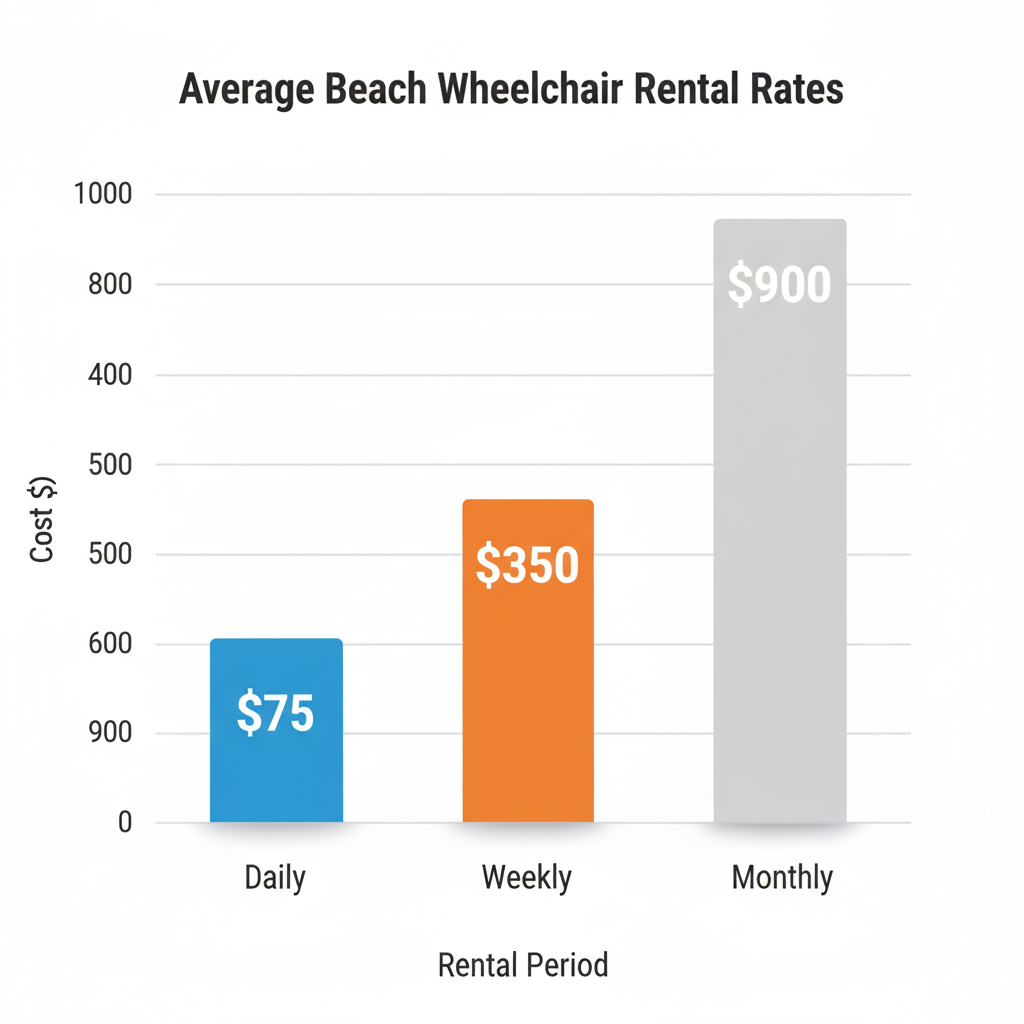
Estimate demand from actual booking history, season length, operating hours, cancellations, weather closures, and fleet availability. A forecast should show assumptions rather than a guaranteed utilization rate.
Meanwhile, Use scenarios, not promises. Track every rental and unavailable period in one fleet record.
- Separate peak and quiet periods.
- Record weather and maintenance closures.
- Review forecast against actual use.
| Use record | Decision value |
|---|---|
| Bookings | Observed demand |
| Unavailable days | Capacity loss |
| Cancellations | Policy and staffing effect |
Key Takeaway: Observed use should replace guessed occupancy.
Which Staff Costs Belong in the Price?
Instead, Include reservation handling, inspection, setup, guest briefing, route review, return checks, cleaning, storage, records, and issue response. Staff time varies by service design and local wage conditions.
Map every handoff. Use the coastal staff training plan.
- Time each repeatable task.
- Include training and supervision.
- Assign responsibility for incidents.
| Staff task | Record |
|---|---|
| Pre-use check | Time and checklist |
| Guest handoff | Briefing scope |
| Return reset | Inspection and cleaning |
As a result, Key Takeaway: Unpriced staff time erodes the service plan.

How Do Cleaning and Storage Affect Rental Pricing?
Beach equipment needs a defined post-use routine, drainage, drying, protected storage, and inspection. Price the actual space, supplies, staff time, and downtime required by current product instructions.
Also, Follow the full care cycle. Use the saltwater care guide and storage plan.
- Record each cleaning task.
- Allow complete drying.
- Keep exits and service areas clear.
| Care item | Pricing effect |
|---|---|
| Cleaning | Labor and supplies |
| Drying | Unavailable time |
| Storage | Space and protection |
Key Takeaway: Care work belongs in the operating cost.
What Service and Parts Allowance Is Needed?
Then, Create a model-specific list for wheels, bearings, fabric, floats, fasteners, restraints, and other approved parts. Use supplier evidence and actual fault history rather than a generic repair percentage.
Plan parts before failure. Use the service checklist.
- Keep approved part identifiers.
- Track faults and downtime.
- Review stock after each season.
| Service record | Use |
|---|---|
| Fault history | Updates allowance |
| Parts list | Supports availability |
| Downtime | Shows lost capacity |
However, Key Takeaway: Parts planning makes pricing more resilient.

How Should Delivery and Collection Be Quoted?
Define service radius, vehicle, handling staff, loading equipment, schedule, access constraints, and failed-delivery policy. Delivery should be a transparent line item when it changes by booking.
For example, Measure the route. Keep location and timing information in the reservation record.
- Confirm access before dispatch.
- Define loading responsibility.
- Record collection condition.
| Transport item | Evidence |
|---|---|
| Route | Distance and access |
| Vehicle | Fit and handling |
| Schedule | Booked service window |
Key Takeaway: Transport terms should be visible before payment.
How Do Risk and Insurance Enter the Rental Plan?
Meanwhile, Operators should review current local insurance, waiver, consumer, accessibility, water-entry, and staff requirements with qualified advisers. A generic article cannot set legal terms or promise that a waiver removes liability.
Use local advice. Separate operational controls from legal documents and keep both current.
- Confirm current insurance scope.
- Document equipment condition.
- Maintain incident and training records.
| Risk area | Control |
|---|---|
| Equipment | Inspection and maintenance |
| People | Training and briefing |
| Legal | Qualified local review |
Instead, Key Takeaway: Risk costs need local evidence and professional advice.
What Should the Customer Quote Show?
Show rental period, equipment, accessories, delivery, staff support, deposit or authorization terms, cancellation, damage process, late return, taxes, and excluded services. Use plain language and current dates.
As a result, Make comparison possible. A quote should match the reservation and handoff records.
- List every included service.
- Show variable charges separately.
- State support contacts.
| Quote section | Required detail |
|---|---|
| Equipment | Exact model and accessories |
| Service | Included tasks |
| Terms | Current cancellation and damage rules |
Key Takeaway: A transparent quote reduces disputes.
How Should Resorts Review Beach Wheelchair Rental Pricing?
Also, Compare forecast with actual bookings, staff time, care costs, parts, downtime, customer feedback, incidents, and supplier support. Update assumptions on a fixed review schedule without claiming a guaranteed return.
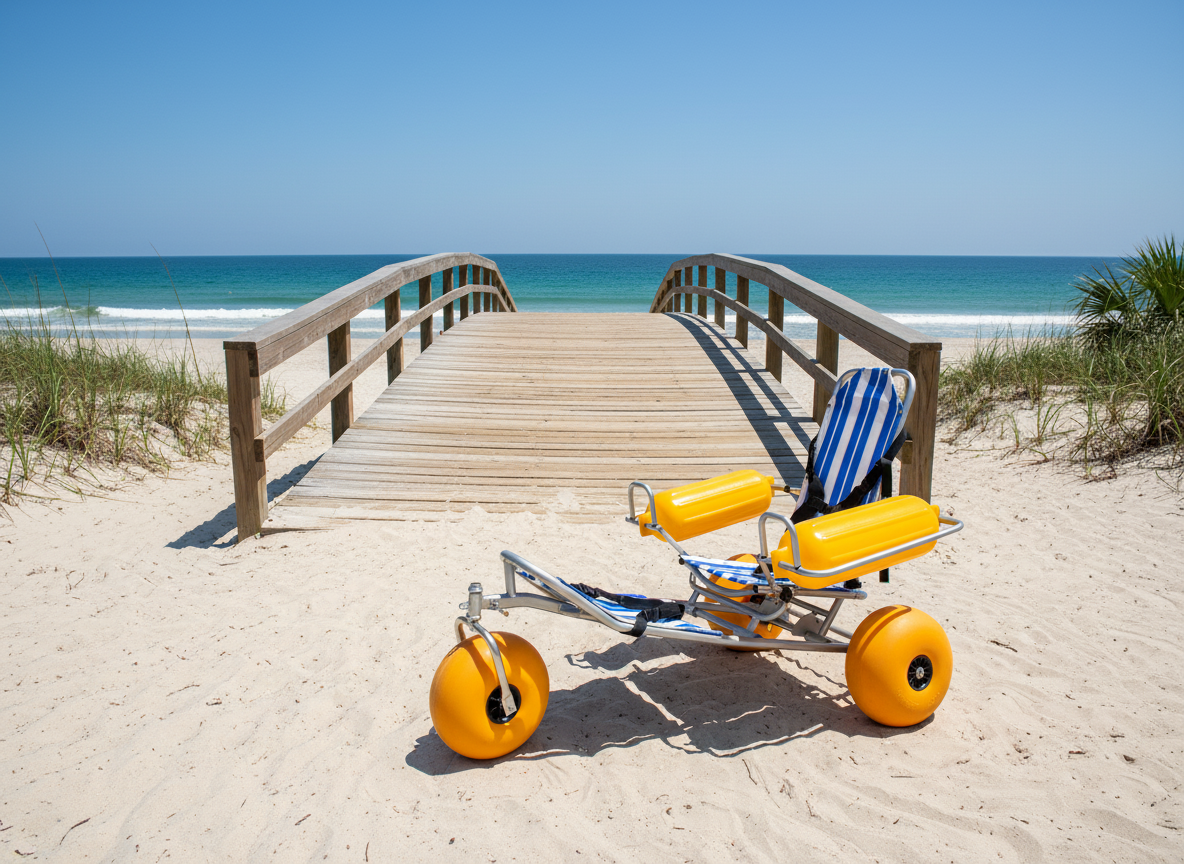
Close the loop. Use the route plan and keep the original article featured image unchanged.
- Review actual operating records.
- Update outdated quotes.
- Document each pricing change.
| Review area | Question |
|---|---|
| Demand | Did bookings match forecast? |
| Cost | Which tasks changed? |
| Service | What affected guest handoff? |
Then, Key Takeaway: Rental prices should follow current evidence.
Is there one standard daily beach wheelchair rental price?
No. Equipment, service scope, labor, transport, care, risk, and local markets vary.
Should delivery be included?
However, State it clearly. Delivery can be included or quoted separately according to the service design.
Can ROI be guaranteed?
No. Use scenarios and actual operating records instead of guarantees.
Should saltwater care be priced?
For example, Yes. Include the real cleaning, drying, inspection, storage, and downtime involved.
Will the featured image change?
No. The original main image remains in use.