
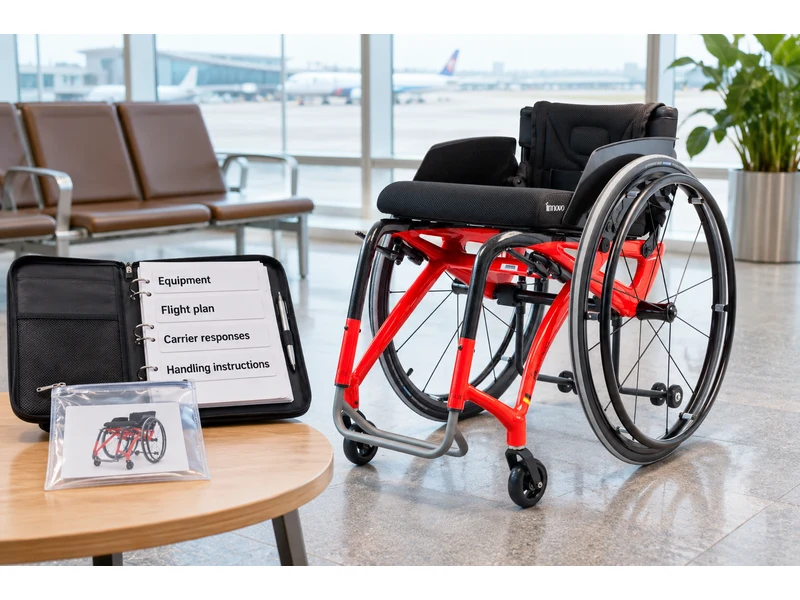
Start planning for manual wheelchair air travel with the operating airline and the exact chair setup. A folding-backrest description can sound like a cabin-storage promise until the actual aircraft space is checked. That leaves fewer options at the airport. Examples use the 5903, a manual carbon-frame chair with one fixed 38 cm seat width.
How should you prepare for manual wheelchair air travel?
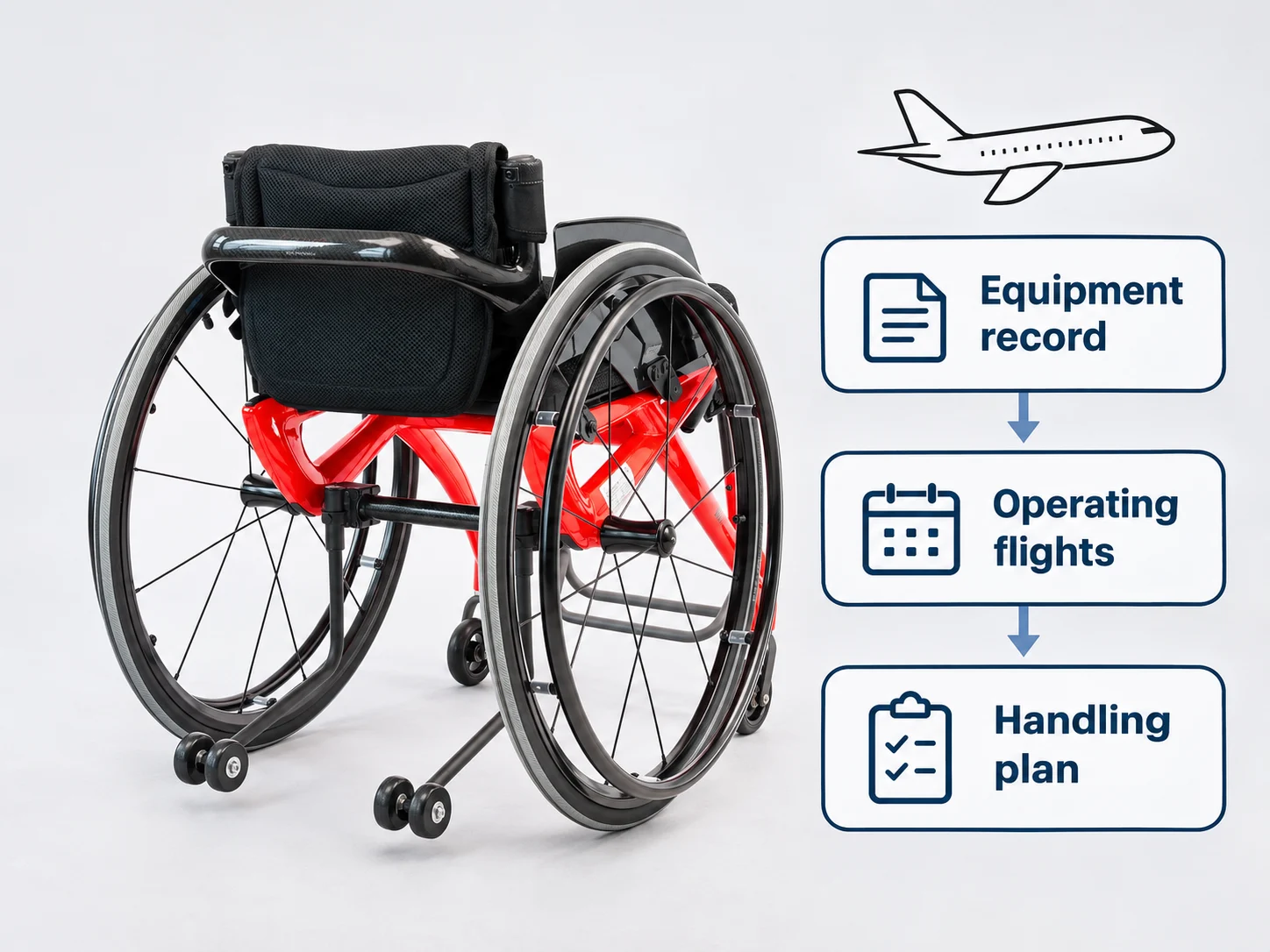
Start planning for manual wheelchair air travel with the operating airline and the exact chair setup. Begin 5903 air travel planning with the actual manual chair setup, flight flight plan and the operating airline's handling process. The product's compact features do not automatically establish where it will fit on a particular aircraft. Update the file if the airline or aircraft changes.
Identify the equipment and flights
The airline needs the actual load, not a general lightweight label. Provide the model, dimensions, weight and proposed compact state. Include outbound, connecting and return flights in the review. WHO guidance supports assessment, fitting and follow-up.
- Equipment
- Itinerary
- Review request
| Review point | What to confirm |
|---|---|
| Equipment | Exact manual-chair setup |
| Itinerary | Actual operating flights |
| Review request | Dimensions mass and handling needs |
Key Takeaway: You can start the airline discussion with the facts needed for the specific travel arrangement.
Does the base model need a wheelchair battery assessment?
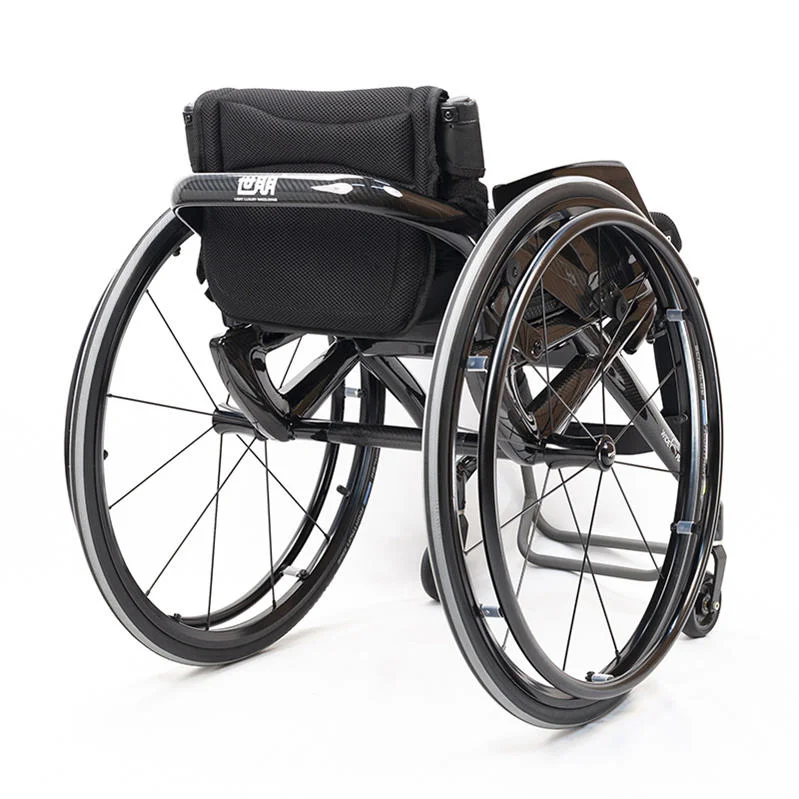
Check battery requirements only for equipment that actually contains a battery when preparing for manual wheelchair air travel. The base setup used for 5903 air travel is manual and has no drive battery shown in the supplied material. Do not invent a lithium capacity, watt-hour figure or battery approval claim for that unpowered setup.
Is a powered attachment actually present?
An accessory can create a separate review. If a powered add-on is proposed, confirm its compatibility with the chair and give the airline its actual battery and device information. The manual-chair description does not settle the requirements for another item. Keep the actual manual setup clear in the carbon-chair product review.
- Base product
- Added equipment
- Required review
| Review point | What to confirm |
|---|---|
| Base product | Manual chair without a drive battery |
| Added equipment | Separately named device |
| Required review | Actual compatibility and carrier conditions |
Key Takeaway: You can keep the base chair's travel information distinct from any separately proposed powered equipment.
Can air travel always use cabin storage?
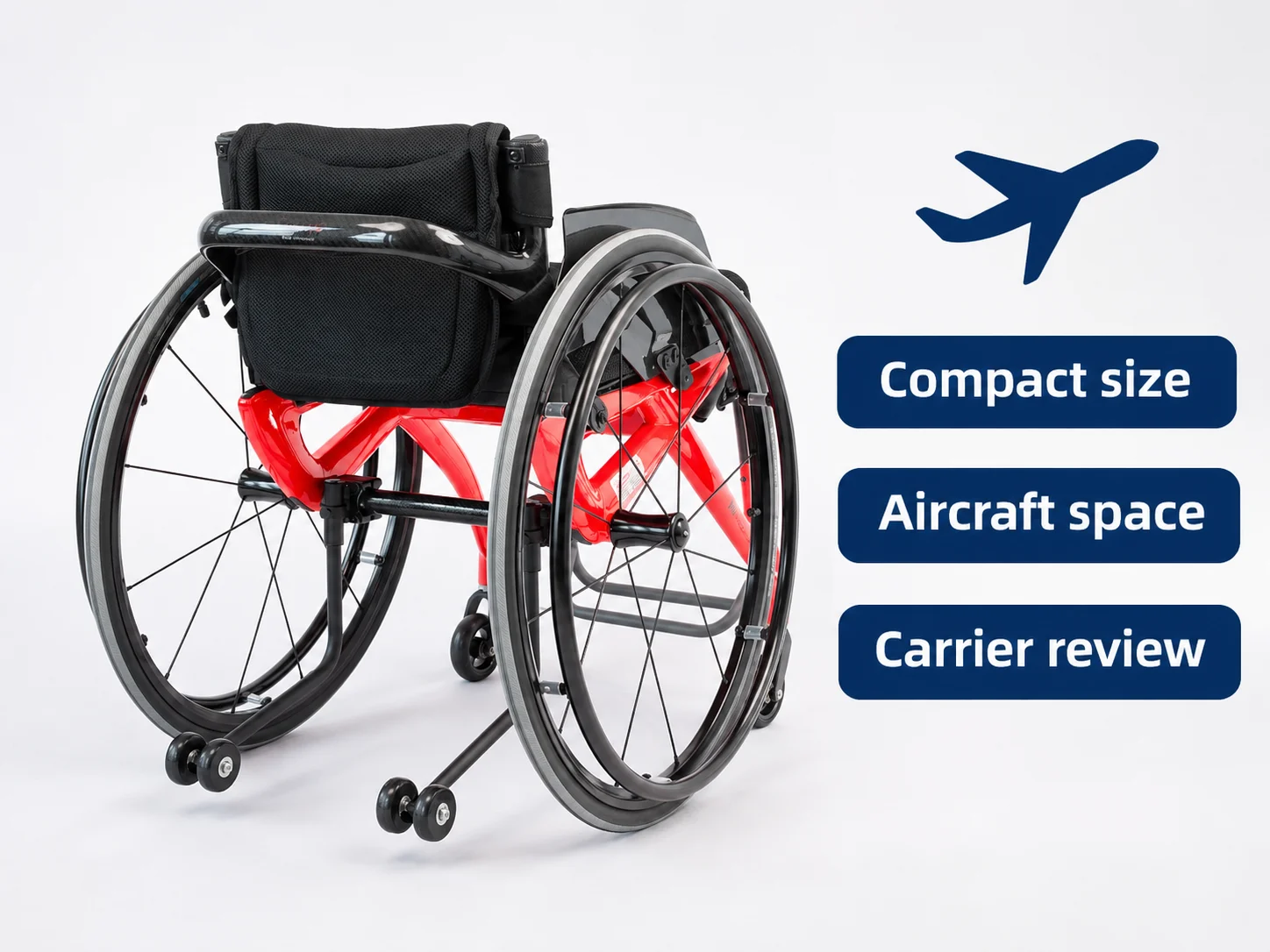
Cabin storage depends on the flight and the chair's actual fit; it is not guaranteed during manual wheelchair air travel. No; 5903 air travel cabin storage depends on the actual folded size, cabin space and relevant rules. A fold-down backrest alone does not prove that the complete arrangement fits an onboard stowage area.
Ask about the actual aircraft
A transport feature is not a cabin-fit guarantee. For flights covered by US rules, DOT guidance distinguishes cabin stowage when the device fits from cargo stowage when it does not. Confirm the arrangement and assistance for the actual flights with the operating airline.
- Product state
- Aircraft space
- Applicable process
| Review point | What to confirm |
|---|---|
| Product state | Exact compact setup |
| Aircraft space | Actual available stowage |
| Applicable process | Carrier handling under the relevant rules |
Key Takeaway: You can ask a specific cabin-storage question without advertising the model as universally airline-approved.
Which dimensions should be sent to the airline?
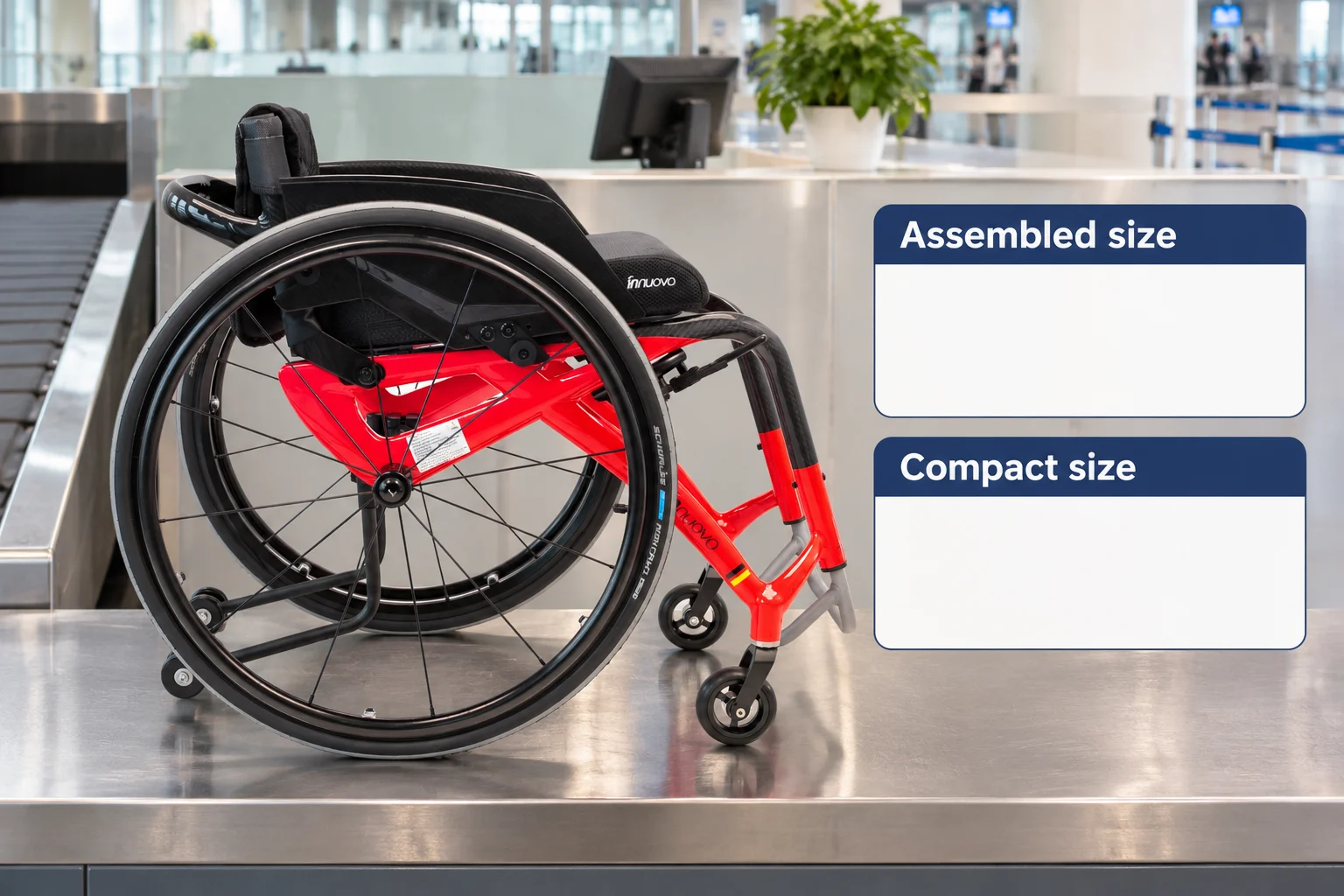
Send assembled and compact dimensions, with their defined setups, before manual wheelchair air travel. Send 5903 air travel dimensions for the exact setup that will be presented for carriage, plus any separate wheel or accessory packages. Keep assembled, folded and fully packed measurements clearly labeled.
Label the measurement state
A carton size is not a folded-chair measurement. The product sheet lists an assembled envelope and a packing envelope, but neither establishes every compact state. Request the current size record and parts list for the arrangement you intend to use.
- Assembled state
- Compact state
- Separate items
| Review point | What to confirm |
|---|---|
| Assembled state | Complete offered chair |
| Compact state | Named folded or separated arrangement |
| Separate items | Wheels and loose accessories |
Key Takeaway: You can give the airline a clear load description rather than an unlabeled set of dimensions.
What handling details help with manual wheelchair air travel?
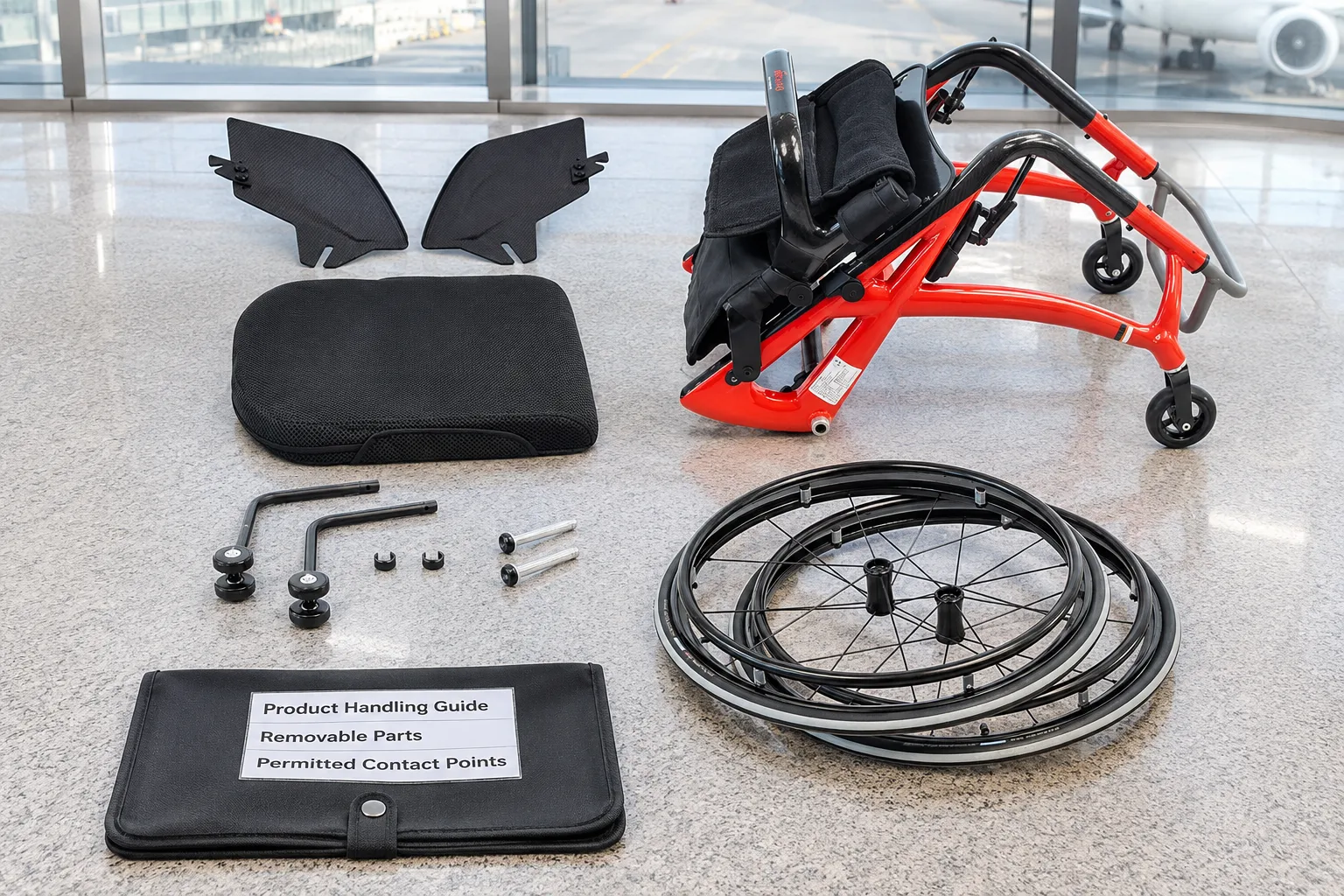
Provide approved handling points, removable-part details and relevant instructions before manual wheelchair air travel. A 5903 air travel file should contain the product handling guide, with removable parts and permitted contact points clearly named. Airline staff should not have to infer a mechanism from a generic product photo.
Use the guide for the actual build
A conflicting manual creates avoidable ambiguity at handover. Ask the supplier for a current guide matched to the supplied setup. Retain the airline's requested format and make any separate part inventory easy to name. Retain the document match with the product inspection record.
- Product guide
- Handling scope
- Inventory
| Review point | What to confirm |
|---|---|
| Product guide | Matching model and revision |
| Handling scope | Permitted support and removal information |
| Inventory | Named detachable parts |
Key Takeaway: You can support a clearer handover without writing improvised disassembly or lifting instructions.
How should removable parts be tracked?
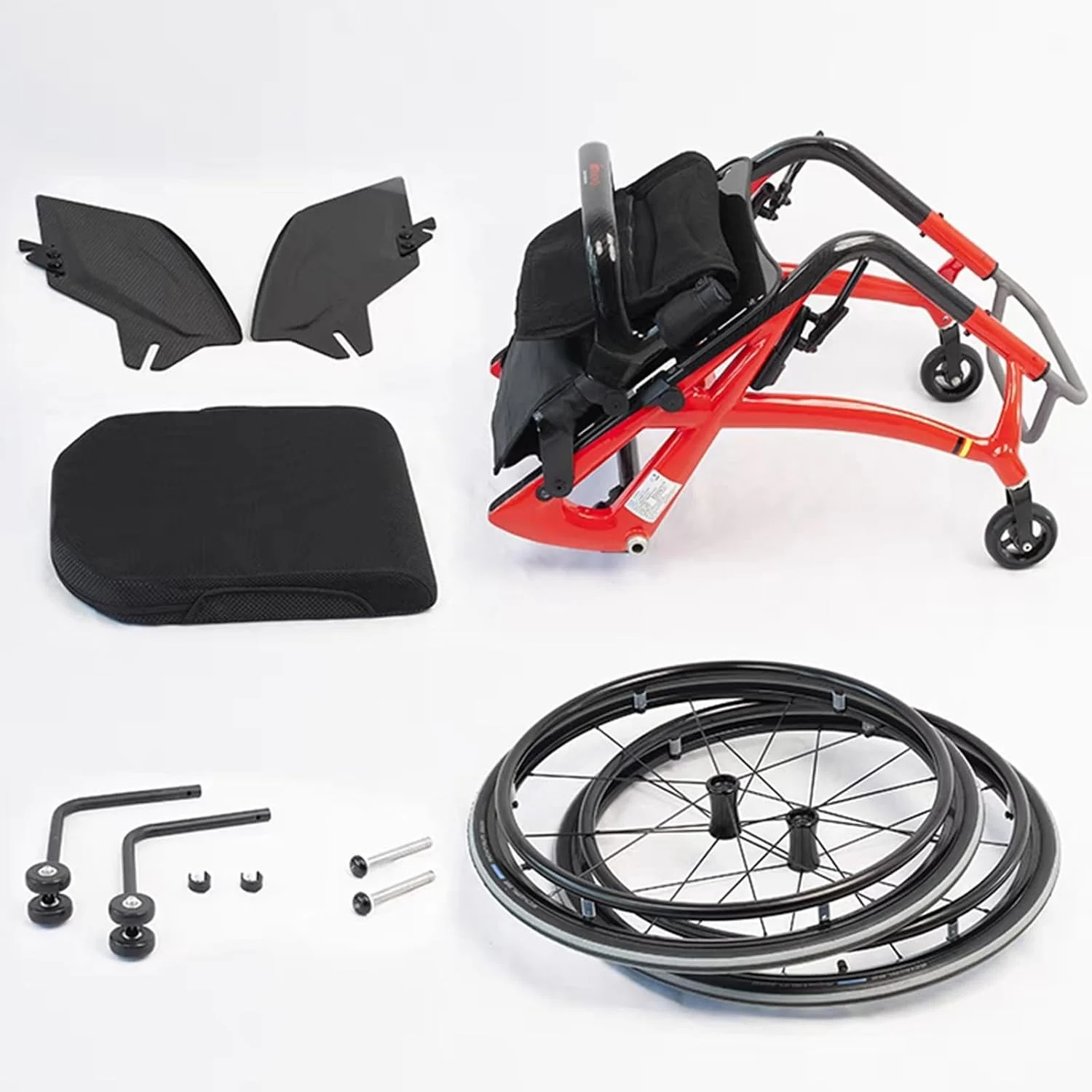
Label and record detached parts so they remain traceable during manual wheelchair air travel. For 5903 air travel, track removable wheels, cushion, side guards and any other separated parts as a named kit. Ask the airline how those items should be presented and handled under the actual arrangement.
Keep the kit tied to the chair
A loose part needs an owner and a destination. Record which items remain attached and which are carried separately. Avoid assuming that every accessory can be placed in the cabin or that mixed personal contents follow the same baggage treatment.
- Attached set
- Separate set
- Carrier response
| Review point | What to confirm |
|---|---|
| Attached set | Parts remaining on the chair |
| Separate set | Named wheels and accessories |
| Carrier response | Agreed handling and stowage process |
Key Takeaway: You can make the handover complete without losing track of parts removed for transport.
What should you confirm for air travel connections?
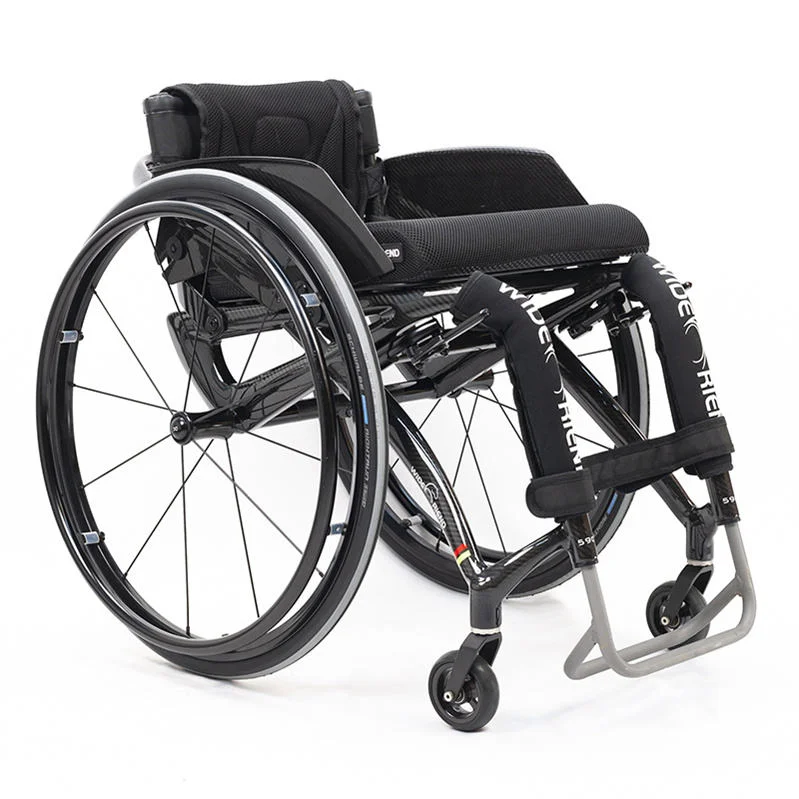
Confirm handovers, connections and operating-carrier arrangements for each stage during manual wheelchair air travel. Confirm the 5903 air travel arrangements with the actual operating carriers and aircraft involved in the flight plan. A response for one flight should not automatically be treated as covering a different connecting or return service.
Check each operating segment
A booking brand may not operate every aircraft. Keep the equipment details and assistance requests consistent across the relevant carriers. Update the review if the flight plan or chair setup changes before travel.
- Operating carrier
- Equipment record
- Change control
| Review point | What to confirm |
|---|---|
| Operating carrier | Actual airline for each flight |
| Equipment record | Same current setup |
| Change control | Updated aircraft or flight plan review |
Key Takeaway: You can name gaps between flight segments before relying on a single general response.
What condition log should be kept at handover?
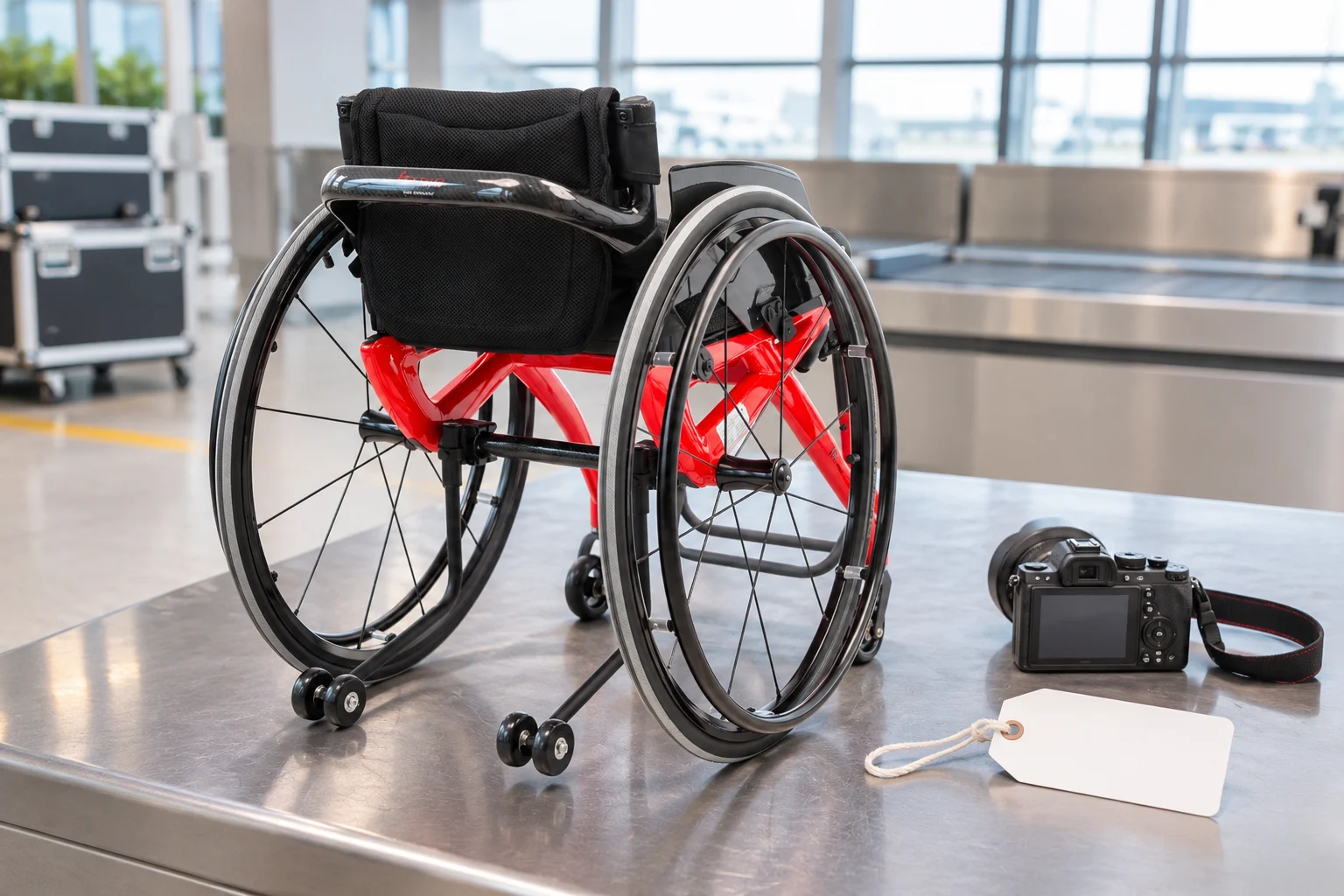
Keep dated condition photographs and a clear handover record during manual wheelchair air travel. A 5903 air travel condition log should name the chair and show its relevant condition before and after airline handling. Record any observed difference and use the airline's reporting process promptly when a concern appears.
Keep the evidence specific
A dated context photo helps name the affected item. Retain the unit reference, part inventory and the requested contact information. Do not assume a damage cause or compensation outcome before the actual case has been reviewed under the relevant process. Use the same identified parts inventory if a part is affected.
- Identity
- Condition
- Issue response
| Review point | What to confirm |
|---|---|
| Identity | Model and available unit reference |
| Condition | Context and detail records |
| Issue response | Prompt factual report through the carrier |
Key Takeaway: You can support a practical handover and follow-up record without promising a claim result.
How should records support manual wheelchair air travel?
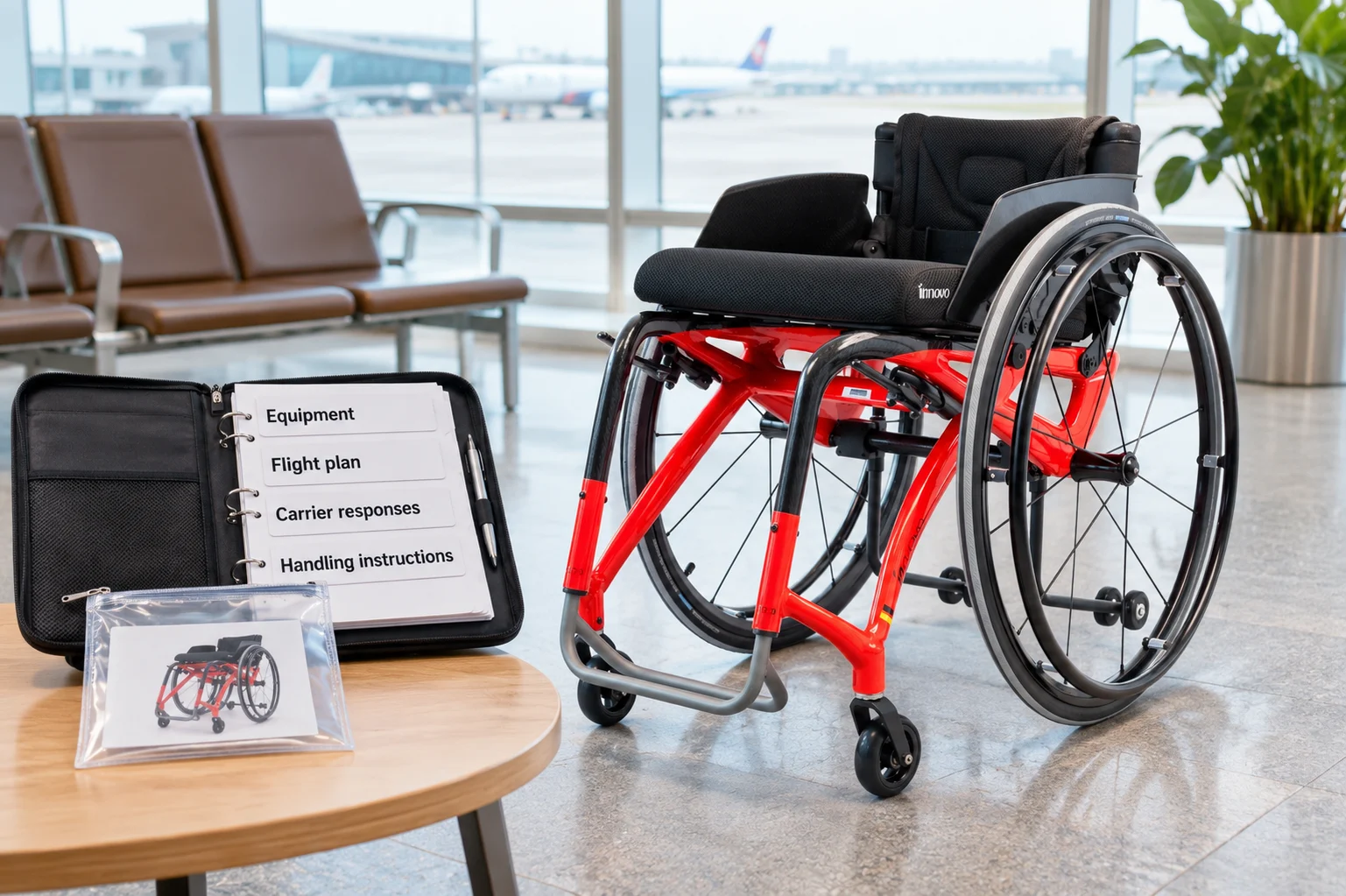
Organize flight details, chair measurements and handling contacts in one file before manual wheelchair air travel. Organize the 5903 air travel record around the equipment, flight plan, carrier responses and handling instructions. Keep a current copy with the traveler and the team providing help.
Use one current equipment record
A stale weight or old setup can restart the airline questions. Include the exact size in the named state and separate parts inventory. Review the return arrangement as well as the outbound plan, and keep unresolved requests clearly assigned.
- Equipment file
- Travel file
- Open items
| Review point | What to confirm |
|---|---|
| Equipment file | Current dimensions mass and parts |
| Travel file | Actual flights and assistance requests |
| Open items | Carrier or supplier responses still needed |
Key Takeaway: You can make the preparation record usable through the complete trip rather than only the first departure.
How can you request useful air travel product information?
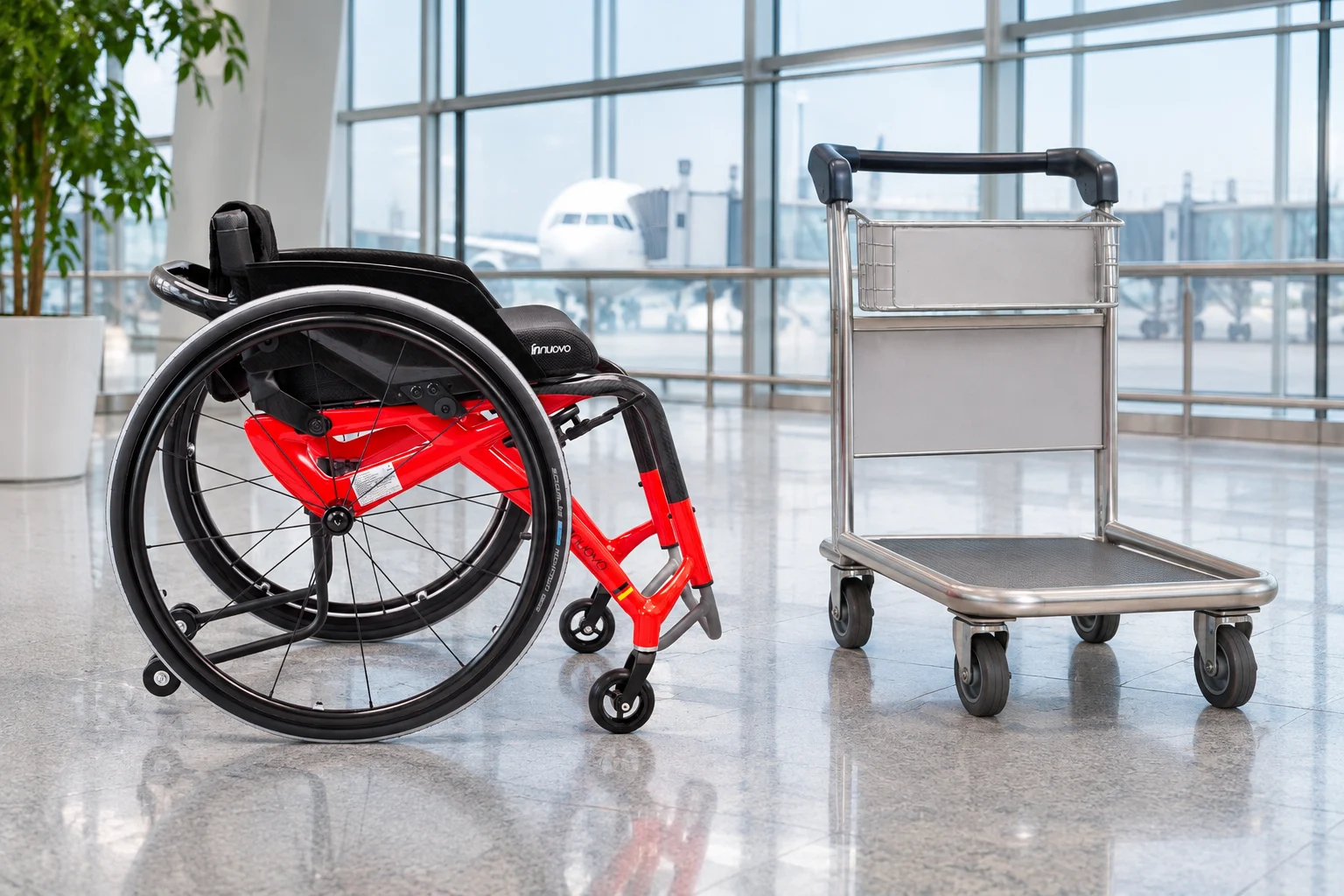
Request accurate product and handling information from the supplier when preparing for manual wheelchair air travel. Request 5903 air travel product information by naming the actual setup and the documents the airline needs. Ask for current dimensions, weight definitions and handling guidance that match the supplied manual chair.
Send the airline's information request
The supplier can respond to the specific product questions. Give AryMD the model details and relevant document requirements. We can discuss the product records available for your review; the operating airline determines the matching carriage arrangement.
- Supplier request
- Airline review
- Preparation record
| Review point | What to confirm |
|---|---|
| Supplier request | Exact product data and guide |
| Airline review | Actual aircraft and handling conditions |
| Preparation record | Current responses and unresolved questions |
Key Takeaway: You can separate product documents from the carrier's travel process while keeping both in the same plan. Contact us with your 5903 setup, quantity and destination so we can discuss the product information and written supply scope. AryMD puts clear specifications before purchasing promises.
Frequently asked questions
Q1: Can I assume the manual 5903 has a wheelchair battery?
No. The supplied base setup has no drive battery; any proposed powered attachment needs a separate compatibility and carrier review.
Q2: What's the best information to send the airline?
Send the actual dimensions, weight, compact state and matching handling instructions. Include the relevant flights and separate part inventory.
Q3: How do I know if the chair can be stored in the cabin?
Confirm the actual compact dimensions and aircraft conditions with the operating airline. A fold-down backrest alone does not establish cabin fit.
Q4: Does a response for one flight cover every connection?
Not automatically. Check the actual operating carriers and update the review when aircraft, itinerary or equipment changes.
Q5: Should I record the chair's condition when it is returned?
Yes. Check the identified equipment and report any concern promptly through the carrier's process without guessing the cause or claim outcome.