
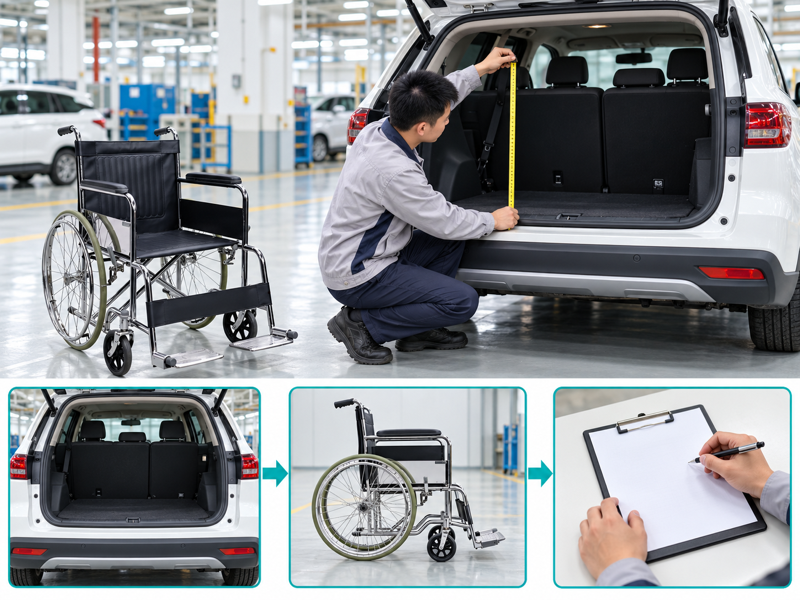
Assess manual wheelchair transport fit by first deciding whether the chair travels empty or with someone seated in it. A Spanish buyer may find a folded chair fits the car and assume that settles every travel question. Separate the two tasks, then request the dimensions and transport evidence relevant to the intended arrangement.
What should manual wheelchair transport fit distinguish?
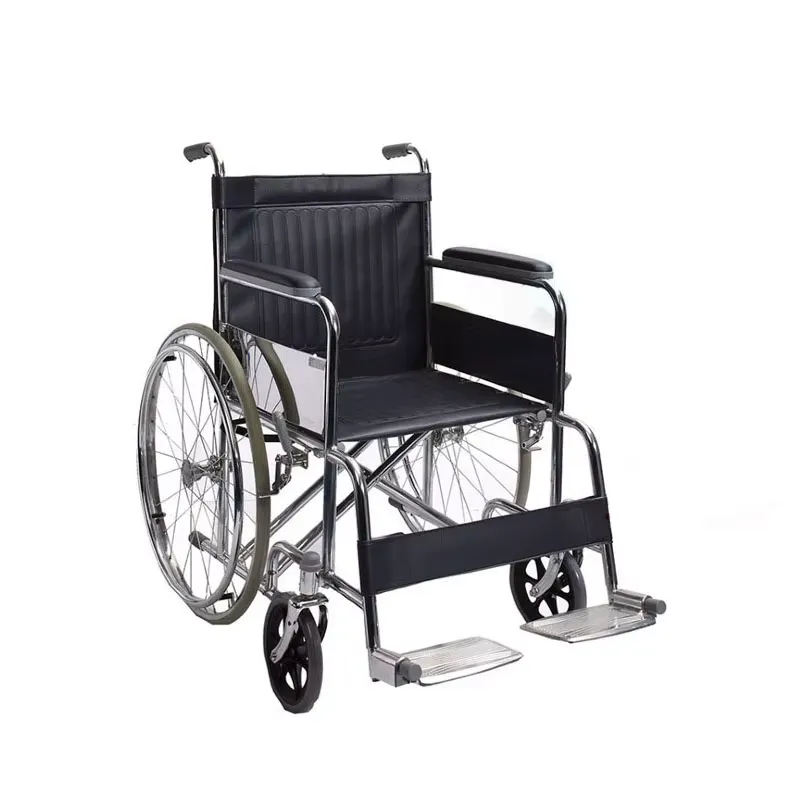
Manual wheelchair transport fit must distinguish carrying an empty chair from carrying a person seated in it. Those tasks need different product and vehicle evidence.
Define the transport purpose
Define the transport task first. State which task your buyer intends before comparing sizes. A chair that folds into a boot has not thereby been approved for occupied vehicle travel.
- Intended task
- Chair version
- Vehicle type
| Check | Record or reference |
|---|---|
| Intended task | Transport brief |
| Chair version | Model file |
| Vehicle type | Record |
Key Takeaway: The enquiry starts with the right transport question.
Which dimensions matter for an empty chair?
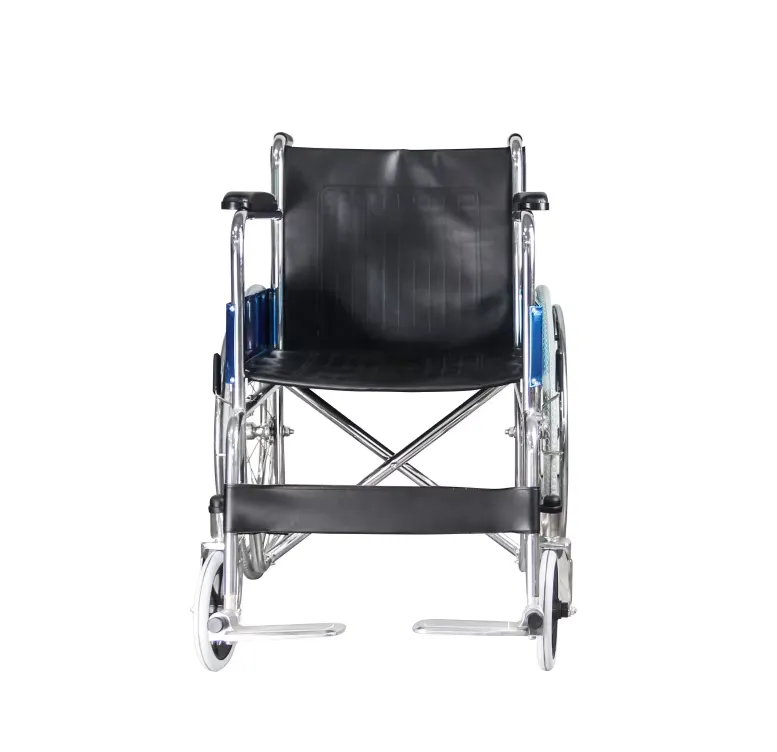
For manual wheelchair transport fit, use the full folded or dismantled outline allowed by the maker. Handles, wheels and foot supports may extend beyond the main folded frame.
Measure the approved packed state
Measure the approved packed outline. Ask which parts may be removed and how they must be stored. Keep every loose item identifiable with the chair.
- Folded outline
- Allowed removal
- Loose components
| Check | Record or reference |
|---|---|
| Folded outline | Drawing |
| Allowed removal | Manual |
| Loose components | Parts list |
Key Takeaway: Your size comparison reflects a supported setup.
How should the vehicle opening be reviewed?
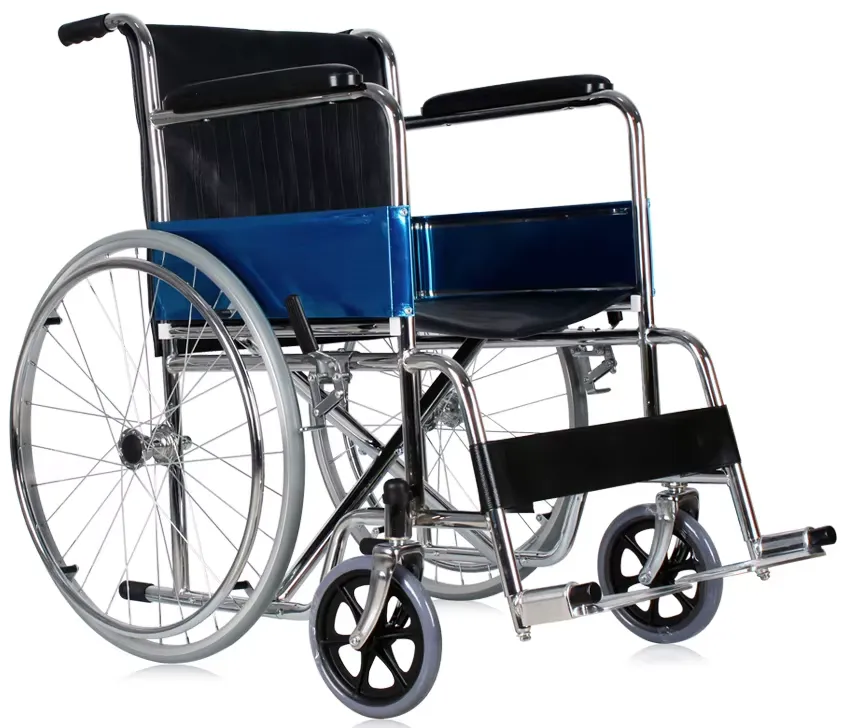
Manual wheelchair transport fit needs both the usable opening and the storage space beyond it. A chair may fit on the floor yet conflict with the sill or roofline on the way in.
Review the vehicle opening
Check entry and final storage. Record seats, covers and other fittings in their intended positions. Use a measured sketch rather than the vehicle's luggage-volume figure alone.
- Entry opening
- Interior outline
- Vehicle fittings
| Check | Record or reference |
|---|---|
| Entry opening | Measurement |
| Interior outline | Sketch |
| Vehicle fittings | Photos |
Key Takeaway: The route into storage is part of the fit review.
What should handling planning include?
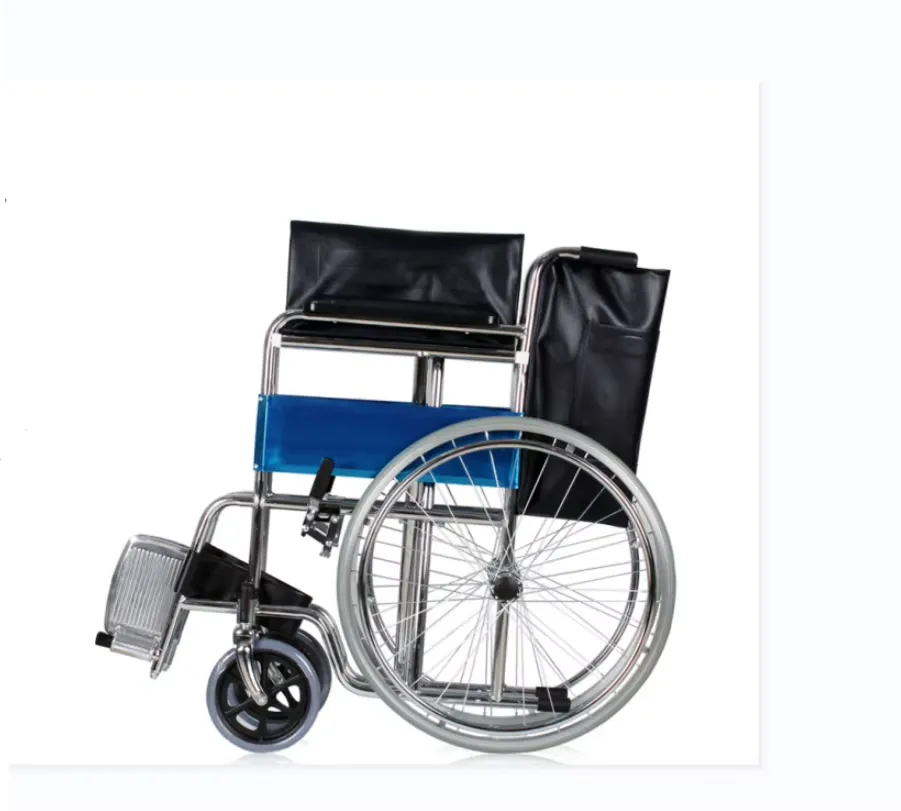
For manual wheelchair transport fit, consider who handles the empty chair, its verified weight and the maker's handling points. A frame that is compact may still be difficult for a particular helper to move.
Plan the handling task
Identify the person and the approved grips. Seek suitable handling advice where the task is uncertain. Do not treat armrests or detachable parts as lifting points unless the guide permits it. Identify the specified footrests when describing the handling configuration.
- Chair weight
- Handling points
- Handler needs
| Check | Record or reference |
|---|---|
| Chair weight | Specification |
| Handling points | Manual |
| Handler needs | Review |
Key Takeaway: A storage match includes a workable handling method.
How should removable parts be controlled?
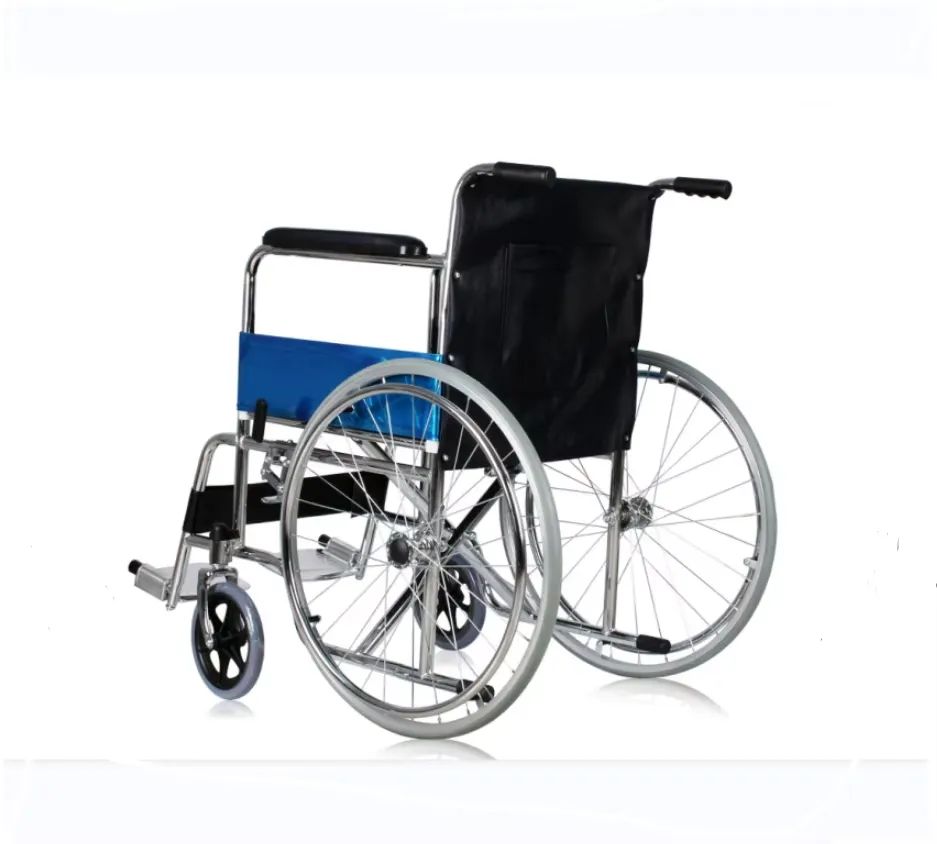
Manual wheelchair transport fit should include a record of any wheels, foot supports or other parts removed for travel. Missing or mixed components can make reassembly difficult at the destination.
Control removable components
Keep the return setup clear. Follow the model instructions and keep approved part identity visible. Use trained support where reassembly or a connection is unclear. Keep the wheel references with any permitted removable-part list.
- Removed parts
- Part identity
- Reassembly method
| Check | Record or reference |
|---|---|
| Removed parts | Checklist |
| Part identity | Code |
| Reassembly method | Guide |
Key Takeaway: The chair can be returned to its intended setup with the right parts.
What is needed for occupied vehicle travel?
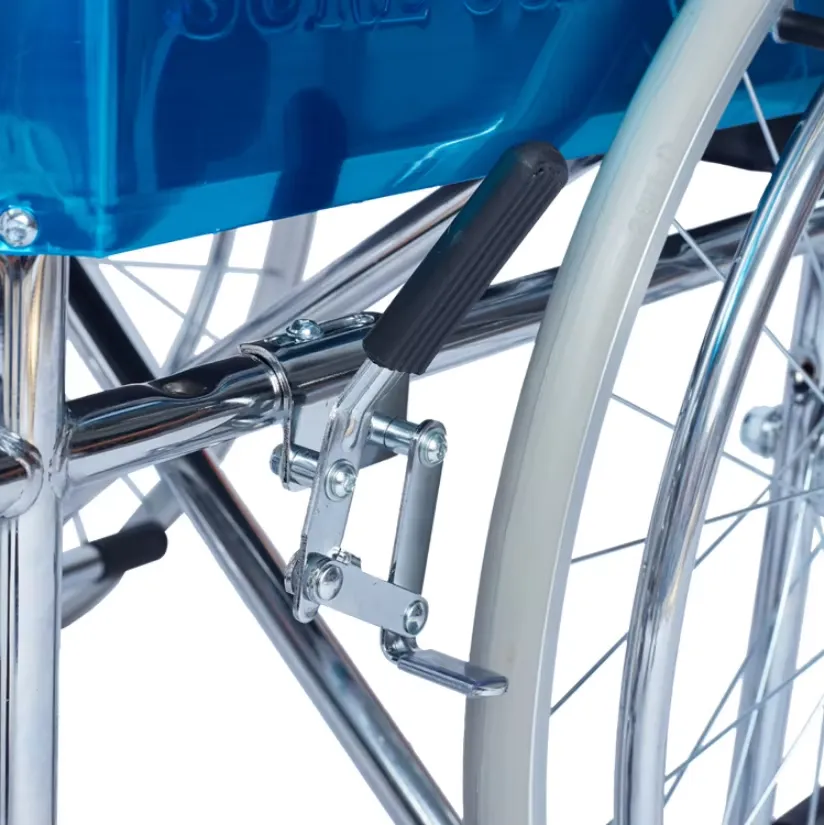
For manual wheelchair transport fit, occupied travel needs suitable chair, restraint and vehicle details for the exact arrangement. A positioning belt or familiar wheelchair shape is not proof of transport approval.
Request occupied-travel evidence
Ask for the applicable transport evidence. Refer the proposed arrangement to a qualified transport specialist. Request the relevant maker instructions and evidence without inferring approval from a general test label.
- Chair transport status
- Restraint system
- Vehicle arrangement
| Check | Record or reference |
|---|---|
| Chair transport status | Maker evidence |
| Restraint system | Instructions |
| Vehicle arrangement | Specialist review |
Key Takeaway: You can identify the evidence that a seated-travel decision requires.
How should the empty chair be secured?
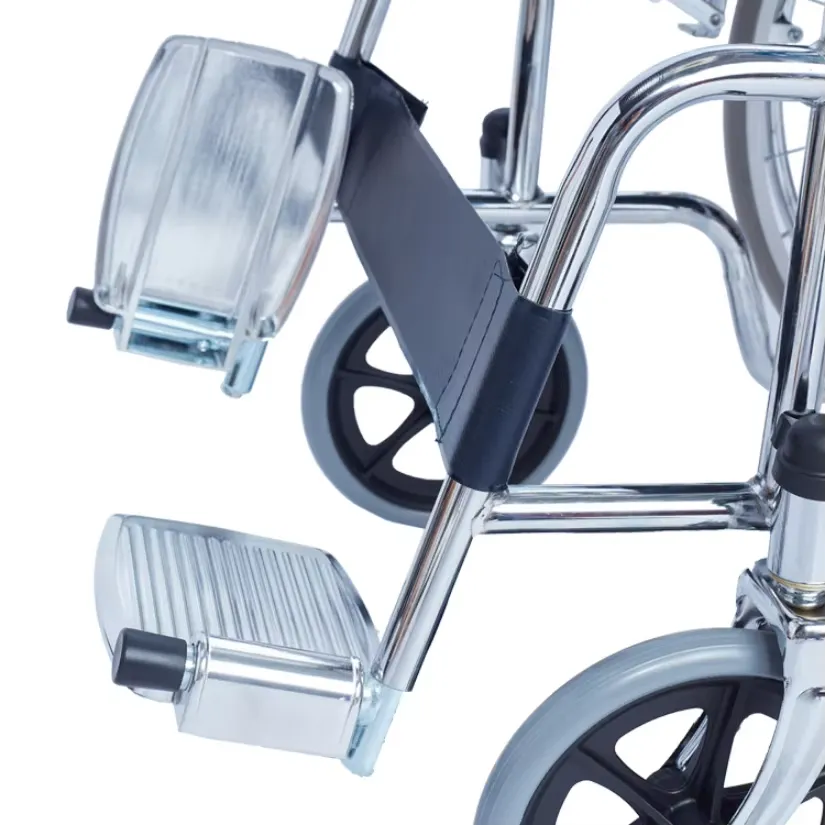
Manual wheelchair transport fit should include a suitable way to retain an empty chair and its loose parts during travel. An item that fits but moves freely in the cargo area is not fully planned.
Plan luggage retention
Review luggage retention separately. Use the relevant vehicle and product guidance. Ask an suitable specialist to review uncertain retention arrangements.
- Chair guidance
- Vehicle guidance
- Loose parts
| Check | Record or reference |
|---|---|
| Chair guidance | Manual |
| Vehicle guidance | Owner details |
| Loose parts | Storage plan |
Key Takeaway: The storage plan accounts for the chair after the vehicle moves.
What can a sample fit check establish?
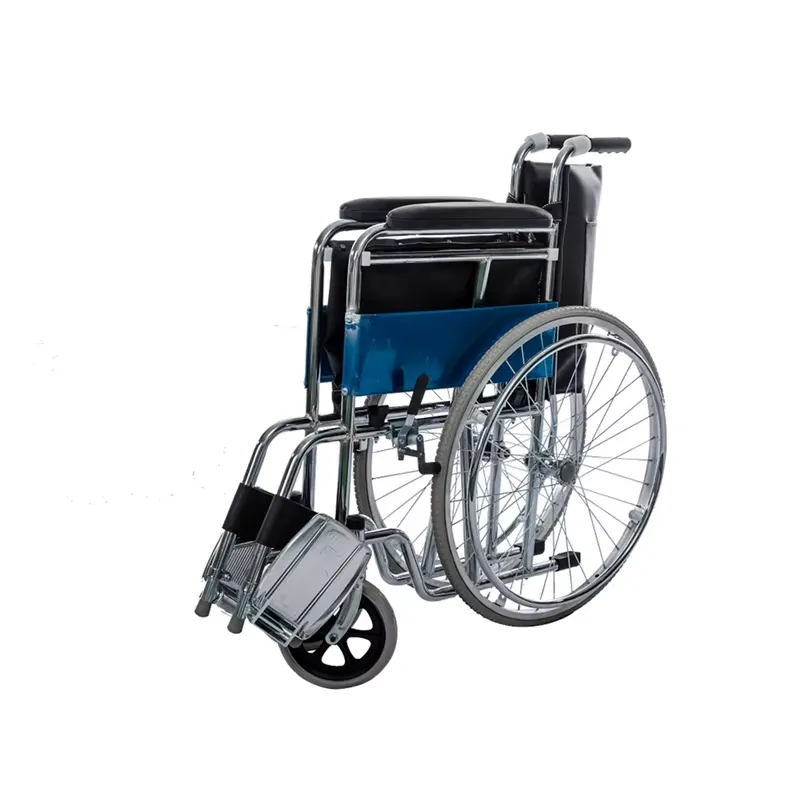
A sample check of manual wheelchair transport fit can establish an empty-chair fit within the reviewed model and vehicle setup. It does not prove occupied transport suitability or fit in every similar car.
Keep a specific sample result
Record the actual setup. Record the chair version, removed parts and vehicle positions. Stop when the task requires force or an unsupported modification. Agree the sample scope through the supplier purchase brief.
- Sample ID
- Travel setup
- Observed limits
| Check | Record or reference |
|---|---|
| Sample ID | Record |
| Travel setup | Photos |
| Observed limits | Review note |
Key Takeaway: You retain a result with a clear scope.
When should transport fit be checked again?
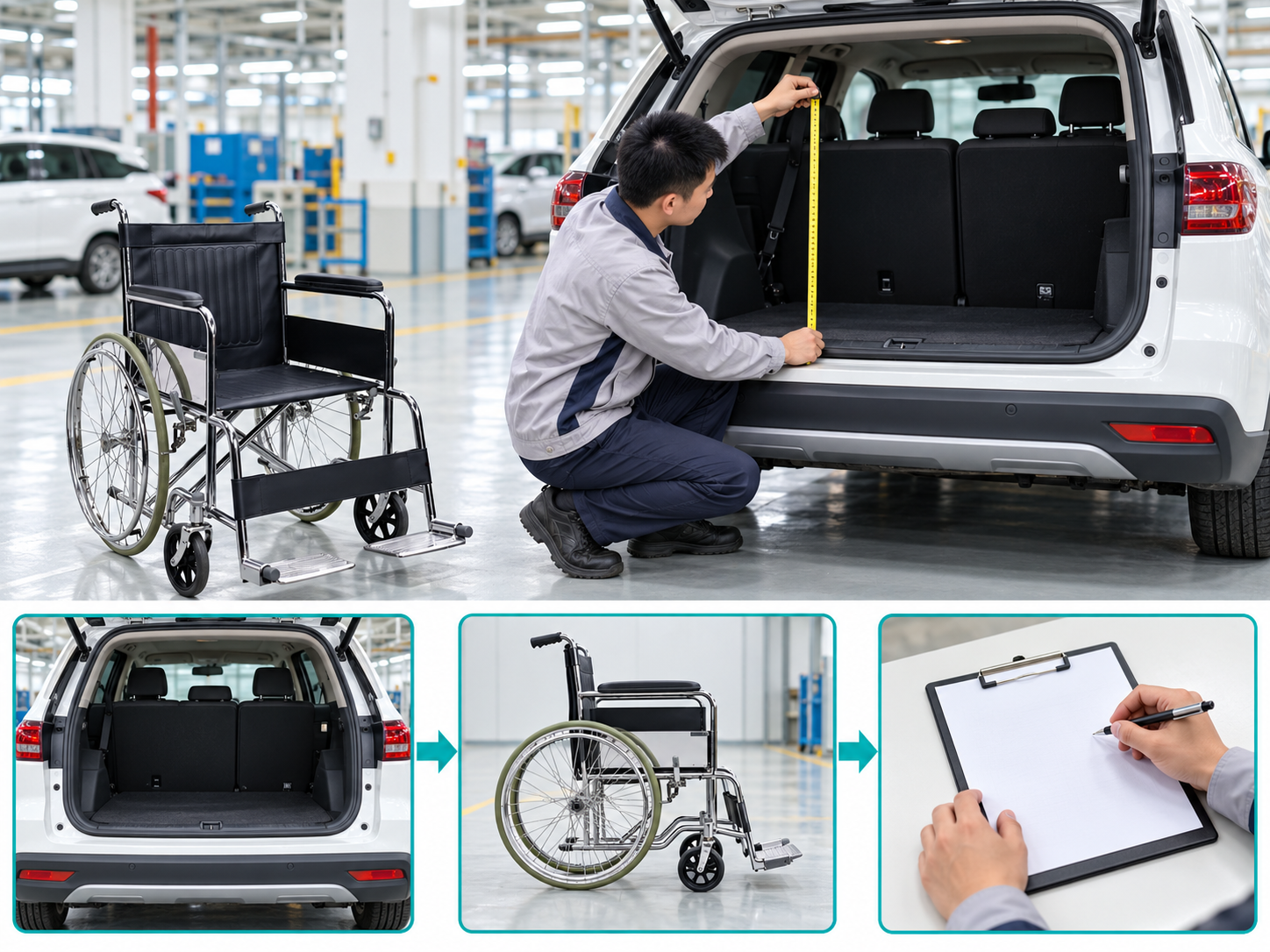
Recheck manual wheelchair transport fit when the chair, cushion, accessories or vehicle setup changes. A new support or wheel may alter the outline or the relevant transport evidence.
Recheck changed arrangements
Review changes that affect the arrangement. Keep the original setup record. Refer changes affecting occupied travel to the responsible transport specialist. The NHS walking-aid and wheelchair guidance provides general selection context.
- Equipment change
- Vehicle change
- Evidence review
| Check | Record or reference |
|---|---|
| Equipment change | Service record |
| Vehicle change | Layout |
| Evidence review | Specialist decision |
Key Takeaway: A replacement component does not silently invalidate the transport plan.
What belongs in a transport enquiry?
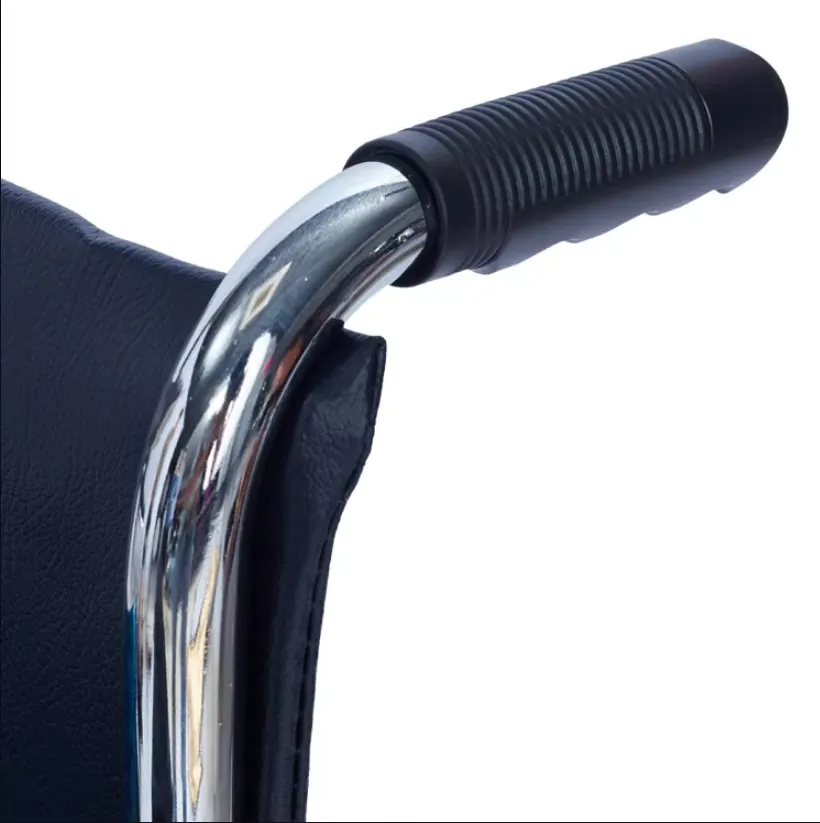
A manual wheelchair transport fit enquiry should state whether the chair is empty or occupied, identify the vehicle and list the unresolved constraints. That allows the supplier to provide relevant product facts.
What should you do next?
Send the purpose and the dimensions together. Request current drawings, permitted packing details and any applicable transport documents. Use those facts with the suitable handling or transport review.
- Travel purpose
- Vehicle constraints
- Required evidence
| Check | Record or reference |
|---|---|
| Travel purpose | Enquiry |
| Vehicle constraints | Measured brief |
| Required evidence | Document request |
Key Takeaway: The supplier can answer the transport question you actually need resolved. To discuss the model and documents for your order, contact us with your requirements. At AryMD, useful product facts should support every care-equipment purchase.
Frequently asked questions
Q1: Can boot fit prove that occupied travel is approved?
No. Empty-chair storage and seated vehicle travel require different evidence and review.
Q2: What’s the best size details for car storage?
Request the complete permitted folded outline and any allowed removable parts, then compare the actual vehicle opening.
Q3: How do I know which parts may be removed?
Use the exact model instructions and retain the correct parts for reassembly. Do not infer permission from appearance.
Q4: Can a positioning belt serve as a vehicle restraint?
Do not assume so. A qualified transport review must use the applicable chair, restraint and vehicle details.
Q5: Should a new cushion or accessory prompt a transport review?
Review changes that affect the arrangement. Both dimensions and relevant transport evidence may need checking.