
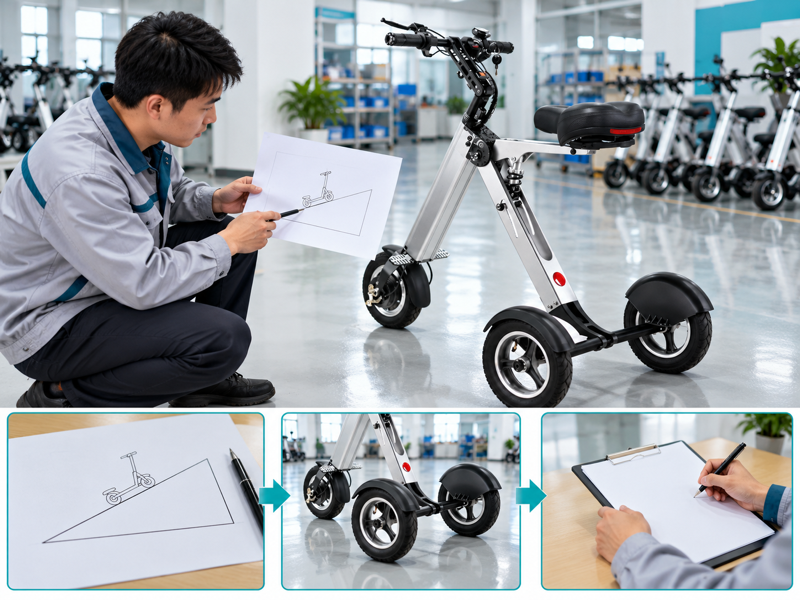
Interpret a mobility scooter hill rating through its units, test scope and the exact model's use limits. An Italian buyer may compare two slope figures that describe different conditions. Asking for the evidence behind each figure makes the purchase comparison more useful than choosing the larger number.
What should a mobility scooter hill rating mean?
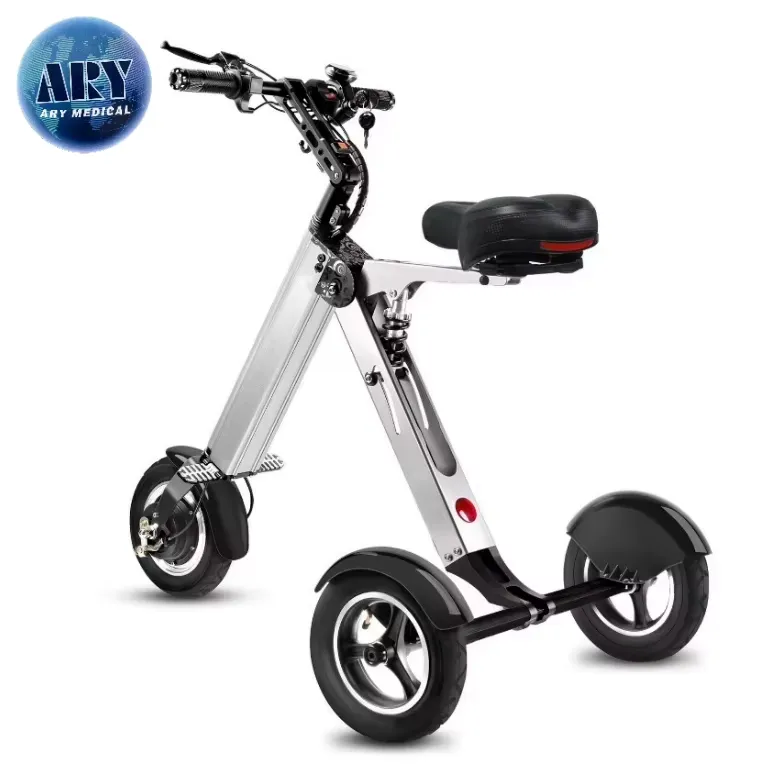
Read a mobility scooter hill rating with the exact model, evidence and use limits. One slope figure cannot promise the same result for every person and route.
Define the rating's scope
Ask what the stated rating covers. Request the maker's current guidance before comparing products. Keep unclear conditions out of a sales claim until the supplier resolves them.
- Model
- Rating source
- Use conditions
| Check | Record or reference |
|---|---|
| Model | Product ID |
| Rating source | Evidence |
| Use conditions | Manual |
Key Takeaway: You can interpret the figure within its actual scope.
Which conditions should accompany a rating?
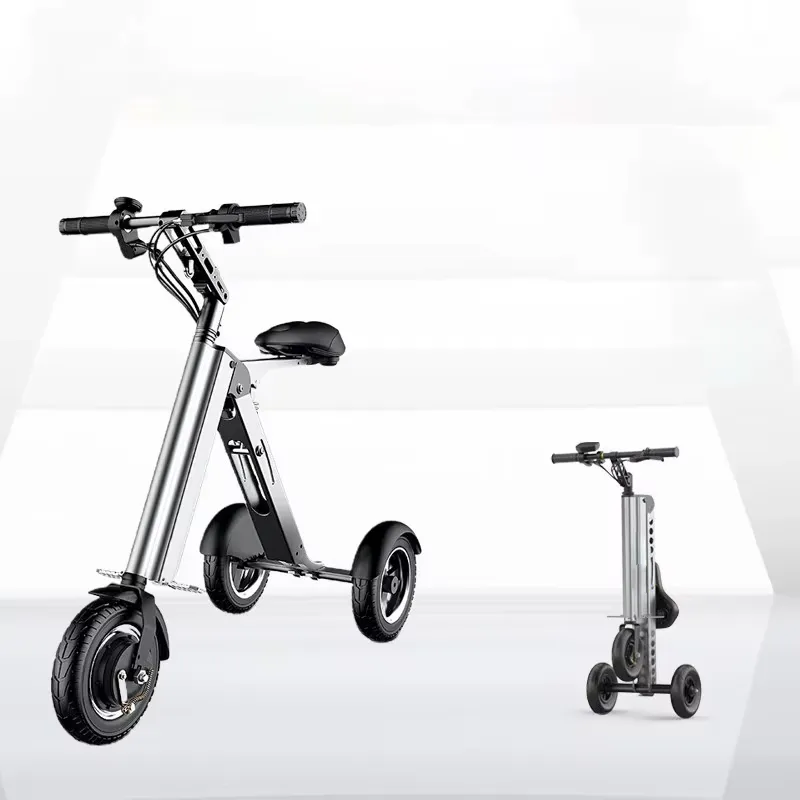
For a mobility scooter hill rating, ask which load, surface, direction and setup the evidence covers. Two numbers are hard to compare when those facts are missing.
Identify the supporting conditions
Identify the relevant setup and method. Have a suitable technical reviewer assess the supplied evidence. Do not invent a standard test method from a catalog phrase. Keep evidence for a four-wheel scooter model separate from another configuration.
- Load and setup
- Surface and direction
- Review limits
| Check | Record or reference |
|---|---|
| Load and setup | Report |
| Surface and direction | Method |
| Review limits | Technical note |
Key Takeaway: Two ratings can be compared only with enough context.
How should units be checked?
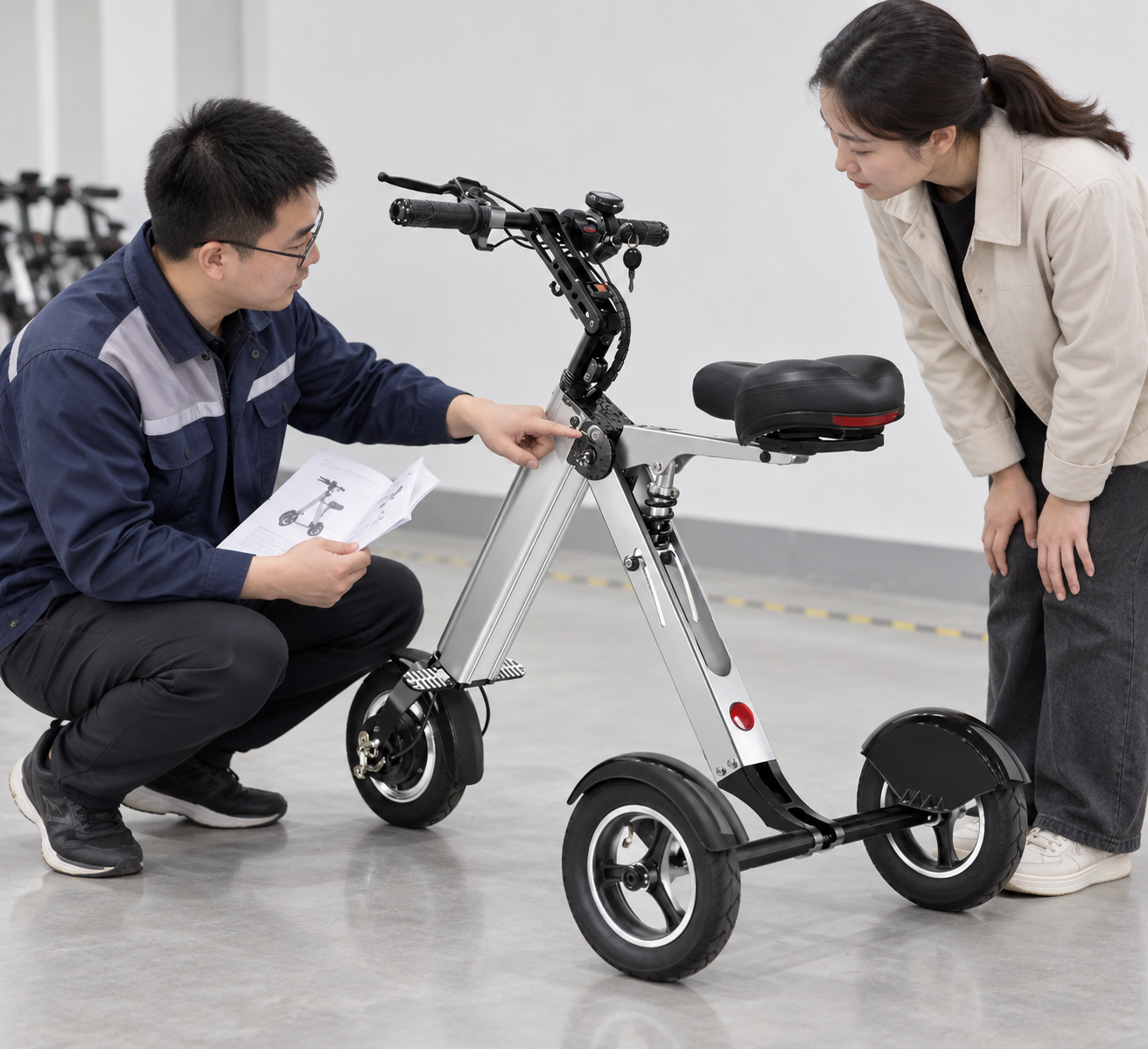
A mobility scooter hill rating may be expressed using different slope descriptions, so confirm the stated units and meaning. Similar-looking numbers in different units cannot be compared directly.
Check units and conversions
Keep degrees and gradients distinct. Ask the supplier to explain the original figure and any conversion used. Retain the source rather than copying an unverified calculation into a product page.
- Original unit
- Meaning
- Conversion
| Check | Record or reference |
|---|---|
| Original unit | Specification |
| Meaning | Supplier response |
| Conversion | Checked record |
Key Takeaway: The comparison avoids a basic unit mismatch.
Why does route shape matter?

For a mobility scooter hill rating, review turns, cross-slopes and surface changes along the route. A claim for a straight slope does not settle each of those questions.
Review the full route
Review more than the steepest point. Provide a measured route brief to the suitable assessor. Ask the maker which conditions fall within the model's guidance.
- Route profile
- Cross-slope
- Model limits
| Check | Record or reference |
|---|---|
| Route profile | Site brief |
| Cross-slope | Observation |
| Model limits | Guide |
Key Takeaway: The route decision is broader than one headline number.
How should load be considered?
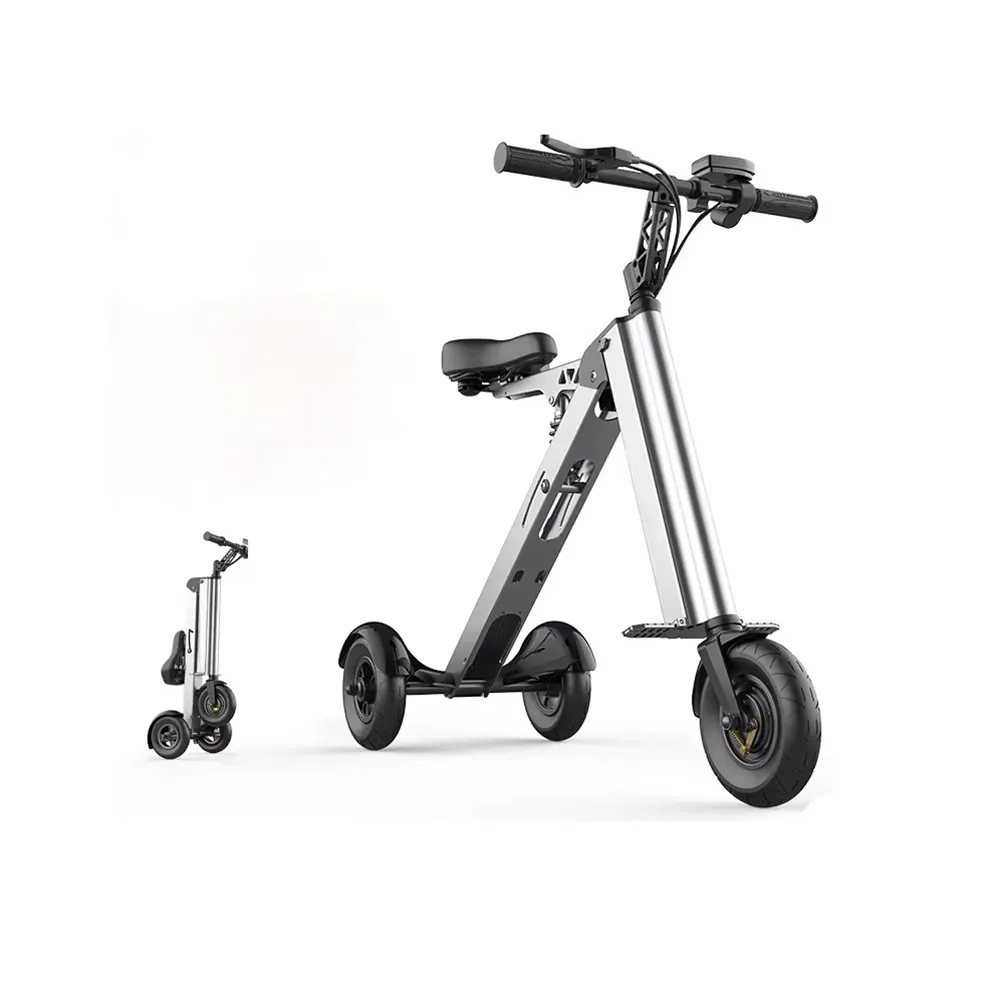
A mobility scooter hill rating needs review with the load conditions stated for the product and evidence. Passenger weight alone may not describe every item carried on the scooter.
Describe the complete load
Use the maker's complete load guidance. Identify the intended setup and accessories. Ask qualified reviewers to resolve uncertainty rather than assuming a lower load guarantees every slope is suitable.
- Load definition
- Accessories
- Open question
| Check | Record or reference |
|---|---|
| Load definition | Guide |
| Accessories | Setup |
| Open question | Review note |
Key Takeaway: The purchase brief can describe the load being considered.
Can a dealer test a rating on a nearby hill?
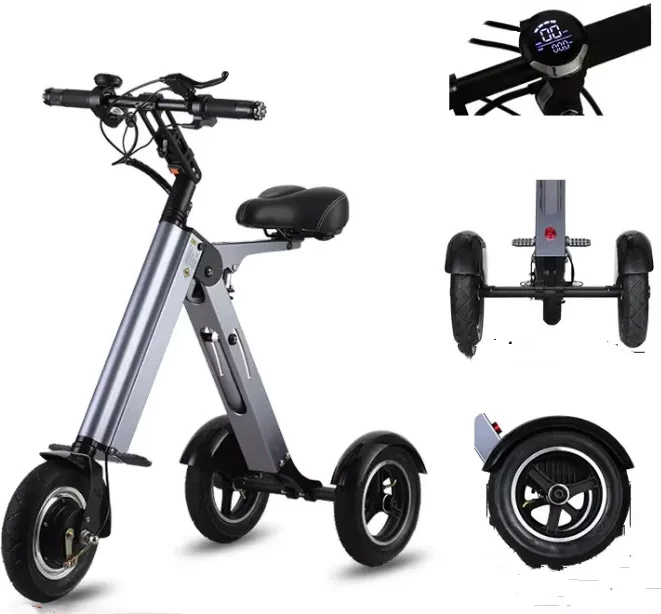
For a mobility scooter hill rating, a dealer should not use an unplanned occupied hill trial to establish performance or a safe limit. Relevant testing needs an suitable method and qualified control.
Avoid improvised hill tests
Avoid an improvised performance trial. Request existing model evidence or agree a suitable formal review. Keep demonstration scope within the maker's instructions and assessed use. Define the scope of any supplier sample review before it begins.
- Evidence request
- Test scope
- Demo limits
| Check | Record or reference |
|---|---|
| Evidence request | Supplier enquiry |
| Test scope | Protocol |
| Demo limits | Guide |
Key Takeaway: A sales demonstration does not become unsupported test evidence.
What should brake and control guidance contribute?
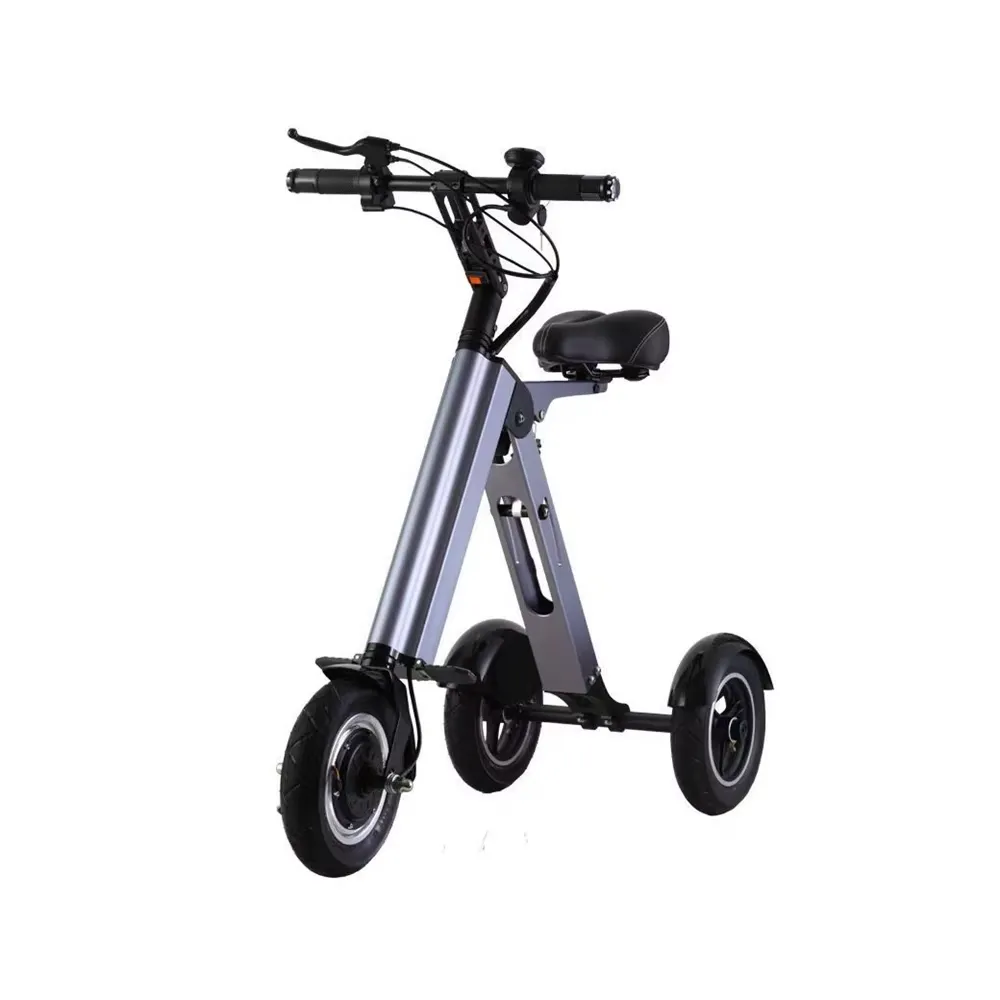
A mobility scooter hill rating should be considered alongside the model's braking, control and recovery guidance. One specification cannot explain every operating situation on a slope.
Read related operating guidance
Read the related operating limits. Ask the maker to clarify the relevant manual sections. Refer personal operation and route suitability to an suitable assessment.
- Brake guidance
- Control limits
- Route suitability
| Check | Record or reference |
|---|---|
| Brake guidance | Manual |
| Control limits | Guide |
| Route suitability | Assessment |
Key Takeaway: The slope question is reviewed with related product details.
How should dealers present slope claims?
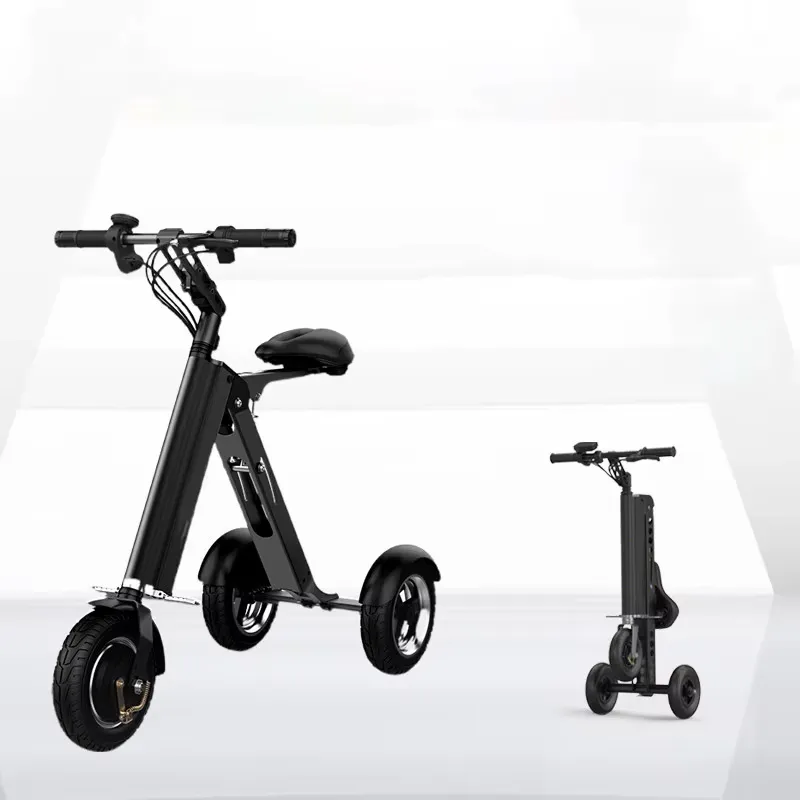
For a mobility scooter hill rating, publish the supported figure with its model and limits. Do not turn a stated maximum into a general recommendation for routine use.
Keep conditions with the claim
Keep the conditions close to the figure. Retain the evidence and approval for the wording. Review the copy when the setup or maker guidance changes. Keep the agreed support terms with the model documentation.
- Published wording
- Evidence scope
- Revision
| Check | Record or reference |
|---|---|
| Published wording | Copy record |
| Evidence scope | File |
| Revision | Change note |
Key Takeaway: Customers can see the basis of the stated capability.
When should the rating be reviewed again?
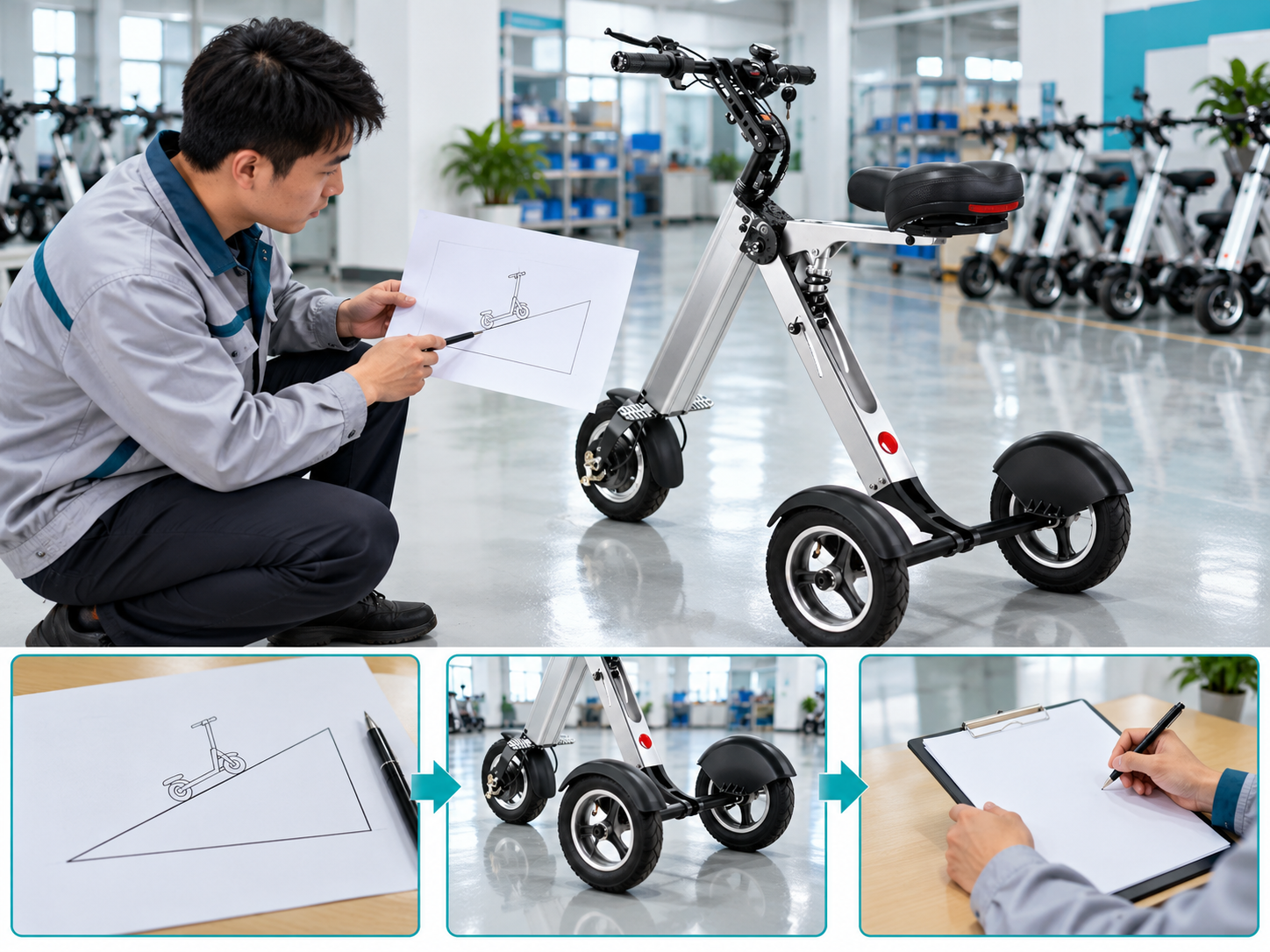
Revisit a mobility scooter hill rating when the model version, wheels, controls or approved guidance changes. An earlier figure should not be carried into a revised listing without review.
Review changed models and evidence
Check changes that affect the evidence. Ask the supplier to identify affected evidence. Keep old and new versions distinguishable in sales and service records. See the WHO assistive product specifications for procurement context.
- Product revision
- Affected evidence
- Listing version
| Check | Record or reference |
|---|---|
| Product revision | Notice |
| Affected evidence | Review |
| Listing version | Record |
Key Takeaway: The claim remains linked to the product being sold.
What belongs in a hill-rating enquiry?
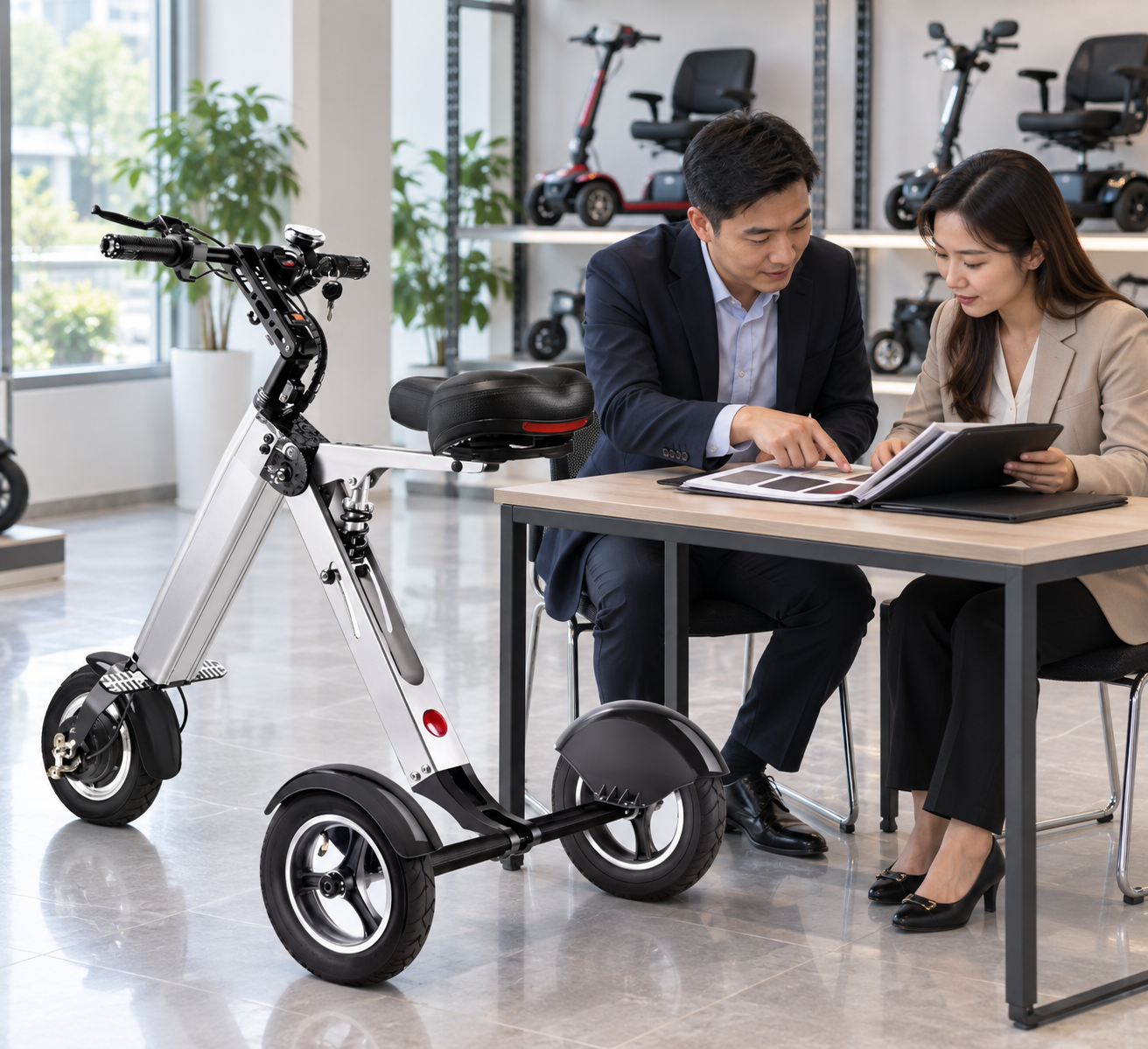
A mobility scooter hill rating enquiry should name the model, route conditions and evidence you need. A qualified assessor should decide personal suitability.
What should you do next?
Send the route question with the model reference. Request the current rating source, units and relevant use limits. Resolve open conditions before making a capability promise.
- Model and route
- Rating evidence
- Open conditions
| Check | Record or reference |
|---|---|
| Model and route | Enquiry |
| Rating evidence | Supplier file |
| Open conditions | Question list |
Key Takeaway: Your comparison can use a supported and clearly defined claim. To discuss the model and documents for your order, contact us with your requirements. At AryMD, useful product facts should support every care-equipment purchase.
Frequently asked questions
Q1: Can the larger hill rating identify the better scooter?
Not by itself. Compare units, conditions, model evidence and the intended route before drawing that conclusion.
Q2: What’s the best universal slope limit for users?
There is no universal limit for every product, route and person. Use the maker's supported guidance and suitable assessment.
Q3: How do I know whether two slope numbers are comparable?
Confirm the original units and the conditions behind each figure. Ask for clarification before converting or comparing them.
Q4: Can a dealer verify a rating with an occupied hill trial?
Do not improvise such a test. Use relevant evidence or a suitably controlled formal review with qualified staff.
Q5: Should a model revision trigger a claim review?
Yes, where it affects the evidence or operating guidance. Keep the published figure tied to the product actually supplied.