
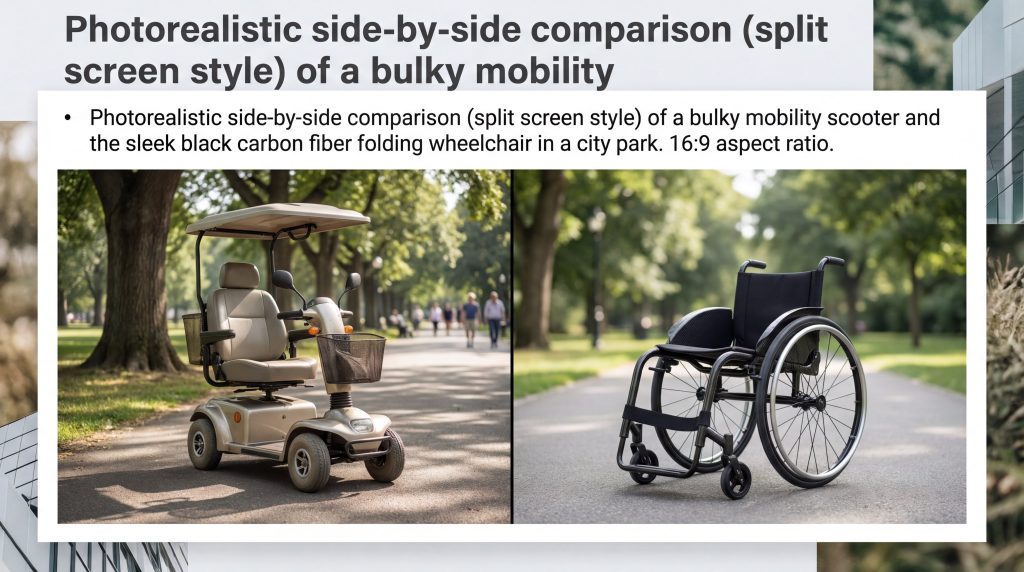
Also, Electric wheelchair scooter access through the NHS starts with the local wheelchair-service pathway, not a universal online approval form. NHS public guidance says people can ask a GP, physiotherapist, occupational therapist, or hospital staff about referral to a local wheelchair service for assessment. Local eligibility, referral, assessment, and equipment routes can differ.
Then, This article uses the NHS walking aids and wheelchair guide, the NHS England wheelchair quality framework, and personal wheelchair budget guidance. It does not guarantee NHS provision, diagnose need, or replace instructions from a local service or clinician.
Is an Electric Wheelchair Scooter the Same as an NHS Wheelchair?
However, No. Electric wheelchairs and mobility scooters serve different needs and can follow different service routes. NHS public guidance says mobility scooters are not generally available through the NHS, while wheelchair services assess wheelchair needs.
For example, Name the equipment correctly. A supplier page should not promise a scooter through a wheelchair pathway.
- Identify wheelchair or scooter.
- Use the local service terminology.
- Keep product marketing outside eligibility decisions.
| Equipment | Starting point |
|---|---|
| Wheelchair | Local wheelchair service assessment |
| Mobility scooter | Check non-NHS routes and local advice |
| Unknown | Ask a suitable professional |
Meanwhile, Key Takeaway: Correct equipment type prevents a misleading pathway.
How Does an NHS Wheelchair Referral Usually Start?
Instead, NHS guidance advises asking a GP, physiotherapist, occupational therapist, or hospital staff about referral to a local wheelchair service. Some areas may allow self-referral, so people should check locally.
As a result, Use the local route. Do not copy another region’s referral form or eligibility criteria.
- Find the local wheelchair service.
- Confirm professional or self-referral options.
- Use current local contact details.
| Referral question | Verification |
|---|---|
| Who can refer? | Local service |
| Is self-referral available? | Local service or ICB |
| Which form? | Current local instructions |
Also, Key Takeaway: Referral routes are local.
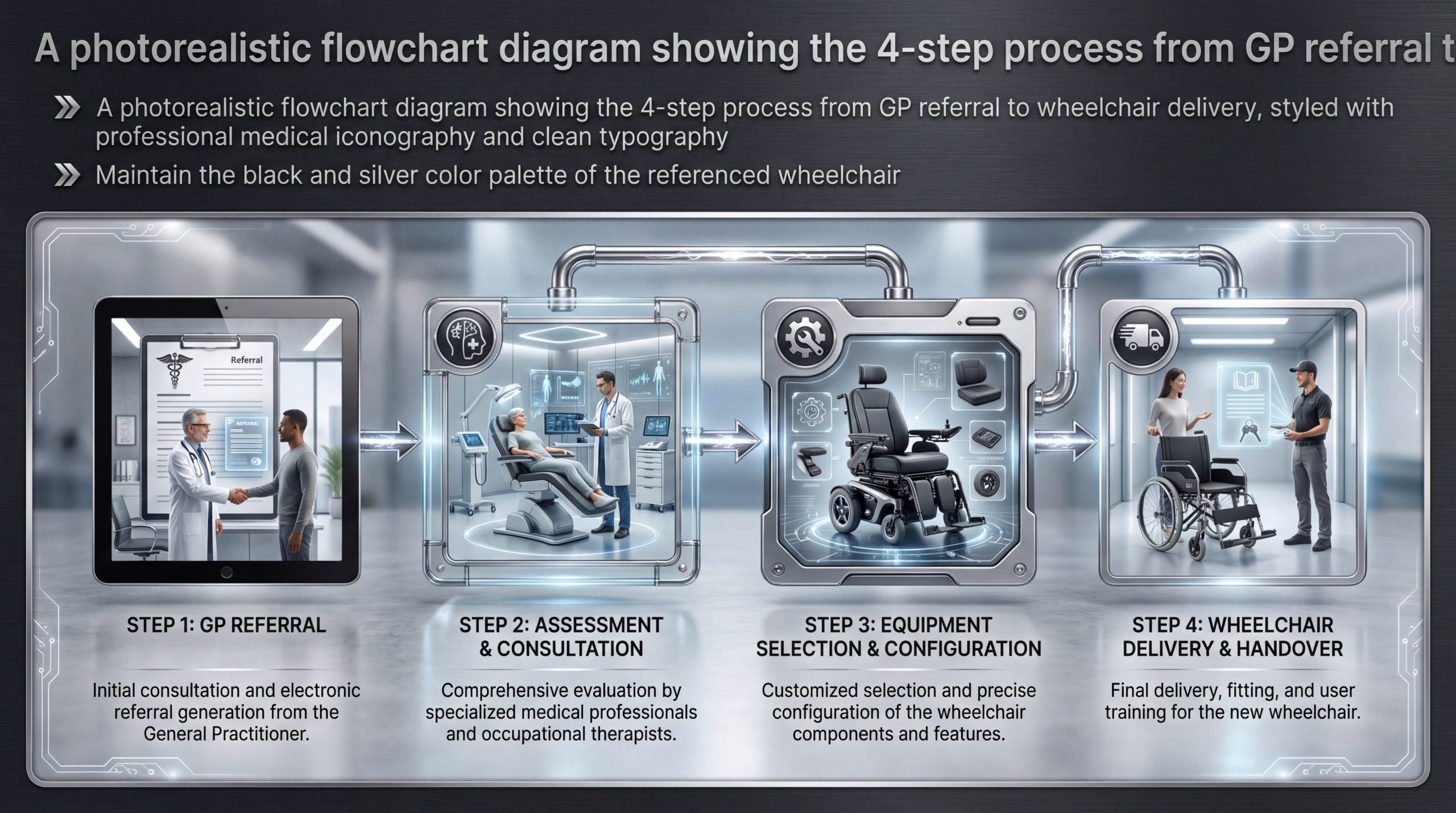
What Happens During Wheelchair Assessment?
Then, Assessment considers mobility and seating needs and helps identify suitable wheelchair equipment. NHS England’s quality framework describes a pathway that includes access, assessment, prescription, delivery, handover, review, repair, and support.
However, Assessment is broader than a product choice. Use an adult wheelchair fit review only as a supplier checklist, not an NHS assessment substitute.
- Describe daily mobility needs.
- Bring relevant current information.
- Discuss seating and posture needs with the service.
| Assessment area | Purpose |
|---|---|
| Mobility | Understands daily movement needs |
| Seating | Reviews support requirements |
| Environment | Connects equipment to use setting |
For example, Key Takeaway: The service assessment guides equipment decisions.
Are NHS Eligibility Criteria the Same Everywhere?
Meanwhile, Local services publish or apply eligibility criteria within commissioned pathways. NHS England promotes transparent information, but individual routes and service details can differ.
Instead, Check the local service. Avoid presenting one trust’s criteria as a national rule.
- Use current local criteria.
- Ask how decisions are communicated.
- Keep review and appeal contacts.
| Item | Source |
|---|---|
| Eligibility criteria | Local wheelchair service |
| Commissioning route | Local ICB |
| Decision process | Local provider information |
As a result, Key Takeaway: Local criteria need local verification.
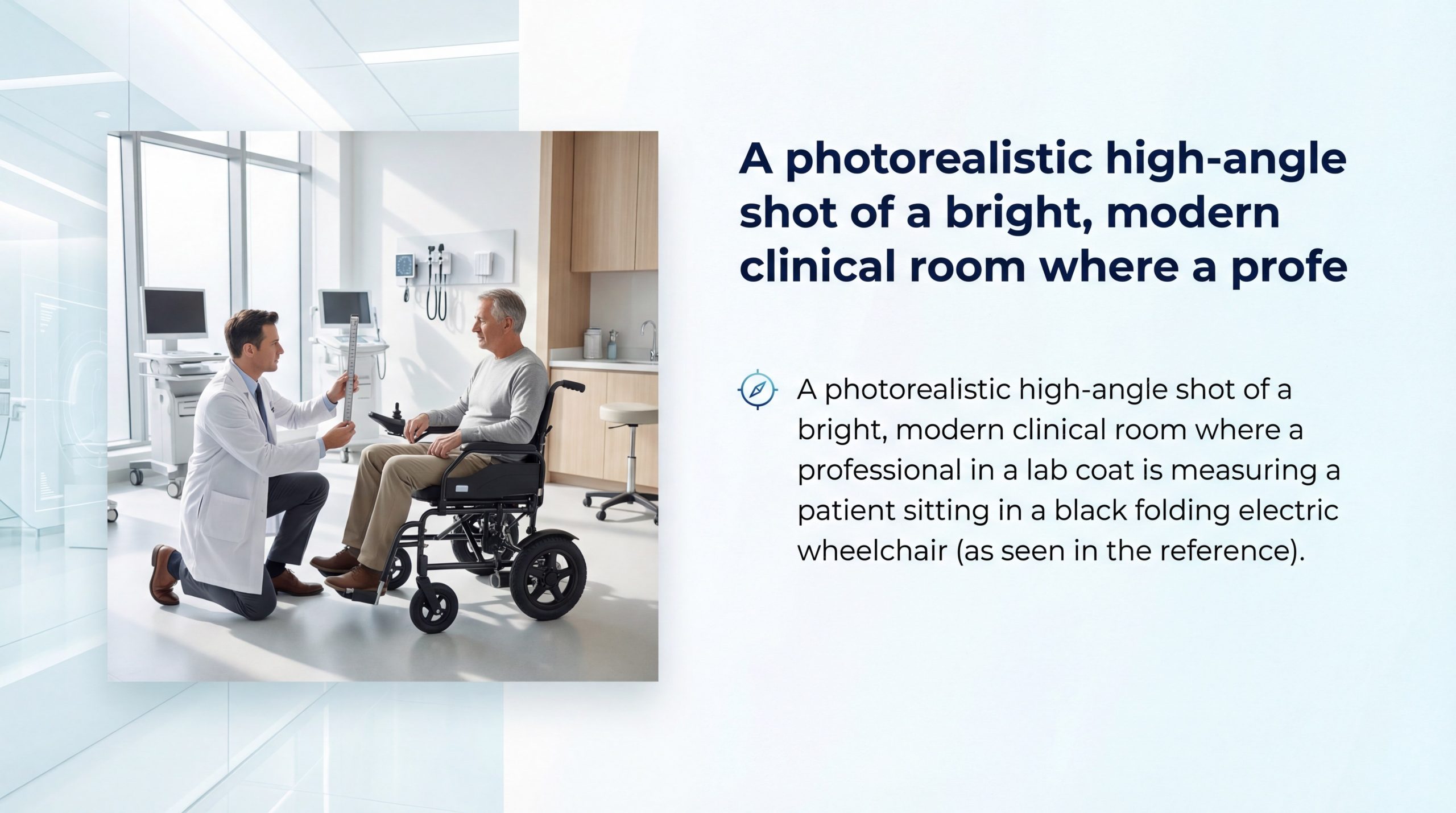
What Is a Personal Wheelchair Budget?
Also, NHS England describes a personal wheelchair budget as a resource that can support choice for eligible people within or outside commissioned services. Availability and application depend on the wheelchair-service pathway and local implementation.
Then, Do not treat it as cash for any product. Discuss options with the wheelchair service and review repair and maintenance responsibilities.
- Confirm eligibility through the service.
- Compare commissioned and alternative options.
- Record repair and maintenance arrangements.
| Budget question | Check |
|---|---|
| Eligibility | Local service |
| Available options | Commissioned pathway |
| Ongoing support | Written responsibility |
However, Key Takeaway: The wheelchair service explains how a budget applies.
How Should Electric Wheelchair Fit Be Documented?
For example, The final equipment decision should connect seating, controls, supports, route space, storage, charging, and handover. Supplier records should match the configuration prescribed or approved through the service.
Meanwhile, Keep the configuration exact. Use the joystick handover and compact route plan for current model questions.
- Record seat and support configuration.
- Confirm control mounting.
- Review home and community routes.
| Product area | Record |
|---|---|
| Seating | Approved supports |
| Controls | Mounting and reach |
| Route | Clearance and storage |
Instead, Key Takeaway: The delivered setup should match the assessed need.
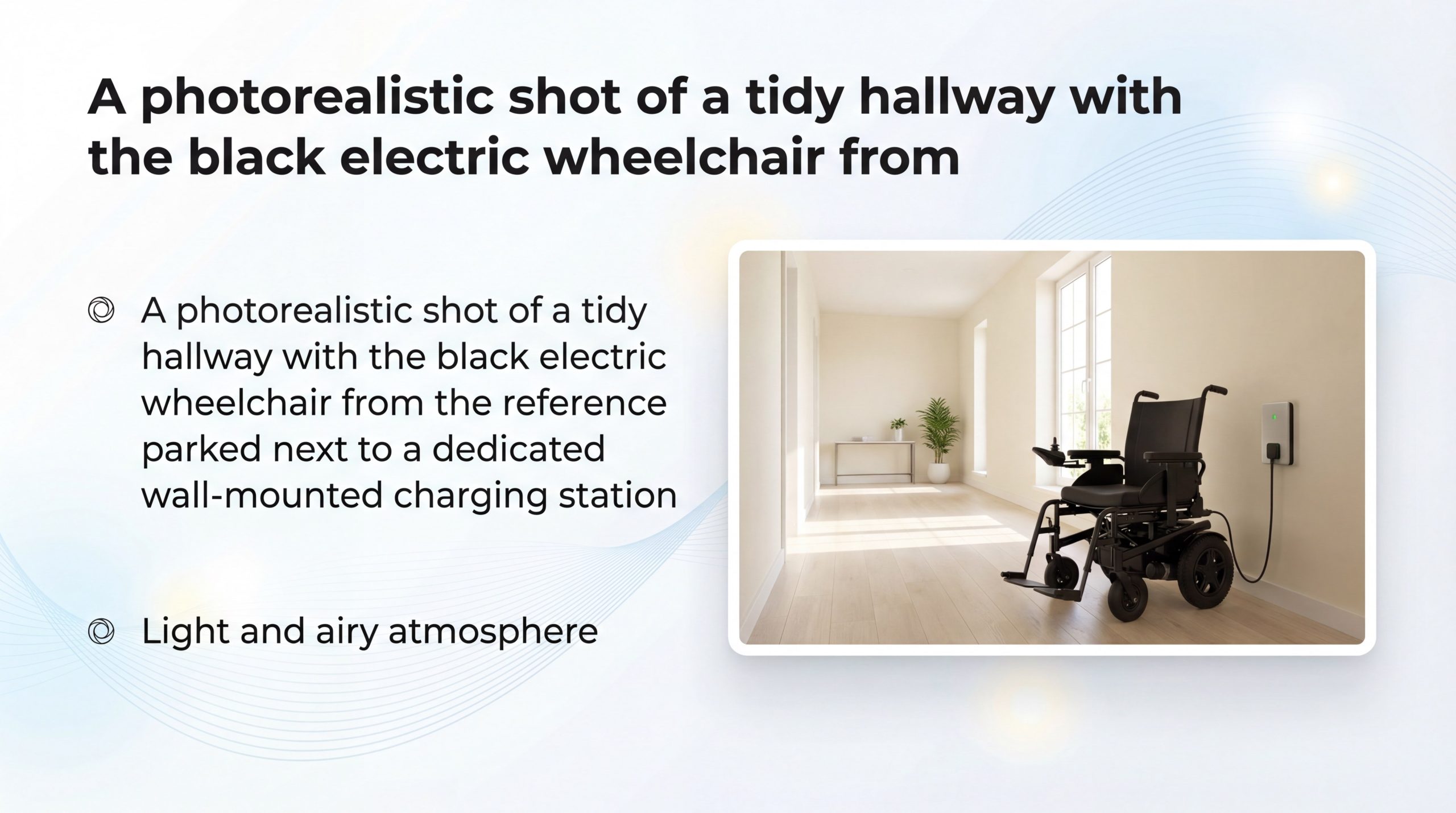
Can Someone Buy a Different Wheelchair Privately?
As a result, People can buy wheelchairs through other routes, but a private purchase should not be described as NHS provision. The NHS guide advises considering use, fit, comfort, repair, and maintenance and asking to try different types.
Also, Separate purchase from service provision. Use the folding wheelchair comparison and travel specification for buyer evidence.
- Clarify who owns and supports the chair.
- Review maintenance and repair access.
- Keep trial and configuration records.
| Route | Key question |
|---|---|
| NHS provision | What does the local service approve? |
| Private purchase | Who supports and repairs it? |
| Budget option | What terms apply locally? |
Then, Key Takeaway: Ownership and support responsibilities must be clear.
What Happens at Delivery and Handover?
However, Handover should confirm the exact chair, controls, supports, charging equipment, instructions, contact route, and follow-up. Staff or users should not accept unexplained substitutions.
For example, Check before use. Use the delivery receiving check and training plan.
- Match model and configuration.
- Review controls and charging.
- Record service contacts.
| Handover item | Pass condition |
|---|---|
| Chair | Matches approved setup |
| Instructions | Current and supplied |
| Support | Clear contact route |
Meanwhile, Key Takeaway: Handover should leave no configuration ambiguity.

How Are Repairs and Reviews Managed?
Instead, NHS England’s quality framework includes repair, review, and support within the wheelchair pathway. Local services should explain repair contacts, review triggers, and what to do if needs or equipment condition change.
As a result, Keep current contact details. A separate fleet record can help organizations track faults without replacing the service process.
- Record repair contacts.
- Report changes promptly.
- Keep service history with the chair.
| Event | Action |
|---|---|
| Fault | Use local repair route |
| Need changes | Request review |
| Configuration change | Update records |
Also, Key Takeaway: Repairs and reassessment follow local service procedures.
What Is the Best NHS Wheelchair-Service File?
Then, Keep local service contacts, referral records, assessment information, decision notices, prescription or approved configuration, budget information, delivery records, handover, repairs, and reviews. Date every item.
However, Finish with one traceable record. For supplier comparisons, keep a separate supplier review and wheelchair series comparison.
- Use current local documents.
- Keep NHS and private routes separate.
- Retain configuration and support records.
| File area | Pass condition |
|---|---|
| Referral | Correct local route |
| Equipment | Approved configuration |
| Support | Clear repair and review contacts |
For example, Key Takeaway: A local, dated file is more reliable than a generic step list.

Can anyone apply directly for an NHS electric wheelchair?
Meanwhile, Referral and self-referral options vary. Check the local wheelchair service or integrated care board.
Are mobility scooters normally supplied by the NHS?
Instead, NHS public guidance says mobility scooters are not generally available through the NHS.
Are eligibility criteria national?
As a result, Wheelchair services operate within local commissioned pathways, so current local criteria matter.
What is a personal wheelchair budget?
Also, It is an NHS England pathway that can support choice for eligible people, subject to service and local arrangements.
Does a supplier decide NHS eligibility?
Then, No. The responsible NHS wheelchair service follows its assessment and decision process.