
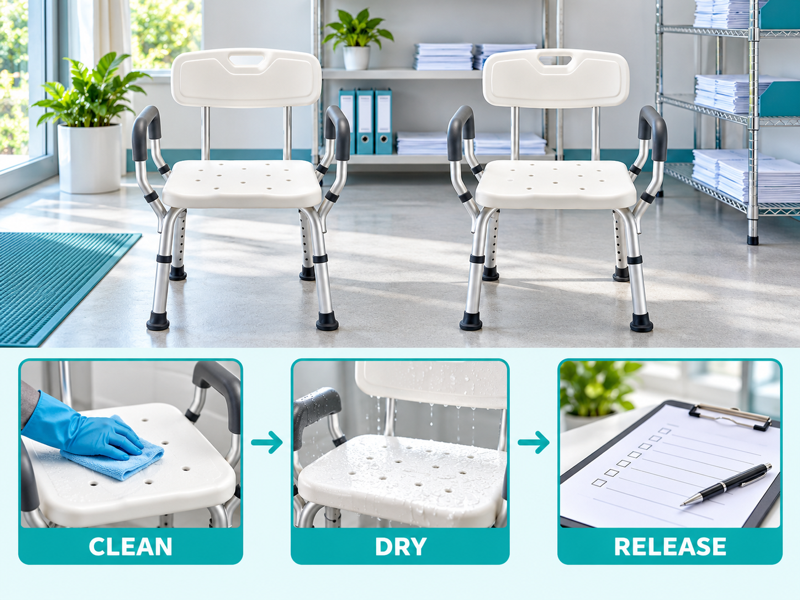
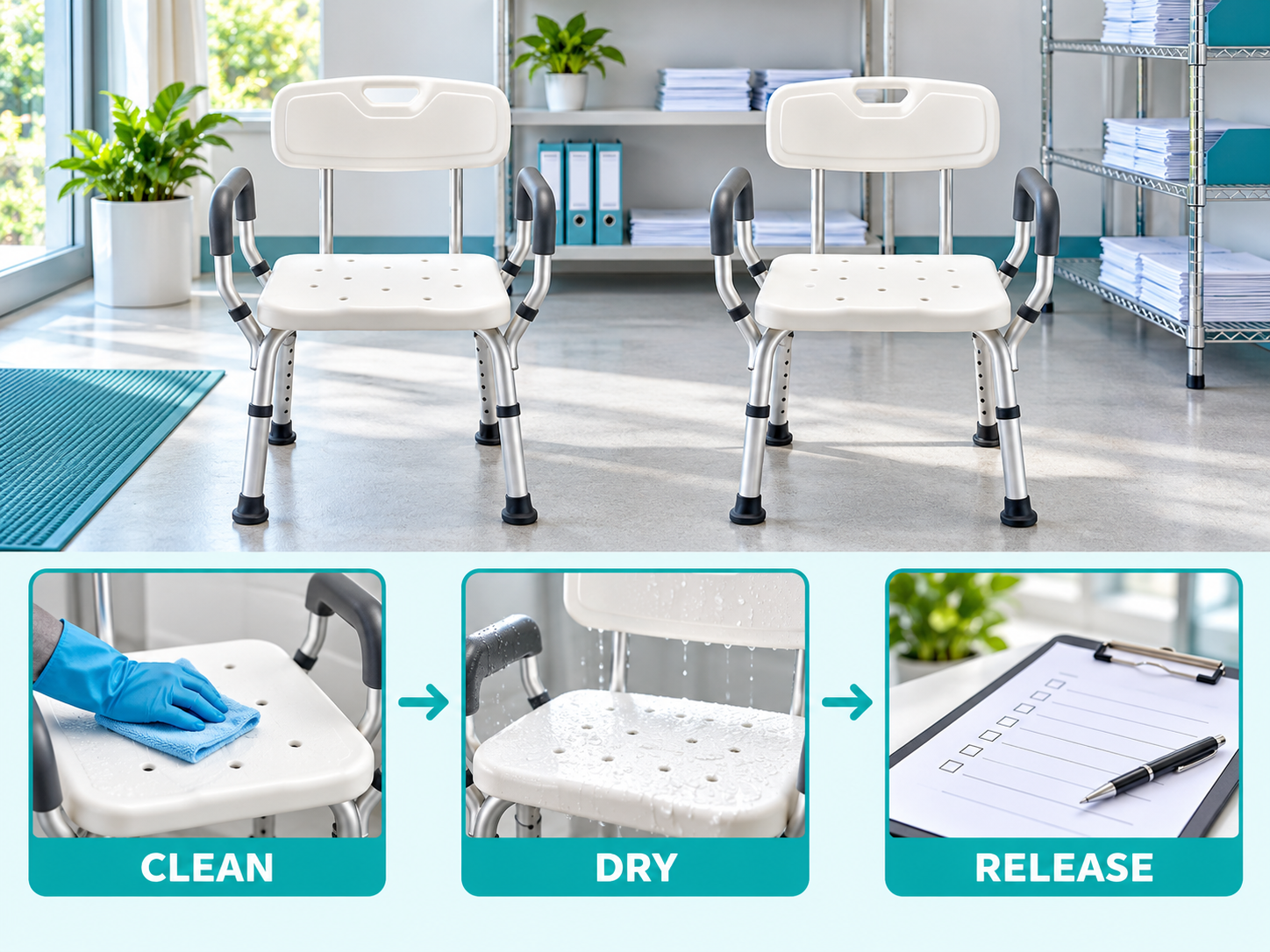
Plan shower chair drying storage as a sequence from approved care through drying to controlled release. A Singapore equipment store may have enough shelf space but no clear place for chairs still waiting to dry. A defined layout and status system help staff keep those chairs separate from ready stock.
What should shower chair drying storage achieve?

Shower chair drying storage should let approved cleaning finish, moisture drain and clean equipment stay separate from returns. A chair placed straight into a closed carton can conceal damp joints and surfaces.
Map the care-to-storage route
Plan the route after cleaning. Map the path from cleaning area to release area using the actual chair dimensions. Follow the product care guide and the facility process when deciding how the chair may be positioned.
- Cleaning complete
- Drying location
- Release step
| Check | Record or reference |
|---|---|
| Cleaning complete | Care record |
| Drying location | Area plan |
| Release step | Staff checklist |
Key Takeaway: You can make storage part of a controlled care routine.
Where should clean chairs wait?
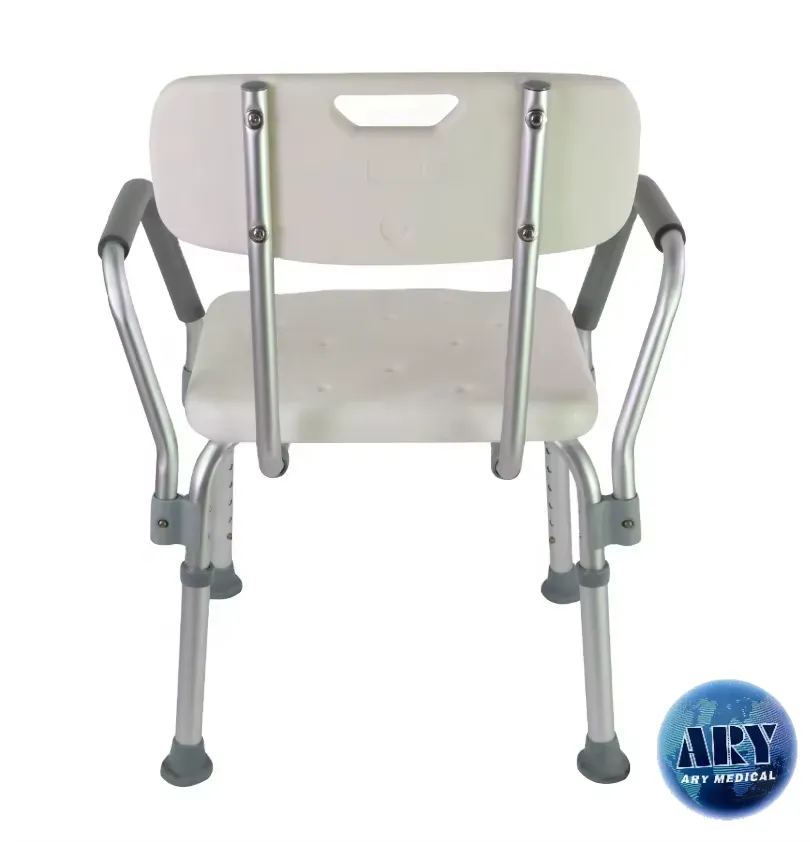
For shower chair drying storage, use a designated clean area with enough room around each chair for the approved drying process. Avoid placing clean feet on a surface used for unprocessed returns.
Separate clean and incoming areas
Give drying space a clear boundary. Mark the area and define who may move chairs through it. Also consider drips from shelving above, since a clean seat can be re-contaminated by items stored higher up. The approved cleaning and disinfection process should define this handover.
- Clean zone
- Shelf condition
- Access
| Check | Record or reference |
|---|---|
| Clean zone | Site plan |
| Shelf condition | Inspection |
| Access | Staff procedure |
Key Takeaway: Your storage layout keeps cleaned chairs away from incoming equipment.
Can chairs be stacked while damp?
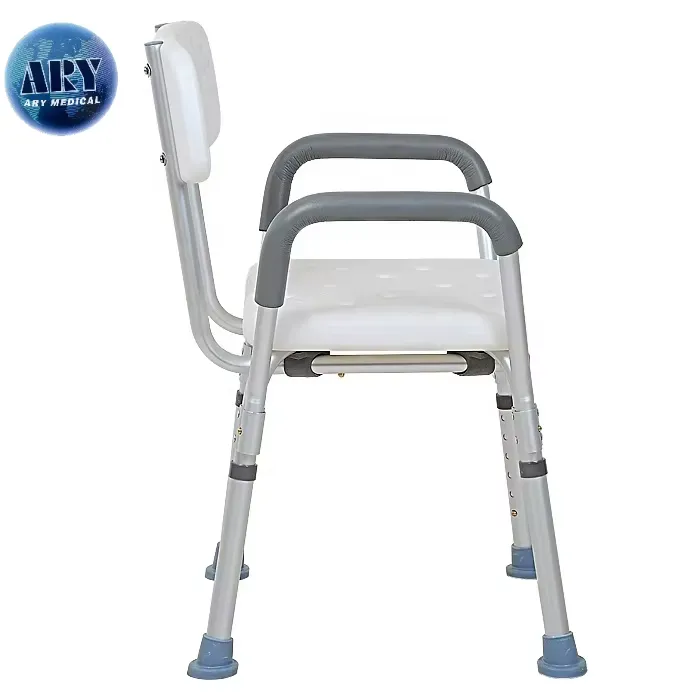
Shower chair drying storage should allow stacking only when the maker permits it and the care process supports that arrangement. Contact between seats or pads may block access to wet surfaces.
Confirm whether stacking is permitted
Check the storage instructions. Trial the approved storage layout with empty chairs and inspect hidden contact points. Do not use a stack as a drying method merely because it saves floor area.
- Stacking permission
- Contact points
- Space use
| Check | Record or reference |
|---|---|
| Stacking permission | Maker guide |
| Contact points | Empty-chair trial |
| Space use | Rack layout |
Key Takeaway: You can choose a space-saving layout without assuming every chair stacks.
How should folded chairs be handled?
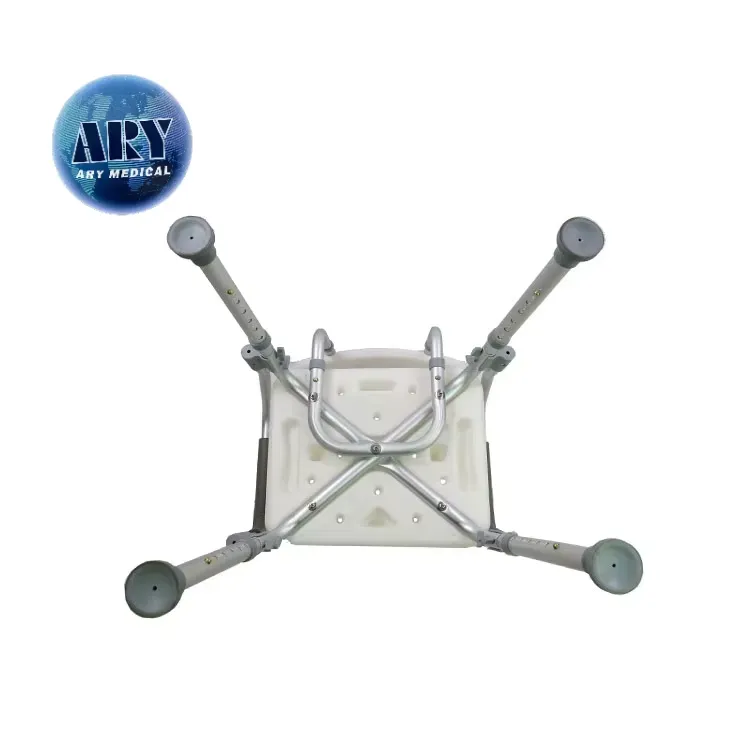
For folding models, shower chair drying storage must account for joints and surfaces that touch when closed. Folding a wet seat against a backrest may hide moisture from an otherwise visible check.
Choose an approved storage setup
Check the folded contact surfaces. Use only the maker's folding sequence and keep fingers clear of joints. Ask whether the chair should dry open before storage and record the answer with the model's care instructions.
- Fold sequence
- Contact surfaces
- Drying state
| Check | Record or reference |
|---|---|
| Fold sequence | Instructions |
| Contact surfaces | Photos |
| Drying state | Care approval |
Key Takeaway: Staff know which setup belongs in the drying area.
What should a rack support?
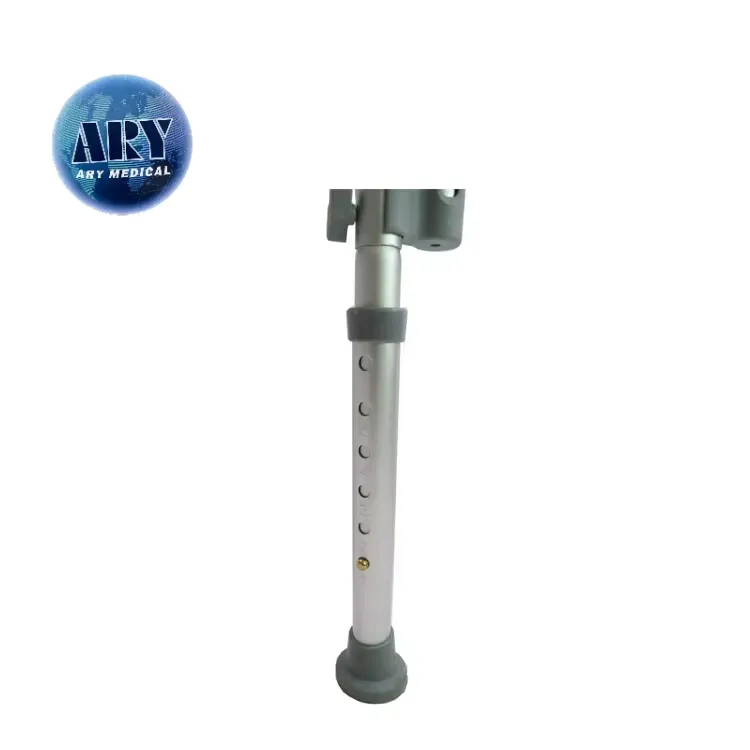
A rack for shower chair drying storage should support approved contact points without bending legs or stressing armrests. A convenient hook does not automatically make an arm support a lifting point.
Review rack contact points
Support the chair as specified. Agree the arrangement with the maker before building a storage rack. Check spacing, access and the route for moving empty chairs without dragging rubber feet across sharp edges. Use verified chair measurements when checking rack space.
- Contact points
- Rack spacing
- Moving route
| Check | Record or reference |
|---|---|
| Contact points | Maker response |
| Rack spacing | Layout |
| Moving route | Site review |
Key Takeaway: Your rack can protect chair condition during routine handling.
How do you separate drying from ready stock?
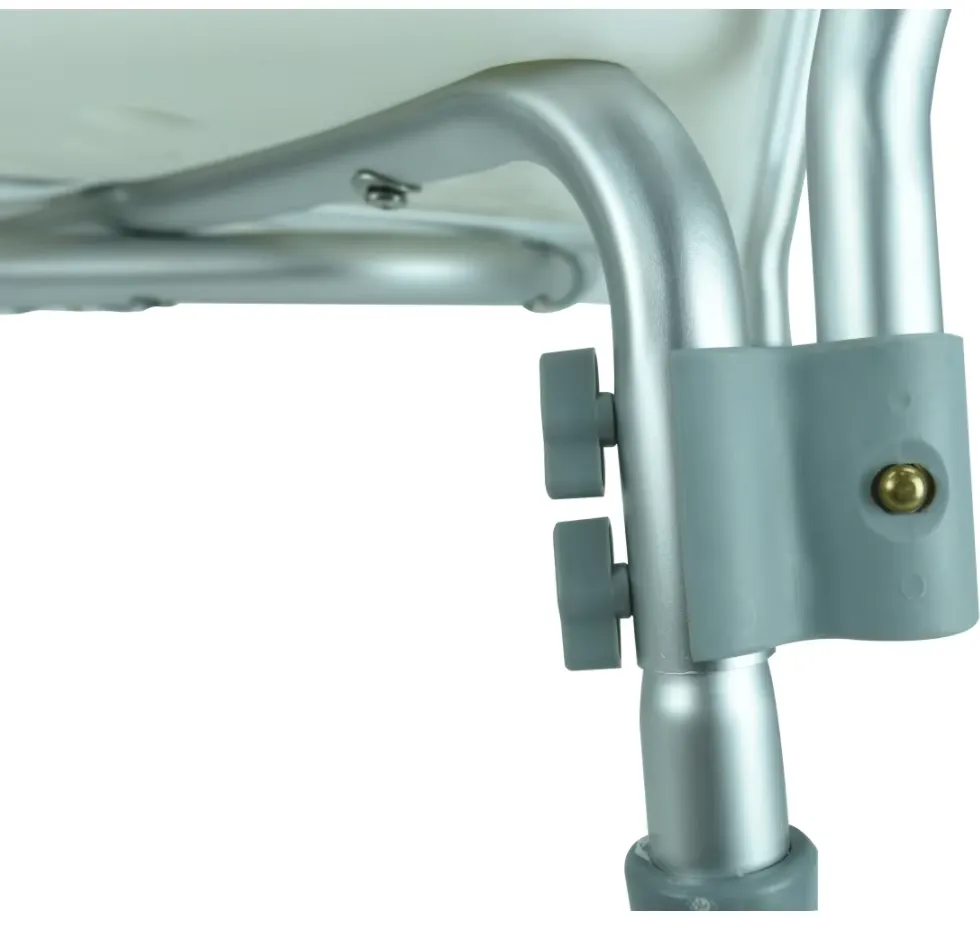
Shower chair drying storage needs a clear distinction between items still in care processing and chairs released for use. Staff should not have to infer readiness from where a chair happens to stand.
Make processing status visible
Use a visible release status. Use a status tag or stock location supported by your existing system. Record who completes the release check and when the chair moved into the ready area.
- Processing status
- Release owner
- Ready location
| Check | Record or reference |
|---|---|
| Processing status | Tag |
| Release owner | Roster |
| Ready location | Stock record |
Key Takeaway: The next shift can identify usable chairs without repeating every step.
Which materials need extra attention?
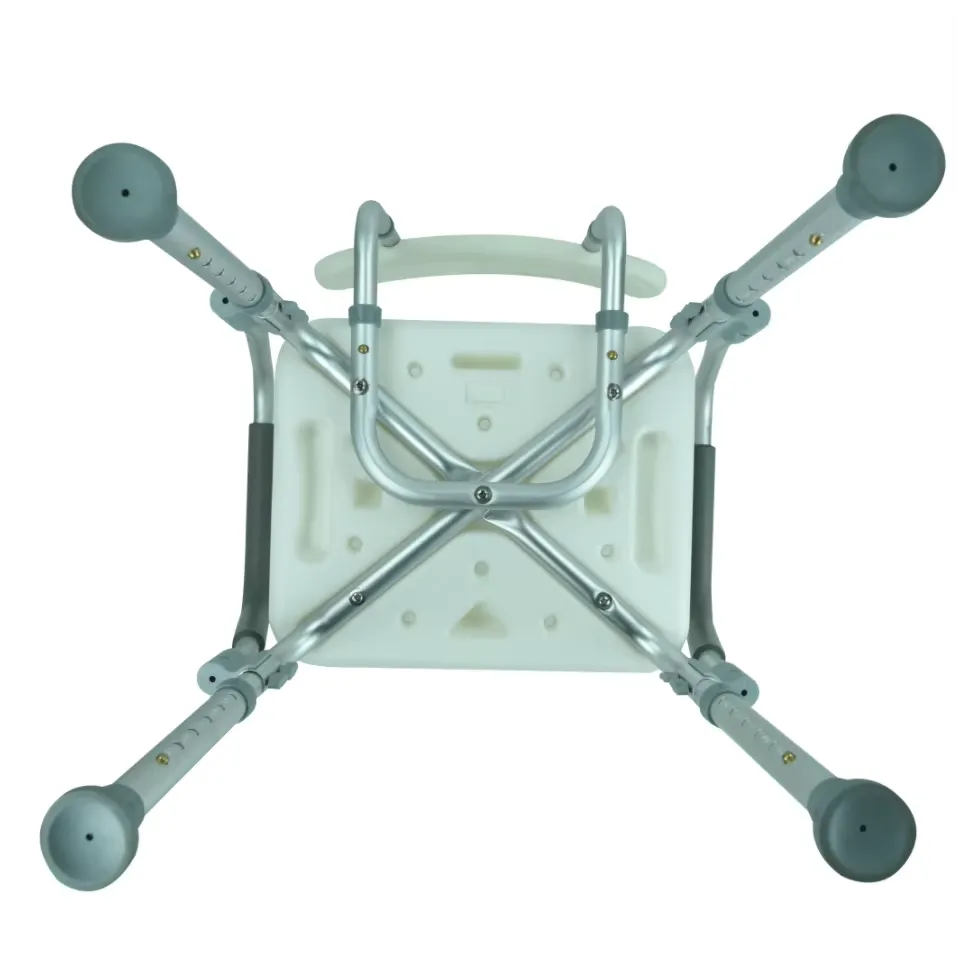
Shower chair drying storage should follow care limits for the actual seat, pad, frame and feet. Heat, sunlight or drying chemicals may affect materials differently, so avoid setting one generic shortcut.
Respect material care limits
Use the model's care limits. Ask the supplier for written guidance if powered drying is proposed. Keep any approved temperature or process limit in the staff instruction rather than extrapolating from another product.
- Material list
- Drying method
- Proposed equipment
| Check | Record or reference |
|---|---|
| Material list | Product file |
| Drying method | Care guide |
| Proposed equipment | Supplier review |
Key Takeaway: Your drying process stays linked to the materials you bought.
What belongs in a daily area check?
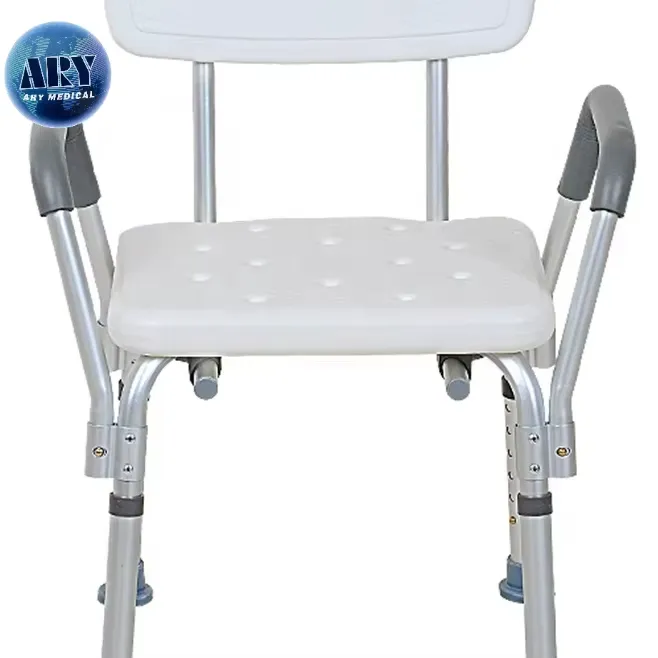
A daily check for shower chair drying storage should cover drainage, shelf cleanliness, overcrowding and status labels. A tidy-looking rack can still mix chairs awaiting release with ready stock.
Inspect the storage area
Inspect the area as well as chairs. Remove stored cartons or loose supplies that block airflow or access required by your process. Record repeated congestion so purchasing can plan rack space before adding more units. Link incoming stock to its receiving inspection record.
- Surface condition
- Congestion
- Status labels
| Check | Record or reference |
|---|---|
| Surface condition | Area checklist |
| Congestion | Capacity log |
| Status labels | Spot check |
Key Takeaway: You can identify storage problems before they affect the next delivery.
How should long-term storage differ?
For longer periods, shower chair drying storage should protect dry chairs from contamination and material damage under the maker's storage guidance. Storage time alone cannot tell you that a chair remains fit for use.
Review stock before dispatch
Keep the care instructions with stock. Retain receipt dates and inspect condition before dispatch under your release procedure. Avoid unapproved nesting or heavy loads on seats, backrests and arm pads. See the WHO assistive product specifications for procurement context.
- Storage limits
- Receipt date
- Dispatch check
| Check | Record or reference |
|---|---|
| Storage limits | Maker guide |
| Receipt date | Stock record |
| Dispatch check | Release sheet |
Key Takeaway: Stored chairs leave with a recorded condition review.
What should facilities agree before buying more chairs?
Approve shower chair drying storage capacity alongside purchase quantities, cleaning workload and release responsibilities. Extra chairs need a place in the whole process, including temporary holds and returns.
What should you do next?
Match stock to usable space. Send the supplier your proposed storage setup and request model-specific handling guidance. Use the agreed layout and care records when planning another order.
- Peak quantity
- Usable capacity
- Care route
| Check | Record or reference |
|---|---|
| Peak quantity | Stock plan |
| Usable capacity | Rack plan |
| Care route | Approved process |
Key Takeaway: Your next purchase fits the storage process that staff can run. To discuss the model and documents for your order, contact us with your requirements. At AryMD, clear product information belongs in every buying decision.
Frequently asked questions
Q1: Can I stack shower chairs to save drying space?
Only if the maker permits that arrangement. Unsupported stacking can affect condition and make processing status harder to control.
Q2: What’s the best drying time for a shower chair?
There is no universal time. Follow the model's care guidance and your approved process for confirming readiness.
Q3: How do I know if a chair is ready for storage?
Use the defined care and release checks. A dry-looking seat does not show the condition of every joint, pad or hidden surface.
Q4: Can I use heated equipment to speed up drying?
Only with suitable written guidance for the model and materials. Do not extrapolate a temperature limit from another chair.
Q5: Should ready chairs share space with incoming returns?
Keep statuses and processing routes clearly separated. Your facility's care procedure should define the physical arrangement and handling controls.