
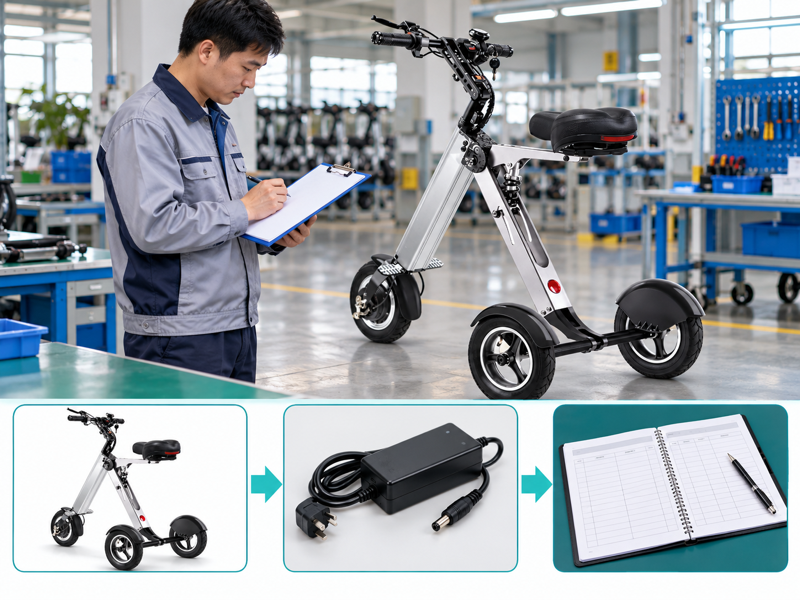
Review mobility scooter battery aging by recording the change in use, exact battery system and service history before naming a cause. A French dealer may receive a range complaint after both the route and charging routine changed. A structured enquiry helps qualified staff decide what to check instead of replacing a pack on guesswork.
What should mobility scooter battery aging review first?
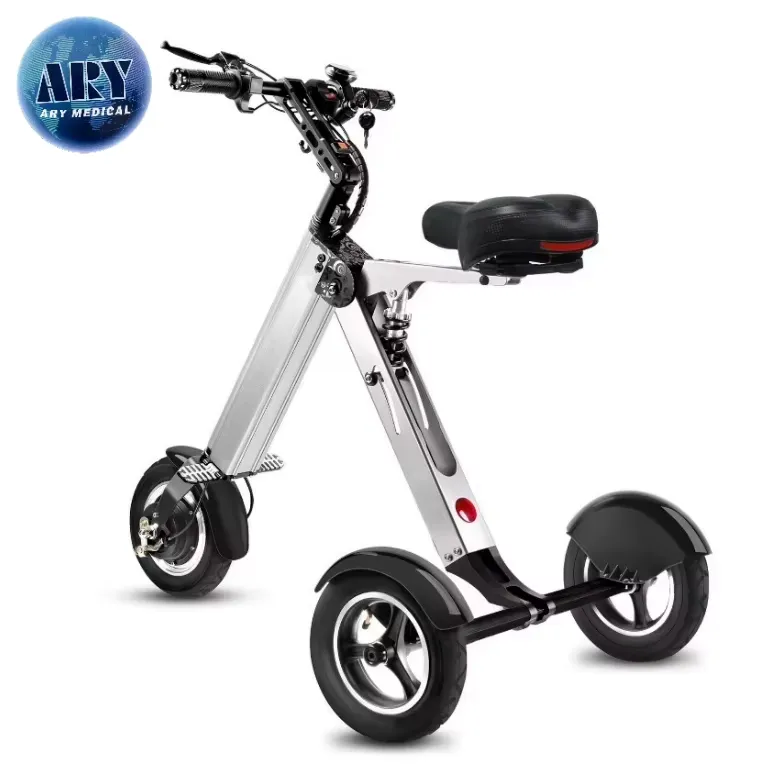
Mobility scooter battery aging review should start with the reported change, exact pack and service history. Less trip distance alone does not prove a battery fault.
Record the reported change
Record the change before naming the cause. Collect the model, pack version and facts behind the report. Qualified service staff should choose the checks.
- Reported change
- Battery identity
- Service history
| Check | Record or reference |
|---|---|
| Reported change | Case note |
| Battery identity | Record |
| Service history | Log |
Key Takeaway: The review starts with evidence rather than a premature replacement decision.
Which battery details should be identified?
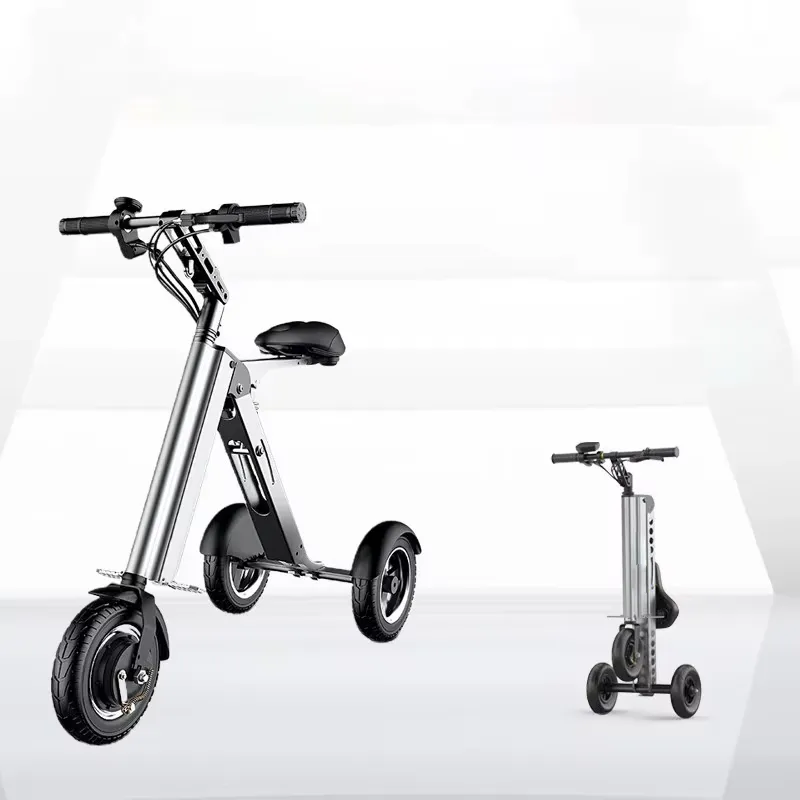
For mobility scooter battery aging, identify the battery type, part code and known fitting dates. A broad battery label may not identify the pack you need to review.
Identify the actual battery pack
Use the exact pack record. Use approved records and readable external labels. Do not open a pack to fill an details gap. Use the current parts references to identify the approved pack.
- Battery type
- Part code
- Installation history
| Check | Record or reference |
|---|---|
| Battery type | Specification |
| Part code | Label |
| Installation history | Service file |
Key Takeaway: The service enquiry concerns the actual battery system.
How should use history be recorded?
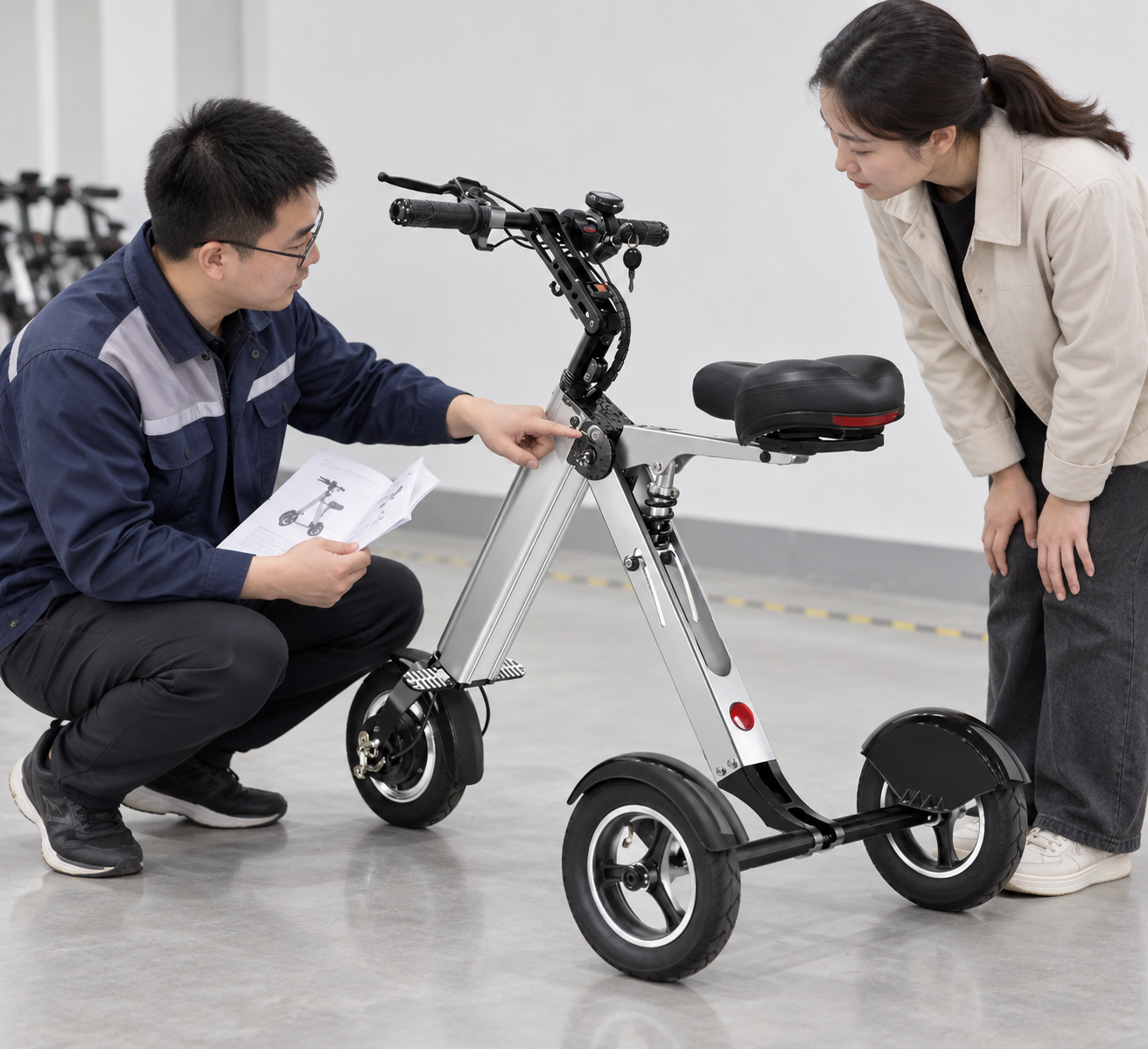
Mobility scooter battery aging records should describe the trips and conditions linked to the reported change. A different route can make a range comparison unclear.
Describe comparable use
Describe comparable use conditions. Use available logs and mark estimates clearly. Do not ask the user to repeat a difficult trip to create evidence. The range-evidence guide can help distinguish different trip conditions.
- Trip pattern
- Conditions
- Uncertainty
| Check | Record or reference |
|---|---|
| Trip pattern | User report |
| Conditions | Log |
| Uncertainty | Case note |
Key Takeaway: The reviewer can see whether the comparison is meaningful.
What charging details is useful?

For mobility scooter battery aging, record the charger code and the routine the user followed. Advice for one battery system may not apply to another.
Document the charging arrangement
Record the approved charging arrangement. Have qualified staff compare the reported routine with the maker's guide. Leave gaps visible rather than guessing what happened.
- Charger code
- Reported routine
- Model guidance
| Check | Record or reference |
|---|---|
| Charger code | Label |
| Reported routine | Intake note |
| Model guidance | Manual |
Key Takeaway: Charging history becomes useful context without an invented diagnosis.
How should storage history be considered?
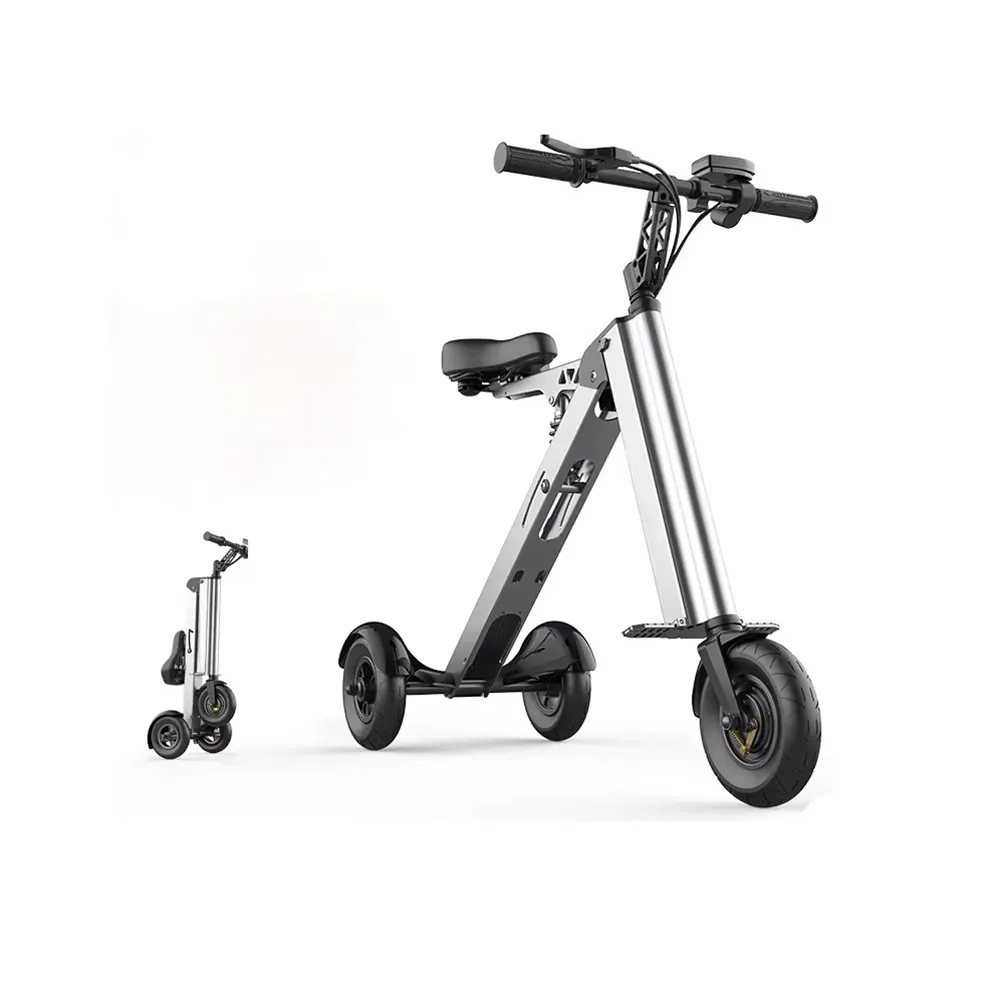
Mobility scooter battery aging may call for a review of time out of use and known storage conditions. Qualified service staff should assess what those facts mean for the pack.
Include storage history
Include periods out of service. Record the storage guidance and what is known about the unit. Time alone does not prove that a pack has failed.
- Storage period
- Known conditions
- Maker guidance
| Check | Record or reference |
|---|---|
| Storage period | Record |
| Known conditions | Report |
| Maker guidance | Manual |
Key Takeaway: The enquiry includes time spent away from normal use.
What else can affect a range complaint?
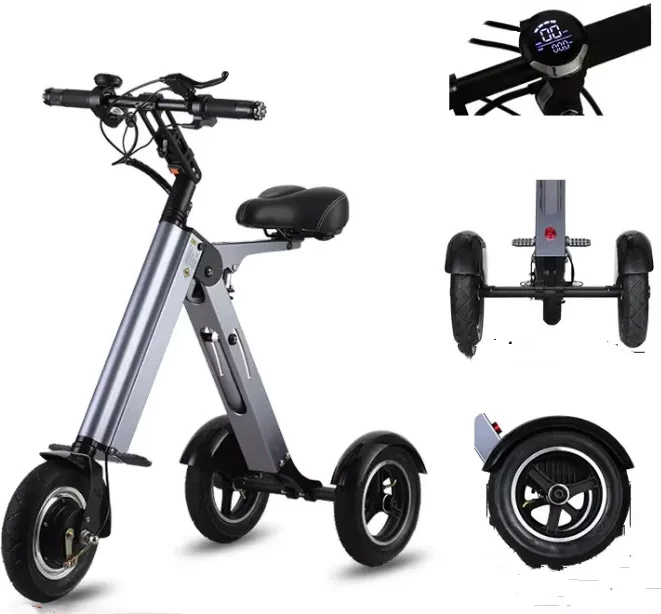
For mobility scooter battery aging, service staff may need to check the scooter and charger as well as the pack. One symptom does not name the cause.
Keep the investigation open
Keep the investigation open. Provide recent repair notes and the current setup. Let the service team choose checks under the maker's process.
- Recent repair
- Setup
- Check plan
| Check | Record or reference |
|---|---|
| Recent repair | Service log |
| Setup | Model record |
| Check plan | Technician decision |
Key Takeaway: The battery is not replaced merely because it is an obvious suspect.
Should a user perform a deep-discharge test?
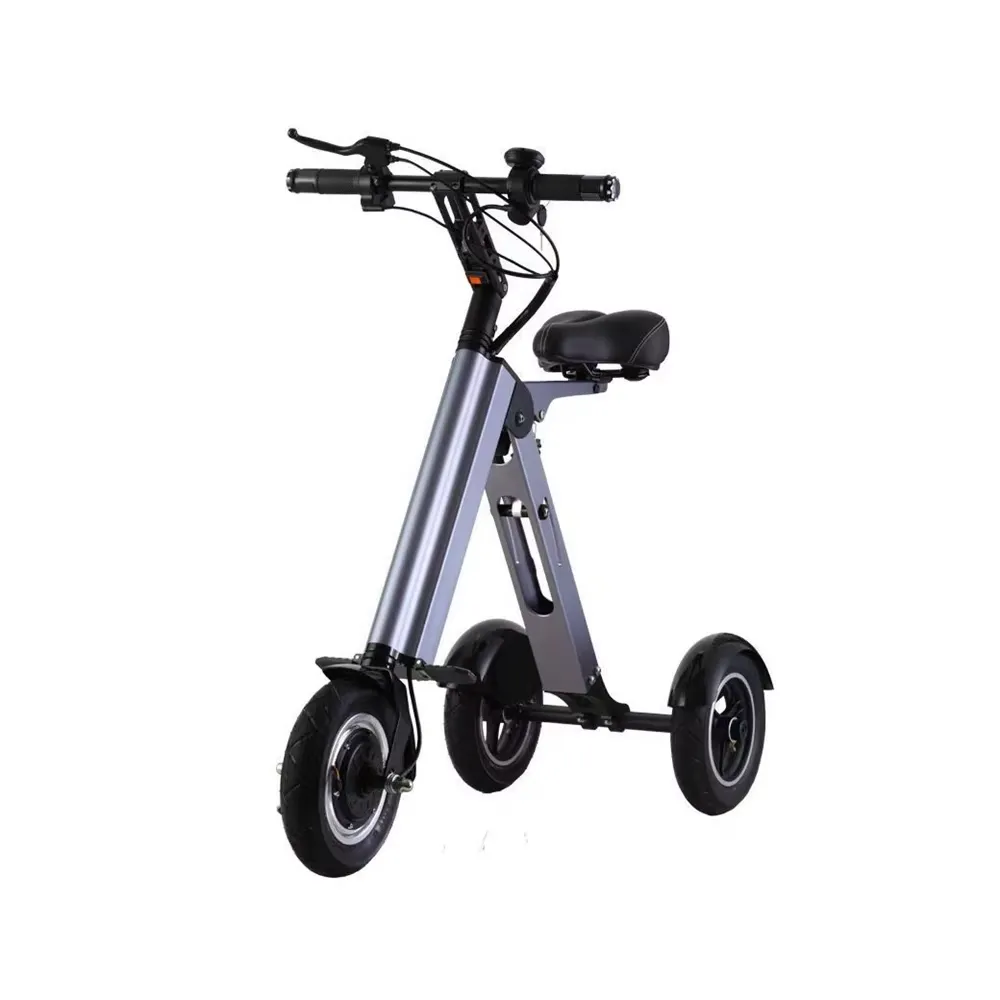
For mobility scooter battery aging, do not invent a discharge or load test to judge pack life. The maker's limits and a qualified review should guide the method.
Use an approved test method
Use an approved assessment method. Ask qualified service staff what evidence is needed. Follow the maker's instructions on use and charging while the concern is reviewed.
- Assessment method
- System limits
- Next step
| Check | Record or reference |
|---|---|
| Assessment method | Service guidance |
| System limits | Manual |
| Next step | Case decision |
Key Takeaway: The review avoids an unsupported battery experiment.
What should replacement planning include?
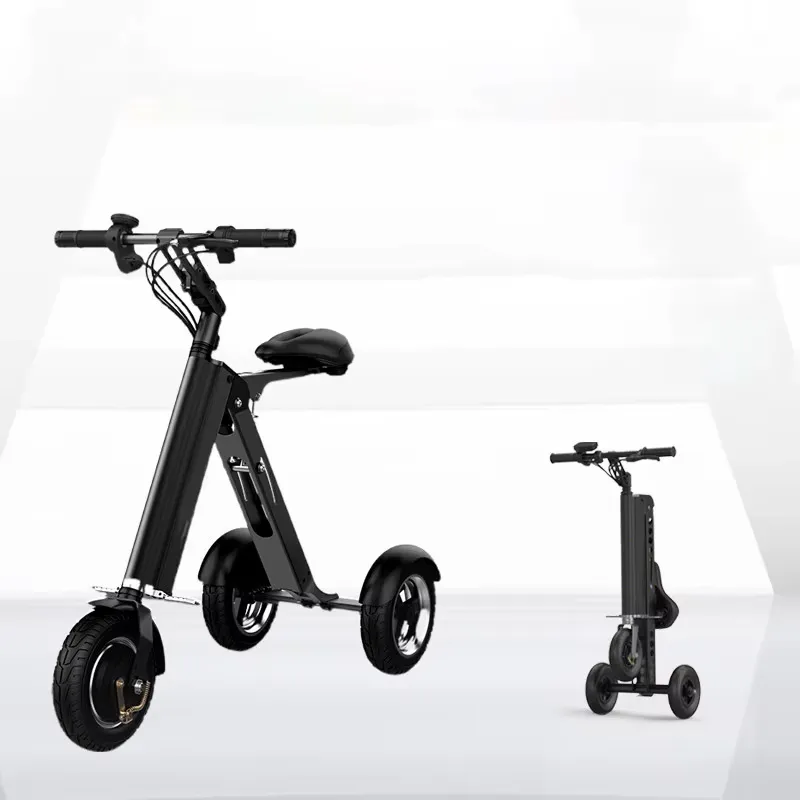
Mobility scooter battery aging replacement planning should name the approved pack, related parts and service method. Matching outer size does not prove a supported replacement.
Plan a supported replacement
Confirm the complete approved replacement. Ask for current codes and the maker's replacement guide. Qualified staff should do work beyond the user's permitted tasks. Keep any proposed sample assessment within the agreed service scope.
- Replacement code
- Related parts
- Service method
| Check | Record or reference |
|---|---|
| Replacement code | Maker list |
| Related parts | Set record |
| Service method | Guide |
Key Takeaway: The proposed replacement matches the supported system.
How should fleets compare battery histories?
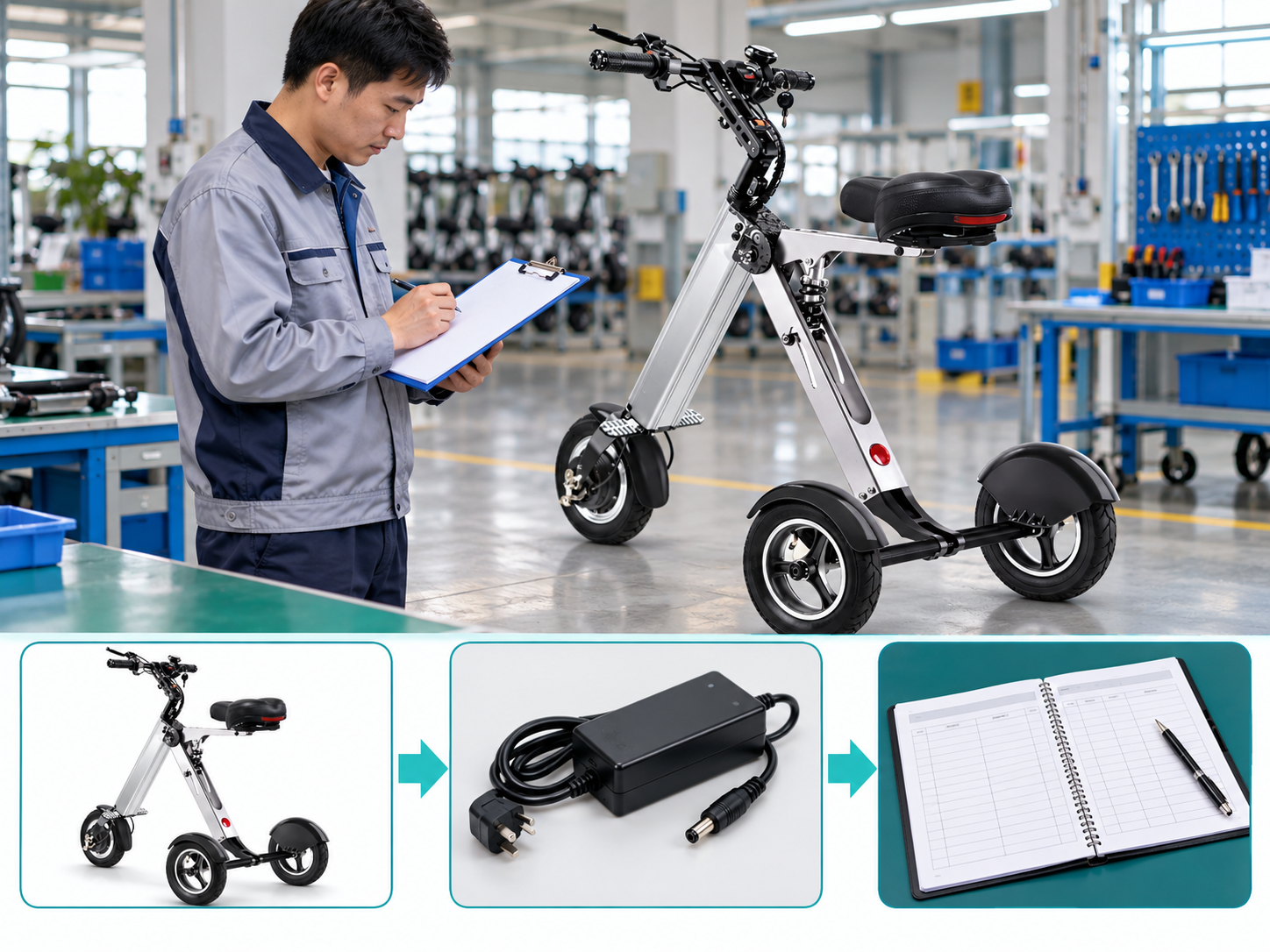
For mobility scooter battery aging, fleet reviews need clear unit IDs, use periods and confirmed findings. A list of range complaints cannot show a failure rate on its own.
Compare fleet records carefully
Use consistent records and scope. Keep initial reports separate from confirmed service outcomes. Compare similar units and periods before drawing purchasing conclusions. See the WHO assistive product specifications for procurement context.
- Unit group
- Review period
- Confirmed outcome
| Check | Record or reference |
|---|---|
| Unit group | Fleet record |
| Review period | Report |
| Confirmed outcome | Service file |
Key Takeaway: Patterns can guide a useful review without overstating the data.
What should buyers request from suppliers?
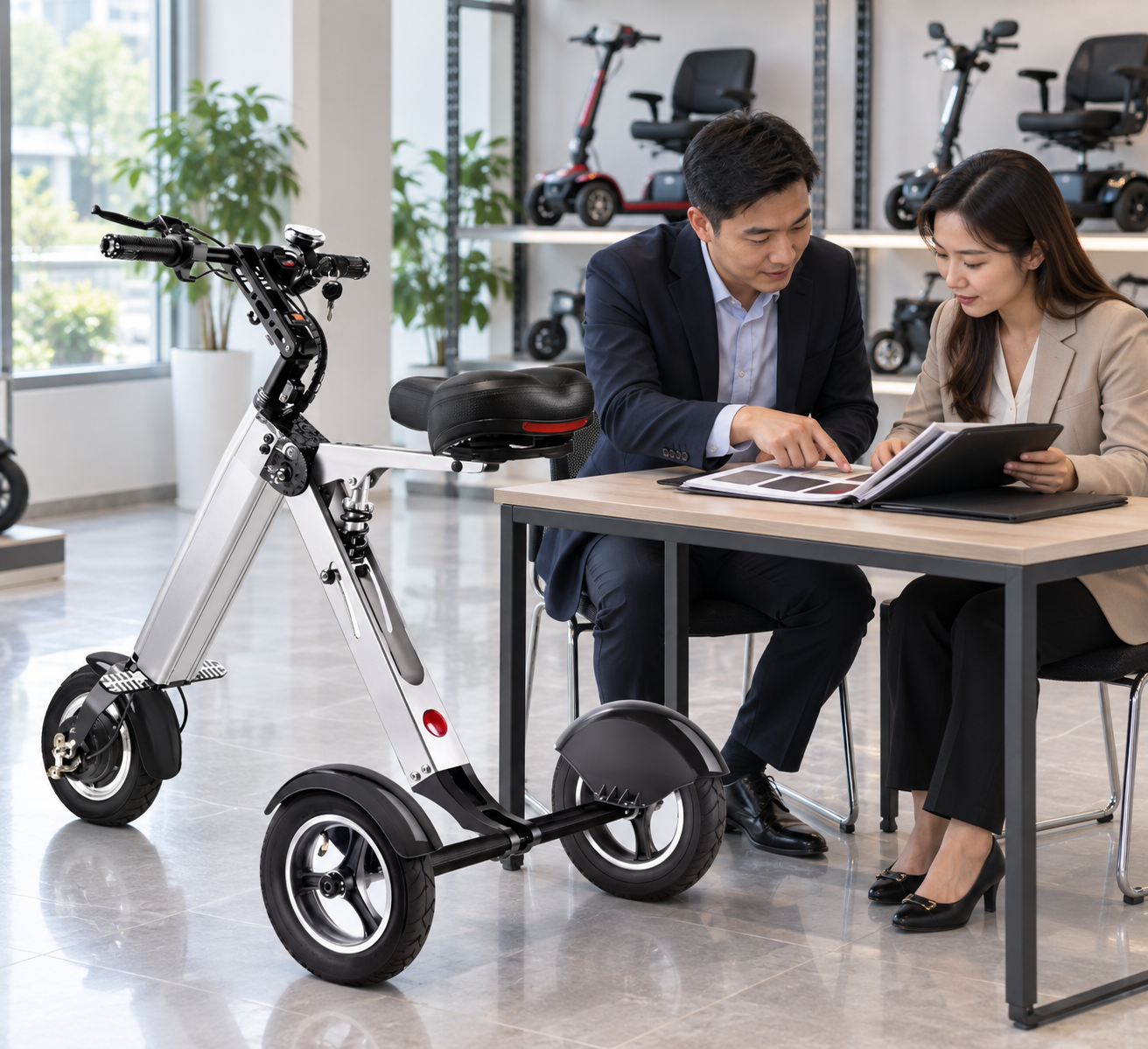
For mobility scooter battery aging, ask for current pack-care guidance, replacement codes and technical support. A universal lifespan promise leaves the use conditions unexplained.
What should you do next?
Ask for the support route and current guidance. Send the exact system ID and reported change. Agree how the service findings and next actions will be recorded.
- System identity
- Care and parts
- Follow-up route
| Check | Record or reference |
|---|---|
| System identity | Enquiry |
| Care and parts | Supplier files |
| Follow-up route | Agreement |
Key Takeaway: Your support process can respond to aging concerns with usable evidence. To discuss the model and documents for your order, contact us with your requirements. At AryMD, useful product facts should support every care-equipment purchase.
Frequently asked questions
Q1: Can reduced range prove the battery has worn out?
No. Record the conditions and system identity so qualified service staff can investigate the cause.
Q2: What’s the best battery lifespan to promise buyers?
Avoid a universal promise. Use the maker's supported details and state the conditions relevant to the exact system.
Q3: How do I know which replacement battery to order?
Request the approved part code and related service guidance for the exact scooter and battery version.
Q4: Can I deep-discharge a battery to check its condition?
Do not improvise a test. Ask qualified service staff for an suitable method within the maker's limits.
Q5: Should fleet complaints be counted as confirmed failures?
No. Keep reported symptoms separate from verified findings and use a defined population and period for analysis.