
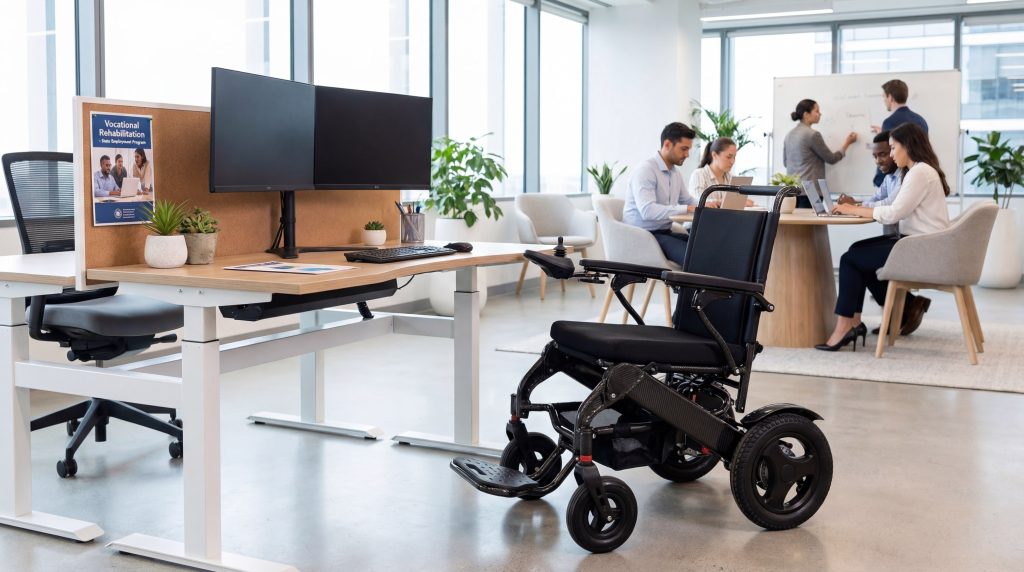
Lightweight electric wheelchair coverage is decided by current payer rules, documented need, the exact equipment, provider records, supplier status, and authorization. “Lightweight” describes a product characteristic; it does not create automatic Medicare, Medicaid, or private-insurance eligibility. Keep product fit and coverage decisions in separate but connected files.
Also, This article uses Medicare’s current wheelchair guidance, the prior-authorization list, and Medicaid’s DME definition. It does not guarantee coverage, diagnose a condition, or replace plan-specific guidance.
Does “Lightweight” Determine Electric Wheelchair Coverage?
No. Payers review benefit rules, medical need, documentation, coding, suppliers, and the exact item. Frame weight or folding convenience may matter for product fit, but those features do not create coverage by themselves.
Then, Separate feature from benefit. Use the lightweight wheelchair page for product questions and official payer pages for coverage questions.
- Record the exact model.
- Identify the payer and benefit.
- Avoid treating a marketing term as a coverage category.
| Question | Evidence |
|---|---|
| How light is the chair? | Current model data |
| Is it covered? | Current payer decision |
| Does it fit? | Assessment and route review |
Key Takeaway: Product weight and coverage are different decisions.
What Does Medicare Review?
However, Medicare’s public guidance links coverage to Part B eligibility, medical necessity, a face-to-face examination, a written prescription, and provider and supplier requirements. Some items can require prior authorization.
Use the current page. Do not rely on an old article for percentages, dollar amounts, or item lists.
- Check current eligibility rules.
- Keep the provider examination and order.
- Verify supplier participation.
| Medicare record | Purpose |
|---|---|
| Examination | Documents current need |
| Written order | Identifies requested equipment |
| Supplier status | Supports program processing |
For example, Key Takeaway: Current official guidance controls Medicare review.
How Should Lightweight Wheelchair Fit Be Documented?
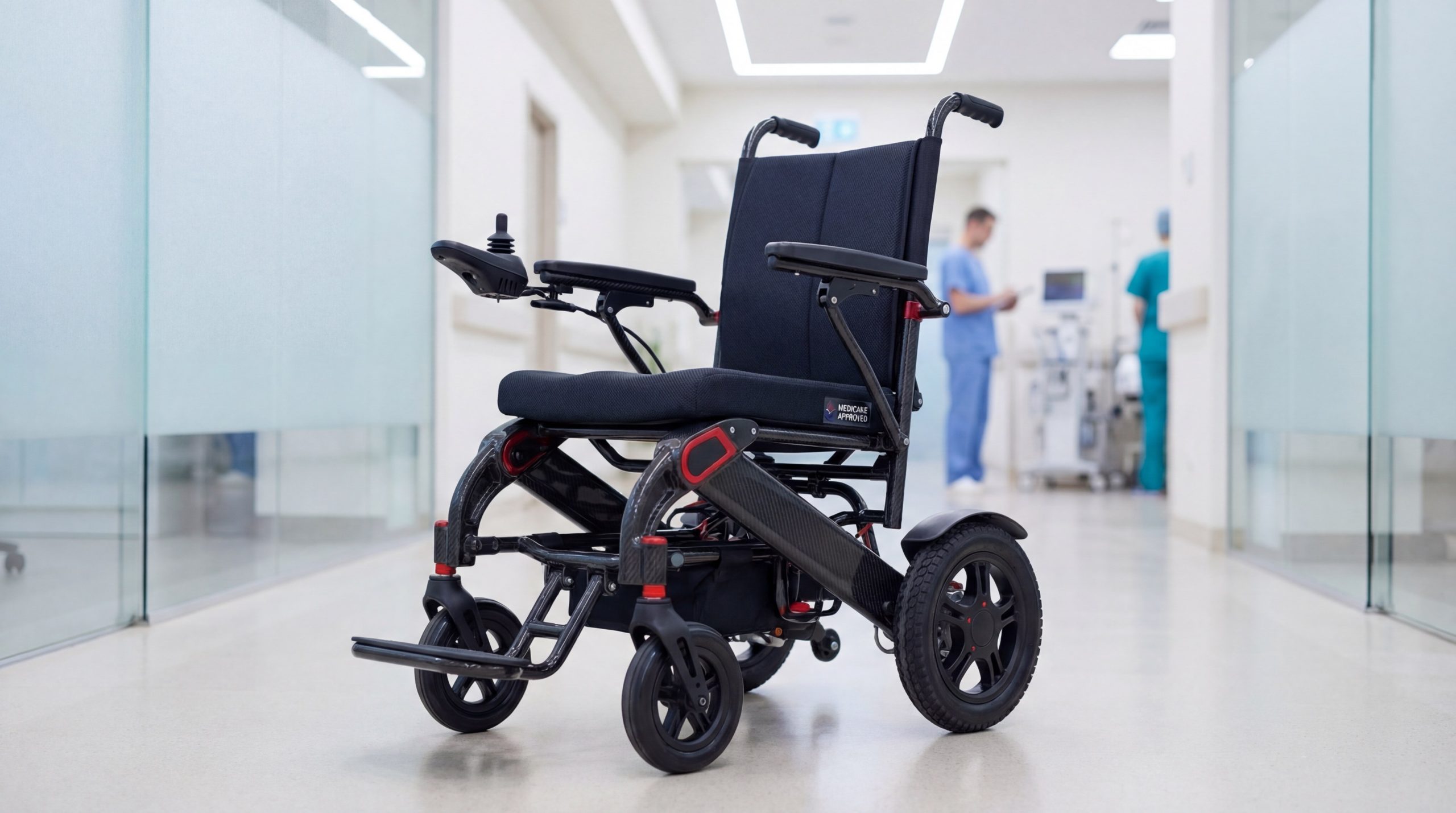
Fit records should cover seat dimensions, control reach, supports, route clearance, turning space, storage, and handling. Portability should be assessed with the actual configuration rather than a headline weight alone.
Meanwhile, Test the supplied setup. Use an adult fit review and compact route plan.
- Measure the configured chair.
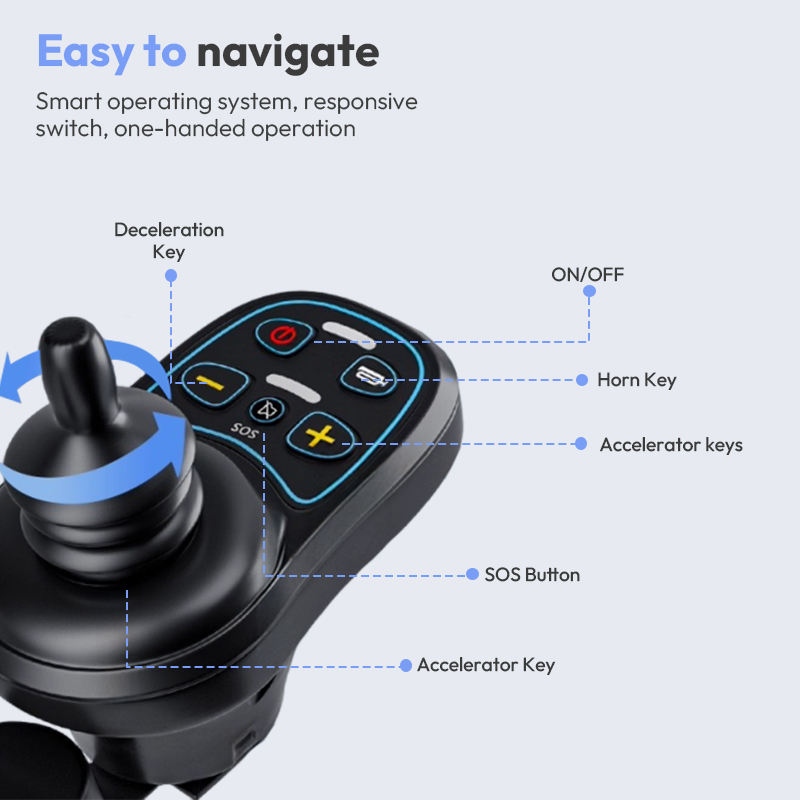
- Review controls and supports.
- Map the intended home route.
| Fit area | Record |
|---|---|
| Seating | Approved dimensions and supports |
| Controls | Reach and mounting |
| Route | Clear openings and turns |
Key Takeaway: Coverage files should reference the assessed configuration.
Can Travel Needs Prove Coverage?
Instead, Travel needs can explain product requirements, but a desire for easier vehicle loading or air travel does not replace a payer’s medical-necessity and benefit rules. Keep travel evidence in the product file.
Document travel separately. Use the travel specification guide and confirm transport requirements for each trip.
- Record folded dimensions.
- Review battery and handling records.
- Do not promise coverage from travel use alone.
| Travel record | Use |
|---|---|
| Vehicle fit | Product selection |
| Battery documents | Transport planning |
| Coverage decision | Payer process |
As a result, Key Takeaway: Travel evidence supports fit, not an automatic benefit.
When Can Medicare Prior Authorization Apply?
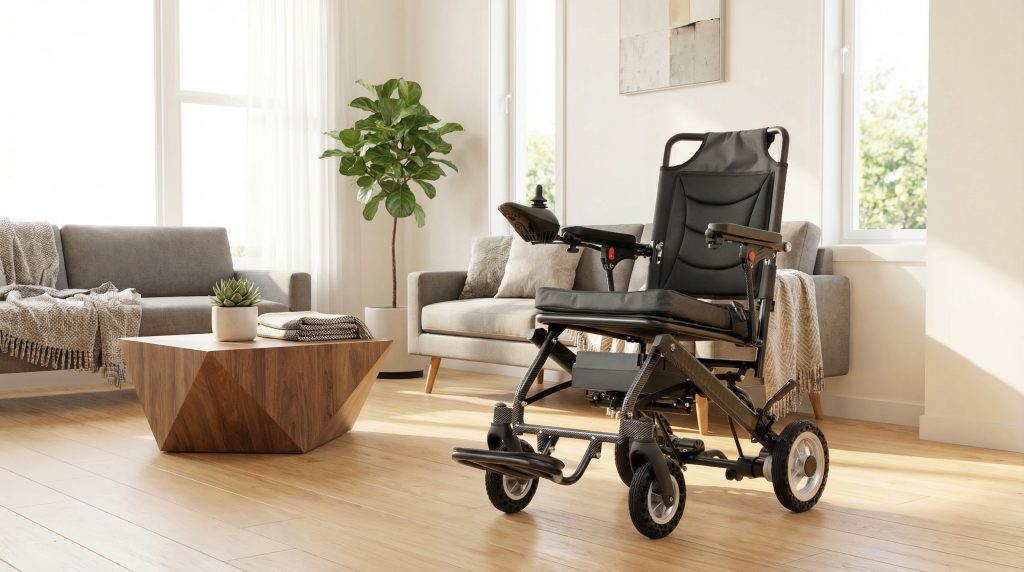
Medicare publishes a current list of power wheelchair and scooter items that require prior authorization. The exact code matters more than a broad product name.
Also, Match the item precisely. Confirm who submits the file and track requests for further information.
- Identify model and code.
- Check the current list.
- Keep the written decision.
| Stage | Control |
|---|---|
| Item match | Exact code |
| Submission | Named owner |
| Decision | Written notice |
Key Takeaway: Authorization follows the exact item.
How Does Medicaid Handle Lightweight Electric Wheelchairs?
Then, Medicaid operates through state programs and managed-care plans. Coverage, authorization, supplier, and form rules can vary. The federal DME definition provides context but not one nationwide approval checklist.
Start with the state. Request current instructions from the relevant state program or plan.
- Identify state and plan.
- Confirm authorization rules.
- Use current supplier directories.
| Question | Source |
|---|---|
| Benefit | State materials |
| Authorization | State or plan instructions |
| Supplier | Current network |
However, Key Takeaway: Medicaid review is state- and plan-specific.
What Should Private Insurance Applicants Ask?
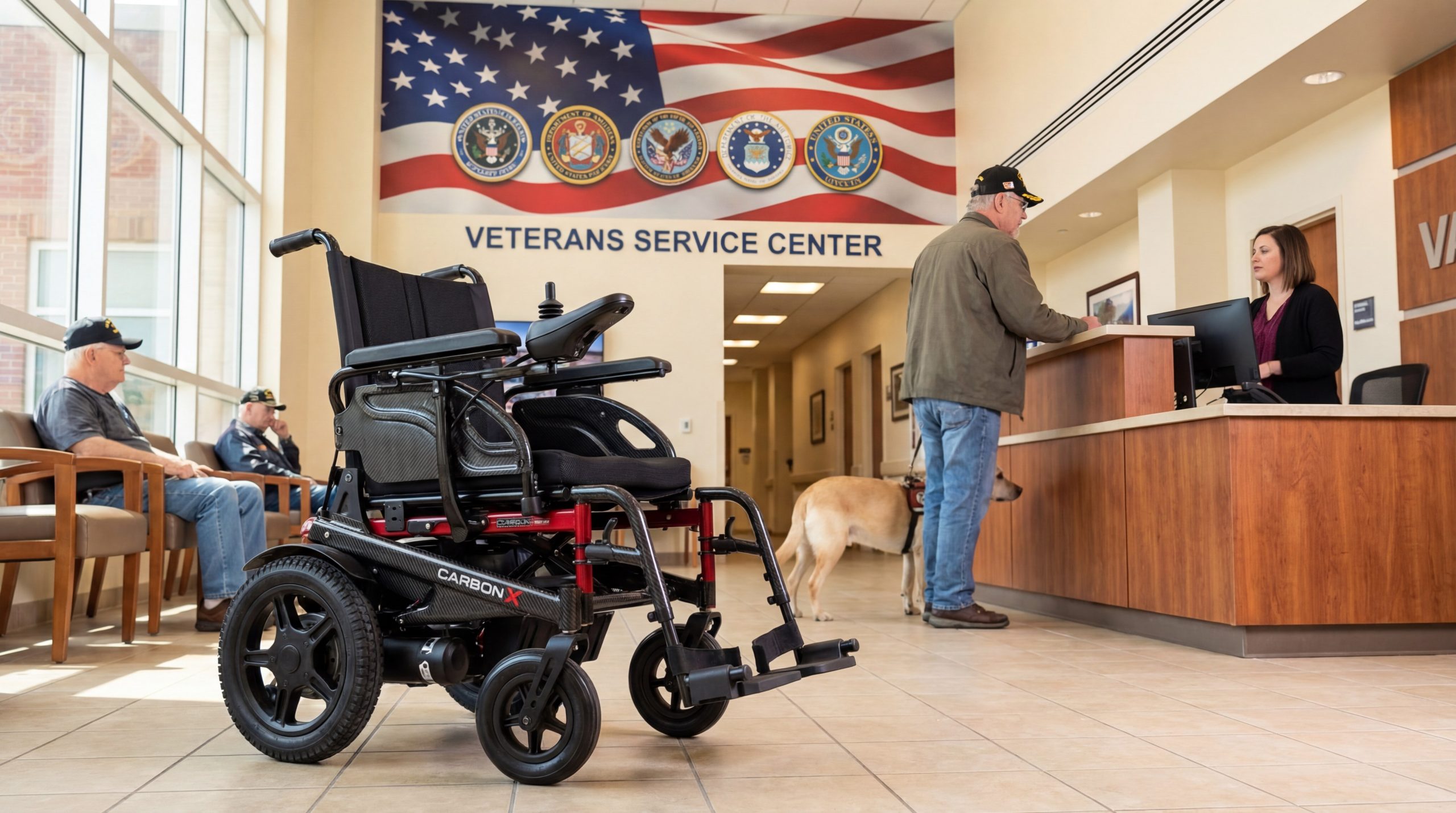
Private plans may differ in benefits, networks, medical policy, rental terms, documentation, and authorization. Request written requirements for the exact contract.
For example, Keep a dated contact record. Record the representative, reference number, documents requested, and decision.
- Read the benefit and medical policy.
- Confirm network suppliers.
- Track authorization and appeal steps.
| Plan item | Evidence |
|---|---|
| Benefit | Member document |
| Network | Supplier list |
| Decision | Written notice |
Key Takeaway: Another plan’s approval does not predict this plan.
How Should Suppliers Support the File?
Meanwhile, The supplier should keep exact model, configuration, quotation, documentation, service, and delivery records. Suppliers should not invent clinical findings or guarantee payer decisions.
Control the supplier record. Use the power wheelchair supplier review and delivery inspection.
- Keep model revisions visible.
- Separate quote from covered amount.
- Retain delivery and service responsibilities.
| Supplier item | Boundary |
|---|---|
| Quote | Commercial terms |
| Clinical record | Provider-owned |
| Coverage result | Payer-owned |
Instead, Key Takeaway: Supplier evidence should be exact and role-appropriate.
What Happens If the Proposed Model Changes?
A model or accessory change can affect fit, documentation, coding, price, and authorization. Recheck the record rather than assuming an earlier approval applies.
As a result, Treat substitutions as changes. Review folding and handling again with the folding wheelchair comparison.
- Record the new identifier.
- Compare configuration differences.
- Confirm whether resubmission is needed.
| Change | Recheck |
|---|---|
| Base model | Fit and coverage |
| Accessory | Need and documentation |
| Revision | Supplier and service records |
Key Takeaway: The approved and delivered configurations should match.
What Is the Best Lightweight Electric Wheelchair Coverage File?
Also, Build a dated file with current payer rules, provider records, written order, route and fit evidence, supplier status, exact configuration, authorization records, quotation, and decision notices.
Finish with traceability. Keep ongoing records through the fleet management guide and joystick handover.
- Date every source.
- Use one exact configuration.
- Retain each written notice.
| File area | Pass condition |
|---|---|
| Rules | Current |
| Product | Exact |
| Decision trail | Complete |
Then, Key Takeaway: A clean file supports review without promising approval.

Does a lightweight frame guarantee coverage?
No. Coverage depends on current payer rules, documented need, the exact item, and required records.
Can portability be part of the product brief?
However, Yes, but portability evidence remains separate from a payer’s benefit decision.
Does Medicaid follow one national rule?
No. State and managed-care requirements can vary.
Can a supplier promise approval?
For example, No. The responsible payer or program makes the decision.
Should a model change be documented?
Yes. Recheck fit, supplier records, coding, and authorization requirements.