
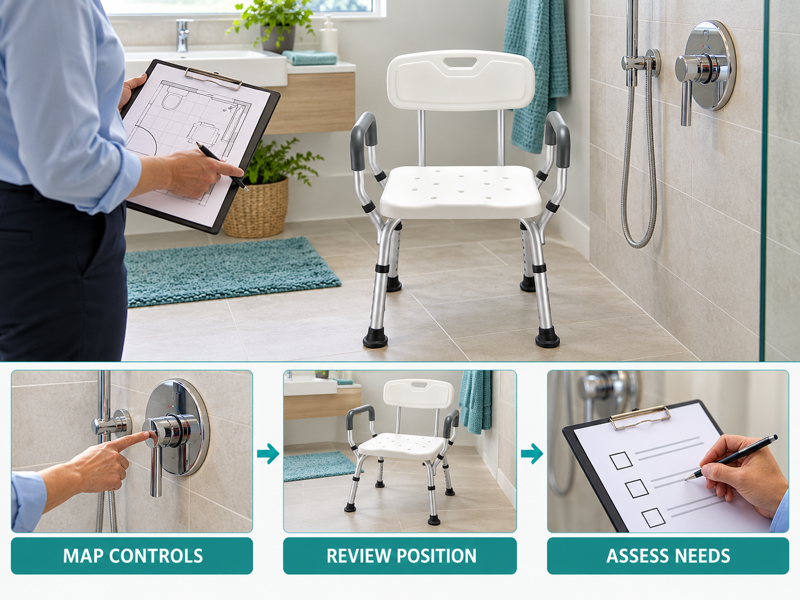
Plan shower chair tap reach around the actual controls, chair setup and an assessment of the person's needs. A UAE care provider may find that moving a chair closer to the tap blocks assistance space. Mapping the whole routine helps the responsible assessor review those competing demands.
What affects shower chair tap reach?

Shower chair tap reach depends on the user's assessed abilities, the chair position and the location of controls. A tape measurement alone cannot establish whether someone can operate a tap comfortably and safely.
Map the person and room requirements
Assess the person and the control layout. Record the room layout and product dimensions, then involve an suitable professional where personal reach or transfer needs are uncertain. Keep the chair within its approved positioning guidance.
- Control location
- Chair position
- User needs
| Check | Record or reference |
|---|---|
| Control location | Room plan |
| Chair position | Layout |
| User needs | Assessment |
Key Takeaway: You can identify the details needed for a practical reach review.
Which controls should be mapped?
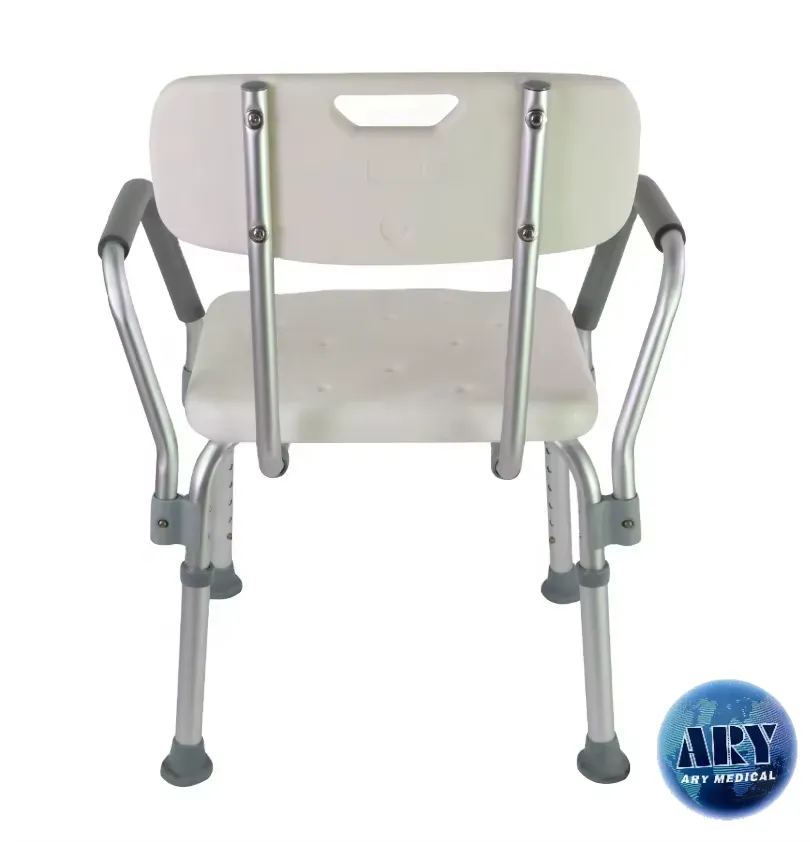
For shower chair tap reach, map the controls and items needed during the intended shower routine. A reachable tap does not resolve an unreachable handheld shower, soap holder or emergency call point.
Include every needed control
Map the complete shower task. Use an empty-room photo with labels for each item. Let the assessor decide which tasks the person can perform and where assistance is needed.
- Tap controls
- Shower holder
- Other items
| Check | Record or reference |
|---|---|
| Tap controls | Annotated photo |
| Shower holder | Location |
| Other items | Task list |
Key Takeaway: The review covers the whole routine rather than one fitting.
How should the chair position be recorded?
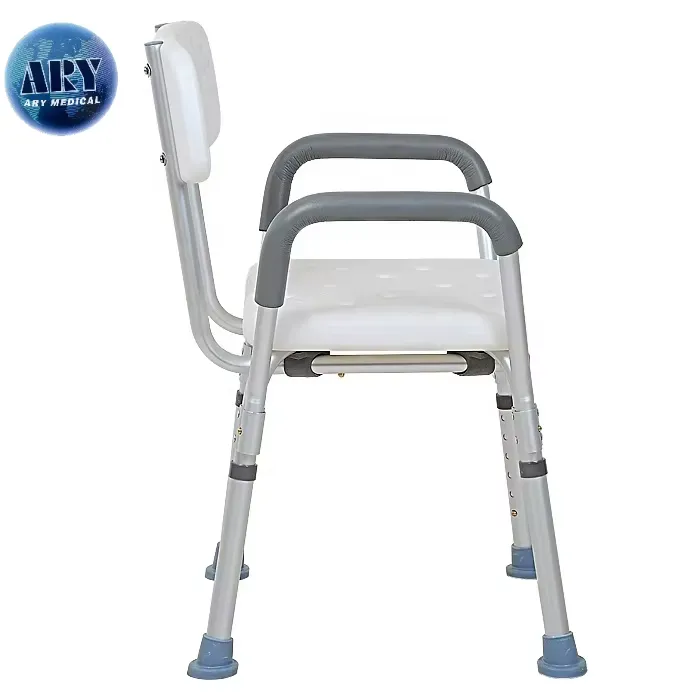
A shower chair tap reach review should record the exact chair model, setting and orientation. Moving the chair to improve one reach may affect foot support, access or the space for assistance.
Record the proposed chair position
Use a repeatable reference. Mark the proposed position on a room plan without assuming it is approved. Include the tray boundary and nearby obstacles for the suitable reviewer.
- Model setting
- Orientation
- Nearby obstacles
| Check | Record or reference |
|---|---|
| Model setting | Product record |
| Orientation | Room plan |
| Nearby obstacles | Photos |
Key Takeaway: Different reviewers can discuss the same proposed setup.
Can arm supports change access to controls?
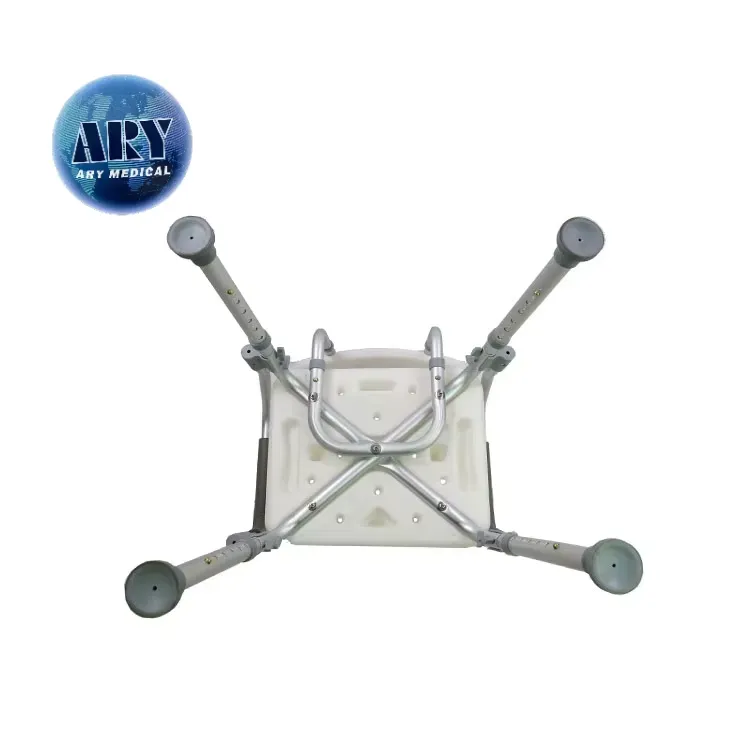
For shower chair tap reach, arm supports may affect how a person approaches or reaches a control. Removing them is not an acceptable shortcut unless the maker permits that setup and the use is appropriately assessed.
Consider arm supports in context
Check the actual setup. Provide the exact model drawing and a sample where useful. Ask the assessor to consider support needs alongside access rather than treating a smaller outline as automatically better. Use the arms-and-back feature guide to identify the configuration under review.
- Arm setup
- Control approach
- Support needs
| Check | Record or reference |
|---|---|
| Arm setup | Manual |
| Control approach | Assessment |
| Support needs | Assessment record |
Key Takeaway: Product features are considered together with the person's needs.
What should a reach observation avoid?
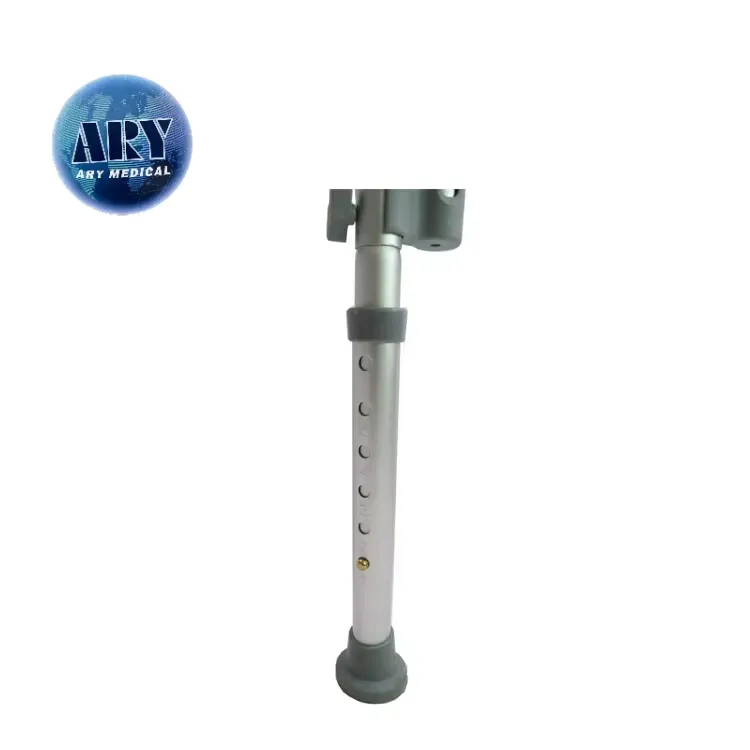
A shower chair tap reach observation should not ask someone to lean beyond an assessed safe range or demonstrate a risky transfer. Uncertainty should lead to professional review, not a challenge to reach farther.
Keep observations within assessed limits
Avoid testing through strain. Start with a room and equipment review before any personal trial. Qualified personnel should decide whether and how an observation is suitable.
- Observation scope
- Unresolved concern
- Permitted setup
| Check | Record or reference |
|---|---|
| Observation scope | Assessment plan |
| Unresolved concern | Referral |
| Permitted setup | Review record |
Key Takeaway: You can gather useful details without improvising a test.
How does a handheld shower affect planning?
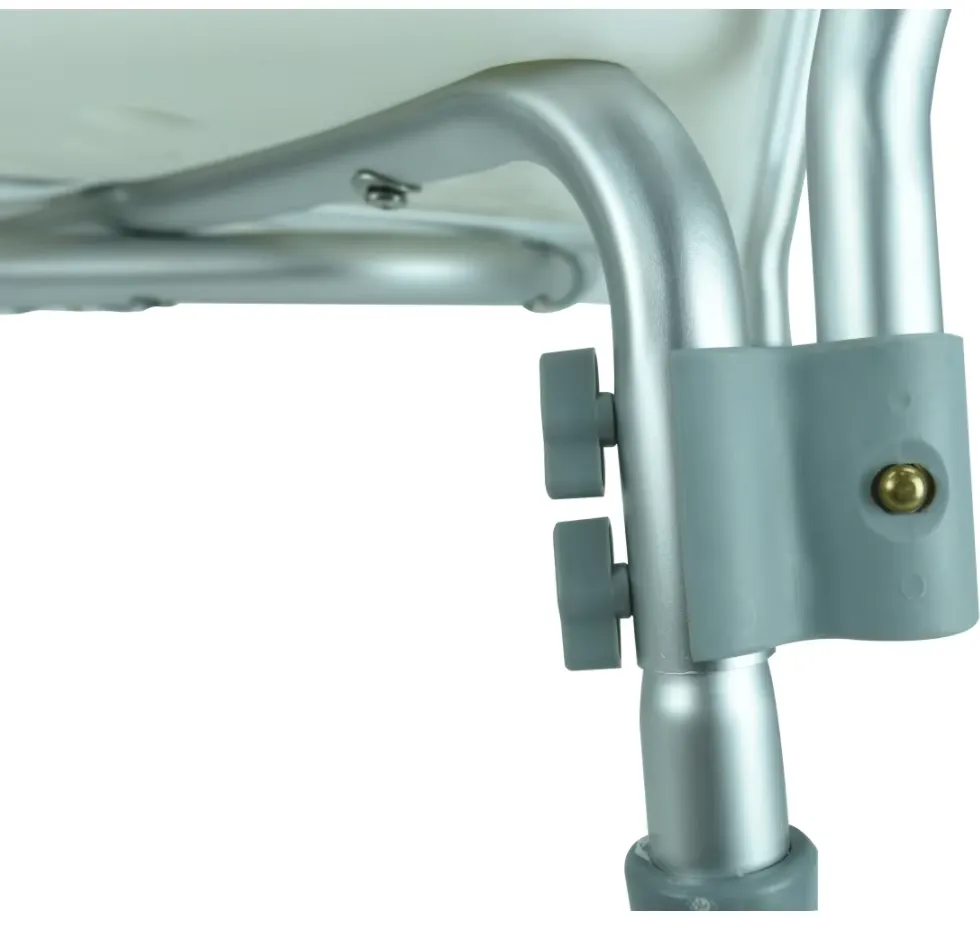
For shower chair tap reach, a handheld shower adds questions about its holder, hose route and return position. A long hose alone does not mean the user can reach or control the shower head.
Map the handheld shower route
Check holder and hose access. Record where the head rests before and after use. Ask the assessor to consider hose entanglement, control operation and assistance needs within the actual layout. Include the approved seat-height setting in the recorded layout.
- Holder location
- Hose route
- Handling needs
| Check | Record or reference |
|---|---|
| Holder location | Room photo |
| Hose route | Layout note |
| Handling needs | Assessment |
Key Takeaway: The plan includes obtaining and replacing the shower head.
What should carers contribute to the review?
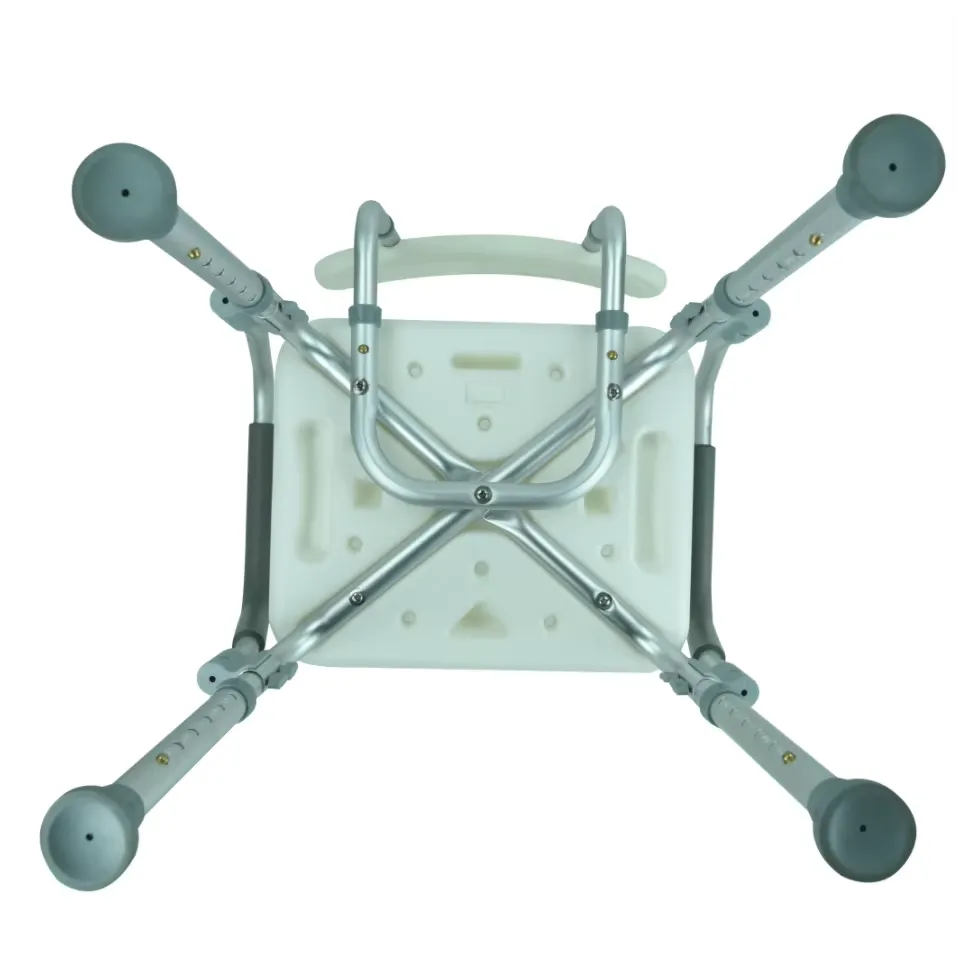
A shower chair tap reach review should include the space and tasks of anyone providing assistance. A position that suits the seated person may leave too little room for the helper's assessed work.
Include the helper's working space
Include the assistance position. Ask the responsible care team to describe the routine and relevant constraints. Keep manual-handling and care decisions within qualified assessment and local procedures.
- Assistance task
- Helper space
- Handling method
| Check | Record or reference |
|---|---|
| Assistance task | Care brief |
| Helper space | Room plan |
| Handling method | Assessment |
Key Takeaway: The selected arrangement supports the people involved in the routine.
Which details should be sent to a supplier?
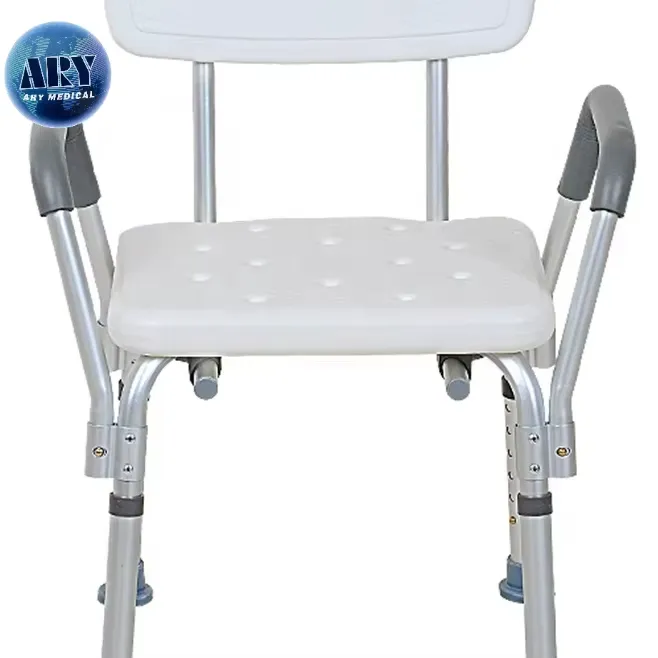
For shower chair tap reach, send the supplier questions about dimensions, permitted setups and intended positioning. The supplier cannot infer an individual user's functional reach from a room photograph.
Request useful product facts
Ask product questions the supplier can answer. Include the model reference and annotated room plan. Request the relevant instructions while referring personal-use decisions to an suitable assessor. Attach the room brief to a focused request for quotation.
- Model reference
- Dimension request
- Permitted setup
| Check | Record or reference |
|---|---|
| Model reference | Enquiry |
| Dimension request | Drawing query |
| Permitted setup | Manual request |
Key Takeaway: You receive product facts that support the wider assessment.
When should reach be reassessed?
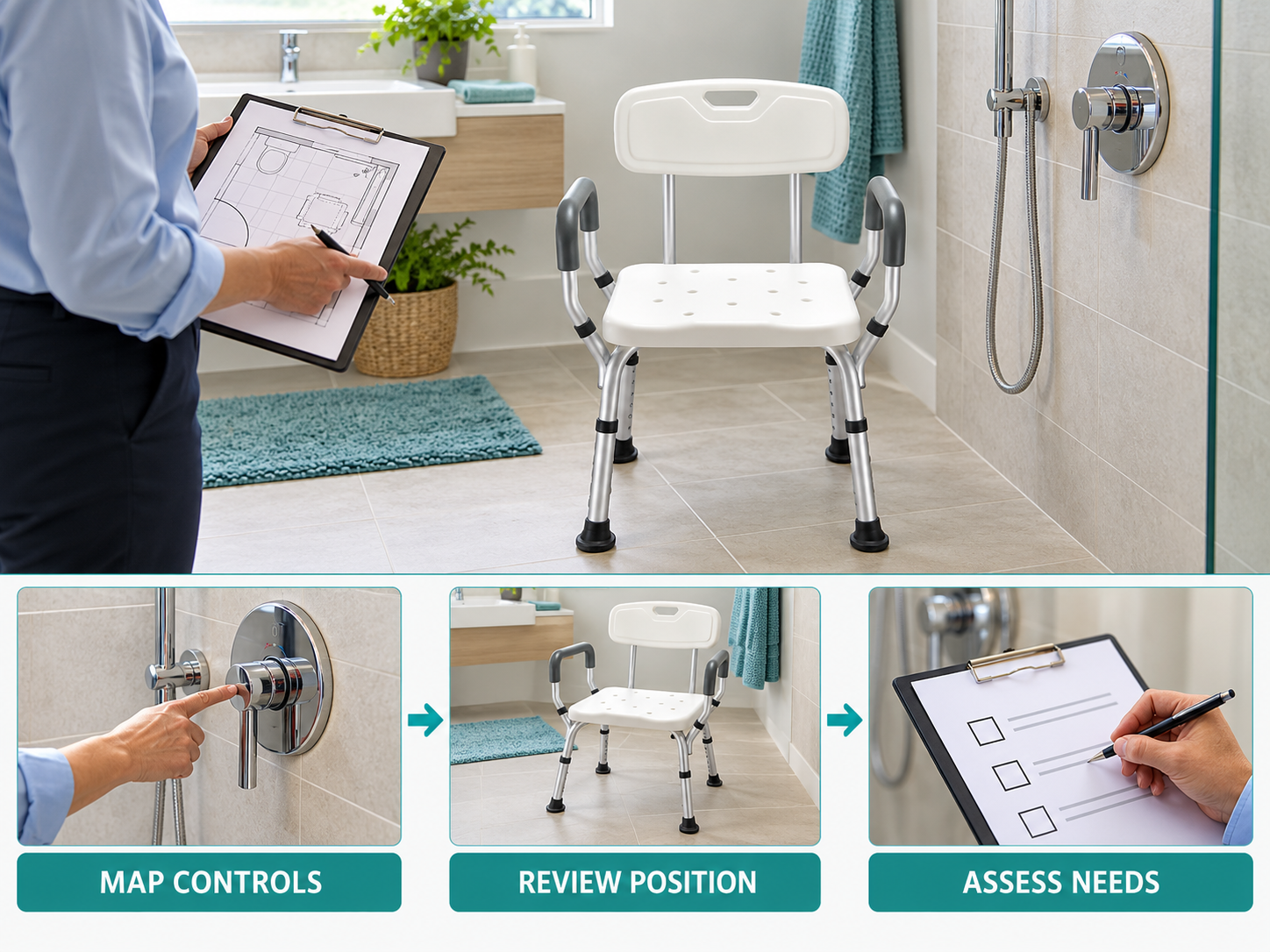
Reassess shower chair tap reach when the chair, bathroom layout, assistance arrangement or user's needs change. A previous setup should not be assumed suitable after a material change.
Review meaningful changes
Review meaningful changes. Keep the original assessment details so the reviewer can identify what changed. Report new difficulties promptly through the care or clinical route suitable to the person. The NHS home-adaptation guidance describes routes to assessment.
- Changed equipment
- Room update
- Current needs
| Check | Record or reference |
|---|---|
| Changed equipment | Product record |
| Room update | Updated plan |
| Current needs | Professional review |
Key Takeaway: The arrangement can be reviewed against current conditions.
What belongs in a complete reach brief?
A complete brief for shower chair tap reach should combine the room plan, chair setup and questions for the responsible assessor. It should make unresolved personal-use decisions visible.
What should you do next?
Bring product and care details together. Send the product questions and measured layout when discussing a chair order. Ask for current dimensions and instructions to support the professional review.
- Room plan
- Chair setup
- Assessment questions
| Check | Record or reference |
|---|---|
| Room plan | Measured layout |
| Chair setup | Product file |
| Assessment questions | Review brief |
Key Takeaway: Your procurement decision can use both product facts and assessed needs. To discuss the model and documents for your order, contact us with your requirements. At AryMD, clear product information belongs in every buying decision.
Frequently asked questions
Q1: Can I decide tap reach from a single distance?
No. Individual ability, posture, controls and support needs also matter, so use an suitable assessment.
Q2: What’s the best chair position beside the controls?
There is no universal position. It must satisfy the model's guidance, room constraints and the person's assessed needs.
Q3: How do I know if arm supports will obstruct access?
Provide the exact setup for assessment. Do not remove supports unless the maker permits it and the use is appropriately reviewed.
Q4: Can a longer shower hose solve every reach issue?
No. The holder, handling, hose route and control operation still need review in the actual setup.
Q5: When should I ask for another reach assessment?
After meaningful changes to equipment, layout, assistance or the person's needs. Report new difficulties through the suitable care route.