
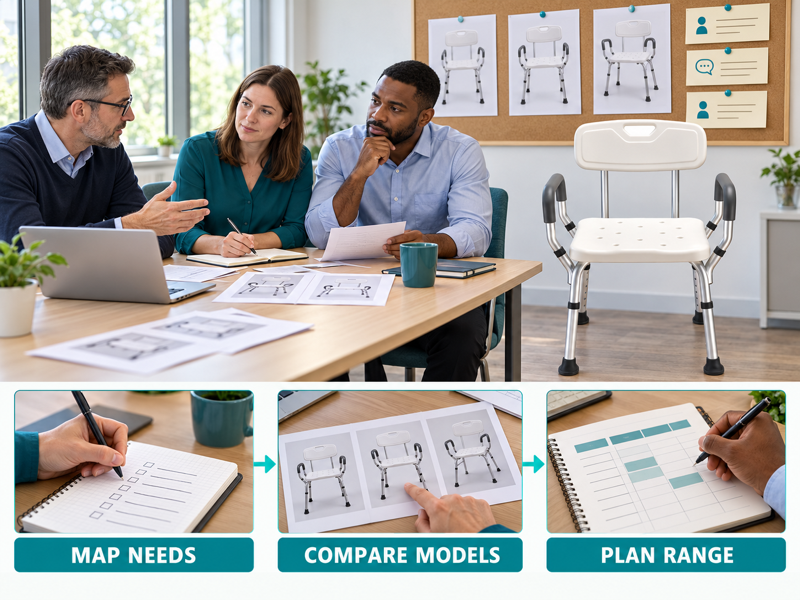
Build shower chair range planning around distinct customer needs, verified model differences and support your team can maintain. A UK distributor may carry several similar chairs while still losing enquiries for one clearly defined requirement. Reviewing demand and the role of each model helps you choose what to add, keep or withdraw.
What should shower chair range planning prioritize?

Shower chair range planning should start with distinct needs and models your team can support. Another similar chair adds little if staff cannot explain who it is for.
Start with evidence of customer needs
Start with the customers you serve. Review enquiries, returns and service questions by use setting and buyer type. Use those records to identify gaps before expanding the catalog.
- Customer need
- Current coverage
- Support demand
| Check | Record or reference |
|---|---|
| Customer need | Enquiry log |
| Current coverage | Range map |
| Support demand | Service record |
Key Takeaway: Your range can grow around evidence of a real need.
How should current models be mapped?
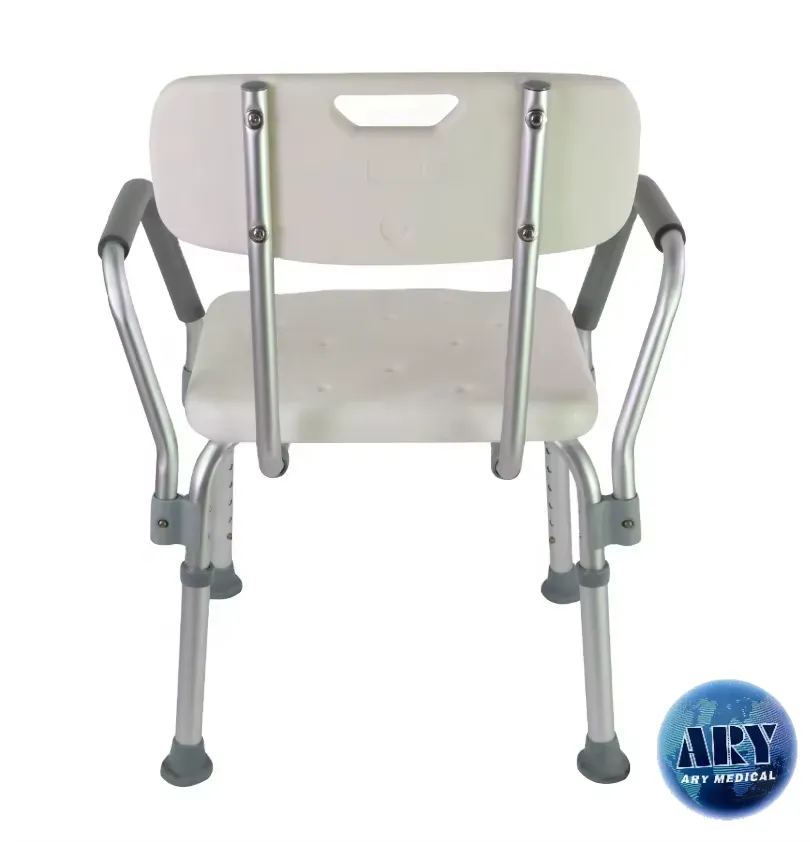
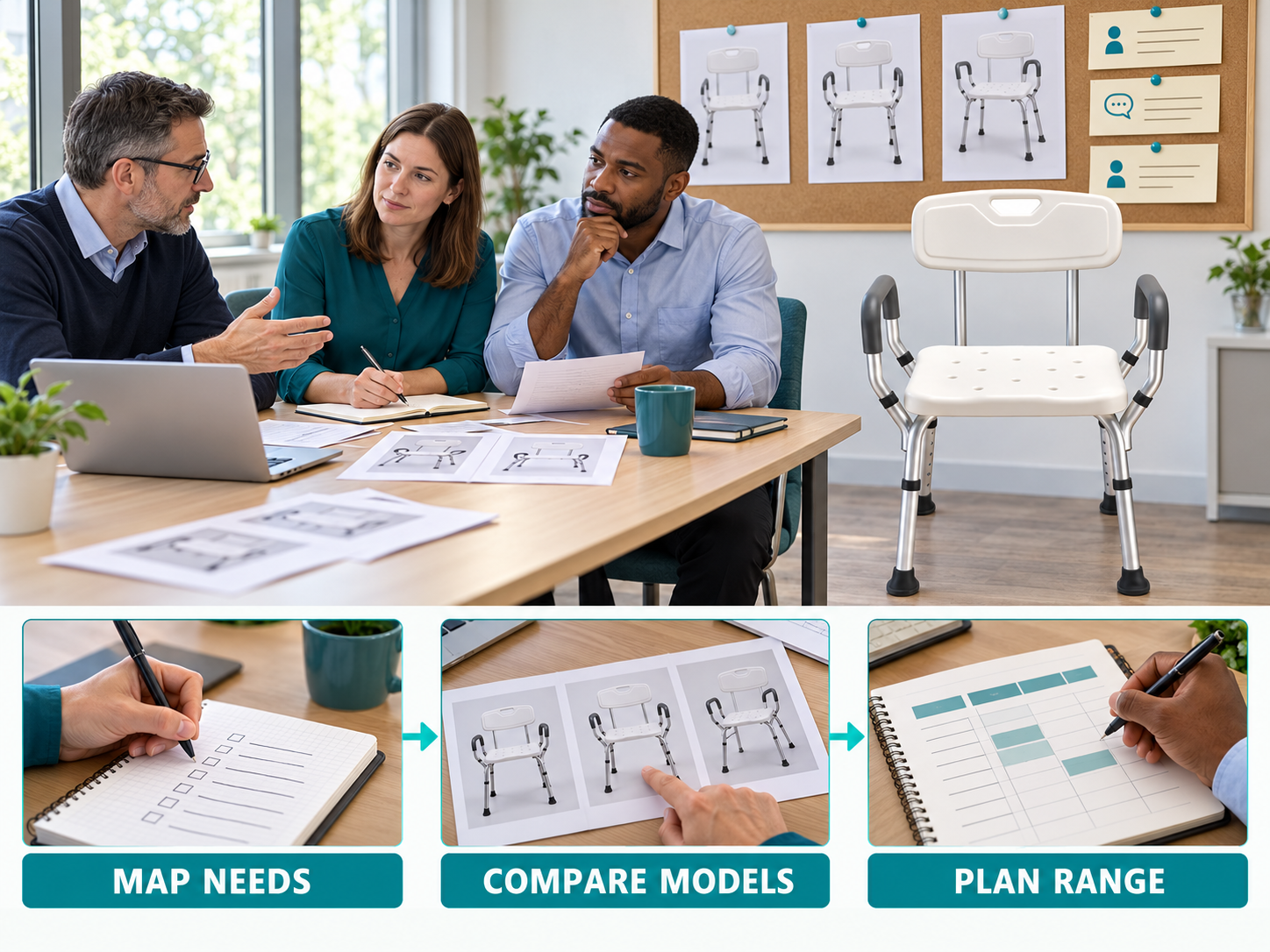
For shower chair range planning, map models by size, supports, adjustment and storage format. Color alone may not justify a separate stock line.
Map verified product differences
Compare meaningful features. Use approved specifications and identify unknown values. Keep personal suitability separate from the feature map so sales staff do not treat a product category as an individual recommendation. Compare documented arm-and-back features across the proposed models.
- Dimensions
- Support features
- Unknown value
| Check | Record or reference |
|---|---|
| Dimensions | Model file |
| Support features | Specification |
| Unknown value | Supplier query |
Key Takeaway: Sales staff can explain concrete differences between models.
When do two models overlap too much?
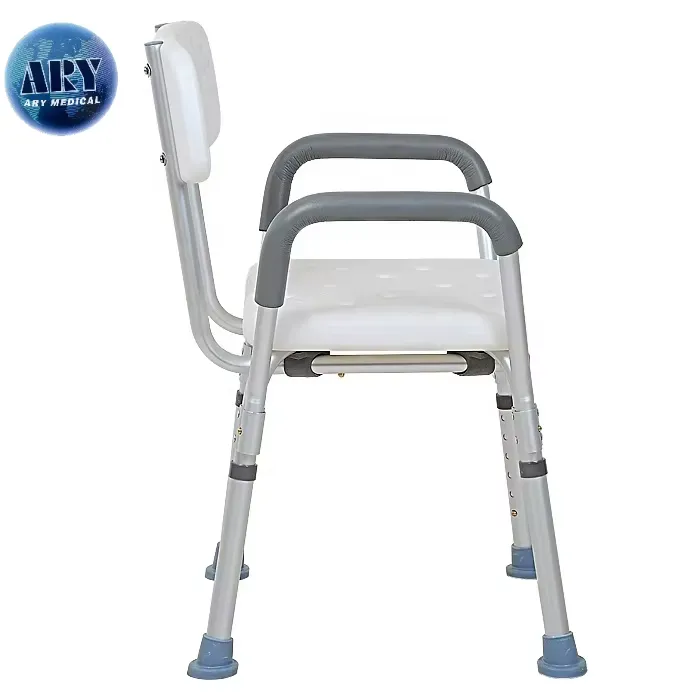
Shower chair range planning should question overlap when two models serve the same recorded need with little meaningful difference. Extra stock codes create purchasing and service work even when sales look similar.
Review overlapping models
Look for a clear selection reason. Compare the models' actual demand, margins and support requirements using your own records. Retain both only where there is a clear commercial or customer reason.
- Selection reason
- Demand
- Support burden
| Check | Record or reference |
|---|---|
| Selection reason | Range brief |
| Demand | Sales record |
| Support burden | Service log |
Key Takeaway: You can simplify the range without relying on appearance alone.
Which gaps should be investigated first?
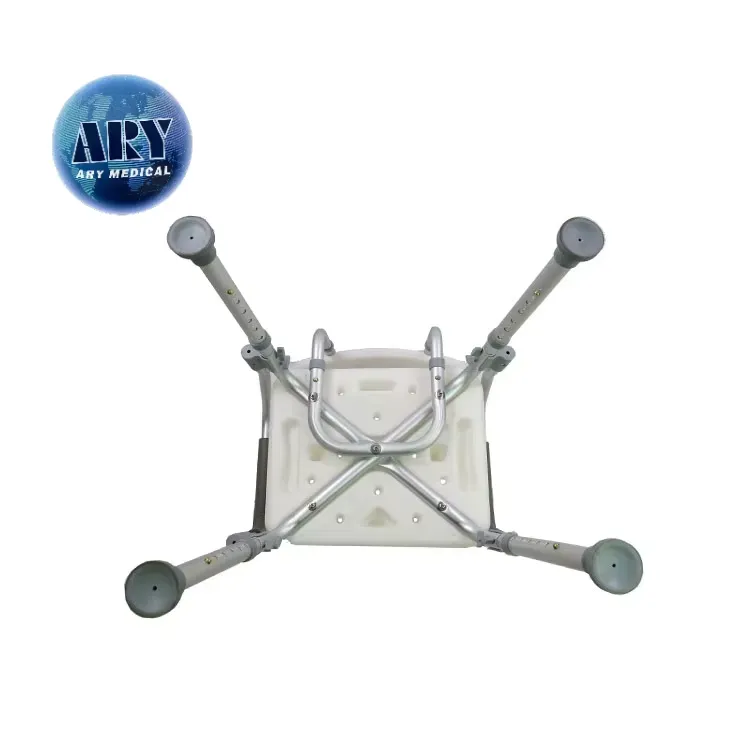
For shower chair range planning, investigate gaps shown by repeated enquiries or lost orders. A rival's long catalog does not prove that your buyers need each model.
Investigate recorded range gaps
Follow repeated unanswered enquiries. Record the requested feature and the use setting before choosing a product to fill it. Verify that your supplier offers and documents the proposed model.
- Requested feature
- Use setting
- Supplier capability
| Check | Record or reference |
|---|---|
| Requested feature | Enquiry record |
| Use setting | Buyer brief |
| Supplier capability | Product evidence |
Key Takeaway: A proposed addition starts from a defined gap.
How should a new model enter the range?
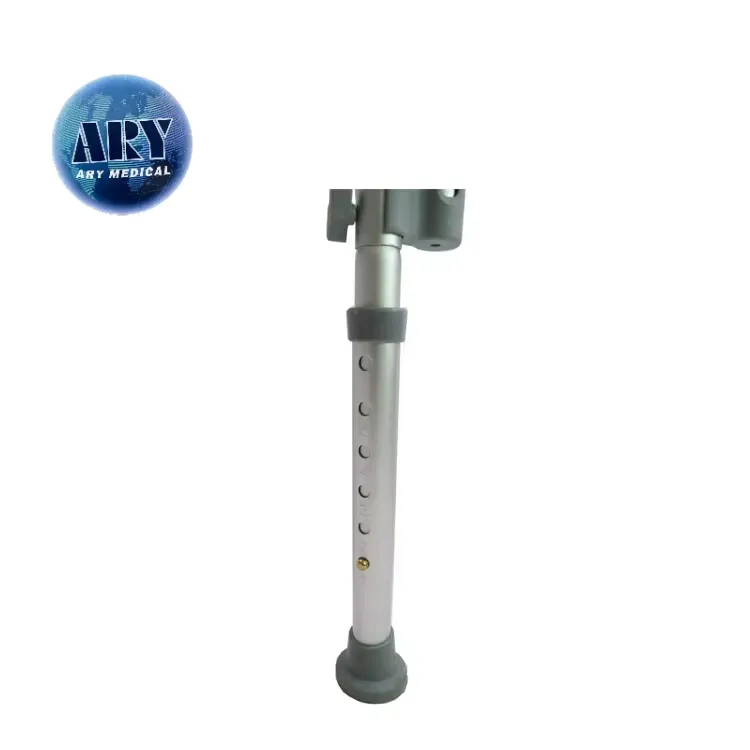
For shower chair range planning, review the spec, sample and support plan before adding a model. A quote alone leaves key product facts unresolved.
Introduce a model through review
Use a controlled introduction. Set the review scope before ordering the sample. Include product documents, packing, parts and staff details alongside the physical chair.
- Specification
- Sample review
- Support plan
| Check | Record or reference |
|---|---|
| Specification | Approved brief |
| Sample review | Assessment record |
| Support plan | Service agreement |
Key Takeaway: The range addition is prepared for sale and after-sales work.
What should stocking depth depend on?
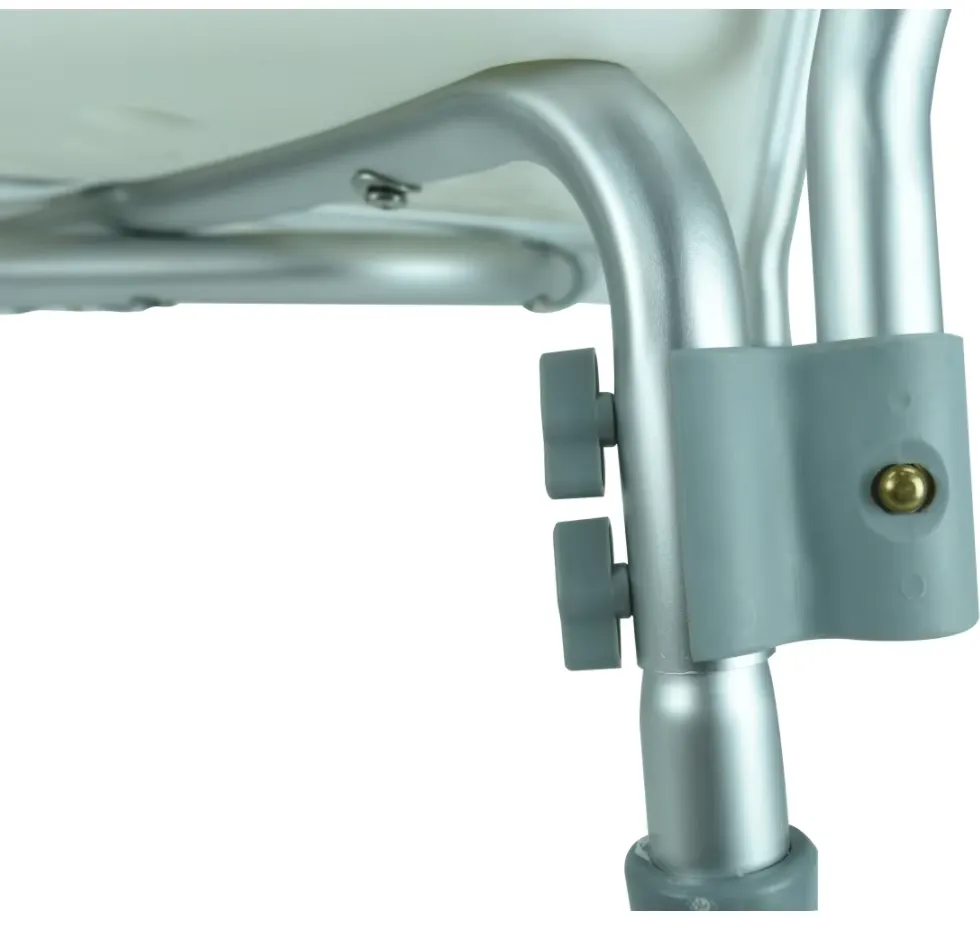
For shower chair range planning, stock depth should reflect observed demand, restock time and the cost of holding each model. Equal quantities across the catalog can overstock slow lines and constrain useful ones.
Set stocking depth by demand
Match depth to demand and supply. Review available stock and open orders by setup. Use a trial approach for a new line and update it from actual transactions rather than invented demand estimates. A folding model's storage format may affect how much stock your site can hold.
- Demand
- Lead time
- Available stock
| Check | Record or reference |
|---|---|
| Demand | Transaction history |
| Lead time | Supplier record |
| Available stock | Inventory report |
Key Takeaway: Your shelf space follows a reasoned stocking decision.
How should parts commonality be considered?
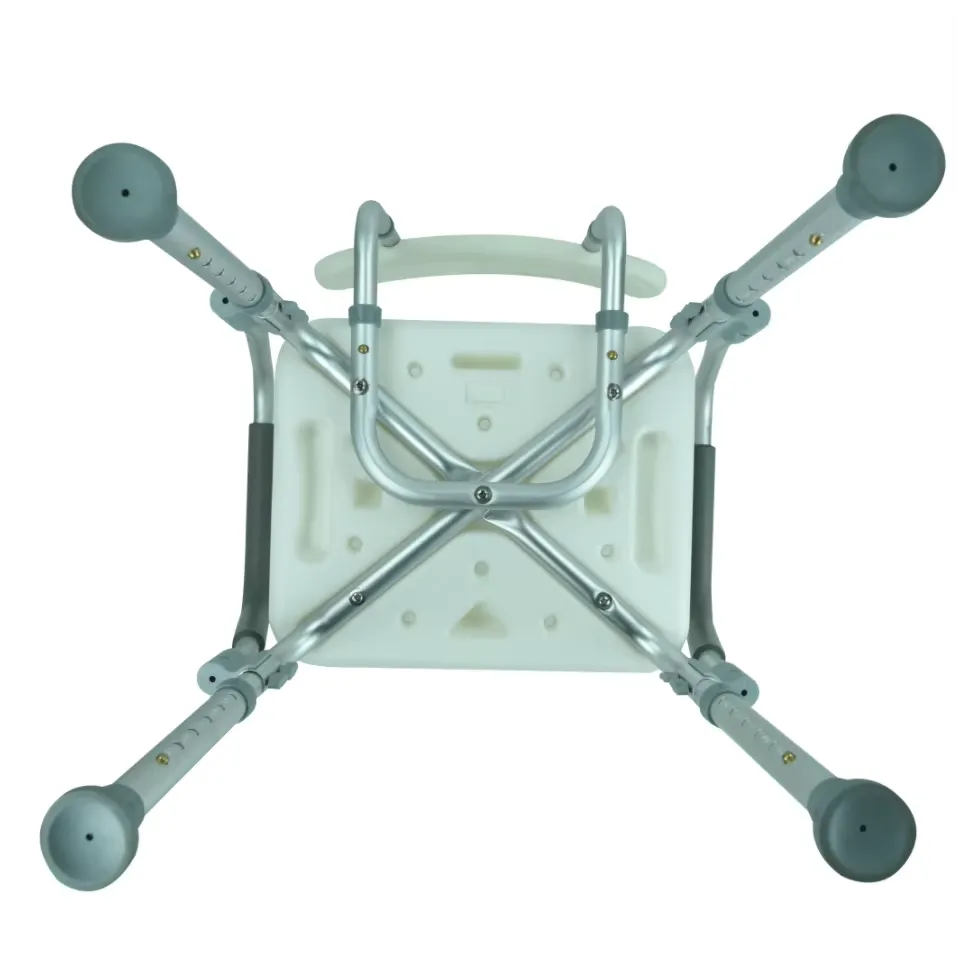
Shower chair range planning can benefit from shared approved parts, but apparent similarity is not enough. Two chairs may use feet or pins that look alike while requiring different codes.
Verify shared parts
Verify common parts before counting savings. Ask for a model-to-part compatibility matrix and current service instructions. Keep savings estimates separate from unverified assumptions about interchangeability.
- Shared part
- Compatible models
- Service method
| Check | Record or reference |
|---|---|
| Shared part | Approved code |
| Compatible models | Matrix |
| Service method | Instructions |
Key Takeaway: You can assess support efficiency using confirmed compatibility.
What details do dealers need about the range?
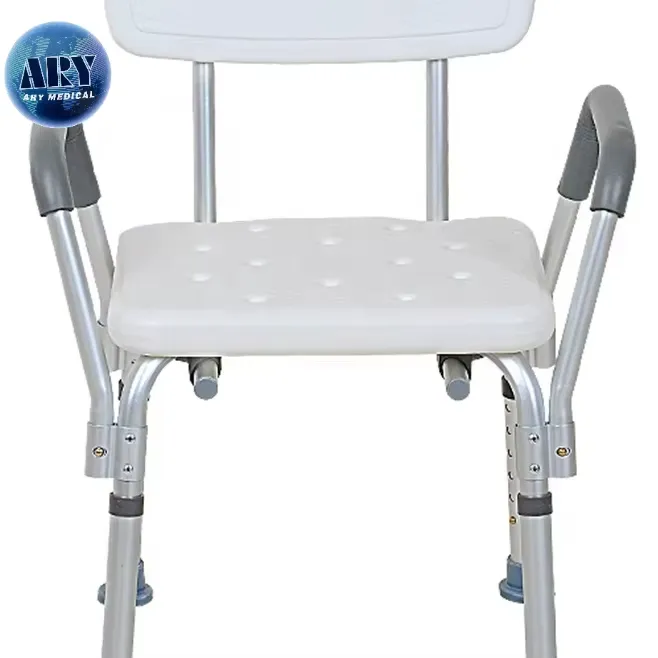
For shower chair range planning, dealers need concise differences, current documents and boundaries on product claims. A comparison sheet should help them ask better questions rather than promise universal suitability.
Give dealers a useful comparison
Give each model a clear role. Use plain language for dimensions, supplied features and ordering options. Provide a route for unresolved fit questions and personal-use assessment needs. Confirm dealer support arrangements during manufacturer comparison.
- Model role
- Verified features
- Question route
| Check | Record or reference |
|---|---|
| Model role | Range sheet |
| Verified features | Specification |
| Question route | Support contact |
Key Takeaway: Dealers can explain the range without inventing benefits.
When should a model be withdrawn?
Shower chair range planning should review withdrawal when demand, supply continuity or support conditions no longer fit the business. Low sales alone may not settle the decision if an installed fleet still needs service.
Plan withdrawal and ongoing support
Use evidence and a transition plan. Plan remaining stock, documents and spare support before removing the model from current promotion. Tell dealers which references remain valid for earlier chairs. See the WHO assistive product specifications for procurement context.
- Withdrawal reason
- Remaining stock
- Service continuity
| Check | Record or reference |
|---|---|
| Withdrawal reason | Review record |
| Remaining stock | Inventory plan |
| Service continuity | Support decision |
Key Takeaway: A smaller catalog can still support products already supplied.
What should the range plan approve?
A final shower chair range planning decision should state each model's role, stock plan and support owner. A list of names alone cannot guide buyers or dealer training.
What should you do next?
Approve roles, quantities and responsibilities. Share your customer segments and identified gaps when discussing supply. Request model-specific documents and sample options for the additions that need further review.
- Model purpose
- Stock approach
- Support owner
| Check | Record or reference |
|---|---|
| Model purpose | Range map |
| Stock approach | Purchasing plan |
| Support owner | Responsibility list |
Key Takeaway: Your catalog becomes a range your team can explain and maintain. To discuss the model and documents for your order, contact us with your requirements. At AryMD, clear product information belongs in every buying decision.
Frequently asked questions
Q1: Can I expand the range by copying a competitor catalog?
That is a weak basis on its own. Use your own customer evidence and confirm that proposed products are recorded and supportable.
Q2: What’s the best reason to keep two similar models?
A clear customer or commercial role. Compare real demand, meaningful features and support requirements before carrying both.
Q3: How do I know if a range gap is worth investigating?
Look for repeated specific enquiries or lost-order records. Identify the requested feature and use setting before choosing a new model.
Q4: Can shared-looking parts reduce my spare inventory?
Only after compatibility is confirmed. Similar appearance does not establish that a foot, pin or arm assembly is interchangeable.
Q5: Should I stop supporting a model when it leaves the catalog?
No automatic assumption is suitable. Plan service continuity for supplied units according to the product and commercial commitments.