
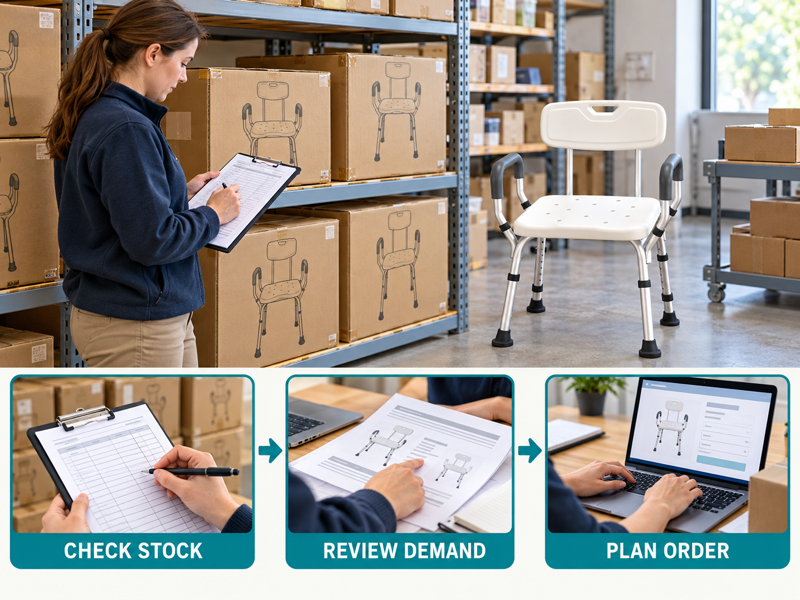
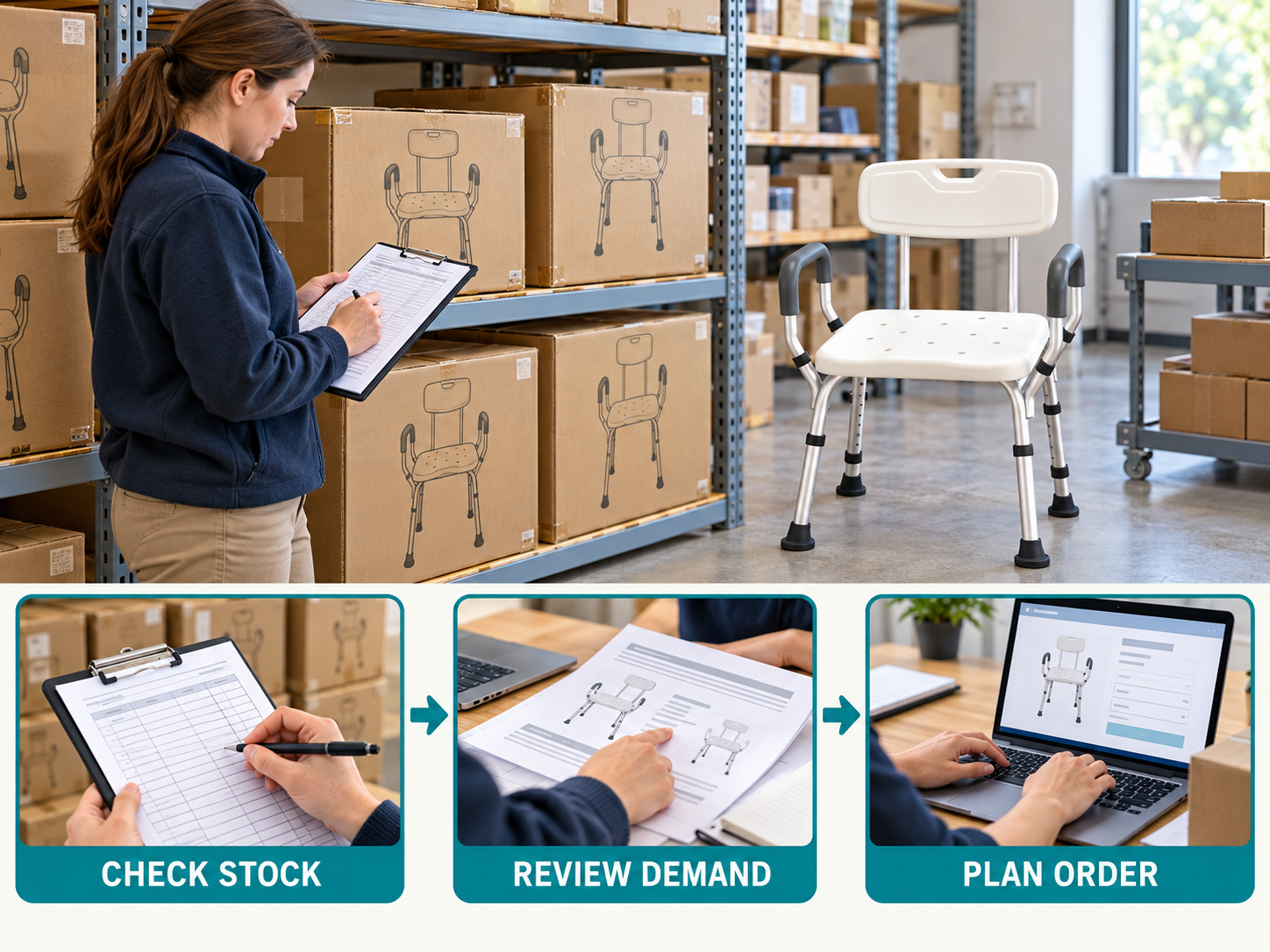
Base a shower chair reorder plan on demand, released stock and the time needed to receive usable replacements. An Italian distributor orders more units while returned chairs and an overdue shipment still inflate its stock report. Separating those statuses makes the quantity decision easier to explain.
What should a shower chair reorder plan use?

A shower chair reorder plan should use recorded demand, usable stock and realistic restock time. Ordering the same quantity each month can ignore a growing rental fleet or a slowing retail line.
Define the usable stock position
Start with demand and available stock. Separate available units from stock held for inspection, returns or unresolved faults. Use the approved model code so revisions are not accidentally combined.
- Recorded demand
- Usable stock
- Lead time
| Check | Record or reference |
|---|---|
| Recorded demand | Sales or issue log |
| Usable stock | Inventory status |
| Lead time | Supplier record |
Key Takeaway: Your order starts from stock that can actually serve demand.
How should demand be measured?

For a shower chair reorder plan, distinguish sales, rental issues and service replacements because they consume stock differently. A rental handover is not necessarily a permanent reduction in the fleet.
Choose the right demand measure
Choose a measure that matches the business. Use a consistent review period and note unusual projects or one-time orders. Keep those events visible instead of treating every recent spike as ongoing demand. Allow for the agreed packing and freight process when interpreting supply timing.
- Demand type
- Review period
- One-time event
| Check | Record or reference |
|---|---|
| Demand type | Transaction code |
| Review period | Planning sheet |
| One-time event | Order note |
Key Takeaway: You can explain which activity drives the next purchase.
Which stock should count as available?
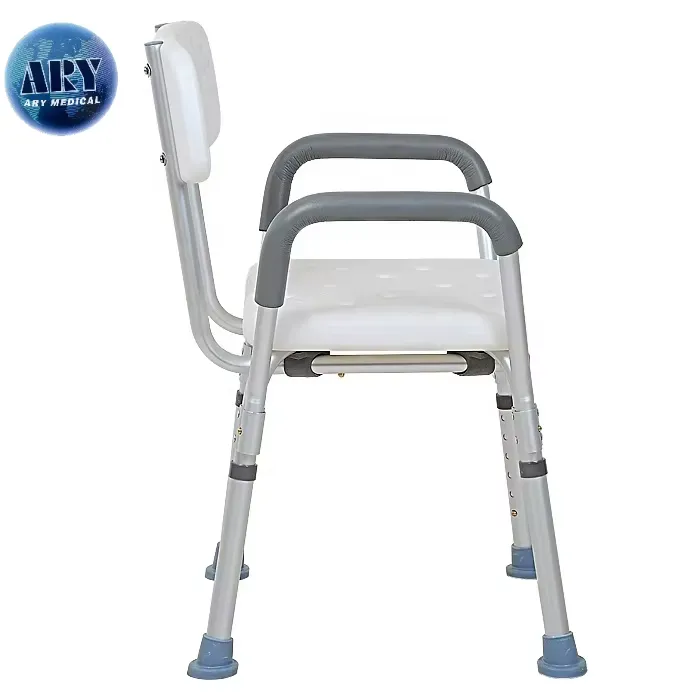
A shower chair reorder plan should count only units released for the intended use or sale. Returned, incomplete or quarantined chairs may be physically present without being available.
Exclude unresolved stock holds
Exclude unresolved holds. Use clear inventory statuses and reconcile them with the warehouse. Review aged holds with their owners so purchasing can see whether they will return to usable stock.
- Released units
- Held units
- Expected release
| Check | Record or reference |
|---|---|
| Released units | Stock status |
| Held units | Hold register |
| Expected release | Owner update |
Key Takeaway: The available balance reflects what staff can dispatch.
How should lead time be estimated?
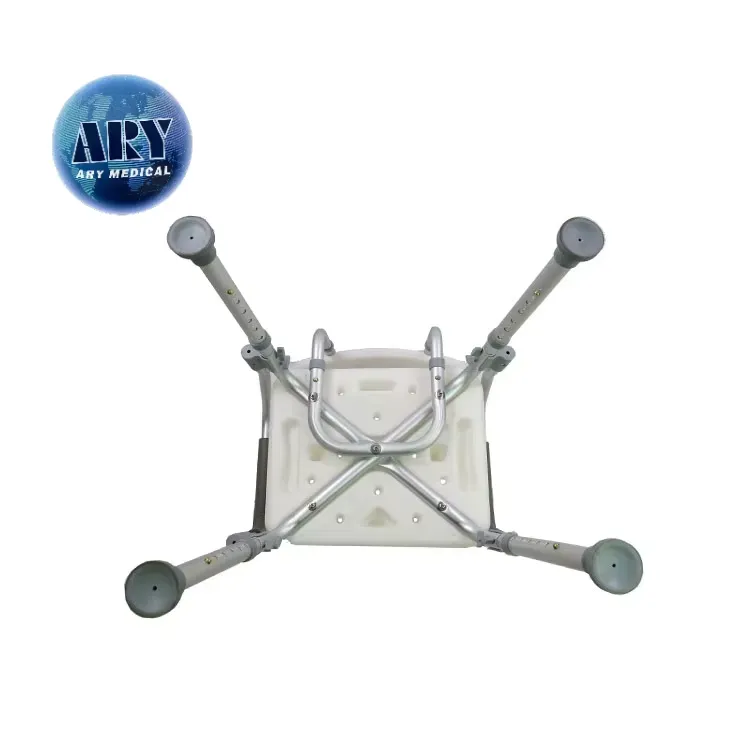
For a shower chair reorder plan, lead time should cover the stages between order approval and usable receipt. Production completion alone leaves transport, receiving and release work outside the estimate.
Measure the full lead time
Measure the full restock path. Compare quoted timing with recent completed orders and note the conditions. Keep exceptional delays visible without assuming every future shipment will repeat them.
- Quoted timing
- Actual timing
- Release stage
| Check | Record or reference |
|---|---|
| Quoted timing | Supplier offer |
| Actual timing | Order history |
| Release stage | Receiving record |
Key Takeaway: Your planning interval covers the full supply route.
What role should buffer stock play?
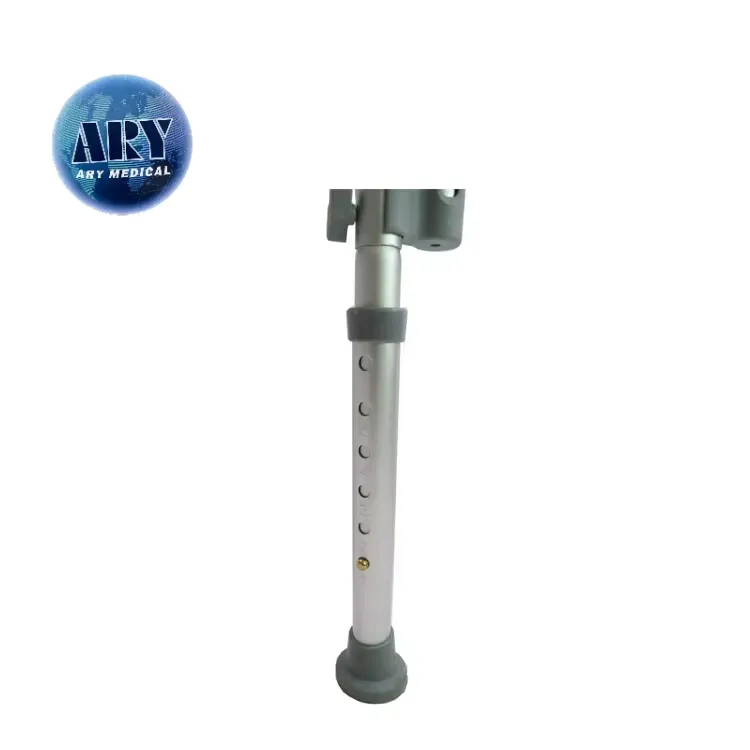
A shower chair reorder plan may include buffer stock where demand or restock uncertainty justifies it. There is no useful universal percentage without your service needs and inventory data.
Justify any stock buffer
Tie the buffer to an identified risk. Discuss the tradeoff between availability, storage and cash with the responsible team. Review the buffer when demand patterns or supplier performance change.
- Service need
- Uncertainty
- Holding cost
| Check | Record or reference |
|---|---|
| Service need | Planning decision |
| Uncertainty | History review |
| Holding cost | Inventory estimate |
Key Takeaway: The buffer has a reason that can be reviewed.
How should model revisions affect reorders?
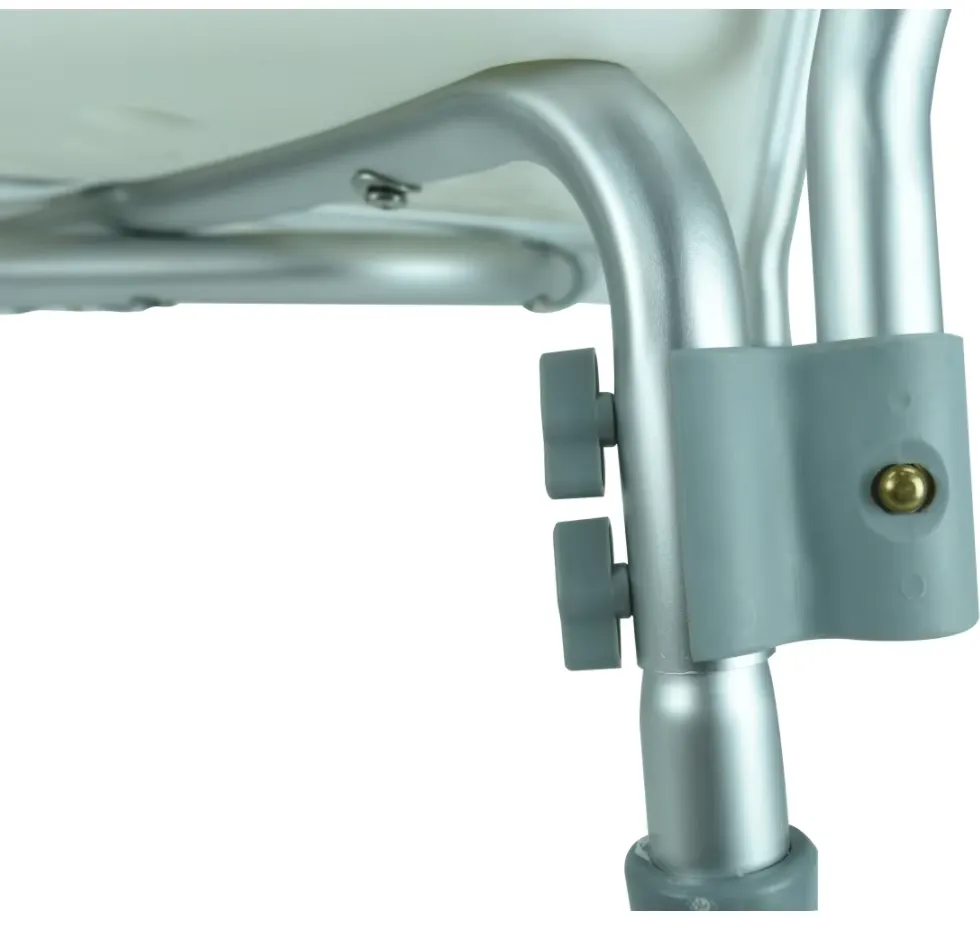
A shower chair reorder plan should verify that the next order matches the approved revision or an accepted change. Copying an old purchase order can miss a new part, document or packaging setup.
Confirm the ordered revision
Confirm the version before repeating a PO. Ask the supplier to confirm current availability and pending changes. Keep compatibility and stock-transition questions separate from the quantity calculation. Check the controlled product design brief when the offered revision changes.
- Approved revision
- Current availability
- Pending change
| Check | Record or reference |
|---|---|
| Approved revision | Model file |
| Current availability | Supplier response |
| Pending change | Notice |
Key Takeaway: A repeat order preserves control over what arrives.
How can open orders distort the stock picture?
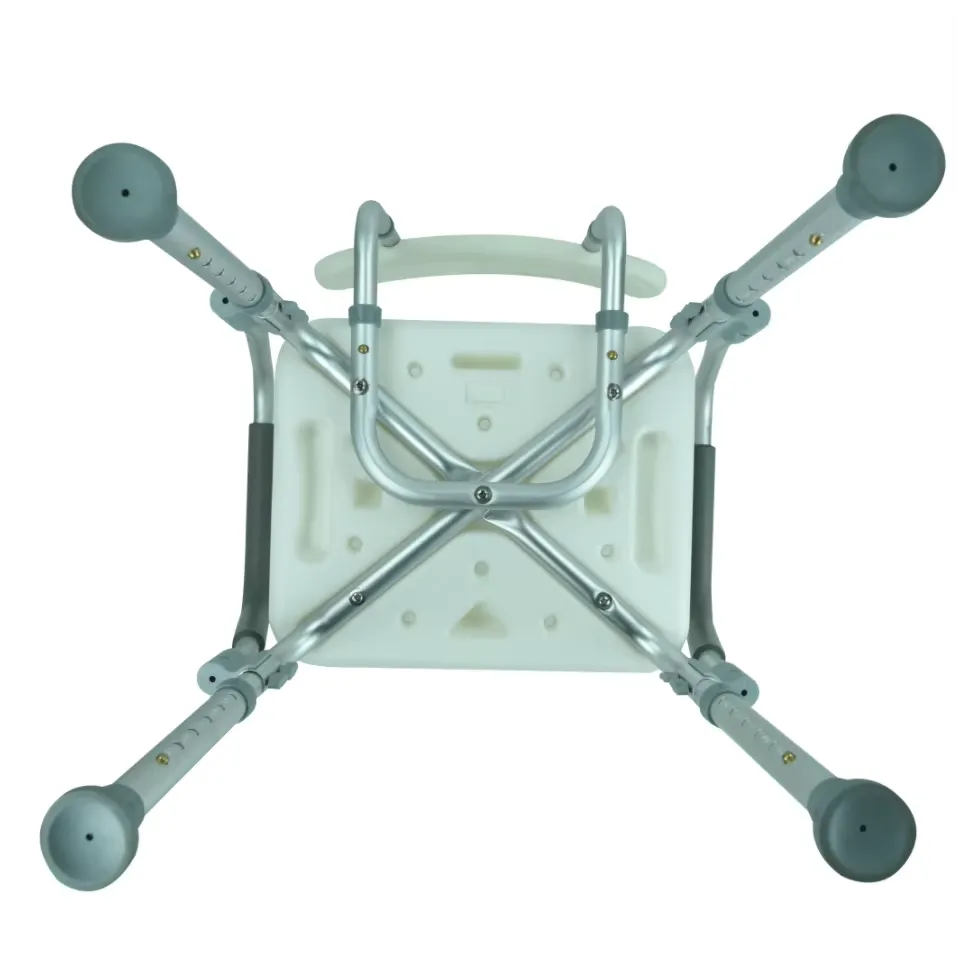
For a shower chair reorder plan, open orders should be included with their current status and expected usable date. Counting a delayed shipment as both incoming stock and a replacement order can create excess supply.
Reconcile open orders
Count each incoming unit once. Reconcile order lines with supplier confirmations and goods receipts. Remove canceled quantities and flag dates that have not been reconfirmed.
- Open quantity
- Confirmed date
- Receipt match
| Check | Record or reference |
|---|---|
| Open quantity | PO record |
| Confirmed date | Supplier update |
| Receipt match | Warehouse record |
Key Takeaway: Incoming stock is visible without being double-counted.
Which signals should trigger an early review?
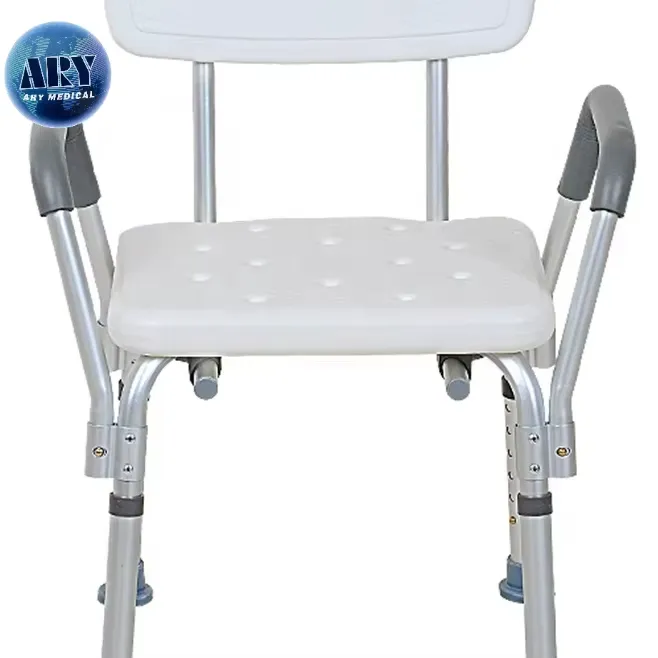
A shower chair reorder plan needs early review when demand, stock quality or supply timing changes materially. Waiting for the usual review date may be unhelpful after a large contract or a significant hold.
Set early-review triggers
Define exceptions in advance. List the events that require a planner's attention and assign ownership. Use your own thresholds rather than copying an unsupported stock rule. A recurring maintenance issue may also affect the usable stock balance.
- Demand event
- Quality hold
- Supply delay
| Check | Record or reference |
|---|---|
| Demand event | Order update |
| Quality hold | Inventory alert |
| Supply delay | Supplier notice |
Key Takeaway: Staff know when routine planning no longer fits the facts.
How should the plan be checked after receipt?
Review a shower chair reorder plan after receipt by comparing expected timing, available stock and actual demand. The goal is to learn which assumption caused an excess or shortage.
Learn from the received order
Compare the plan with the outcome. Record the difference and its cause where evidence supports one. Adjust the relevant input rather than changing every planning rule at once. See the WHO assistive product specifications for procurement context.
- Expected timing
- Actual receipt
- Demand outcome
| Check | Record or reference |
|---|---|
| Expected timing | Plan |
| Actual receipt | Warehouse record |
| Demand outcome | Transaction log |
Key Takeaway: Each order can improve the next planning decision.
What makes a reorder ready for approval?

Approve a shower chair reorder plan when the quantity, revision, timing and stock assumptions are visible. A request for more chairs is easier to assess when it explains the need.
What should you do next?
Show the quantity and its basis. Send the current model reference, desired receipt window and quantity basis with your enquiry. Ask the supplier to confirm availability and any change affecting the repeat order.
- Quantity basis
- Model revision
- Receipt window
| Check | Record or reference |
|---|---|
| Quantity basis | Planning sheet |
| Model revision | Order brief |
| Receipt window | Supplier confirmation |
Key Takeaway: The next purchase has a clear commercial and operational rationale. To discuss the model and documents for your order, contact us with your requirements. At AryMD, clear product information belongs in every buying decision.
Frequently asked questions
Q1: Can I reorder the same quantity every month?
Only if current demand and supply conditions support it. Review usable stock and incoming orders before repeating an old quantity.
Q2: What’s the best buffer stock percentage?
There is no universal percentage. Base the decision on your service needs, uncertainty and cost of holding the relevant model.
Q3: How do I know which returned chairs to count?
Count units released for the intended purpose. Keep incomplete, held or unreviewed returns separate from available stock.
Q4: Should lead time stop when production finishes?
No, if your plan concerns usable receipt. Include the relevant transport, receiving and release stages.
Q5: Can I combine old and new revisions in one balance?
Only where ID and compatibility remain controlled. Keep meaningful differences visible to purchasing and service teams.